Reviewed · PARIS
A Day of Exploring Black Paris
Paris changes when you follow Black footsteps. This small-group walk-and-transit day offers a Black-centered perspective on the city, with Knight guiding you through places tied to writers, performers, and communities. You start with breakfast, ride the Metro all day, and end with time to eat and reflect.
I love how the day begins in a real, lived-in setting, with a light French breakfast at Les Deux Magots instead of a generic meeting point. I also love how Knight connects literature, publishing, music, and everyday neighborhood life so the history feels practical, not just academic. The one catch is that it is a walking tour with stairs, so wear comfortable shoes and plan on moving at a steady pace.
In This Review
- Key things I’d clock before you go
- Starting at Les Deux Magots, breakfast first, stories second
- Breakfast at a historic cafe, and why that matters
- Présence Africaine, the bookstore where ideas traveled
- La Rhumerie and the Paris-Caribbean connection
- Pigalle, music, nightlife, and cultural exchange
- Goutte-d’Or, everyday life shaped by African communities
- BMK Paris-Bamako finish, sit down, order lunch if you want
- Metro pass and time planning, what a 6-hour day really feels like
- Price and value: $216.48 for history plus food plus transit
- Who should book this Black Paris day
- Handy etiquette and comfort tips for the day
- Should you book A Day of Exploring Black Paris?
- FAQ
- What time does the tour start, and where do I meet?
- How long is the experience?
- Is breakfast included?
- Is lunch included at the end?
- What’s included for transportation?
- How large is the group?
- What’s the cancellation and weather policy?
Key things I’d clock before you go
- Small group (max 10) means more time to ask questions and actually talk, not just listen.
- Breakfast is included (croissant, bread with Poitou-Charentes butter, plus a hot drink) so you start fueled.
- All-day Metro pass is part of the value, because you will use public transit during the day.
- Black Paris through multiple angles: literature at a historic cafe, publishing at a landmark bookstore, and neighborhood life in districts shaped by African communities.
- End with food and downtime at BMK Paris-Bamako, where you can sit, share highlights, and order lunch if you want.
- You’ll cover a lot of ground. This is not a sit-down tour, and stairs show up.
Worth a comparison before you book. Others in Paris covering the same ground:
- Paris: 1-Hour Seine Cruise departing from the Eiffel Tower
★ 4.4 · 77,472 reviews - Disneyland® Paris 1-Day Ticket
★ 4.6 · 49,412 reviews - Paris: Versailles Palace and Gardens Full Access Ticket
★ 4.6 · 41,579 reviews - Paris: Arc de Triomphe Rooftop Tickets
★ 4.6 · 34,264 reviews
Starting at Les Deux Magots, breakfast first, stories second
Your day kicks off at 6 Pl. Saint-Germain des Prés, right in the heart of the Left Bank, with a 10:00 am start. The first stop is Les Deux Magots, one of those Paris places that feels like it has been holding conversations for centuries. You get a meet-and-greet, then a light French breakfast, and you ease into the theme of the day without rushing.
What makes this opening so effective is the setting. Les Deux Magots is famous for literary culture, and Knight uses that atmosphere to connect Black writers and intellectual life to Paris in a way that feels immediate. One minute you are biting into a croissant, and the next you are hearing how writers and thinkers found community, work, and ideas in the city’s cafes.
This is also a smart way to handle timing. Starting with breakfast means you do not waste your first hours searching for food. And because the group is small, you can settle in, ask early questions, and get a sense of how the day will flow.
Breakfast at a historic cafe, and why that matters
The included breakfast is not just a perk. It sets the tone for the whole experience: Paris is not only monuments, it is also people meeting, talking, writing, publishing, and building networks. You get croissant, bread with Poitou-Charentes butter, plus your choice of hot drink, and you are free to take your time before walking starts in earnest.
A practical note: this is a tour built around moving. If you normally like a heavy breakfast, you might still want a small snack for later, because lunch at the end is not included. That said, most people find the light breakfast enough to keep energy steady through the morning.
If you are a first-time visitor, this start is especially helpful. It gives you context fast, so later stops make more sense than if you were just wandering blind.
Présence Africaine, the bookstore where ideas traveled
After you leave the cafe world behind, you head to Présence Africaine, a landmark bookstore and publishing house founded in 1949. This stop is about more than browsing books. It is about how African and diasporic thinkers shaped debates across Africa, the Caribbean, and Europe, and why a place like this mattered then and still matters now.
In a city obsessed with museums, a bookstore can feel small at first. But Knight treats it as a hub, not a souvenir stop. You learn how publishing and intellectual spaces helped movements grow, and you see how Paris connected people through reading, writing, and discussion.
For you, this is a value moment. You do not just learn names. You learn why those names mattered, and you understand the role of print culture in shaping political and cultural conversations.
La Rhumerie and the Paris-Caribbean connection
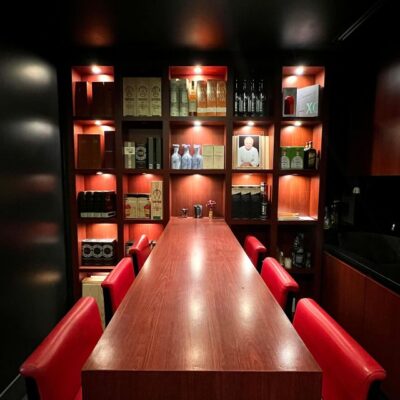
Next comes La Rhumerie, a historic rum house founded in 1932 with roots in the French Caribbean. This is where the day shifts from words on a page to goods, trade, and cultural ties. You learn about the economic and cultural connections between Paris and the Caribbean, and how those links show up in everyday establishments, not only in big history sites.
One thing I like about this stop is that it broadens your understanding of Black Paris beyond entertainment and literature. Alcohol may sound like a casual topic, but it is a real thread of connection. It reflects migration, commerce, and cultural exchange. It is also a reminder that history lives in “ordinary” places too.
Admission here is free, and the stop stays focused. You are not getting stuck for hours, but you leave with a clearer picture of how the Caribbean presence in France is not abstract.
If this one is booked out, Paris has these too:
- Paris: Orsay Museum Entry Ticket★ 4.7 · 25,647 reviews
- Paris: Evening River Cruise with Music★ 4.4 · 22,721 reviews
- Paris: Eiffel Tower Entry Ticket with Optional Summit Access★ 4.4 · 20,035 reviews
- Eiffel Tower Dedicated Reserved Access Summit or 2nd Floor★ 4.3 · 18,352 reviews
Pigalle, music, nightlife, and cultural exchange
Then you move to Pigalle, a neighborhood shaped in part by Black performers, venues, and cultural exchange in the early 20th century. Knight guides you through the story of how music and nightlife helped transform the area, and why Pigalle became important in Black Parisian history.
Pigalle is one of those places people think they know, mainly through nightlife stereotypes. The tour flips that view. Instead of treating Pigalle as just a party district, you see it as a cultural crossroads where audiences, artists, and communities interacted.
In this stretch, you also get a sense of how Paris functioned as a magnet. People did not only visit, they came to work, to perform, and to belong somewhere. That perspective changes how you walk the streets.
Goutte-d’Or, everyday life shaped by African communities
After Pigalle, you head to La Goutte d’Or, where you walk through streets and market areas shaped by African communities. This part of the experience matters because it shows Paris as a living place, not only a stage for famous events. Knight helps you connect the neighborhood’s cultural and commercial role to wider patterns of migration and community building.
Expect a genuine neighborhood vibe. This is where your senses do the learning: people moving through shops, stalls, and daily routines. And because it is walking, you get time to look around without feeling rushed.
This also is where the tour’s pace becomes real. You might feel it in your legs, especially if you are not used to steady walking plus transit between stops. If stairs get to you, pace yourself, take short breaks when you can, and do not be shy about telling Knight if you need to slow down. The day is run with comfort in mind.
BMK Paris-Bamako finish, sit down, order lunch if you want
The day ends at BMK Paris-Bamako, an African restaurant where you get time to relax, reflect, and share highlights from the route. This is the de-stress moment, and it also gives you a chance to refuel with real food.
Important detail: the tour does not include lunch at BMK. That said, you still get the benefit of arriving with time to sit, rather than finishing and immediately sprinting off to find your next meal. If you want lunch, you can order there. If you prefer to go lighter or eat elsewhere, you can.
This ending works well because by now you have seen a lot of context. Sitting with the group helps the stories stick. You can also ask Knight follow-up questions and get suggestions for where to eat or what to notice on your own afterward.
Metro pass and time planning, what a 6-hour day really feels like
The total duration is about 6 hours, and you should plan it as a serious chunk of your day. You will use public transportation during the tour, and the all-day Metro pass is included. That pass matters because it keeps costs down and removes decision fatigue.
In real terms, this is not one long continuous walk. It is a mix of walking and transit rides, and you will encounter stairs with some Metro connections. Reviews also point out that the walking and stair time can add up, so go in prepared.
One more practical point: the tour is small, up to 10 people, but that does not mean it is slow. The route is designed to cover meaningful stops, and Knight keeps the day moving so you stay engaged.
Price and value: $216.48 for history plus food plus transit
At $216.48 per person for a 6-hour experience, the price is not “cheap,” but it is structured value. Here is what you are paying for, in a way that affects your day:
You get breakfast included, plus an all-day Metro pass. Those two items alone help offset part of the cost, especially on a day when you would otherwise be buying transit tickets and searching for food. You also get a guided route led by Knight, and the small group size means your time with the guide is more personal.
You do not pay for museum-style entrances at stops either, since the visits listed are free. So you are mostly paying for interpretation, pacing, and access to places you might not think to visit on your own.
If you prefer tours where everything is booked for you, and you like strong narrative guidance, this price starts to make sense. If you are traveling on a tight schedule or hate walking, you might feel the cost more sharply.
Who should book this Black Paris day
This tour fits best if you want a Paris that feels human and specific, not just postcard views. It is great for first-timers who want context fast, and also for repeat visitors who are ready for a different lens on familiar neighborhoods.
It is also a strong choice if you like learning through places tied to culture, publishing, and music. You get a mix of intellectual history and everyday neighborhood life, which keeps it from turning into a lecture-only day.
Families and groups can work too, but the key requirement is moderate physical fitness. If you have mobility limitations, stairs and walking will likely be the limiting factor, so check with the provider before booking.
Handy etiquette and comfort tips for the day
A few small things can make your experience smoother.
- Bring comfortable walking shoes. This tour involves steady movement and stairs.
- Keep an eye on your energy between stops. Breakfast helps, but lunch is optional and not included.
- Follow Knight’s guidance about photography. One guideline shared is not filming people without consent, which is a good rule in general.
- If you are traveling solo, this small-group format helps. It is easy to ask questions and feel part of the day, not stuck off to the side.
Also, if you tend to get lost in Paris, take heart. Knight’s style includes checking in and adjusting for comfort, so the day is designed to be workable rather than chaotic.
Should you book A Day of Exploring Black Paris?
If you want Paris from a Black-centered viewpoint, with a guide who connects neighborhoods to culture and ideas, I think this is a strong “yes.” The combination of breakfast, a full-day Metro pass, and free visits to the stops makes it feel more complete than many standard walking tours.
Book it if you can handle a few hours of walking plus transit stairs, and if you like storytelling that mixes literature, publishing, and neighborhood life. Skip it only if walking and stairs are a hard no for you, since the day moves at a pace built around seeing many locations.
FAQ
What time does the tour start, and where do I meet?
The tour starts at 10:00 am at 6 Pl. Saint-Germain des Prés, 75006 Paris, France. It ends at 14 Rue de la Fidélité, 75010 Paris, France (BMK Paris-Bamako).
How long is the experience?
It lasts about 6 hours.
Is breakfast included?
Yes. Breakfast includes a croissant, bread with Poitou-Charentes butter, and a choice of hot drink.
Is lunch included at the end?
Lunch at BMK Paris-Bamako is not included. The tour finishes there with time to relax, and you can choose to eat on your own.
What’s included for transportation?
You get an all-day Metro pass included with the tour.
How large is the group?
The tour has a maximum of 10 travelers.
What’s the cancellation and weather policy?
You can cancel for a full refund up to 24 hours before the experience starts. The tour requires good weather, and if it is canceled due to poor weather, you will be offered a different date or a full refund.