
Reviewed · WINE TOURS
Champagne & Terroir Treasures: Viator’s Terroir Gourmet Delight
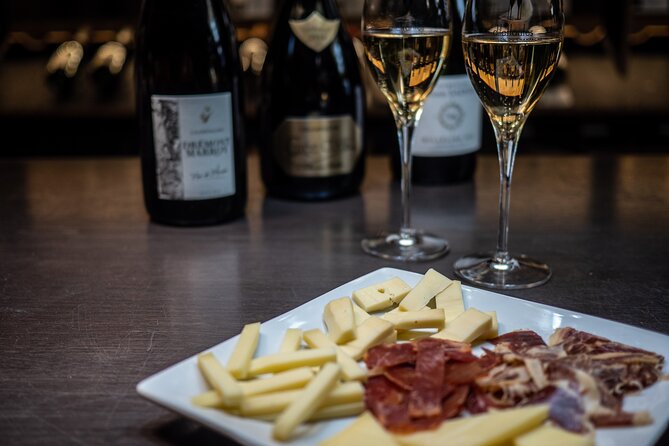
Bubbles taste better underground. In a 17th-century Paris champagne cellar near St Germain, you taste three different champagnes and pair them with French-style snacks, all while learning what makes each bottle different.
I really liked the three small tastings (80 ml each), because it lets you compare styles instead of just drinking one. I also liked the pairing set up, Comté cheese and ham, which makes the flavors easier to understand and remember.
One thing to consider: the “education” portion can be more tasting-led than lecture-led, and the host communication may not be equally strong for every language preference.
In This Review
- Key highlights you should care about
- Inside the 17th-century cellar near St Germain
- How the three-champagne tasting actually works
- Food pairing: Comté, pata negra, and AOP balance
- What you learn about terroir, grapes, and blending
- Show up right: scent rules and pre-taste do’s
- Price and value for $86.82 in Paris
- Buying bottles after the tasting, without overdoing it
- Who this tour suits best (and who should skip it)
- Should you book this Champagne and Terroir experience?
- FAQ
- How long is the champagne tasting?
- How many champagnes will I taste?
- What food is included?
- Where is the meeting point?
- Is there an age limit?
- How large is the group?
- Are there rules for what to do before the tasting?
- Is there a refund if I cancel?
Key highlights you should care about
- Three separate champagne tastings (80 ml each) so you can compare differences without getting overwhelmed
- Comté cheese and ham pairing designed to match the bubbles, not just fill the plate
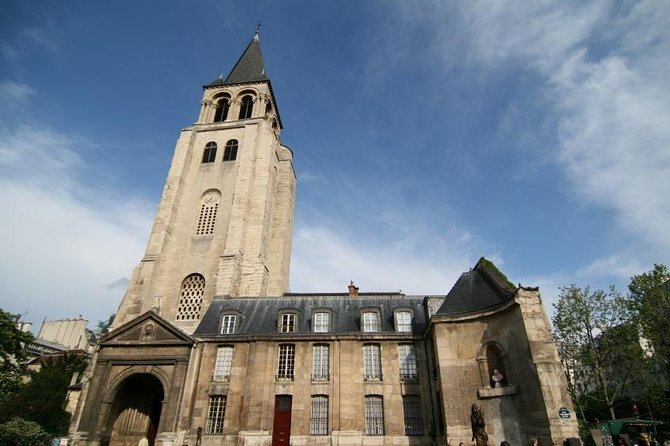
- 17th-century cellar setting in central Paris, the kind of room that makes the whole experience feel special
- Terroir basics, grapes, and blending explained during the tasting, so you taste with context
- Strict scent rules (no perfume, no lipstick, no gum), because smell matters in champagne tasting
More French bottles opened near Paris:
- Paris: Moulin Rouge Cabaret Show Ticket with Champagne
★ 4.7 · 16,088 reviews - Authentic Parisian Gourmet Food Tour with 10 Local Dishes & Wines
★ 5.0 · 4,754 reviews - Loire Valley Castles Day Trip from Paris with Complementary Wine
★ 4.5 · 3,907 reviews - Montmartre Hill French Gourmet Food and Wine Tasting Walking Tour
★ 5.0 · 2,588 reviews
Inside the 17th-century cellar near St Germain
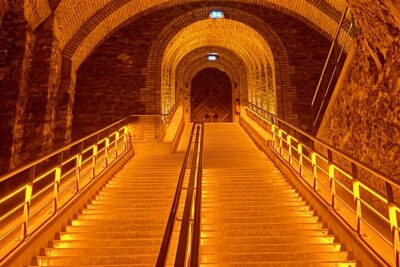
This is the kind of Paris activity that starts setting the mood before you even taste. You meet at 22 Rue de Savoie, 75006, in the St Germain area, and head into a boutique cellar space that feels like it belongs to older Paris. The 17th-century setting matters because champagne is all about aroma. When you’re tasting in a cellar like this, the flavors feel more connected, less like a quick drink stop.
I like that the experience is compact and focused. You’re not bouncing across multiple venues or spending half your time in transit. It’s also a small group setup, with a maximum of 12 travelers, which keeps things conversational rather than factory-structured.
The tour runs about 1 hour 30 minutes, so it fits nicely into a day of museums and walking. No one needs a nap after, unless they skipped breakfast, in which case, please proceed carefully.
How the three-champagne tasting actually works
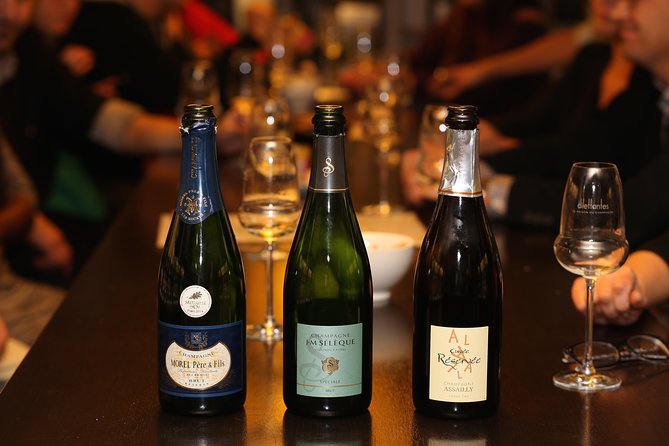
The structure is simple, and that’s a good thing. You’ll taste three distinct champagnes, each with its own moment to compare aroma and flavor. Each pour is a small glass, about 80 ml, so you can pay attention instead of just chasing the next sip.
Expect each tasting to come with guidance on what to look for: the grape types, the blend, and how the wine reflects its terroir. Terroir is a fancy word, but in practical terms it’s the idea that place leaves a fingerprint on the glass. Even when champagnes are all made under the champagne method, differences in grape character and growing conditions can show up in how the wine feels: more crisp and bright, more rounded, more mineral, or more expressive.
Then you’ll pair the champagnes with a plate of artisan foods. This isn’t just “here’s snacks.” The pairing helps you notice what the bubbles do to salty, fatty, and savory flavors, and how the food can soften acidity and bring out fruit or bread-like notes.
One more detail that makes the tasting better: the rules around your mouth and nose. You’ll get the most out of the experience if you follow the prep guidance closely. Champagne is partly a smell game, and the host is trying to keep the room’s aromas clean.
Food pairing: Comté, pata negra, and AOP balance
Your included plate features matured Comté cheese and ham, and you’ll see pata negra mentioned as part of the charcuterie-style offering. That pairing choice is smart because it gives you contrast.
Comté is nutty and savory, not overly sharp. It tends to work well with the way champagne’s carbonation lifts flavors and cleans the palate. Ham adds more salt and richness, which can either amplify the wine’s brightness or smooth out a sharper edge. With three tastings happening in sequence, the food helps you track changes from glass to glass without needing to be a wine critic.
You also get an AOP reference in the description, which is your clue that you’re eating something with identity. AOP is about protected origin, meaning the product is tied to traditional rules and where it comes from. In a tasting like this, it’s a good way to keep the experience from feeling generic.
If you’re picky, here’s what to keep in mind: one part of the experience is French-style cheese and charcuterie, so if you want only very classic French pairings at every bite, you might prefer to manage expectations. Still, the included plate is clearly built to support the champagne tasting rather than distract from it.
What you learn about terroir, grapes, and blending
This is where the tour earns its keep. You’re not just tasting bubbles and leaving. You’re learning the main factors that shape champagne: terroir, the grapes, and the blend.
Terroir in champagne can mean things like the specific growing area and the conditions where grapes ripen. Grapes matter because different varieties bring different flavors, acidity, and texture. Blending matters because champagne producers can balance those elements across lots to create a consistent style or chase a particular character.
I also like that the session encourages questions during the tasting. A small group makes it easier to get answers that fit what you personally notice in your glass, instead of receiving one-size-fits-all information.
That said, be realistic about what this is. Some sessions lean more toward tasting and ambience than long technical instruction. If you’re looking for a heavy, step-by-step deep lecture, you might find the explanation stays relatively light. Still, you’ll walk away with enough language to describe what you liked and why, which is the practical goal.
One review-style note that’s worth your attention: the host’s English can be uneven. If your French is strong, you’ll probably be able to work smoothly either way. If you rely on English, it helps to ask clear questions and give short answers so you can keep the conversation moving.
If this one is booked out, Paris has these too:
- Paris: 1-Hour Seine Cruise departing from the Eiffel Tower★ 4.4 · 77,472 reviews
- Disneyland® Paris 1-Day Ticket★ 4.6 · 49,412 reviews
- Paris: Versailles Palace and Gardens Full Access Ticket★ 4.6 · 41,579 reviews
- Paris: Arc de Triomphe Rooftop Tickets★ 4.6 · 34,264 reviews
Show up right: scent rules and pre-taste do’s
This tour takes aroma seriously, and the instructions are unusually specific. If you want the best tasting, follow them. The host even reserves the right to refuse entry if scent from perfume or similar products disturbs the tasting, and there’s no refund.
Here’s what you should do (and avoid):
- Avoid lipstick
- Skip gum
- Don’t brush your teeth right before coming, because you might feel only acidity and bitterness
- Avoid coffee or other strong flavored drinks beforehand (soft drinks are okay, but keep it mild)
- Do not wear perfume or aftershave
I know, it feels fussy. But champagne tasting is aroma-first, and these rules are trying to protect the smell environment for everyone. If you’ve ever tried tasting wine after eating minty gum or wearing a strong fragrance, you get it fast.
Also arrive about 10 minutes early. That gives you time to settle in before the first glass. In a small cellar, late arrivals can slow the whole group, and you want to start when everything is freshest.
Price and value for $86.82 in Paris
At $86.82 per person for about 1 hour 30 minutes, you’re paying for three things:
1) Three small champagne tastings (80 ml each)
2) An included plate of Comté cheese and ham
3) A guided explanation of champagne basics, including terroir, grapes, and blend
In other words, this is not just a bar stop. You’re getting structured sampling and food pairing in a historic-style cellar setting in central Paris. That can be good value if you like tasting formats where you compare several options with guidance.
It’s also not designed to be a budget mission. If your goal is to drink a single bottle cheaply, you’ll do better elsewhere. But if you want a focused “learn while you taste” experience without planning a thing, this price starts to make sense.
One more value point: you can purchase bottles afterward to take home. If you find a champagne you genuinely like, you might end up buying the exact style you tasted, which is harder to do when you’re guessing in a shop.
Buying bottles after the tasting, without overdoing it
After the tasting, you have the option to buy champagne. It’s a nice touch because it turns the experience into something actionable. Instead of just collecting memories, you can bring a bottle or two back.
My practical advice: don’t buy instantly when you feel dazzled by bubbles. Take a breath, revisit what changed across the three tastings, and decide what you want for your own drinking table. If you liked the style that tasted crisp and bright, look for that bottle. If you liked something more rounded, choose the one that paired smoothly with the cheese and ham.
This is also where a small group format helps. You can usually ask questions about what to buy, and you’re choosing based on an experience you just completed.
Who this tour suits best (and who should skip it)
This works especially well for:
- Couples who want a date activity that feels a bit special and not overly formal
- Champagne lovers who want a tasting with context, not just a refill
- Anyone who likes food and wants the tasting explained through pairing
It might be less ideal if:
- You want long, deep technical wine instruction. The session can feel more tasting-led than lecture-led.
- You need strong Spanish-language support. The description points to tasting rules and guidance, but language availability can vary.
- You’re sensitive to strict behavior rules. The scent and mouth-prep instructions are firm, so you’ll need to follow them closely.
Also, transportation to and from attractions is not included. Since the meeting point is in central Paris and near public transport, that’s usually fine. Just plan your day so you’re not rushing across town right at the start time.
Should you book this Champagne and Terroir experience?
If you want a compact, high-attention tasting in a real Paris cellar, I’d say yes. The combo of three champagnes, an included Comté and ham plate, and an explanation of terroir, grapes, and blend is a strong match for travelers who like to learn by tasting.
Book it if you’re the type who likes comparisons, and you’re willing to follow the scent rules so your nose can do its job. Skip it if you’re chasing a bargain price or you want an extended, very technical wine course.
If you want the safest bet for a smooth experience, come in early, follow the prep guidance, and ask your guide to point out what you should be noticing in the next glass. You’ll get more out of the hour and a half than you would by just sipping and chatting.
FAQ
How long is the champagne tasting?
It runs for about 1 hour 30 minutes.
How many champagnes will I taste?
You’ll taste three small glasses of champagne, each about 80 ml.
What food is included?
You get a plate that includes Comté cheese and ham.
Where is the meeting point?
The meeting point is at 22 Rue de Savoie, 75006 Paris, France.
Is there an age limit?
Yes. The minimum age is 18 years.
How large is the group?
The experience has a maximum of 12 travelers.
Are there rules for what to do before the tasting?
Yes. You’re advised not to wear lipstick, not to have gum, not to brush your teeth right before coming, avoid coffee or other strong flavored drinks beforehand, and do not wear perfume or aftershave.
Is there a refund if I cancel?
No. This experience is non-refundable and cannot be changed for any reason.
Newest write-ups from Paris
Wine Tours, compared.
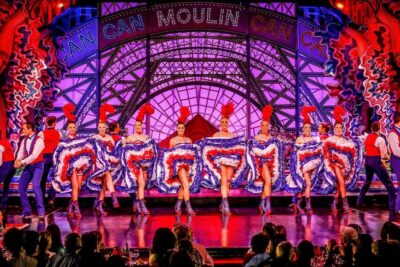
Moulin Rouge Cabaret Show Ticket with Champagne
Read our review →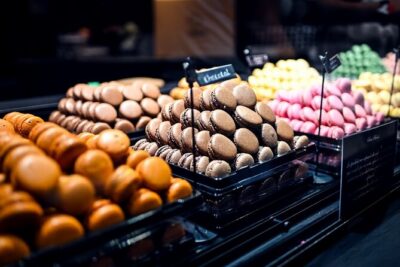
Authentic Parisian Gourmet Food Tour with 10 Local Dishes & Wines
Read our review →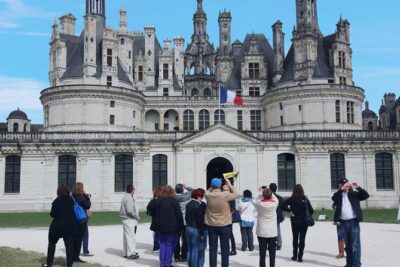
Loire Valley Castles Day Trip from Paris with Complementary Wine
Read our review →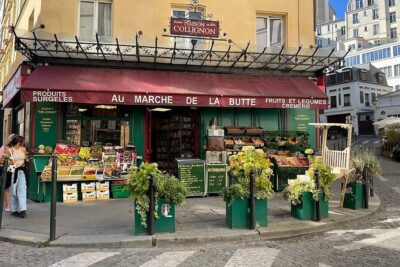
Montmartre Hill French Gourmet Food and Wine Tasting Walking Tour
Read our review →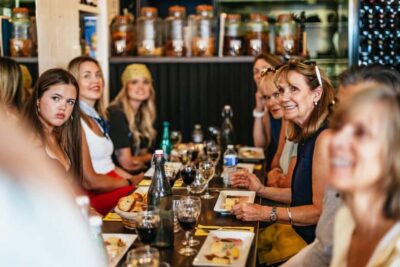
Montmartre Cheese, Wine & Pastry Guided Walking Tour
Read our review →
Paradis Latin Cabaret Show with Optional Champagne
Read our review →
Loire Valley Castles Day Trip With Wine Tasting
Read our review →
Paris 3-Courses Gourmet Dinner Seine River Cruise with Champagne
Read our review →Browse the lists this tour appears in