Reviewed · PARIS
Freemason; myths and revelation of a secret organization
A walk about secret societies in Paris sounds like fiction, but you’ll get a grounded look at how Freemasonry actually formed and spread. I liked that the tour keeps a symbols-first approach, and that it connects the Grande Loge de France to ideas that shaped real debates in France. The main drawback to know in advance is that one guide style can feel a bit evasive at times, so if you want razor-sharp answers nonstop, you may wish you had a slightly more direct pace.
You meet at 3 place Saint-Germain-des-Prés in front of the church entrance, then you cover the Saint Germain and Palais Bourbon districts on foot. It runs 90 minutes and is guided in French only, so plan to follow the narrative and then use your eyes to spot the visible and hidden Masonic traces in the architecture and sculpture around you.
In This Review
- Key highlights at a glance
- Freemasonry in Paris, myths versus what you can actually see
- Why the Grande Loge de France shapes the story
- Meeting at Saint-Germain-des-Prés: where the tour finds its footing
- Saint Germain streets and facades: the symbols you’re meant to notice
- Palais Bourbon district: where influence feels political
- Rituals, hierarchy, and biblical references explained for real people
- Learning how to follow a French-only guided walk
- Price and value for a 90-minute walking tour in central Paris
- Who should book this tour, and who might prefer something else
- Should you book Freemason myths and revelation in Paris?
- FAQ
- Is this tour guided or self-guided?
- How long is the experience?
- What is the price?
- Where do I meet the guide?
- What language is the tour in?
- Do I need to buy tickets for transport?
- What areas will the tour cover?
- Is the tour wheelchair accessible?
- Can I get a refund if plans change?
- Is there an option to reserve without paying right away?
Key highlights at a glance
- Grande Loge de France focus, not just generic Freemasonry
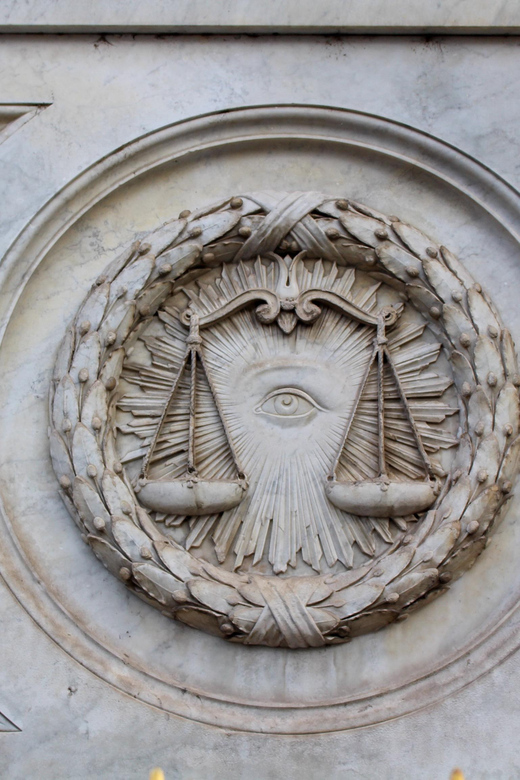
- Symbols in the street, with observation as the main skill
- Two Paris districts: Saint Germain and Palais Bourbon
- Rituals, hierarchy, and influence explained for visitors
- French-only guide, so bring your listening focus
Worth a comparison before you book. Others in Paris covering the same ground:
- Paris: 1-Hour Seine Cruise departing from the Eiffel Tower
★ 4.4 · 77,472 reviews - Disneyland® Paris 1-Day Ticket
★ 4.6 · 49,412 reviews - Paris: Versailles Palace and Gardens Full Access Ticket
★ 4.6 · 41,579 reviews - Paris: Arc de Triomphe Rooftop Tickets
★ 4.6 · 34,264 reviews
Freemasonry in Paris, myths versus what you can actually see
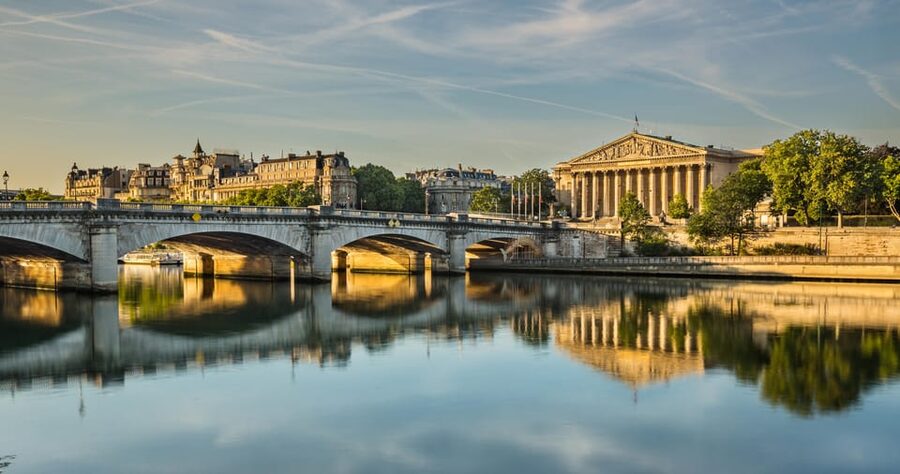
Paris is great at rumors. Freemasonry is a magnet for them, because it blends secrecy, symbolism, and a layered structure. This tour treats that mix with a practical lens: you start with the ideas, but you also look for physical evidence in stone, facade details, and sculpted decor.
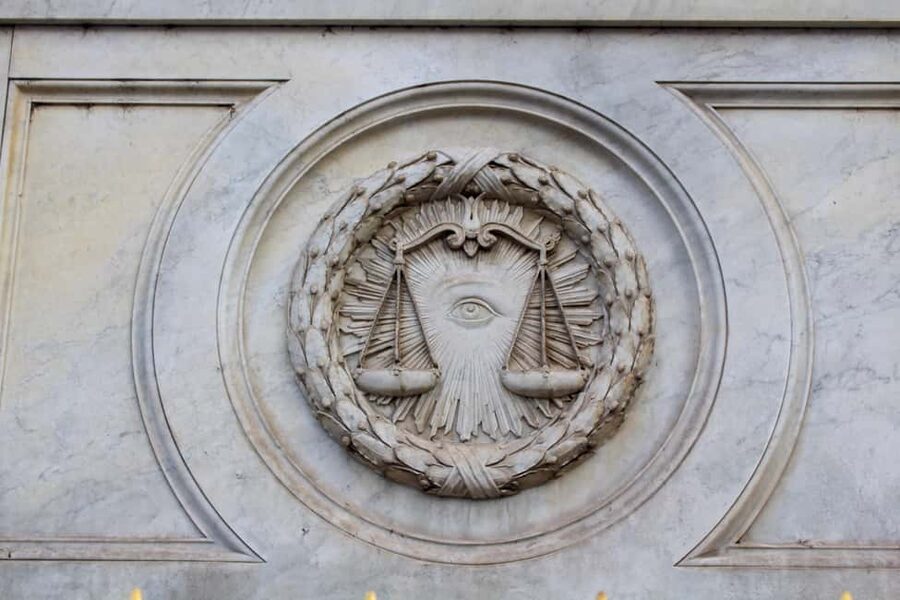
What I like is that you do not just hear a lecture. You’re coached to recognize “traces,” visible or hidden, that embellish the capital. That matters because Freemasonry in France can feel like a fog of myths. Turning it into something you can spot gives your brain a handle to hold.
And yes, expect the topic to be complex. The tour frames Freemasonry as having an arcane hierarchy and a taste for symbolism, with biblical references and rituals that helped build its aura. Even if you’re skeptical, you’ll come away with a better sense of why the myths stuck, and what the organization is actually trying to teach its members.
Why the Grande Loge de France shapes the story
The tour is specifically centered on the Grande Loge de France, which is a smart choice if you want more than a vague “secret society” overview. It lets you anchor the story in a real organizational history, rather than treating Freemasonry like a single timeless thing.
You also get the broader European context, because Freemasonry began in Great Britain in the early 1700s and then spread through Europe. The tour ties that expansion to the Enlightenment mindset: reason, debate, and the bigger social conversation of the time. That connection is useful for you, because it explains why Freemasonry could attract influential people and why it could leave marks on French cultural and political life.
One detail that helps the whole theme feel less like a spooky movie is the way the tour addresses mechanisms such as system of co-option and the organization of rites and teaching. When you understand the “how,” the mystery becomes more about structures and language than magic.
Meeting at Saint-Germain-des-Prés: where the tour finds its footing
You start in a classic Paris spot for walking: Saint-Germain-des-Prés, at 3 place Saint-Germain-des-Prés, in front of the church entrance. This is a good meeting point because it’s easy to recognize and you’re in an area that already feels like it has layers of meaning.
From the start, the tour sets the tone: this is about secular history and the leading figures of the order, but it’s also about learning how to see. You’re asked to treat the built environment like a text, not just scenery.
What you should know before you go is that the guidance is French only. If your French is solid, you’ll be fine. If it’s basic, still go, because a symbol-focused walk helps you follow visually even when you miss a word. But you do have to listen. This isn’t a “wander and figure it out” experience.
Saint Germain streets and facades: the symbols you’re meant to notice
The heart of your first stretch is the Saint Germain district. Here, the tour’s “symbols will hold the place of honour” idea becomes real. You’re walking where you can plausibly spot decorative references, sculpted flourishes, and architectural features that can be interpreted as Masonic traces.
The tour does not ask you to memorize a secret code on day one. Instead, it trains your attention. That’s valuable, because a lot of Freemasonry symbolism is subtle. If you only look for obvious iconography, you’ll miss the point. The guide pushes you to observe both visible and hidden traces, which is where the myths and revelation theme becomes more than marketing.
In Saint Germain, your job is to slow down. Watch the way motifs repeat. Notice how decorative elements are placed on facades and sculptures. Even when you cannot confidently label a symbol, you’ll start to understand how symbolic systems work, including the idea that rituals and teaching use reference points that members recognize.
This is also where the tour’s explanation of influence makes sense. Freemasonry is described as having played a role in major historical and social phenomena in France since the Enlightenment. When you see the attention paid to symbols in public-facing spaces, you get a sense of why ideas could travel.
If this one is booked out, Paris has these too:
- Paris: Orsay Museum Entry Ticket★ 4.7 · 25,647 reviews
- Paris: Evening River Cruise with Music★ 4.4 · 22,721 reviews
- Paris: Eiffel Tower Entry Ticket with Optional Summit Access★ 4.4 · 20,035 reviews
- Eiffel Tower Dedicated Reserved Access Summit or 2nd Floor★ 4.3 · 18,352 reviews
Palais Bourbon district: where influence feels political
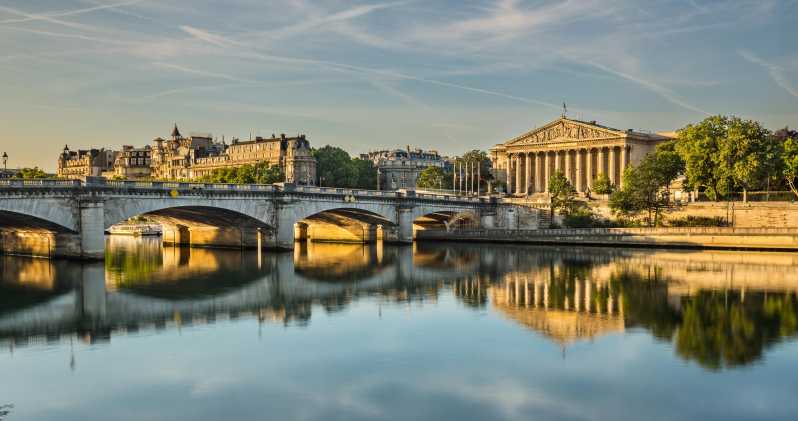
Next comes the walk into the Palais Bourbon area. The name alone anchors the theme. Palais Bourbon is strongly associated with French civic life, so it’s a natural match for a tour that wants to connect Freemasonry to politics and public debate.
Here, you’re not just learning dates. You’re learning how Freemasonry’s philosophy could intersect with society. The tour frames Freemasonry as accompanying democratic debate and the philosophy of reason during the Enlightenment era. It also notes that many influential public figures were associated with the order and contributed to transformations in areas ranging from politics to the arts.
Even if you know little about Freemasonry, this portion can help you connect dots. Symbols do not float in a vacuum. They live in culture, and culture has consequences. When the guide links organizational concepts like hierarchy and teaching to influence, you start to see why the topic is often discussed in French history conversations.
Keep your eyes open even when the guide is talking. The tour’s premise is that you can recognize traces of Masonry in Paris. That means you’re always scanning. If you only half-listen, you’ll miss both the context and the visual cues that give the walk its meaning.
Rituals, hierarchy, and biblical references explained for real people
If you’ve heard Freemasonry described as purely secret and theatrical, this tour will ground you. It treats the organization as complex, structured, and shaped by specific principles established by English founders. It also explains why the system can sound arcane: hierarchy, rituals, and teaching methods rely on symbolism.
The tour explicitly mentions biblical references, and that’s important. It’s a big reason the subject feels both familiar and strange at once. You see how moral language, religious-era imagery, and coded instruction can all combine into a shared framework for members.
For you, the practical value is that this kind of explanation helps you evaluate claims you might hear later. If you know the basic structure and the role of symbolic teaching, you can sort myth from explanation faster. You’re not just consuming intrigue. You’re building a mental toolkit.
Learning how to follow a French-only guided walk
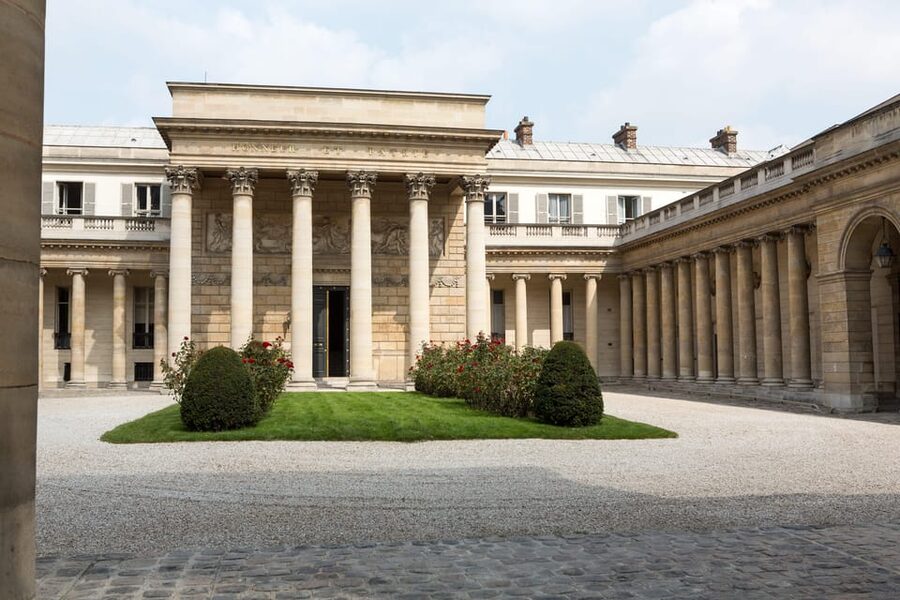
This tour is guided in French only, and that affects everything about your experience. The good news is that the topic is visual as well as verbal. The tour relies on observation, facades, sculptures, and symbolic cues. So even if your French is not perfect, you can still participate.
The mixed note you should keep in mind is about delivery style. One recent comment described the guide as a bit evasive at times. The other high ratings described the guide as passionate, pedagogical, and attentive. Put those together and you get a fair expectation: the best version of this tour is when the guide slows down enough for you to connect explanation to what you’re seeing.
My advice is simple: arrive with a small goal. For example, decide you’ll identify at least two symbolic features you can describe, even if you cannot perfectly name them. That makes the French language barrier less frustrating, because you’re working on what you can observe.
Price and value for a 90-minute walking tour in central Paris
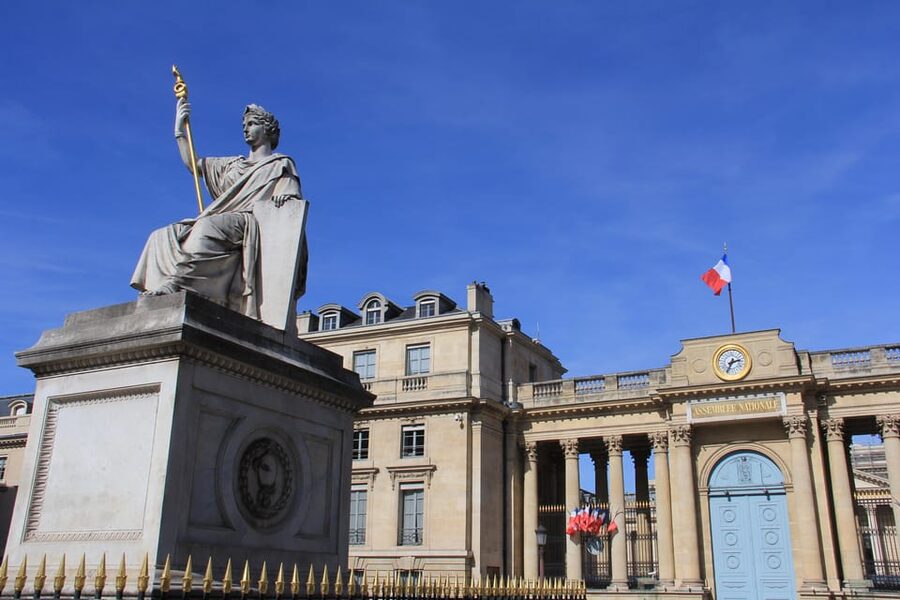
At $17 per person for a 90-minute guided walking experience, this is priced like a focused, local add-on to your Paris day rather than a big museum ticket. For the money, you’re paying for three things: a guide, a structured route, and interpretation of what you see.
The value depends on your interests. If you love architecture and symbolism, you’ll likely feel it was worth it because the tour trains your eyes and gives you a framework for reading facades and sculptures. If you want a full documentary level explanation of every detail, you may wish there were more time. But for 90 minutes, the format seems aimed at giving you enough context to make the topic make sense.
Also, you’re not dealing with transport. You simply show up at the meeting point and walk. That reduces friction, and friction is the enemy of good travel days.
Who should book this tour, and who might prefer something else
Book it if:
- You like history that connects ideas to the real city around you.
- You’re curious about how symbolic systems influence culture.
- You want a walking experience in two central areas: Saint Germain and Palais Bourbon.
- You’re comfortable with French guided content, or you’re willing to rely on visual clues.
Consider something else if:
- You only want fast, straightforward answers. The nature of the subject includes ambiguity, interpretation, and layered explanations.
- You dislike religious or biblical reference themes in historical contexts.
- You need English-only guidance. This one is French only.
This tour also suits solo travelers who enjoy wandering with a plan. It’s not a hands-on workshop, but it does ask you to actively look.
Should you book Freemason myths and revelation in Paris?
I’d say yes if you’re the type of traveler who enjoys reading the city. The best payoff here is learning to recognize Masonic symbols, visible or hidden, as you walk through Saint Germain and the Palais Bourbon district. The tour’s focus on the Grande Loge de France and on how the organization works gives the myths more structure than you’d get from a casual story.
Skip it if your French is weak and you expect the guide to translate frequently, because there’s no indication that the tour supports languages beyond French. Also, if you need a hyper-direct Q and A style, be aware that at least one guide delivery note described the guide as somewhat evasive.
If you go in with patience and an observation mindset, you’ll leave with a different relationship to Paris details. You’ll notice symbols as part of the city’s conversation, not just decoration.
FAQ
Is this tour guided or self-guided?
It’s a walking tour with a live guide.
How long is the experience?
The tour lasts about 90 minutes.
What is the price?
The price is $17 per person.
Where do I meet the guide?
Meet at 3 place Saint-Germain-des-Prés, 75006 Paris, in front of the entrance to Saint-Germain-des-Prés Church.
What language is the tour in?
The guided tour is in French only.
Do I need to buy tickets for transport?
No transfer is included, so you handle getting yourself to the meeting point.
What areas will the tour cover?
You’ll walk in and around the Saint Germain and Palais Bourbon districts, focusing on places where you might spot Masonic traces.
Is the tour wheelchair accessible?
Yes, it is listed as wheelchair accessible.
Can I get a refund if plans change?
You can cancel up to 24 hours in advance for a full refund.
Is there an option to reserve without paying right away?
Yes, there is a reserve now, pay later option, meaning you pay nothing today.