
Reviewed · WINE TOURS
Grands Crus Wine tasting
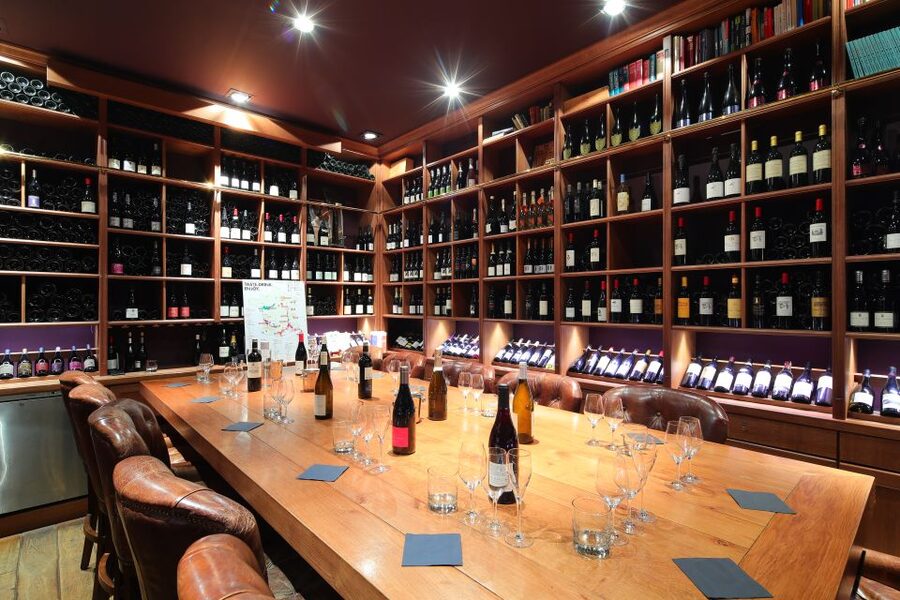
A great wine lesson can start in a quiet room. This Grands Crus tasting is a focused, two-hour session in a Paris wine library that pairs education with serious sipping. You’ll taste six wines from six different French regions, and you won’t need to be a certified expert to get value out of it.
I especially like how the session is guided by an English-speaking sommelier, with themes that make French wine names feel practical instead of intimidating. In the same sitting, you’ll learn how terroir and production choices shape flavors, then put it into context with a wine hierarchy you can actually use when you shop.
One heads-up: this experience is not suitable for pregnant women, and pets aren’t allowed, so check that before you book.
In This Review
- Key moments you should care about
- Where the tasting happens, and why the setting matters
- Six French regions in two hours, without the confusion
- Your sommelier is the real curriculum
- The wines you’ll taste, and what to listen for
- Why the hierarchy lesson helps you buy better
- The tasting room pairing: tapas that support the wine
- What you learn beyond the glass
- Price and value: $199 for six wines plus guidance
- Who this experience fits best
- What to do before you go, so you get more out of it
- Should you book this Grands Crus tasting?
- FAQ
- What time does the wine tasting start?
- How long is the Grands Crus wine tasting?
- How many wines will I taste?
- Is the experience taught in English?
- What is included in the price?
- Is it suitable for everyone?
Key moments you should care about
- Wine library setting that keeps the vibe calm and focused while you taste
- Six wines, six regions, including big-name styles like Grand Cru Champagne, Chablis Grand Cru, and Alsace Grand Cru
- Sommelier guidance tailored to your interests, so the lesson meets you where you are
- Wine cheat sheet plus a list of the wines tasted, so you can remember what you liked
- Chef-made tapas, including bread, cheese, and foie gras, to support the tasting
More French bottles opened near Paris:
- Paris: Moulin Rouge Cabaret Show Ticket with Champagne
★ 4.7 · 16,088 reviews - Authentic Parisian Gourmet Food Tour with 10 Local Dishes & Wines
★ 5.0 · 4,754 reviews - Loire Valley Castles Day Trip from Paris with Complementary Wine
★ 4.5 · 3,907 reviews - Montmartre Hill French Gourmet Food and Wine Tasting Walking Tour
★ 5.0 · 2,588 reviews
Where the tasting happens, and why the setting matters
This tasting experience meets at O Chateau, at 68, rue Jean-Jacques Rousseau, about 15 minutes from the Louvre area. You can reach it via Louvre Rivoli (Metro line 1) or Étienne Marcel (Metro line 4). The session starts at 17:30, and it runs for two hours.
Why do I care about the time and the room? First, a late-afternoon start means you’re tasting at a good “end of the day” pace, not in a frantic lunch rush. Second, the wine library atmosphere changes how you experience the flight. It’s calmer than a bar table. That matters because you’re not just drinking, you’re listening, smelling, comparing, and trying to connect flavors to geography.
Six French regions in two hours, without the confusion
The whole format is built around one simple idea: tasting helps you learn faster than reading menus. You begin in the tasting room and sample six wines from six varied regions in France. The selection is designed to show differences in style and quality, including older vintages and categories like grands crus, premiers crus, and grands crus classés.
Here’s what that means for you. Many first-time wine travelers get stuck on a single question, like Should I buy red or white? This tasting trains a better question: What style do I prefer, and what makes that style from that region? The sommelier walks you through that logic while you taste, so you can start recognizing patterns, not just liking whatever tastes good in the glass.
The session is also described as tailored. That’s important because French wine can spiral into details fast. You’ll be guided through themes, but your sommelier should shape it around what you want to learn, whether that’s how to order confidently, how terroir changes flavor, or how the French ranking system works.
Your sommelier is the real curriculum
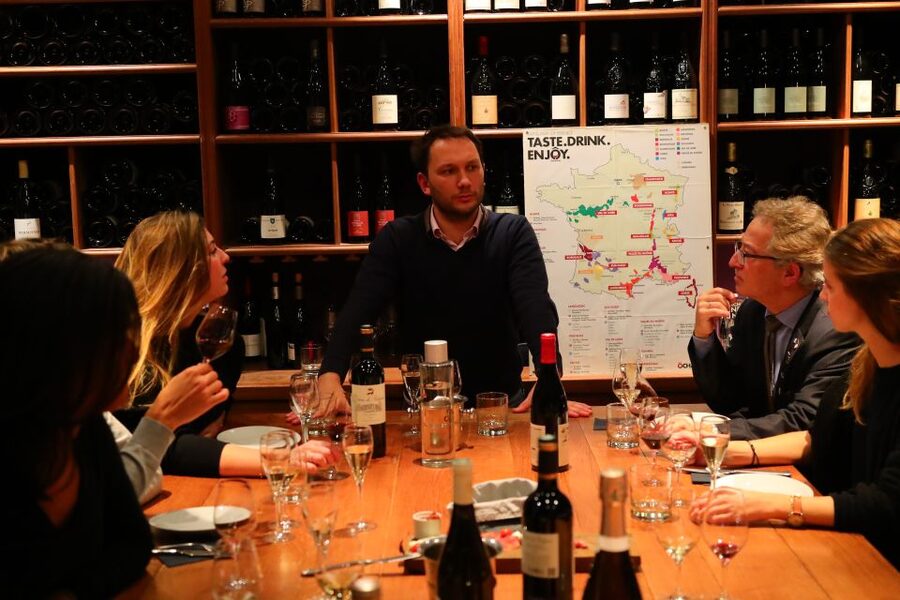
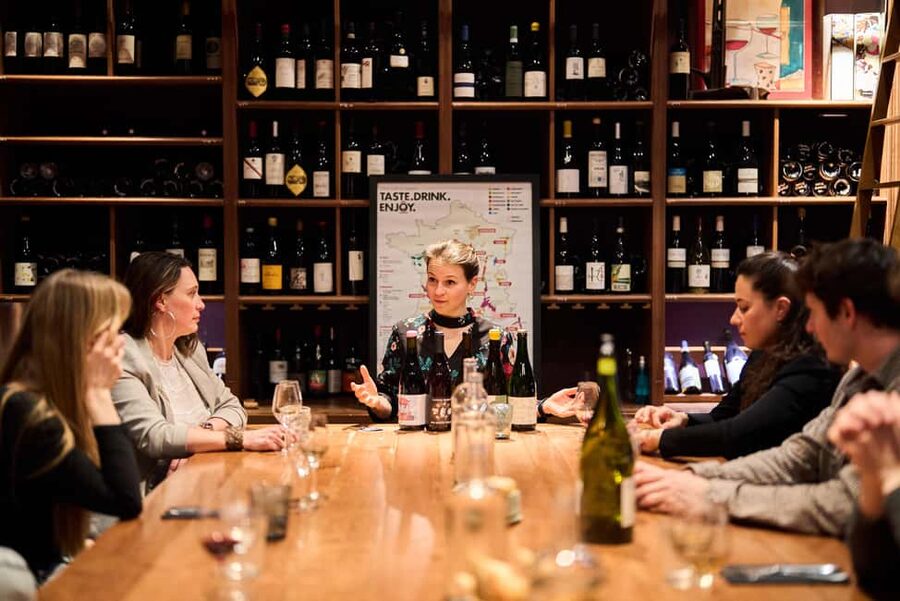
The standout feature here is not only that you taste six wines. It’s that you get an English speaking sommelier who teaches while you drink. From the reviews, I’m seeing names like Jasmina and Charlotte credited for bringing the regions to life and keeping the conversation practical.
So what do you actually do with the sommelier besides tasting? You work through a guided set of themes, including:
- the main French wine regions
- what it takes to make a top-tier wine
- how French terroirs show up in the glass
- the hierarchy of French wines, in a way you can remember
- advice on names to look for when you pick a bottle
That last point is huge for value. A tasting is nice, but a good tasting gives you purchase power. By the end, you should feel more comfortable scanning labels and understanding what those terms usually signal.
The wines you’ll taste, and what to listen for
You can expect a flight that moves across categories and regions, not just “six reds.” One review specifically described a lineup including:
- Champagne Grand Cru
- Chablis Grand Cru
- two Bordeaux Grand Cru pours
- Châteauneuf-du-Pape
- a white Alsace Grand Cru
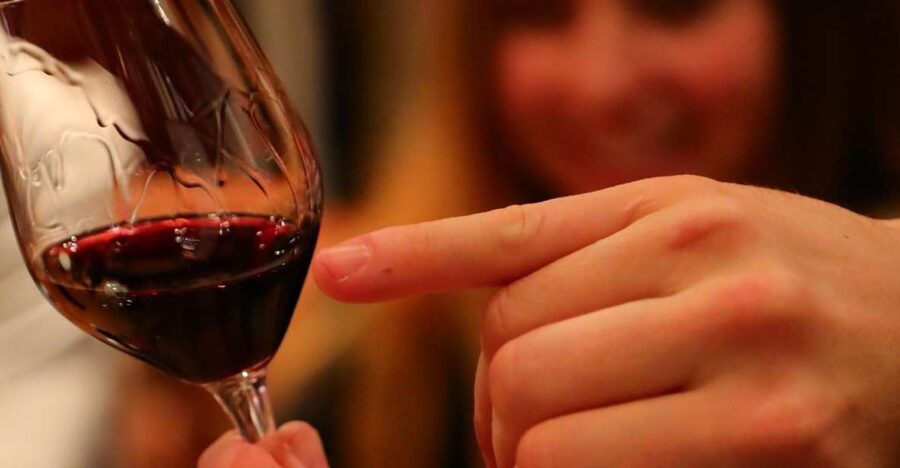
That range is clever. It forces your palate to adjust, then compare. Champagne teaches you about structure and brightness. Chablis (often crisp, sometimes with subtle mineral notes) helps you understand how climate and limestone style can show up even when the grape is familiar. Bordeaux and Châteauneuf-du-Pape add depth and complexity, with different approaches to richness and spice.
Another review points to an unforgettable moment: tasting a 1991 Château d’Yquem. That’s exactly the kind of “wow” detail that makes a structured tasting feel special. Even if you don’t know how to pronounce every chateau name, you’ll learn what to pay attention to in flavor and style when a classic older vintage hits the glass.
Because the exact list can vary, the included list of the wines tasted becomes your anchor. Take it seriously. If you like something, write down what you noticed first, sweetness level, acidity, texture, oak feel, fruit character. That cheat sheet helps you connect the memory to the bottle, later.
Other Paris counters and cellars worth an hour:
- Paris: Seine Cruise & Crepe Tasting near the Eiffel Tower★ 4.4 · 11,231 reviews
- Normandy D-Day Small-Group Day Trip with Omaha Beach, Cemetery & Cider Tasting★ 5.0 · 2,786 reviews
- Paris: Illuminated Evening River Cruise & Waffle Tasting★ 4.1 · 2,697 reviews
- Devour Paris Ultimate Food Tour★ 5.0 · 2,087 reviews
Why the hierarchy lesson helps you buy better
French wine labels can feel like code. Terms like grands crus, premiers crus, and grands crus classés are meant to signal quality and production standards, but they don’t automatically tell you what you’ll taste.
In this class, the hierarchy lesson is paired with actual tasting. Your sommelier explains how the ranking system fits together and then helps you link those names to what you like. That’s the difference between drinking for fun and drinking with direction.
Practical example of what you can do after the lesson:
- If a grand cru style impressed you for balance, you’ll know to look for similar quality markers in other regions.
- If you liked the structure of a white grand cru, you can use the ranking terms to narrow your choices when you shop.
- If a red from a major southern region stood out, you’ll start recognizing what those regions tend to do with flavor and mouthfeel.
You’re not memorizing trivia for trivia’s sake. You’re learning a way to make decisions.
The tasting room pairing: tapas that support the wine
This experience is not only about wine in a vacuum. You’ll also have high-quality tapas prepared by the chef.
One review described the tasting with bread, cheese, and foie gras. That kind of pairing is smart because it gives your palate texture and saltiness, two things that can make wine flavors read more clearly. Foie gras, in particular, tends to make rich wines feel more harmonious and can highlight differences in sweetness, acidity, and finish.
A simple tip: don’t rush to eat everything at once. If you’re learning, pace yourself. Take a bite, then taste, then reset. You’ll pick up how each wine shifts on your palate with each food element. This is especially helpful in a flight where you go from bright whites to fuller reds.
What you learn beyond the glass
In two hours, the goal is not to turn you into a professional critic. It’s to make French wine feel usable.
Based on what the sommelier covers, you’ll come away with practical understanding of:
- how main regions vary in climate and style
- how production choices can change texture and aroma
- why terroir matters when you’re trying to predict what a wine will taste like
- how to recognize category terms on labels without panic
And because the course is tailored, you’re not locked into a generic script. If you’re there because you want help choosing wine at restaurants in Paris, tell your sommelier that and you should get tips aimed at ordering. If you’re curious about how classics age, the inclusion of older vintages makes that conversation easier.
Price and value: $199 for six wines plus guidance
Let’s talk money plainly. $199 per person is not a bargain for Paris. But it can be good value because the price covers multiple real components:
- six wines poured in a structured flight
- an English speaking sommelier who teaches, not just pours
- tapas prepared by a chef
- a wine cheat sheet and a list of the wines tasted
When a tasting is just “drink and leave,” it’s easier to feel like the cost is mostly for the glasses. Here, the value is the learning structure, plus the tasting list and takeaway tools. The cheat sheet helps you remember. The hierarchy lesson helps you use what you learned. The tapas help your palate understand the wine rather than just experiencing it.
If you’re a casual drinker and you only want one or two tastes, this may feel like a lot. If you love wine and want a focused way to learn with a guide, it’s a solid option.
Who this experience fits best
This is best for you if:
- you love wine and want to understand what makes French wine different
- you want to taste across regions, not just repeat one style
- you like guided learning and want practical advice for ordering and buying
It also fits well even if you’re not an expert. The point here is that you don’t need to know the jargon before you arrive. The lesson is designed to build your understanding while you taste.
It’s not a fit if:
- you’re pregnant (the experience states it’s not suitable)
- you’re traveling with a pet (pets are not allowed)
What to do before you go, so you get more out of it
You’ll get the most if you arrive ready to pay attention. That sounds obvious, but it’s the difference between enjoying the taste and actually learning from it.
A few practical moves:
- Bring your curiosity: pick one thing you want to learn, like how to choose a bottle by label terms or how whites differ by region.
- Eat lightly before you go. You’ll have tapas, but you’ll still taste better if you’re not overly full.
- Use the cheat sheet during the flight. Jot a quick note after each pour, even one line. Your future self will thank you when you shop later.
Should you book this Grands Crus tasting?
I’d recommend booking if you want a structured, high-quality intro to French wine that goes beyond surface-level sipping. You’ll taste a serious spread of styles, including impressive Grand Cru categories, and you’ll leave with a cheat sheet that makes your next restaurant order easier.
Skip it only if you’re not comfortable with a guided, educational format or if the constraints matter for your situation, like pregnancy or traveling with a pet.
If you want to enjoy Paris wine without getting lost in jargon, this two-hour wine library experience is a strong bet.
FAQ
What time does the wine tasting start?
The tasting begins at 17:30.
How long is the Grands Crus wine tasting?
The duration is 2 hours.
How many wines will I taste?
You will taste six French wines from six different regions.
Is the experience taught in English?
Yes, the sommelier and tour are English-speaking.
What is included in the price?
It includes an English-speaking sommelier, a fun and informative presentation, six wines, a list of the wines tasted, a wine cheat sheet, and high-quality tapas prepared by a chef.
Is it suitable for everyone?
Pets are not allowed, and it is not suitable for pregnant women.
Newest write-ups from Paris
Wine Tours, compared.
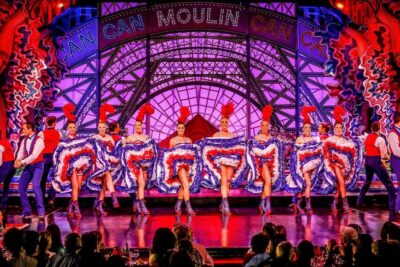
Moulin Rouge Cabaret Show Ticket with Champagne
Read our review →
Authentic Parisian Gourmet Food Tour with 10 Local Dishes & Wines
Read our review →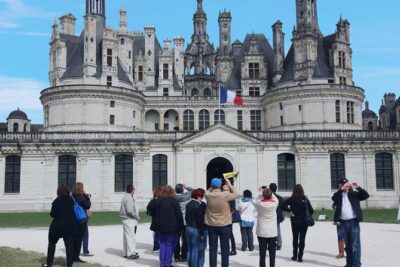
Loire Valley Castles Day Trip from Paris with Complementary Wine
Read our review →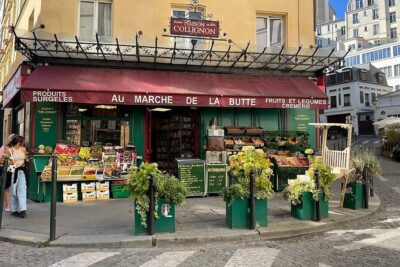
Montmartre Hill French Gourmet Food and Wine Tasting Walking Tour
Read our review →
Montmartre Cheese, Wine & Pastry Guided Walking Tour
Read our review →
Paradis Latin Cabaret Show with Optional Champagne
Read our review →
Loire Valley Castles Day Trip With Wine Tasting
Read our review →
Paris 3-Courses Gourmet Dinner Seine River Cruise with Champagne
Read our review →Browse the lists this tour appears in