
Reviewed · LES INVALIDES AND NAPOLEON TOURS
Invalides Dome Napoleon’s Tomb – Guided Tour up to 8 guests
War history can be oddly personal. At the Invalides War Museum, you get it mapped out by an expert guide and brought to life with objects you can actually see up close.
I especially like the way the tour connects big causes to big consequences, starting with the Franco-Prussian War era and then stepping forward to the assassination that triggered World War I. I also love the practical focus on artifacts, including uniforms, weapons, and even original footage about wartime atrocities.
One thing to consider first: this is a walking tour with moderate walking, and the activity is listed as not suitable for wheelchair users (wheelchair help is only noted as possible on request). If mobility is an issue, you will want to check details before you book.
In This Review
- Key Highlights You Should Know Before You Go
- Invalides Dome and the War Museum, why it works so well
- Your 2-hour flow, from Bismarck to Versailles and beyond
- World War I rooms, weapons and uniforms that tell the story fast
- Treaty of Versailles and the armistice train car moment
- World War II setup, Hitler’s rise and French turning points
- Normandy, Liberation of Paris, and why preserving the city matters
- Guides, language choices, and why small-group tours pay off
- Price and value, what $156 buys you in practice
- Timing, logistics, and smart ways to prepare
- Who should book this tour, and who should skip it
- Should you book the Invalides guided tour?
- FAQ
- How long is the guided tour?
- How many guests are allowed per guide?
- Do I get skip-the-line access?
- What languages are available for the live guide?
- What should I bring with me?
- Is luggage or a large bag allowed?
- Is the tour suitable for wheelchair users or mobility impairments?
Key Highlights You Should Know Before You Go
- Small group size (up to 8 guests per guide), so your questions actually get time
- Skip-the-line entrance plus included museum access, so you spend more time inside
- World War I objects plus World War II leaders and events, not just one period
- Battle-focused moments like the Battle of the Marne and its famous taxi connection
- Treaty of Versailles and the armistice train car, a strong end point for WWI
- Multilingual guides (French, Italian, English, Russian, German, Spanish) to match your comfort level
More time at Les Invalides:
- Les Invalides: Napoleon’s Tomb & Army Museum Entry
★ 4.6 · 9,185 reviews - Paris: Aura Invalides Immersive Experience Entry Ticket
★ 4.7 · 3,360 reviews - Paris Entrance Ticket to the Aura Invalides Immersive Show
★ 4.0 · 174 reviews - Skip-the-line Invalides Dome Louis XIV & Napoleon Tour – Exclusive Guided Tour
★ 5.0 · 70 reviews
Invalides Dome and the War Museum, why it works so well
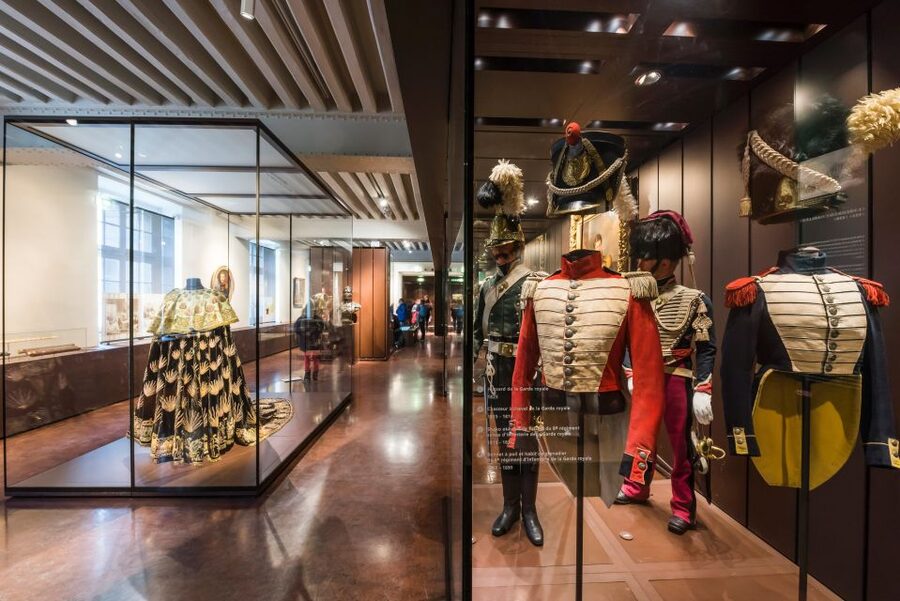
Invalides is one of those Paris stops that can feel grand from the outside and surprisingly grounded once you’re inside. The War Museum sits in a place that already carries weight, and the guide helps you use that setting instead of just drifting through rooms.
What makes this tour work is the structure. You move through the story of Europe in a cause-and-effect way, not as a random pile of dates. The guide keeps linking the political decisions to what soldiers actually carried, wore, and filmed during the wars.
You also get an “objects-first” approach. That matters. A uniform or weapon is easier to understand than a page of text, especially when your guide explains what you are seeing and why it mattered.
Your 2-hour flow, from Bismarck to Versailles and beyond
This is a 2-hour guided tour with skip-the-line access. You’ll be walking through museum spaces in a planned path, so it feels like a story with checkpoints instead of a self-guided wander.
The early part sets the stage in the 19th century. You start with the roots that helped lead to one of the bloodiest wars in modern Europe, with specific attention to political personalities like Bismarck during the Franco-Prussian War. If you’ve ever felt lost when World War I is described as one big event, this part is designed to make the timeline click.
Then the tour builds toward the spark for World War I, including the assassination of Franz Ferdinand. Your guide ties the moment to the wider chain of events, so you’re not just memorizing headlines. You get the sense of how quickly the situation hardened.
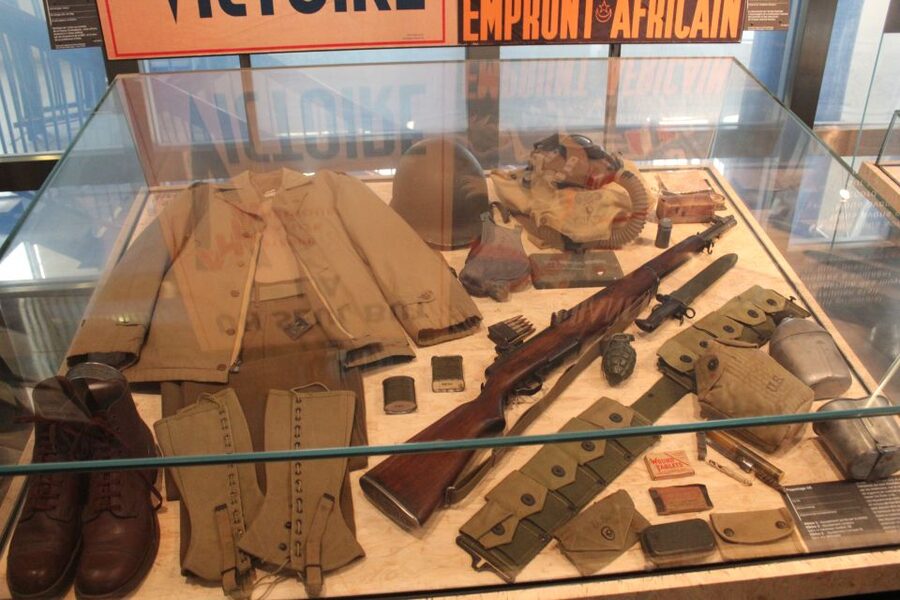
After that, the tour spends real time in World War I material. Expect to see equipment, uniforms, weapons, and other artifacts tied to battles and campaigns. The guide also helps you connect those items to key turning points, including the Battle of the Marne.
Finally, the World War I portion lands with the Treaty of Versailles and the train car where the armistice was signed. That ending gives you a clear “this is where the first chapter closes” moment before World War II begins to take shape.
World War I rooms, weapons and uniforms that tell the story fast
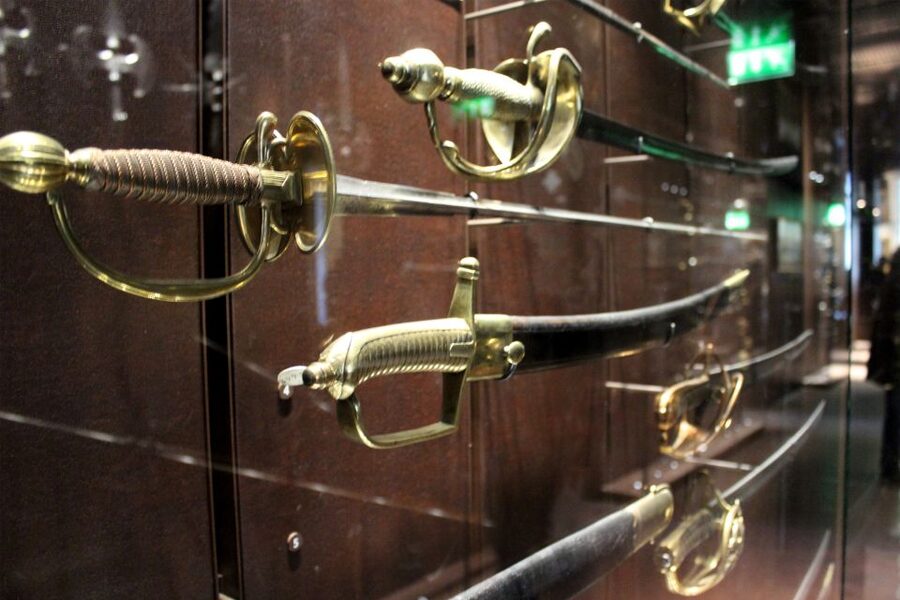
In most museums, military objects risk feeling like they’re just there to look tough. Here, you get the opposite feeling. The guide frames each object as a piece of how the war was fought and how leaders talked about victory.
You will see artifacts connected to the many battles of World War I, including items that represent how soldiers lived, moved, and battled. The tour also includes original footage that helps explain the atrocities of the conflict. That is heavy material, but it’s part of what makes the museum meaningful, and the guide’s pacing helps you stay grounded rather than overwhelmed.
One standout moment is the Battle of the Marne connection. You get to see an iconic taxi tied to the events around the battle. It’s the kind of detail that makes you look up from the usual “guns and uniforms” view and remember that mobilization depended on real-world logistics.
The guide is also focused on leadership and decisions, not just the battlefield. You’ll hear stories about famous men and how their choices shaped what happened next. That includes how World War I ended, which matters because the tour does not treat the treaty like an administrative footnote.
Treaty of Versailles and the armistice train car moment

The Treaty of Versailles section is where the tour often feels like it locks into place. World War I does not end with a single handshake in real life, and your guide shows how the terms mattered for what followed.
You will see the train car where the armistice was signed. Even if you already know the basics, seeing this object as a physical place helps you understand why historians focus on symbolism. It is not just the fact of an agreement, it is the setting and the message.
This part also acts like a bridge. The guide helps you move from the end of the first war into why the second one became possible. That transition can be the hardest step for visitors who only know World War II as a standalone story.
In other words, the tour gives you the missing link. You leave with more than a list of events, you leave with a sense of how one collapse sets up another.
A handful more Paris options to weigh up
- Paris: Louvre Guided Tour with Reserved Access & Boat Cruise★ 4.3 · 16,353 reviews
- Louvre Museum Masterpieces Guided Tour with Access★ 4.5 · 12,023 reviews
- Louvre Museum – Exclusive Guided Tour (Entry Included)★ 5.0 · 6,296 reviews
- Versailles: Skip-the-Line Guided Palace Tour and Full Access★ 4.6 · 5,214 reviews
World War II setup, Hitler’s rise and French turning points
After the armistice, the tour pivots to World War II. The guide explains how the threat of Adolf Hitler became reality, connecting the political environment after World War I to the conditions that allowed those developments.
Then you move through major events tied to France and the Western front. You’ll hear about the Ligne Maginot, Dunkerque, and the Occupation of Paris. The guide uses these to show how quickly the situation changed and how decisions were felt on the ground.
You will also hear about prominent French leaders such as Pétain and De Gaulle. That’s useful because these names can float around in summaries, but here they get placed in context. The guide helps you understand why these figures mattered and how the war shaped their roles.
Another strong element is the way the tour connects the museum objects to the broader narrative. You are not just listening to history. You are constantly looking at artifacts collected from battlefields and using them as evidence for what the guide is explaining.
Normandy, Liberation of Paris, and why preserving the city matters

The last stretch shifts toward the end of World War II. You’ll get stories behind Normandy and the Liberation of Paris, and the guide ties those chapters to what came after.
One of the most useful takeaways is the idea that preservation is not passive. The city you walk through now, its memory made physical, is connected to how people chose to keep places and stories alive after the violence. The guide points to that “why it still matters” theme without turning it into a lecture.
If you are visiting Paris for museums and you want history to feel connected to your walk outside later, this ending helps. It gives you a reason to look at the city as a living archive rather than a backdrop.
Guides, language choices, and why small-group tours pay off
This tour is built for small groups, with a maximum of 8 guests per guide. That alone can change your experience. You get time for questions, and the guide can adjust explanations when something is unclear.
The guides also seem to bring different styles. For example, Anatole is described as humorous and willing to take time with questions. Florent is praised for being passionate and well educated, and Fred is noted as awesome for families. In short, the best moments often come when the guide knows how to pace the room and make facts land.
Choose your language carefully if history is your main goal. One review mentioned trouble understanding everything, likely from a language barrier. You can select among French, Italian, English, Russian, German, and Spanish, so pick the one that lets you follow the thread without translating in your head the whole time.
Also note that some rooms have rules about quiet or restricted speaking. This is not a “chat with your guide” tour in every space, but it is a guided experience where your attention stays on the museum.
Price and value, what $156 buys you in practice
At $156 per person for a 2-hour guided tour, you are paying for three big things: an expert guide, skip-the-line access, and entry to the museum spaces tied to the story.
Is it “cheap”? No. But it is not priced like an ultra-short add-on either. For most people, the value comes from time saved at the door and the fact that the guide turns artifacts into meaning.
If you are the type who likes to read a lot while you travel, you might be tempted to self-guide. Still, World War I and World War II are complicated, and Invalides is full of objects that can feel disconnected without context. Paying for the narrative saves you from turning the museum into a guessing game.
Small group size matters here, too. A tour for 8 guests per guide tends to feel more personal than a huge crowd session. That matters when you want to understand what you are looking at, not just walk past it.
Timing, logistics, and smart ways to prepare

This tour uses a meeting point that can vary depending on the option booked, and there is no hotel pick-up or drop-off. You’ll be responsible for getting yourself there on time, and that is part of the usual Paris museum rhythm.
Plan for the “no large bags” rule. Luggage or large bags are not allowed, and the tour also advises bringing your passport or ID card and cash. If you’re traveling light, great. If you’re used to bringing a backpack everywhere, still check your bag size before you go.
The tour includes a walking component with moderate walking. The activity is listed as not suitable for those with walking disabilities or wheelchair users. If you have any mobility concerns, confirm what is possible for your specific needs before you book.
One more thing to keep in mind: the museum can close some areas occasionally without warning. If this delays the opening time by more than one hour from the tour start, guests are provided an appropriate alternative, but refunds or discounts are not available in those cases.
Who should book this tour, and who should skip it
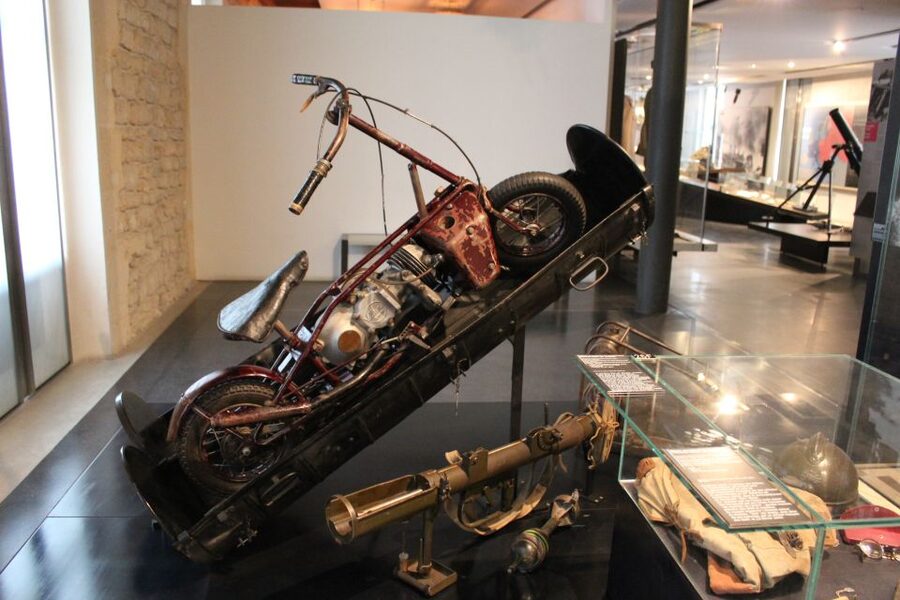
Book it if you want your World War I and World War II history to come with artifacts and a clear storyline. You will likely enjoy it most if you like leadership, turning points, and the way decisions shaped what soldiers saw and used.
This is also a good pick for families who enjoy history and can handle the pacing. One family group with two kids aged 11 and 14 is specifically mentioned as enjoying it.
Skip it if you need a low-walking visit or have strong accessibility requirements. The tour is not marketed as suitable for wheelchair users, and it involves moderate walking. If you fall into that category, reach out to confirm what accommodations might be possible.
Choose it if you want skip-the-line convenience and a guide who can keep the details clear. The museum objects are the main attraction, but you will get more out of them with someone explaining why they matter.
Should you book the Invalides guided tour?
I think this tour is a strong value if you want context, not just collectibles. You get skip-the-line access, a small group format, and a guide-led story that moves from World War I causes and key battles to Versailles and the armistice train car, then into World War II events with French leaders and major milestones.
If you are comfortable walking and you want the bigger picture tied to real objects, book it. If accessibility or language comfort is a concern, double check those fit points first. Do that, and you should end up leaving Invalides with a much clearer, more human understanding of how Europe stumbled into two world wars.
FAQ
How long is the guided tour?
The tour duration is 2 hours.
How many guests are allowed per guide?
The tour has a maximum of 8 guests per guide.
Do I get skip-the-line access?
Yes. Entrance fees and skip-the-line access to the museums are included.
What languages are available for the live guide?
The live guide is available in French, Italian, English, Russian, German, and Spanish.
What should I bring with me?
You should bring your passport or ID card and cash.
Is luggage or a large bag allowed?
No. Luggage or large bags are not allowed.
Is the tour suitable for wheelchair users or mobility impairments?
The tour is listed as not suitable for people with mobility impairments and not suitable for wheelchair users. Wheelchair tours are mentioned as available only on request, so you should confirm before booking.
Newest write-ups from Paris







Les Invalides and Napoleon Tours, compared.
Les Invalides: Napoleon’s Tomb & Army Museum Entry
Read our review →
Aura Invalides Immersive Experience Entry Ticket
Read our review →
Paris Entrance Ticket to the Aura Invalides Immersive Show
Read our review →Skip-the-line Invalides Dome Louis XIV & Napoleon Tour – Exclusive Guided Tour
Read our review →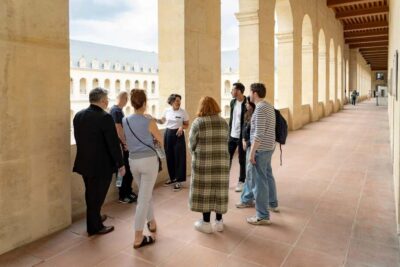
Napoleon’s Tomb & Invalides Small Group Guided Tour
Read our review →
Skip-the-line Invalides Dome Louis XIV & Napoleon Tour – Semi-Private 8ppl Max
Read our review →
Invalides Museum – WWI & WWII – Guided Tour up to 8 guests
Read our review →
Napoleon’s Tomb and the Invalides Small-Group Guided Tour
Read our review →Browse the lists this tour appears in