
Reviewed · LES INVALIDES AND NAPOLEON TOURS
Napoleon in Paris: Revolution to Empire Walking Tour
Paris turns into a classroom fast. This 2-hour walking tour links French Revolution upheaval to Napoleon’s climb, using real streets instead of dusty timelines. I like how it focuses on what mattered to ordinary Parisians, not just who wore which crown.
I especially like the way the guide connects big events to small, street-level details. You get Revolutionary squares and secret stories, plus lively explanations of how the city actually functioned during the transition from republic to empire.
One heads-up: the tour moves briskly and works best if you already have some Paris basics, or you are ready to ask questions and build context as you walk.
In This Review
- Key highlights worth your time
- Paris from Revolution to Empire, explained where it happened
- Pick your start point: Concorde, Louvre, or Roger Vivier
- Place de la Concorde: the Revolution’s turning point on your doorstep
- Louvre area streets: power, symbols, and where decisions felt close
- Place Vendôme and photo stops: Napoleon’s era in public view
- Palais-Royal quarter: salons, plots, and Josephine as more than a name
- The big stories you’ll hear: Lafayette, the guillotine, Bastille, Marie Antoinette
- Finishing at Place des Victoires: what to do after your 2-hour history run
- Price, walking pace, and who this fits best
- Should you book this Napoleon in Paris tour?
- FAQ
- How long is the Napoleon in Paris walking tour?
- What languages is the tour offered in?
- Where does the tour start?
- How much does the tour cost?
- What is included in the price?
- What is not included?
- Do I need to pay right away?
- Can I cancel if my plans change?
- Is the tour suitable for wheelchair users or limited mobility?
Key highlights worth your time
- Concorde Square context: why this location is tied to the Revolution’s most dramatic moments
- Napoleon’s public image: you’ll stop for photos at places tied to his era
- Josephine and court intrigue: the guide frames her as more than a footnote
- American influence explained: Gilbert Lafayette’s story puts the Revolution in a bigger world
- Short, focused route: about 2 hours, with breaks for photos and key sight explanations
- Small-group flexibility: when the group is tiny, the guide can tailor answers on the fly
More time at Les Invalides:
- Les Invalides: Napoleon’s Tomb & Army Museum Entry
★ 4.6 · 9,185 reviews - Paris: Aura Invalides Immersive Experience Entry Ticket
★ 4.7 · 3,360 reviews - Paris Entrance Ticket to the Aura Invalides Immersive Show
★ 4.0 · 174 reviews - Skip-the-line Invalides Dome Louis XIV & Napoleon Tour – Exclusive Guided Tour
★ 5.0 · 70 reviews
Paris from Revolution to Empire, explained where it happened
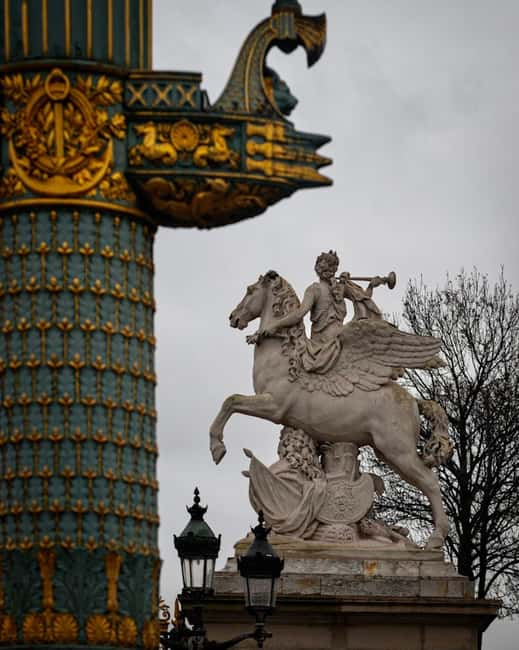
Paris in the late 1700s and early 1800s is not a museum exhibit. It is a city acting out power shifts in real time. That is what makes this walk work so well for your first or second trip. You are not just seeing landmarks, you are learning how events changed daily life and public behavior.
The tour is built around cause and effect. You start with the Revolution’s turning points, then follow the threads that help Napoleon rise. You also hear how external ideas and people, not only French politics, fed the change.
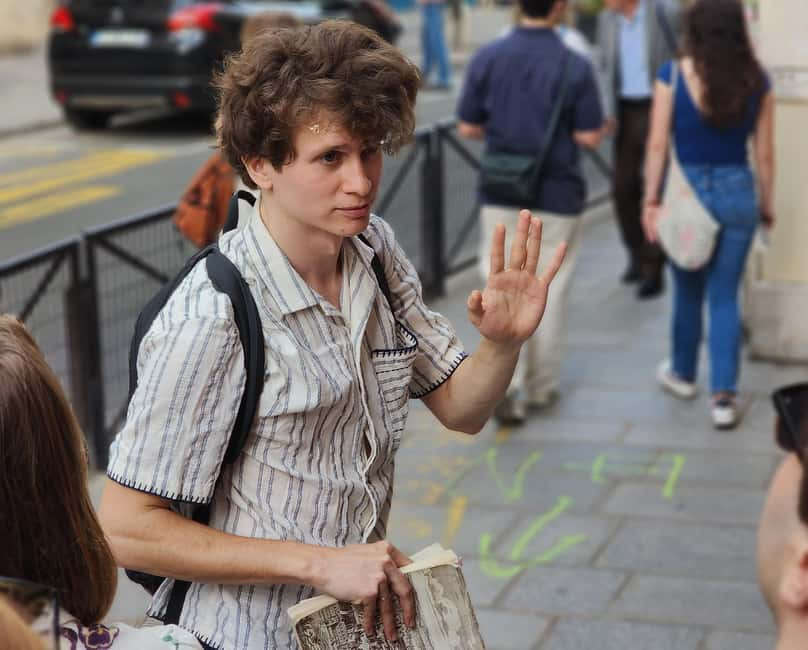
And the guide really matters here. In the small-group experience I felt the same thing from the stories shared by others: when there are only a couple of people, Vladimir can adapt and answer the questions that pop up as you go. That is how you leave with understanding, not just photos.
Pick your start point: Concorde, Louvre, or Roger Vivier
Your meeting point can vary depending on the option you book. You might start near Place de la Concorde, begin around the Louvre Museum area, or start at Roger Vivier on Rue du Faubourg Saint-Honoré.
Here is how I’d choose based on your own day:
- If you want the Revolution’s mood early, start at Concorde. This is the easiest way to get oriented around the Revolution’s public drama.
- If you are already in the Louvre zone, starting there keeps the walking day logical and tight.
- If you are staying farther west and want to avoid backtracking, a Rue du Faubourg Saint-Honoré start can save time and energy.
The tour lasts about 2 hours, and you will walk between major sights with a guide doing the linking work. Wear comfortable shoes and plan on steady walking.
Place de la Concorde: the Revolution’s turning point on your doorstep
If you remember only one spot from the Revolution, make it Place de la Concorde. This square is historically famous because it is tied to the execution of the king during the Revolution period.
On this walk, the guide uses the location like a narrative anchor. You do not just hear that an execution happened. You get the bigger picture of how public punishments worked, why the machinery of terror spread, and how people experienced it in the open air.
You’ll also hear the story behind the guillotine, including the question of who invented it. The point is not trivia. It helps you understand why the Revolution changed the rules of the game, quickly and brutally.
Even if you already know the outlines, the guided framing makes the square feel less like a generic tourist stop and more like a place where history happened with real consequences.
Louvre area streets: power, symbols, and where decisions felt close
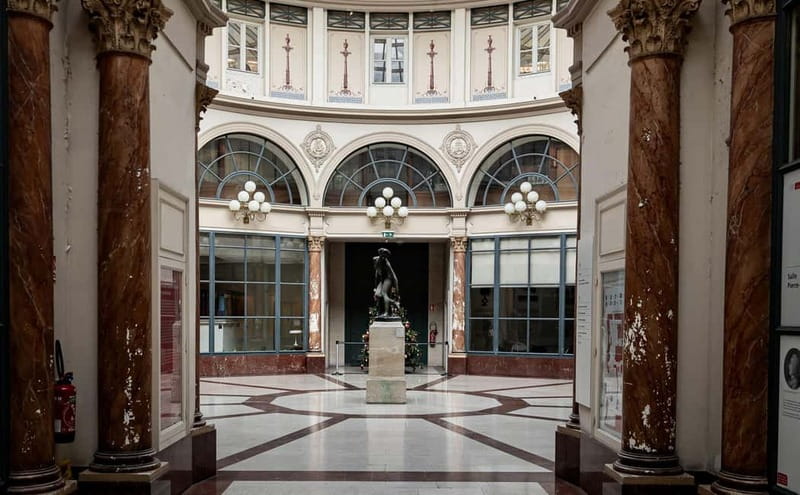
The tour includes a stop that connects to the Louvre Museum area, and this matters even if you do not go inside. In Paris, power often shows up as architecture, sight lines, and the way neighborhoods funnel people toward courts, officials, and state messaging.
From here, your guide can connect the city’s physical layout to the political story. You’ll spend time thinking about how the Revolution undermined authority, then how Napoleon used symbols and order to rebuild legitimacy.
This is also where the tour’s pace helps. You are moving between iconic points, but the explanations are short and direct, with room for questions. If you like history that answers why things happened, not just what happened, this is a strong section.
Other arrondissements taken at walking pace:
- Paris Top Sights Half Day Walking Tour with a Fun Guide★ 5.0 · 2,893 reviews
- Montmartre Hidden Gems and Scenic Highlights Walking Tour★ 5.0 · 2,684 reviews
- Montmartre Hill French Gourmet Food and Wine Tasting Walking Tour★ 5.0 · 2,588 reviews
- Paris: Montmartre Highlights Walking Tour with a Local Guide★ 4.9 · 2,318 reviews
Place Vendôme and photo stops: Napoleon’s era in public view
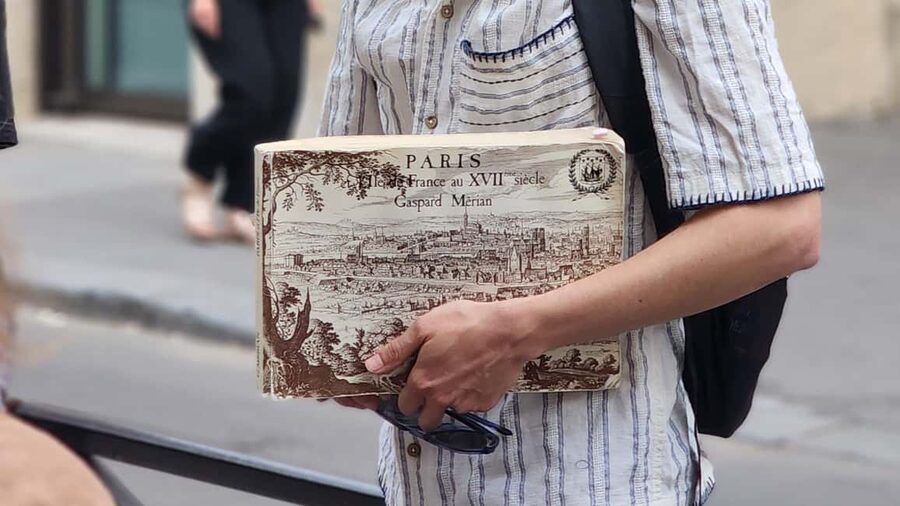
Next comes Place Vendôme, with a guided segment and a photo stop. This is where Napoleon’s story starts to feel visual. His era is full of carefully presented images, and public spaces help spread that message.
At this stop, the guide tends to focus on how the empire era turned politics into something you could see and repeat. That is a key theme of Napoleon’s rise: authority becomes legible through symbols, monuments, and the way the city speaks.
Photo-wise, this is one of the moments I’d look forward to. It gives you a break without losing momentum. You get the shot, then the guide ties the view back to the bigger narrative of Revolution to Empire.
Palais-Royal quarter: salons, plots, and Josephine as more than a name
The walk continues into the Palais-Royal quarter, which is a smart choice for this theme. This area is historically tied to politics, culture, and the kind of social space where influence could move without always going through official channels.
This is where the tour’s storytelling really leans into intrigue. You will hear about Empress Josephine Bonaparte, including her role as a chief intriguer in the empire story. The guide frames her not just as Napoleon’s spouse, but as part of the power ecosystem.
And since the tour is built around how Parisians lived through the period, you will also get a sense of how social life, rumor, and status could matter during political storms. In other words, it is not only armies and decrees. It is people, networks, and the pressure that comes from living in a city where tomorrow’s headlines can change your future.
The big stories you’ll hear: Lafayette, the guillotine, Bastille, Marie Antoinette
The itinerary threads several major topics into the walk. You should expect explanations of:
- How Napoleon Bonaparte became Emperor
- The American influence on the Revolution, including Gilbert Lafayette
- Josephine Bonaparte and the empire’s court intrigue
- The execution of the king, plus the question of who invented the guillotine
- The legendary Bastille Fortress, including secrets and mysteries
- Queen Marie Antoinette, including who the last queen of France was
If you are the type who likes historical context, you’ll probably enjoy how the guide uses these moments to connect themes. Revolution stories can feel like separate chapters. Here, they get linked into a single arc: ideas travel, legitimacy fractures, and power regroups under a new face.
Also, if you are worried about whether you’ll get enough background, don’t. The guide answers questions and can adjust when the group is small. That flexibility is a real quality-of-life factor on a short walking tour.
Finishing at Place des Victoires: what to do after your 2-hour history run
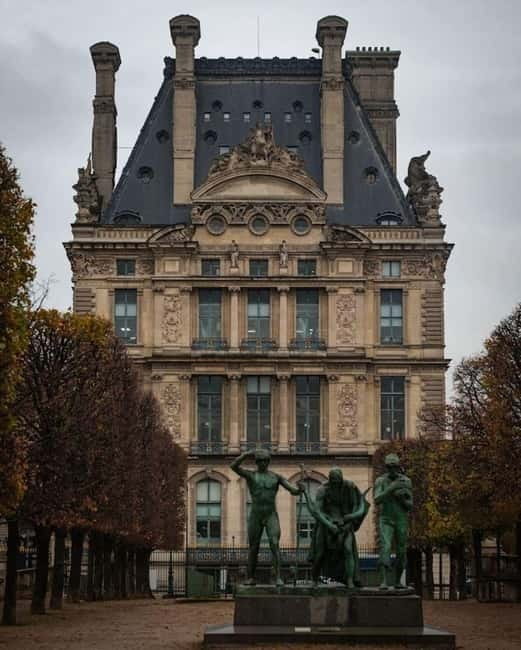
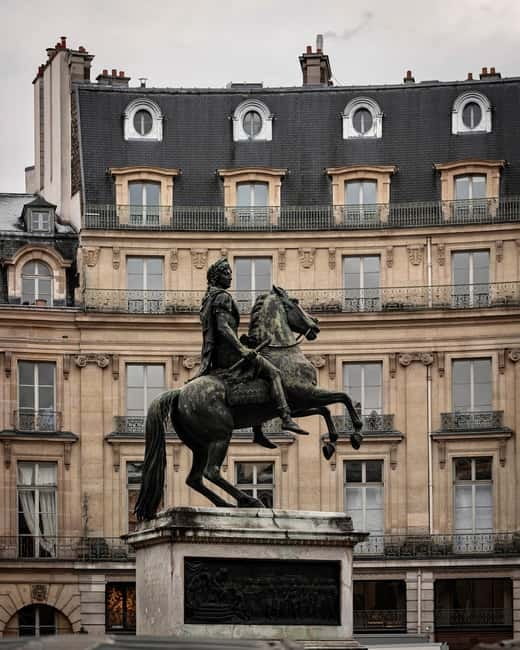
The tour finishes at Place des Victoires. It is a useful ending point because it helps you transition from guided storytelling to self-guided strolling.
When you leave, you’ll likely start noticing how Paris places people. Streets funnel you toward squares. Squares stage public moments. That is one of the subtle benefits of a walk like this. You start reading the city like a map of power and public life.
If you want to keep the momentum, plan a light follow-on stroll nearby. You’ll understand more of what you see because your guide just trained your eye.
Price, walking pace, and who this fits best
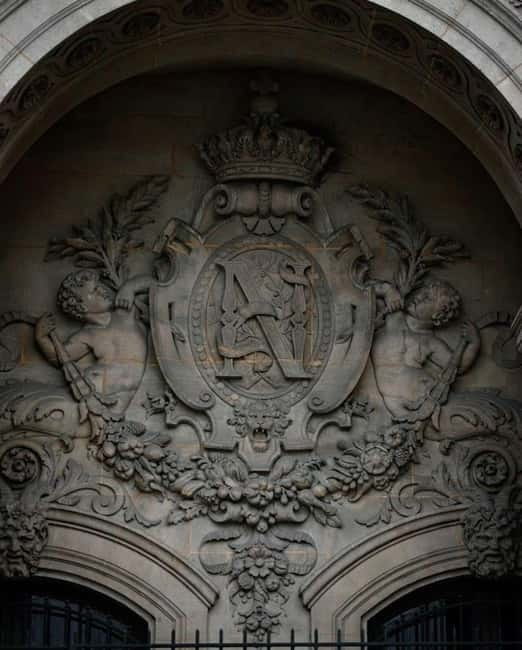
The price is $58 per person for about 2 hours. For that money, you get a professional local guide, a focused route, and guided history that aims to connect events to real city spaces. Food and transportation are not included, so you should treat it as a smart, history-focused “activity block” rather than a full-day package.
This is also the kind of tour that suits people who:
- want an efficient overview without museum time
- enjoy guided street-level history
- are curious about the Revolution’s human impact, not only dates
- like asking questions during the walk
One practical consideration: it is not suitable for people with mobility impairments or wheelchair users. It is a walking tour, so plan accordingly.
If rain happens, it can still be a good experience. Just bring weather-appropriate clothing and stay hydrated. The guide’s approach is built for moving through the city, not for long indoor stops.
Should you book this Napoleon in Paris tour?
If you want a short, high-impact way to understand how the French Revolution fed into Napoleon’s rise, I think you should book. The guide’s storytelling focus, the range of topics, and the way the route connects squares to political change make it a solid value for 2 hours.
I’d only skip it if you want a fully structured, museum-style deep lecture with lots of sitting and slow pacing. Otherwise, bring good shoes, keep your questions ready, and enjoy watching Paris explain itself.
FAQ
How long is the Napoleon in Paris walking tour?
The tour duration is about 2 hours.
What languages is the tour offered in?
It is available in English and Russian.
Where does the tour start?
The meeting point can vary depending on the option booked. Common starting locations include Roger Vivier on Rue du Faubourg Saint-Honoré, Place de la Concorde, or the Louvre Museum area.
How much does the tour cost?
The price is $58 per person.
What is included in the price?
Included are a 2-3 hour guided walking tour, a professional local guide, and insights into the French Revolution and Napoleon’s empire, plus picturesque locations for photos.
What is not included?
Food and drinks, and transportation are not included.
Do I need to pay right away?
You can reserve now and pay later, so you can book your spot without paying today.
Can I cancel if my plans change?
Yes, free cancellation is available up to 24 hours in advance for a full refund.
Is the tour suitable for wheelchair users or limited mobility?
No. It is not suitable for people with mobility impairments or wheelchair users.
If you want, tell me where you are staying (or which landmark you want to see first), and I’ll suggest which start point is likely to be the smoothest for your day.
Newest write-ups from Paris







Les Invalides and Napoleon Tours, compared.
Les Invalides: Napoleon’s Tomb & Army Museum Entry
Read our review →
Aura Invalides Immersive Experience Entry Ticket
Read our review →
Paris Entrance Ticket to the Aura Invalides Immersive Show
Read our review →Skip-the-line Invalides Dome Louis XIV & Napoleon Tour – Exclusive Guided Tour
Read our review →
Napoleon’s Tomb & Invalides Small Group Guided Tour
Read our review →
Skip-the-line Invalides Dome Louis XIV & Napoleon Tour – Semi-Private 8ppl Max
Read our review →
Invalides Museum – WWI & WWII – Guided Tour up to 8 guests
Read our review →
Napoleon’s Tomb and the Invalides Small-Group Guided Tour
Read our review →Browse the lists this tour appears in