
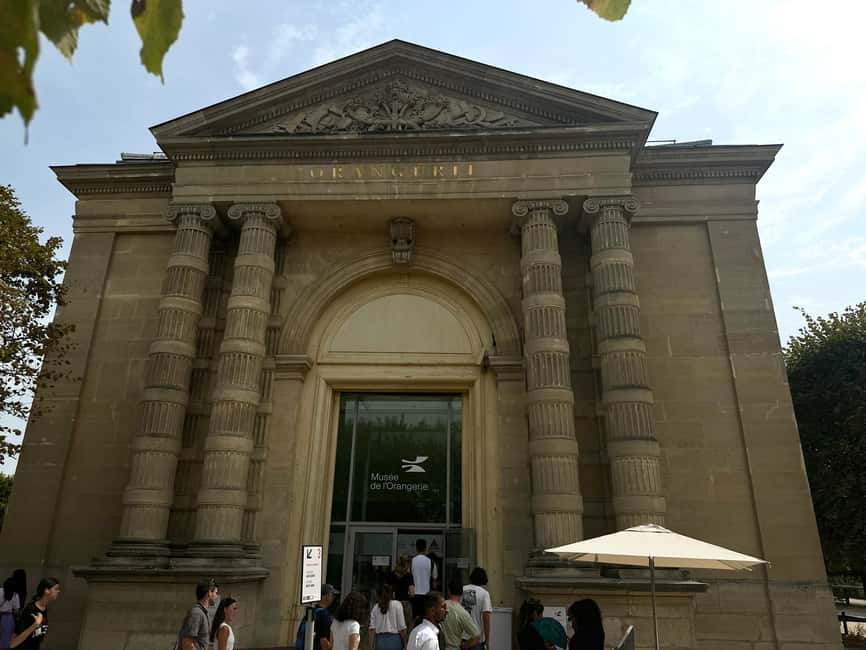
Reviewed · MUSEUMS
Orangerie Museum & Tuileries Garden Tour
Monet, with context, in 150 minutes. This private Orangerie and Tuileries tour pairs fast-track entry with an art historian who connects what you see to who collected it and why it matters. You get a structured visit that keeps the pace smooth, even when the museum is busy.
Two things I really like: Monet’s Water Lilies is treated like the centerpiece it deserves, and the tour builds context around it instead of just pointing. I also love that you finish with complimentary 35mm analog portraits, so the trip leaves you with an artistic keepsake, not just phone photos.
One possible drawback to consider: the time is tight. If you linger hard in the Orangerie, the Tuileries part becomes more of a focused stroll and photo stop than a full garden wander.
In This Review
- Key things to know before you go
- Why the Musée de l’Orangerie fits a short Paris window
- Fast-Track Orangerie entry, and how it changes your visit
- Monet’s Water Lilies, plus the Paul Guillaume angle people miss
- How the guide turns collectors into real stories
- The Tuileries Garden stroll: what the short timing really means
- 35mm analog portrait session, and how to get good results
- Price and value: is $224 per person worth it?
- Who should book this Orangerie and Tuileries tour
- Final call: should you book it?
- FAQ
- Where does the tour start and end?
- How long is the Orangerie Museum and Tuileries Garden tour?
- Is this tour private?
- What do I get for the 35mm analog portrait session?
- What is included in the ticket price?
- Which languages are offered?
- What will I see inside the Orangerie Museum?
- Is free cancellation available?
- Is reserve and pay later available?
Key things to know before you go
- Skip the line, see more art without losing time in ticket queues
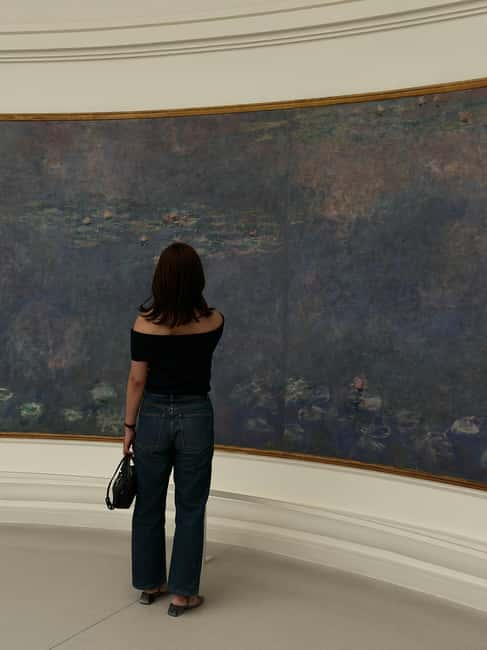
- Monet’s Water Lilies, explained with purpose tied to its meaning for France
- Paul Guillaume’s collector story puts 20th-century art in a real-world setting
- Private guide format means you can ask questions as you go
- 35mm film portraits are included with a dedicated moment in the Tuileries Gardens
Other Paris galleries with a shorter queue:
- Paris: Orsay Museum Entry Ticket
★ 4.7 · 25,647 reviews - Louvre Museum Masterpieces Guided Tour with Access
★ 4.5 · 12,023 reviews - Paris: Louvre Museum Entry Ticket With Host and River Cruise
★ 4.6 · 9,926 reviews - Les Invalides: Napoleon’s Tomb & Army Museum Entry
★ 4.6 · 9,185 reviews
Why the Musée de l’Orangerie fits a short Paris window
Paris can eat your time. Even when you plan well, museums and lines can slow you down. This tour is built for the reality of a limited schedule, with a strong focus on the Orangerie first, then a quick artistic break outside in the Tuileries.
The Orangerie is not just a stop on a checklist. It’s a place where scale, light, and atmosphere do part of the storytelling for you. You’ll stand in front of Monet’s monumental Water Lilies, including the background that it was a gift to the French state marking the Armistice. That detail matters because it turns the paintings from pretty scenery into something political, emotional, and historical.
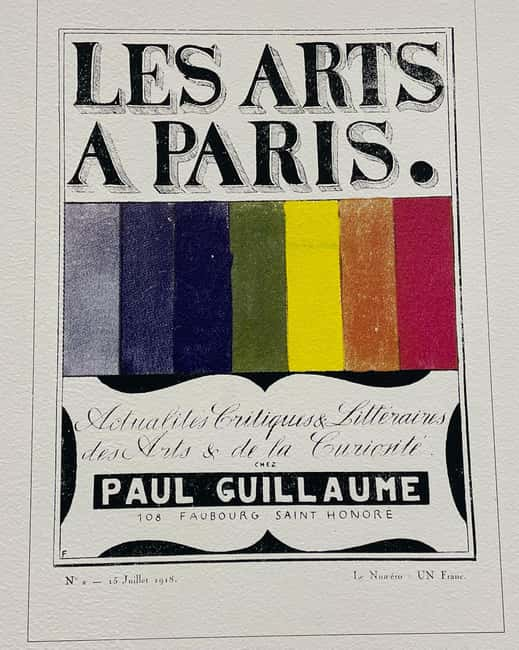
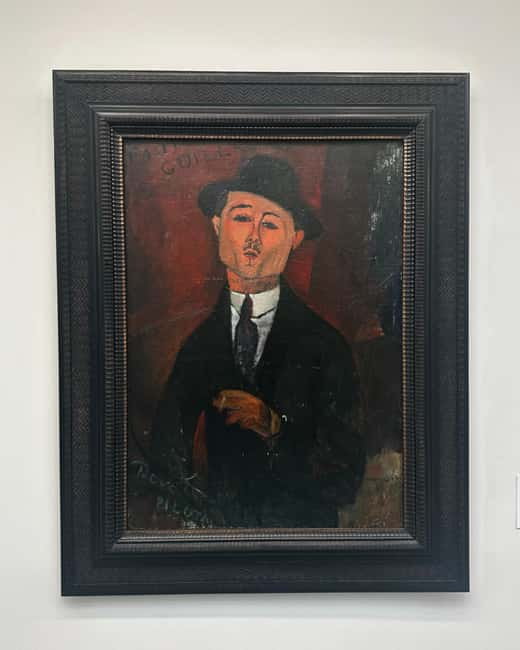
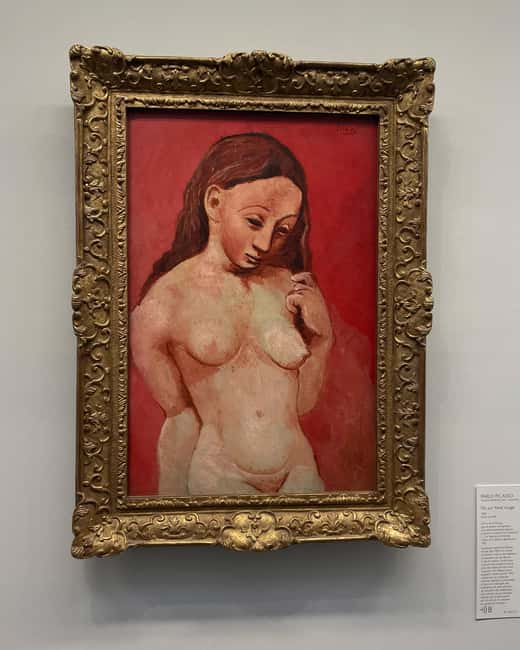
Then the tour shifts gears to what you may not expect from a museum visit: the human network behind major collections. You’re guided through the legacy of Paul Guillaume, one of the most influential 20th-century art dealers and collectors, and you’ll hear how his world linked to artists like Modigliani, Picasso, Renoir, and Matisse. For many people, that’s the difference between seeing paintings and understanding how they traveled into the museum’s story.
Fast-Track Orangerie entry, and how it changes your visit
The biggest practical win is the fast-track entry. When you’re working with a set timeframe, skipping the ticket line means you spend your energy on looking, not queueing. It also gives your guide more breathing room to start with the right context right away.
This is a private-group setup with a live guide specializing in 20th-century art history and available in English or French. That matters because the Orangerie can feel overwhelming if you’re only reading labels. A guide can point your attention to the big themes, then slow you down where it counts. If you’re the type who likes to ask why something ended up somewhere, or who paid for it, or how it survived changing tastes, this tour format is made for you.
Plan to go in with a simple mindset: don’t try to see everything. The best Orangerie visits are selective. Your guide helps you focus on the paintings and the collectors behind them, so you leave with a clearer mental map, not just random impressions.
Monet’s Water Lilies, plus the Paul Guillaume angle people miss
Monet’s Water Lilies is the name that brings most visitors in, and for good reason. The experience is powerful, and it’s easy to get swept up in the scale. What makes this tour more useful is that you’re not only absorbing Monet’s atmosphere. You also get the wider story around the work.
You’ll also learn about Paul Guillaume, a figure tied to the movement of modern art through the early 20th century. His legacy includes masterworks by Modigliani, Picasso, Renoir, and Matisse, and his influence shows up in how collectors shaped what became visible and valuable.
Why this matters: art history is not only about artists painting. It’s also about dealers, loans, donations, and the choices that keep certain works in public view. With Guillaume in the mix, you start to notice the museum differently. You can connect the art on the walls to the larger ecosystem of taste, commerce, and cultural politics.
In my view, that is the real value of a specialized guide. If you want the Orangerie to feel like a coherent story rather than separate moments, this framing helps.
How the guide turns collectors into real stories
A lot of museum tours focus on artists and techniques. This one also pays attention to people who operate behind the scenes, especially collectors and the works connected to donations or loans. That’s exactly what you want if you’re curious about how major art collections get formed.
Your guide is an art historian who can explain the “why” behind the museum’s holdings. Instead of treating the paintings as museum objects floating outside time, you’re given the chain of context: who cared about these works, who supported them, and how they entered public collections.
One of the most praised aspects of this tour is that the guide’s commentary does more than recite facts. You get candid, clear interpretations, and you can ask questions as you move. That kind of interaction is especially useful in a museum setting, because your interests will naturally shift from one painting to the next. A private format makes it easier to follow those shifts without losing the group.
If you enjoy 20th-century art history, you’re likely to appreciate the way the guide ties together the artists you recognize with the collectors whose decisions helped bring those artists into wider view.
If this one is booked out, Paris has these too:
- Paris: 1-Hour Seine Cruise departing from the Eiffel Tower★ 4.4 · 77,472 reviews
- Disneyland® Paris 1-Day Ticket★ 4.6 · 49,412 reviews
- Paris: Versailles Palace and Gardens Full Access Ticket★ 4.6 · 41,579 reviews
- Paris: Arc de Triomphe Rooftop Tickets★ 4.6 · 34,264 reviews
The Tuileries Garden stroll: what the short timing really means
After the Orangerie, you head to the Tuileries Garden for a photo stop of about 30 minutes. This is not a long wander where you cross the entire park and stop at every statue. The tour keeps it purposeful: a guided walk that gives you a taste of the garden’s classic Paris scenery, then time to shoot analog portraits.
That short segment is a tradeoff, but it’s also smart. It prevents the common problem where a museum day turns into a marathon. If the Orangerie grabs you, you can spend more time with the artwork, because the garden portion is built to be doable even on a tight schedule.
You’ll be surrounded by fountains, statues, and tree-lined paths. That setting is perfect for the tour’s photography component because the environment already looks curated, even without trying too hard.
Think of this stop as a breather that keeps the art theme going outdoors. You get the contrast: museum light inside, garden light outside.
35mm analog portrait session, and how to get good results
One of the coolest inclusions is the complimentary 35mm analog portrait session, with five film portraits included. This is the kind of souvenir you feel. It’s not instant. It’s not endlessly shareable. It’s an object with a process behind it, which makes it feel more personal.
You’ll take the portraits during the Tuileries moment, so timing matters. Plan to treat that segment like you would a quick photo appointment: show up ready to pose, and don’t treat it like a casual afterthought. The best results come when you’re paying attention to direction from the guide or photographer.
Practical advice: wear something that photographs well in outdoor shade and bright daylight. Film can be more forgiving than you’d expect, but contrast still affects how faces read on camera. And if you’re comfortable standing still for a short time, you’ll get more out of the process.
Also, keep expectations realistic. Five portraits means you can experiment, but you still have limited time. If you’re someone who wants endless outfit changes, this is not that style of shoot. If you want a classic Paris portrait with a film finish, it’s a great fit.
Price and value: is $224 per person worth it?
At $224 per person for about 150 minutes, the cost can feel steep, until you break down what’s included.
You’re not just paying for museum entry. You’re paying for:
- Skip-the-line access to the Orangerie
- A private live guide who specializes in 20th-century art history
- Guided time in the museum, focused on how works connect to collections and collectors
- A guided walk in the Tuileries
- Five 35mm film portraits
That last item matters for value. Film portrait sessions are not usually cheap, and here they’re bundled into the experience. The private guide format also tends to be more expensive than standard group tours, but it’s also the reason the visit can be paced intelligently around what you care about.
Is it worth it for you? If you love art history, or if you want context fast without doing homework in advance, I think yes. If you’re mainly in Paris for a quick scenic museum stop and you don’t care about collectors, deals, and art networks, then you might prefer something simpler and cheaper.
This is a “quality of attention” purchase. It buys you clearer understanding and a more artistic souvenir.
Who should book this Orangerie and Tuileries tour
This tour is a strong match for people who:
- Want Monet’s Water Lilies but also want the story behind what you’re seeing
- Enjoy 20th-century art history and want the collectors angle, not just artist biographies
- Prefer a private format where you can ask questions and stay with your interests
- Want a Paris photo experience that is analog, not just digital
It also works well if you have limited time and want one guided plan that covers both museum and outdoor atmosphere.
You might skip it if you’re looking for a free-form day with long independent wandering. The tour is timed for focus, and the Tuileries portion is intentionally short.
Final call: should you book it?
I’d book this tour if you want the Orangerie to feel like more than a famous room. The combination of fast-track entry, a specialist art historian, and a built-in 35mm film portrait session turns a common sightseeing day into something more personal and more understandable.
If you’re sensitive to time pressure, go in with the right expectations: you’re getting museum depth first, then a brief Tuileries walk. That’s the trade, and it’s also why the tour doesn’t drag.
If you can swing the price, this one is designed for quality attention. It’s the kind of experience where you walk away with stories, not just photos.
FAQ
Where does the tour start and end?
The tour starts at Musée de l’Orangerie and returns you back to Musée de l’Orangerie after the museum and Tuileries Garden time.
How long is the Orangerie Museum and Tuileries Garden tour?
The total duration is 150 minutes.
Is this tour private?
Yes, it is a private group.
What do I get for the 35mm analog portrait session?
You get five film portraits included as part of the complimentary 35mm analog portrait session during the Tuileries Garden stop.
What is included in the ticket price?
Included are tickets, skip-the-line access, a live guide specializing in 20th-century art history, and the five film portraits.
Which languages are offered?
The tour guide is available in English and French.
What will I see inside the Orangerie Museum?
You’ll see Monet’s monumental Water Lilies and learn about Paul Guillaume, including his role in 20th-century collecting connected to works by artists such as Modigliani, Picasso, Renoir, and Matisse.
Is free cancellation available?
Yes. You can cancel up to 24 hours in advance for a full refund.
Is reserve and pay later available?
Yes. You can reserve now and pay nothing today to keep plans flexible.
Newest write-ups from Paris








Museums, compared.

Louvre Museum Masterpieces Guided Tour with Access
Read our review →
Louvre Museum Entry Ticket With Host and River Cruise
Read our review →
Les Invalides: Napoleon’s Tomb & Army Museum Entry
Read our review →
Louvre Museum – Exclusive Guided Tour (Entry Included)
Read our review →
Louvre Museum Hosted Entry and Mona Lisa Audioguide
Read our review →
Louvre Museum Tour Mona Lisa & Iconic Masterpieces
Read our review →Browse the lists this tour appears in