
Reviewed · EIFFEL TOWER TICKETS
Paris Baking Insider Experience near Eiffel Tower
Paris pastry gets real, fast. In a small group class near the Eiffel Tower, you learn hands-on French dough skills from a working boulangerie, then taste what you make as you go. It is practical, not performative, and it turns French baking from a mystery into repeatable moves.
I love two things most. First, the workshop teaches real technique like laminating dough and proper baguette shaping, not just rolling dough into a basic form. Second, it explains the why behind common ingredients, including how different flours and yeast or sourdough change the final result, so your baking brain starts working like a Paris baker’s.
One consideration before you book: the setting is a working bakery kitchen with a tight layout, and the pace is hands-on while using some ingredients that help keep the session on time. Also, the meeting point area is up a lot of stairs, since you climb 15 steps to the 2nd floor with no elevator.
In This Review
- Key things to know before you go
- Entering a Paris working bakery, not a demo kitchen
- Price and what you actually get for about $108.84
- Getting there: Rue de l’Annonciation and the 2nd-floor stairs
- What you make in this 2-hour hands-on baking lesson
- Lamination, butter, and puff pastry logic
- Baguette shaping you can use again
- Croissant dough work, plus the “hard parts” idea
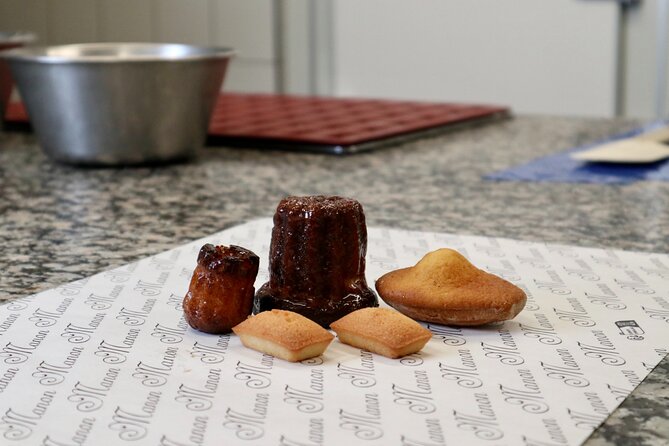
- Financiers and sweet pastry making
- The ingredient lesson: flours, yeast, sourdough, and shaping
- Tastings: the fastest way to learn what changes flavor
- Small-group energy: what max 8 means for your learning
- Take-home bakes: plan luggage and dinner accordingly
- Who this workshop is best for
- Family fit and age notes you should know
- The main drawback to weigh before you book
- Should you book this Paris Baking Insider Experience?
- FAQ
- How long is the Paris Baking Insider Experience?
- What is the group size limit?
- Is the tour offered in English?
- Where do I meet for the class?
- Is it a mobile ticket?
- Is there an elevator, and how many steps are there?
- Can I bring children?
- Are service animals allowed?
- Will I take baked goods home?
- Is cancellation free?
Key things to know before you go

- Small group (max 8) means you get real personal coaching while you shape dough
- English is available, and instructors are often praised for making techniques easy to follow
- Laminate dough + shape baguettes + roll croissant dough gives you skills you can repeat at home
- Tastings are part of the lesson, so you learn what flavor changes taste like in real time
- You may leave with a lot of baked goods, since many sessions include items like baguettes, croissants, cookies, and financiers
- It is standing-heavy, and you should plan for extended time on your feet and stairs
Other ways up the Eiffel Tower:
- Paris: 1-Hour Seine Cruise departing from the Eiffel Tower
★ 4.4 · 77,472 reviews - Paris: Eiffel Tower Entry Ticket with Optional Summit Access
★ 4.4 · 20,035 reviews - Eiffel Tower Dedicated Reserved Access Summit or 2nd Floor
★ 4.3 · 18,352 reviews - Paris: Eiffel Tower Summit or Second Floor Access
★ 4.4 · 16,088 reviews
Entering a Paris working bakery, not a demo kitchen
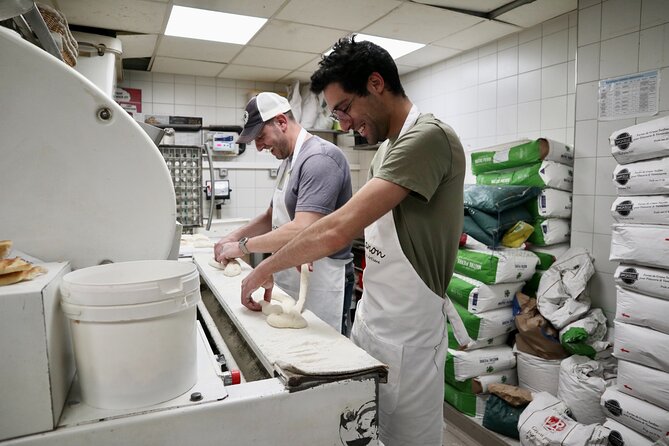
This is the kind of Paris food experience I like most: you are in a real boulangerie environment, not in a classroom built for tourists. You get hands-on time with dough, plus you learn the practical language bakers use, like how to handle lamination so butter stays where it should and dough bakes into layers.
The workshop is also built to keep the lesson moving. You will hear facts about iconic pastries and how bakers think about differences between styles, but you still spend most of your time using your hands. That matters, because French baking is mostly muscle memory plus timing, not just knowing recipes.
And the small-group size is a big deal here. With max 8 travelers, it is easier for an instructor to correct your angle, your pressure, or your shaping so you do not end up with a sad baguette loaf that looks like it gave up halfway through. Guides in English-led sessions are frequently singled out for patience and clear instructions, including people like Nisha, Priya, Jess, Candace/Candice, Rachel, and Pierre.
Price and what you actually get for about $108.84
At $108.84 per person for roughly 2 hours, this is not bargain territory. But you are not paying for a quick snack stop either. You are paying for an expert-led workshop with hands-on baking, tastings along the way, and a small group setting where you get direct coaching.
In a city full of food experiences, the value here comes from two places.
1) You leave with more than a memory. Multiple sessions end with take-home baked goods, and many people mention leaving with items like baguettes, croissants, and financiers. That turns the class into part lesson, part dinner plan.
2) You learn repeatable technique. The dough skills you get, especially laminating dough and baguette shaping, can save you from years of guesswork if you ever try making French-style breads at home.
If you want an experience where most of your time is watching someone else work, this might feel like the wrong fit. But if you want hands-on learning and tangible results, the price starts to look more fair.
Getting there: Rue de l’Annonciation and the 2nd-floor stairs
You meet at 31 Rue de l’Annonciation, 75016 Paris. The activity ends back at the meeting point, so you do not need to line up another plan afterward.
One practical note: it is not elevator access. You climb 15 steps to reach the bakery on the 2nd floor, and the tour requires you to be able to stand for an extended period. If you have mobility limits or you know you get tired quickly standing, this is the part to think through before you commit.
The good news is that it is near public transportation, so you should be able to reach it without turning your day into a long walk marathon. Also, service animals are allowed.
What you make in this 2-hour hands-on baking lesson
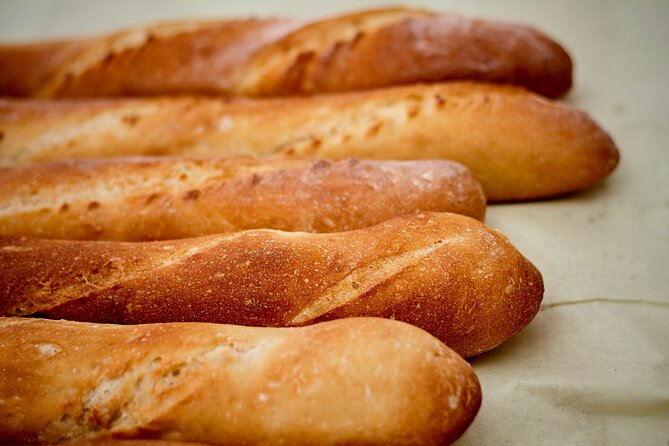
The highlights point to a classic French-bakery skill set. Expect to work with dough and make several items such as baguettes, laminated dough, puff croissants, and more pastry components. The exact mix can vary by session, but the teaching goals stay consistent: technique plus tasting plus confidence.
Here is what the structure usually means for you:
If this one is booked out, Paris has these too:
- Disneyland® Paris 1-Day Ticket★ 4.6 · 49,412 reviews
- Paris: Versailles Palace and Gardens Full Access Ticket★ 4.6 · 41,579 reviews
- Paris: Arc de Triomphe Rooftop Tickets★ 4.6 · 34,264 reviews
- Paris: Orsay Museum Entry Ticket★ 4.7 · 25,647 reviews
Lamination, butter, and puff pastry logic
Laminating dough can sound fancy, but the concept is straightforward: keep butter layered in the dough so you get those puffy, flaky results. You’ll learn how to laminate dough and how to roll or fold it without ruining the layers. This is one of the highest value parts of the class because lamination is where many home bakers struggle the most.
Baguette shaping you can use again
You’ll also learn baguette-shaping techniques and how to recognize differences in baguettes. One practical benefit is that you stop treating baguettes like one generic loaf. Shaping becomes a method you can repeat instead of an artistic trick you can only do in Paris.
Croissant dough work, plus the “hard parts” idea
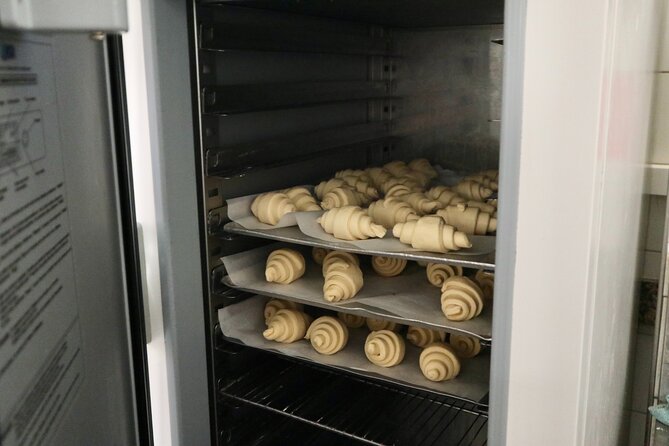
A few people were disappointed by croissant portions, mainly because some steps use prepared ingredients so the session stays short and focused on technique you can actually practice in a class setting. If you expect a full from-scratch croissant journey where every stage is made by you from raw ingredients, calibrate your expectations now.
That said, many guides and classes still include real dough handling. If your goal is learning how croissant dough feels, how it rolls, and what to watch during shaping, you will likely get something useful.
Financiers and sweet pastry making
Financiers show up in the experience as a baked item you may create. Some people mentioned making more financiers than they could eat quickly, which tells you something important: the class can be generous with sweet output. Plan to share or pack, and bring a little space in your luggage.
The ingredient lesson: flours, yeast, sourdough, and shaping
This is one of those experiences where you learn French baking in plain language. You will get the difference between bread flours, yeast, and sourdough, plus how those choices influence flavor and baking behavior.
I like this approach because it saves you from baking by vibes. Instead of hoping your baguette turns out right, you understand what ingredient differences are doing. That also helps you troubleshoot later if your own dough feels too wet, too stiff, or behaves differently than expected.
You’ll also get pastry facts and practical comparisons, including the idea that different baguette types are shaped and handled differently. That matters because baguette differences are not just cosmetic. Shape affects expansion and crust development.
Tastings: the fastest way to learn what changes flavor
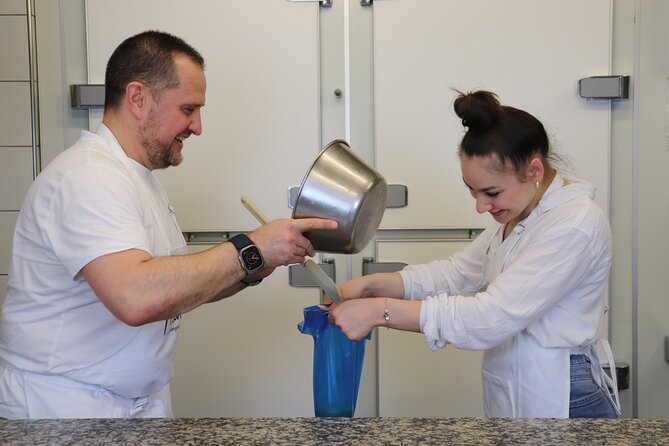
You are not stuck guessing. The class includes tastings along the way so you can connect technique to taste. That is the part that makes the lesson stick.
If you ever wondered why two pastries that look similar can taste totally different, this is where you start seeing the pattern. Flavor changes due to ingredient and handling, and you get to experience that during the session rather than months later in your kitchen.
Bring your appetite. Even though you are making dough, a lot of the value comes from understanding what you are aiming for.
Small-group energy: what max 8 means for your learning
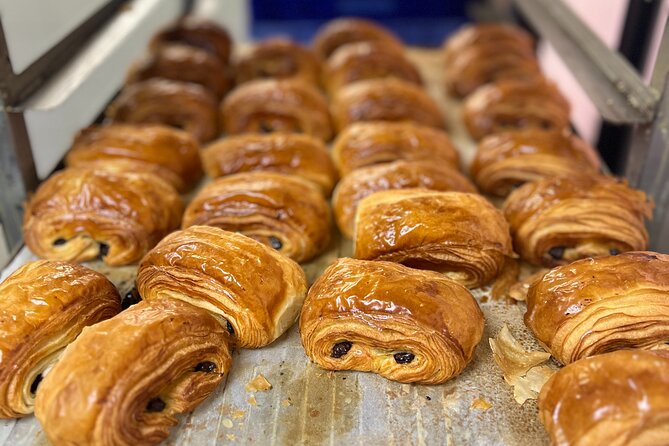
With a maximum of 8 travelers, you get closer coaching than you would in a bigger group. In real terms, this usually means you get help adjusting your grip, your rolling, your shaping angle, and your timing when something is going slightly off.
This is also why multiple instructors were praised for managing groups well. Names like Priya and Nisha come up a lot in positive feedback for keeping the session smooth. Jess and Rachel show up too, with praise tied to hands-on guidance and making beginners comfortable.
Even if you are an experienced baker, you will probably appreciate the feedback loop. French pastries reward small adjustments, and small group size makes that feedback possible.
Take-home bakes: plan luggage and dinner accordingly
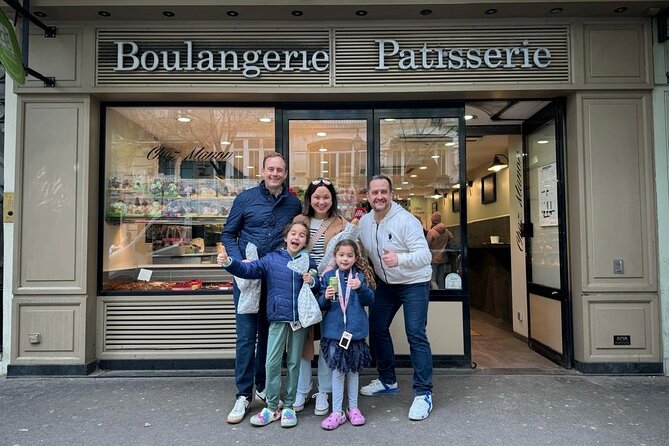
Many people mention leaving with baked goods they made. Common take-home items include baguettes, croissants, and financiers, plus other sweet treats depending on what the session covers.
This is a great perk, but it also means you should plan.
- Give yourself room in your day and your bag for baked goods
- Think about sharing, since a sweet-heavy bake count can be a lot for two people
- Pack for freshness, since the whole point is enjoying what you made
If you are hoping this class is only a quick bite experience, it might surprise you. If you want a hands-on baking lesson plus a mini Paris bakery haul, it fits well.
Who this workshop is best for
This class is strongest for people who want skills, not just photos.
You’ll enjoy it most if you:
- Like hands-on cooking experiences and want technique you can repeat at home
- Want to understand French baking beyond stereotypes, especially flours, yeast, and dough handling
- Appreciate a working boulangerie environment, with real daily bakery energy
- Are traveling with family and want a structured activity, since kids are allowed with an adult
It is also good if you want English instruction and a smaller group pace. The fact that English is offered helps a lot for first-time bakers.
Family fit and age notes you should know
Children are allowed as long as they are accompanied by an adult. Kids under age 5 can join free of charge, but they cannot participate in the hands-on baking part due to safety concerns.
Also, remember the standing and stairs. If you are traveling with kids, you will need to manage the energy and the movement inside a tight bakery setup.
The main drawback to weigh before you book
The biggest downside is not the learning part. The biggest downside is expectation.
If you imagine a fully from-scratch croissant experience where every step happens at your workstation with no shortcuts, you may feel let down. One concern that shows up is that some ingredients can be prepared in advance so you focus on the techniques you can practice safely and within the time window. In a 2-hour workshop, that tradeoff is almost inevitable.
You should also be ready for a compact working space. Some people mentioned the tight layout and obstacle-like movement around the counters. If you prefer spacious, calm classrooms where you can spread out comfortably, plan for a more energetic environment.
None of this is a deal breaker for most people who want skill-building, but it is worth deciding up front.
Should you book this Paris Baking Insider Experience?
I’d book it if your goal is hands-on French baking technique in a small group with a real boulangerie feel, plus tastings and the chance to take home what you made. The combination of lamination, baguette shaping, and ingredient explanations like flours, yeast, and sourdough is the heart of the value.
Skip it or think twice if:
- You cannot handle stairs and extended standing
- You want a roomy space to move around comfortably
- You expect every pastry step to be made from absolute scratch, especially for croissants
If you are a curious eater who also wants to leave with skills and pastry boxes, this is the kind of class that makes Paris feel personal, not packaged.
FAQ
How long is the Paris Baking Insider Experience?
It runs for about 2 hours.
What is the group size limit?
The experience has a maximum of 8 travelers.
Is the tour offered in English?
Yes, the experience is offered in English.
Where do I meet for the class?
You start at 31 Rue de l’Annonciation, 75016 Paris, France, and the tour ends back at the meeting point.
Is it a mobile ticket?
Yes, the experience uses a mobile ticket.
Is there an elevator, and how many steps are there?
The bakery is on the 2nd floor. You must climb 15 steps, and there is no elevator.
Can I bring children?
Children are allowed if they are accompanied by an adult. Kids under age 5 can join free of charge, but they cannot participate in the hands-on baking due to safety concerns.
Are service animals allowed?
Yes, service animals are allowed.
Will I take baked goods home?
The experience includes snacks and a hands-on baking lesson, and many sessions result in guests taking home pastries they made, such as items like baguettes, croissants, and financiers.
Is cancellation free?
Yes. You can cancel up to 24 hours in advance for a full refund.
Newest write-ups from Paris


Eiffel Tower Tickets, compared.

1-Hour Seine Cruise departing from the Eiffel Tower
Read our review →
Eiffel Tower Entry Ticket with Optional Summit Access
Read our review →
Eiffel Tower Dedicated Reserved Access Summit or 2nd Floor
Read our review →

Seine Cruise & Crepe Tasting near the Eiffel Tower
Read our review →
Eiffel Tower Stairs Climb to Level 2 & Summit Option
Read our review →Eiffel Tower Access by Elevator & Seine River Cruise
Read our review →
Browse the lists this tour appears in