
Reviewed · PASTRY AND MACARON CLASSES
Paris: Behind the Scenes Bakery Tour with Breakfast
Warm bread beats most plans in Paris. This 2-hour bakery visit in Le Marais is all about how French bread actually gets made, plus a hands-on breakfast and take-home payoff. I love the small group format, and I also like that you see the working stations instead of just watching from the sidelines. You may meet guides like Morad, David, and Lisa, and they tend to mix bread facts with a fun pace.
I also love that breakfast is part of the experience, not an afterthought. You start with croissants and pain au chocolat, then you head into the kitchen where you learn the steps that lead to a crisp, light baguette. One thing to keep in mind, though, is that this is an active bakery housed in an older multi-level building, so you should expect some stairs and plan accordingly.
In This Review
- Key things I’d prioritize before you go
- Finding Miss Manon in Le Marais (Saint-Paul Metro Stop)
- Breakfast at the bakery, croissants and pain au chocolat
- Walking the working bakery: stations, ovens, and the rhythm of bread
- The baguette lesson: what makes it crisp and light
- Croissants, pastries, and the tasting strategy that makes it click
- Finishing with your freshly-baked baguette
- Value check: is $123 worth it for 2 hours?
- Who this bakery tour suits best (families, beginners, and bread nerds)
- Practical tips for your 2-hour morning at Miss Manon
- Should you book this behind-the-scenes bakery tour?
- FAQ
- What is the duration of the Paris bakery tour with breakfast?
- How much does the tour cost?
- Where do I meet the guide?
- What’s included in the tour?
- What breakfast foods are served?
- How big is the group?
- What should I bring and wear?
- What languages is the live guide available in?
Key things I’d prioritize before you go
- Start at Miss Manon, 87 Rue Saint-Antoine, right by Métro Saint-Paul, so you can get oriented fast.
- Hands-on baguette time plus tasting moments that help you understand what makes French bread feel different.
- Breakfast first: croissants and pain au chocolat, served before you go behind the scenes.
- Small group (up to 9) means you get more than one glance at the dough and ovens.
- Bring a camera and wear smart-casual, because you’re moving through an operating bakery.
Other kitchens for macarons and pastry:
- Paris: Montmartre Cheese, Wine & Pastry Guided Walking Tour
★ 4.8 · 2,255 reviews - Paris: Macaron Class at Galeries Lafayette
★ 4.2 · 1,196 reviews - Award-Winning Paris French Bakery Experience — Le Marais, 4th Arr
★ 4.5 · 1,186 reviews - Private Montmartre Food Tour with Wine, Cheese & Pastries
★ 5.0 · 1,027 reviews
Finding Miss Manon in Le Marais (Saint-Paul Metro Stop)
This tour centers on a real working bakery, Miss Manon, at 87 Rue Saint-Antoine, 75004 Paris. The meeting instruction is simple: go inside the bakery, then ask for the guide. It’s a good setup because you are not wandering the street hoping to spot a meeting sign.
Plan on arriving a few minutes early. With any food-focused tour, you want to be calm when you walk in, not rushed. The Métro stop is Saint-Paul, which is convenient if you’re already doing Marais browsing, food stops, or a morning walk along the Seine.
Also note the vibe: smart casual. You do not need to dress up like you’re headed to a formal dinner, but you should be comfortable enough for movement inside a busy shop. Bring a camera if you want photos. You’ll see flour, shaping, and oven work that’s much harder to capture once you’re standing outside.
Breakfast at the bakery, croissants and pain au chocolat
You begin with a traditional breakfast at the bakery, and it’s not just a token bite. You’ll get croissants and pain au chocolat before you head into the work areas. This matters because you’re about to spend time around ovens and dough, and starting with a proper French pastry makes the whole morning feel like one continuous flow.
A practical tip: eat at the normal pace your body likes. Croissants are flaky and best enjoyed while they’re still crisp. Pain au chocolat is richer, so if you tend to get full fast, take a moment and then switch to tasting smaller bites as you go.
Since the breakfast is included, I like that you get immediate value even before you enter the kitchen. It’s a relief compared to tours where you pay for “the experience” but the food part is vague.
Walking the working bakery: stations, ovens, and the rhythm of bread
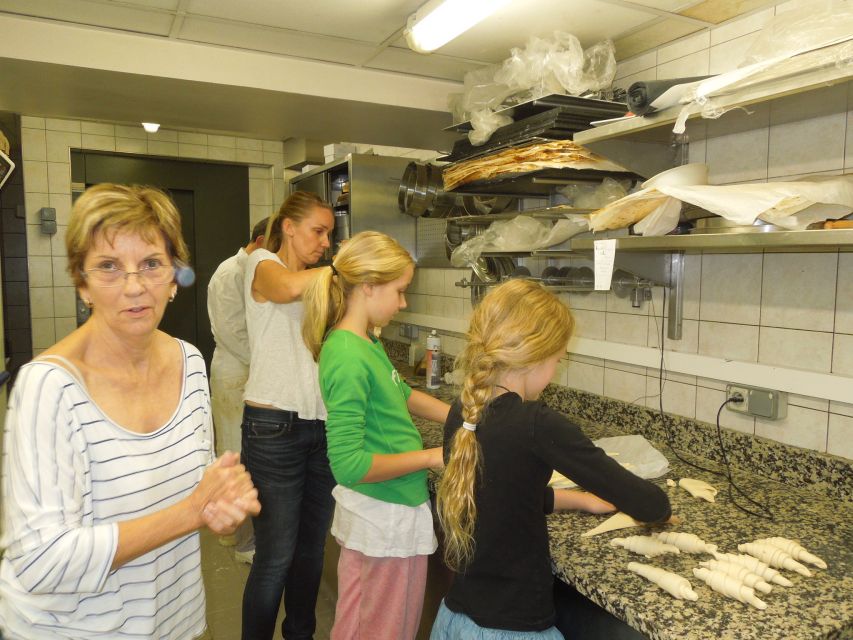
After breakfast, you go behind the scenes. You’ll see the workshop stations and the different steps that go into producing French bread and pastries. The big difference here is that you’re not in a staged cooking room with demo props. You’re in an operational boulangerie, with staff moving around and processes running in real time.
What I love about this kind of “day-to-day” access is that bread making is full of timing and repetition. Bakers don’t only rely on talent. They rely on routine, temperatures, fermentation schedules, and careful handling. When you see the layout and how stations connect, French baking becomes less mysterious and more logical.
Guides often help connect the dots by explaining why the dough changes over time and how ovens finish the job. In the sessions I’ve heard about, guides like Morad and David are known for combining a lot of background with a playful teaching style, so the bakery doesn’t feel like a lecture hall. It feels like a morning lesson in how people actually earn their crust.
The baguette lesson: what makes it crisp and light
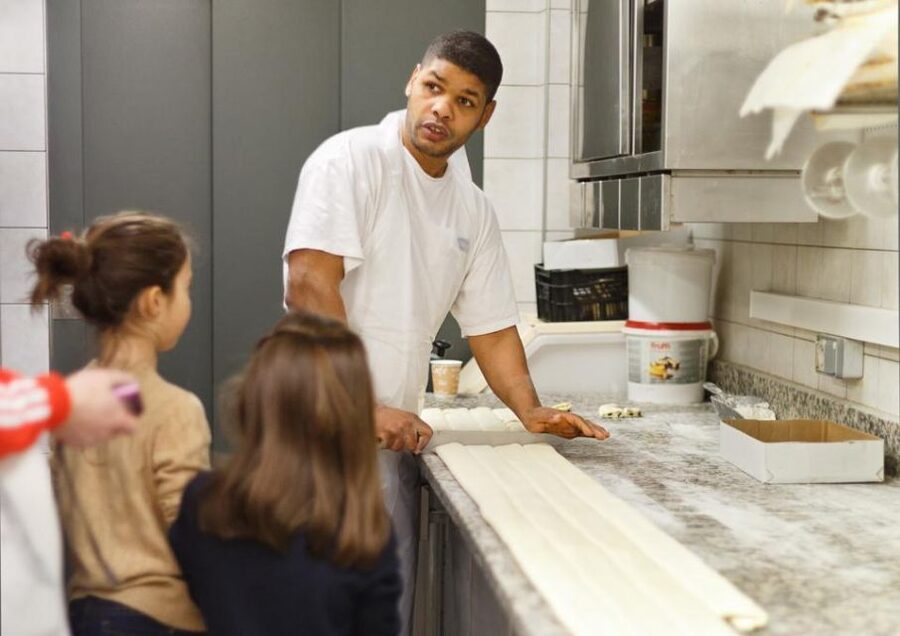
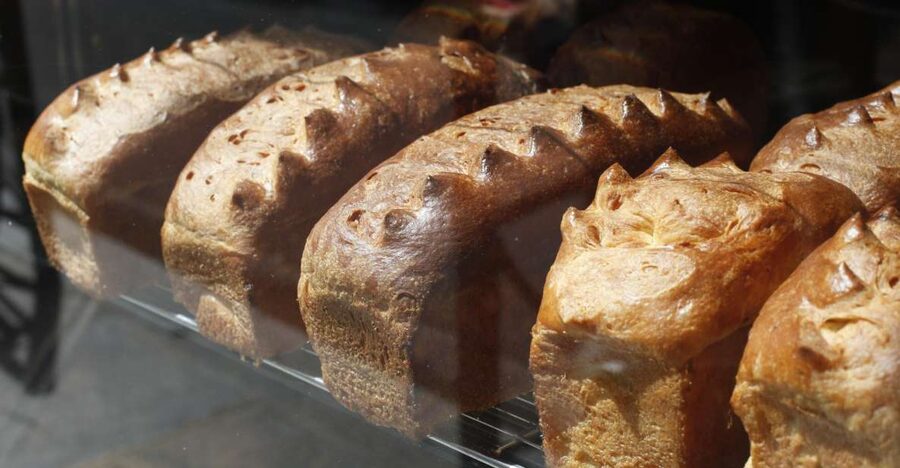
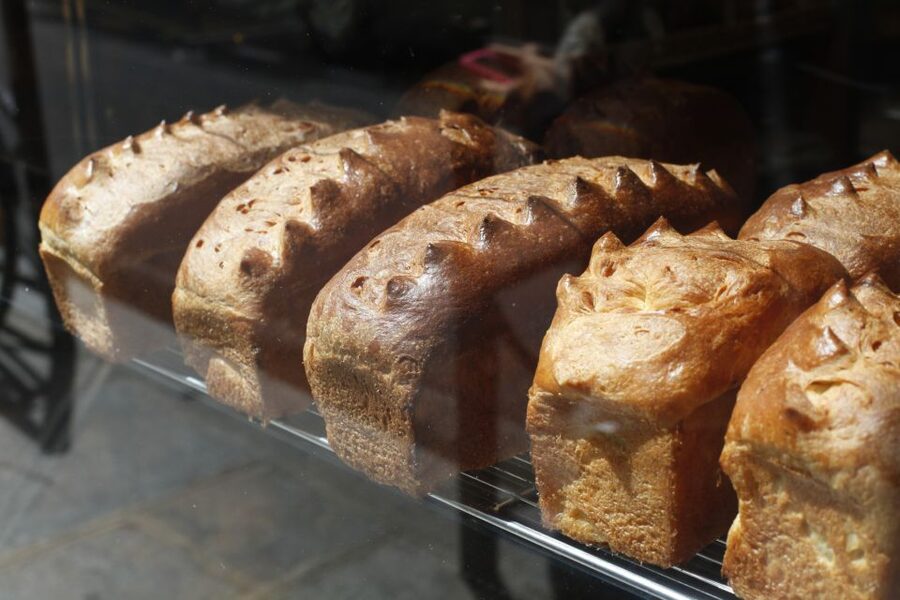
The baguette is the star of the show. The tour is built around the steps that go into baking a perfect crisp and light baguette. You’ll learn what happens before the first bake, what bakers pay attention to while shaping, and how the oven transforms dough into something with that classic crackly crust.
Even if you’re not doing every single technical action yourself, you still get the key understanding: French bread is a chain reaction. Handling affects the dough structure. Fermentation affects flavor and texture. Baking affects crust and final crumb. This is why the tour works well as an intro for beginners. It’s not about pretending you are a professional baker. It’s about learning the logic.
Many sessions are also described as hands-on, with participants shaping baguettes and getting involved in the bakery’s workflow in a way that feels real. You’ll also finish with your own freshly-made baguette, which turns learning into something you can actually taste and take home.
One small caution: baguettes are best eaten fresh, and they can lose their magic if you wait too long. So if you’re doing a second stop right after, consider your next plan as “bread-friendly.” More on storage later.
If this one is booked out, Paris has these too:
- Paris: 1-Hour Seine Cruise departing from the Eiffel Tower★ 4.4 · 77,472 reviews
- Disneyland® Paris 1-Day Ticket★ 4.6 · 49,412 reviews
- Paris: Versailles Palace and Gardens Full Access Ticket★ 4.6 · 41,579 reviews
- Paris: Arc de Triomphe Rooftop Tickets★ 4.6 · 34,264 reviews
Croissants, pastries, and the tasting strategy that makes it click
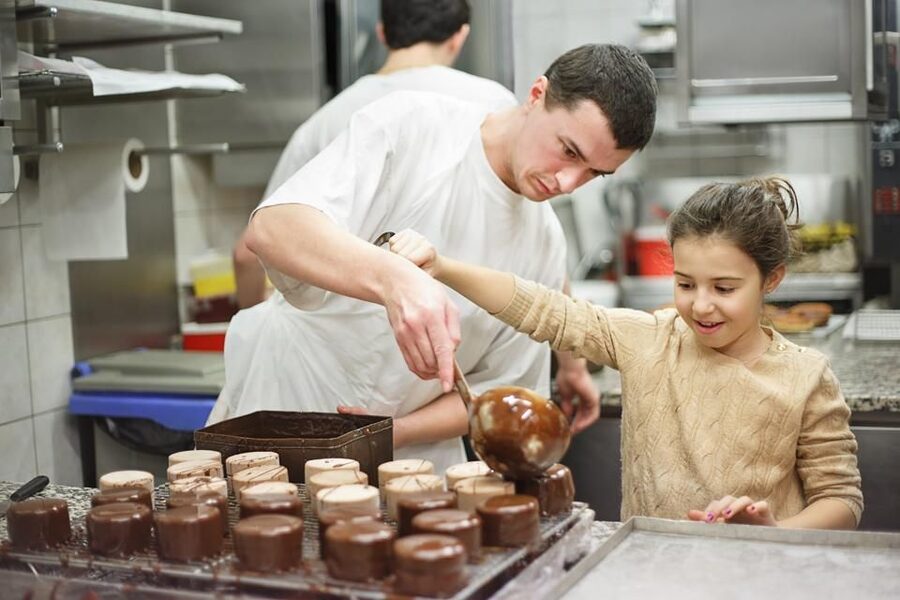
This isn’t just one product and done. You’ll spend time seeing and discussing a variety of items, and many tours include hands-on pastry moments beyond baguettes. In multiple sessions, participants have shaped or rolled items like croissants and also made pastries such as financiers.
Why that matters: croissants and baguettes teach different lessons. Croissants are all about layered technique and butter. Financiers and other small pastries often show how batter, mixing, and bake time produce a completely different texture. When you get exposure to more than one category, French baking stops feeling like one trick and starts feeling like a skill set.
You’ll also get tasting throughout. That’s not an extra, it’s how you learn. Take a small bite, then try to match the taste to what the guide is saying: crust feel, crumb texture, butter intensity, sweetness level. This is how the tour becomes memorable instead of just “I watched bread happen.”
Finishing with your freshly-baked baguette
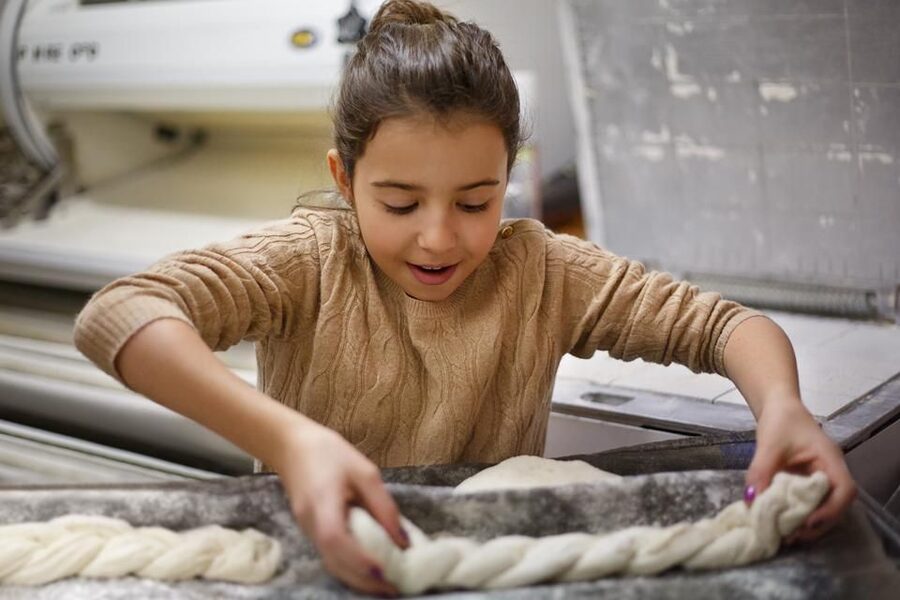
The best part of any bread experience is leaving with something warm-ish, aromatic, and very real. This tour ends with your freshly-baked baguette. You’ll walk out with the results of the morning, and you’ll be able to compare what you made with what you’ve eaten in bakeries before.
A practical way to think about it: this tour pays you back twice. First, you get the guided access inside a working bakery. Second, you get an edible souvenir that tastes like Paris, not like a generic take-home snack.
If you’re hungry later, your baguette can still help. If you’re doing a picnic, it’s easy to turn into lunch. If you’re heading home, consider how you’ll store it so the crust stays enjoyable.
Value check: is $123 worth it for 2 hours?
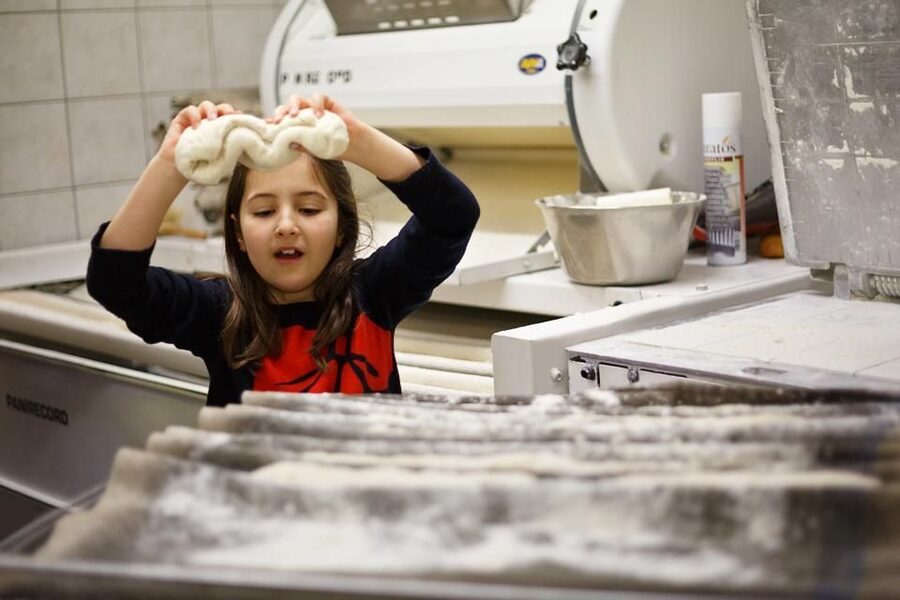
At $123 per person for a 2-hour small-group tour, the price only makes sense if you’re getting more than a brief talk and a few samples. Here, you are getting a working-bakery tour, breakfast included (croissants and pain au chocolat), and you leave with your own freshly-baked baguette. The small-group cap of 9 participants also matters, because it supports real interaction instead of funneling you past one station.
I also think the value is strongest if you care about food as culture. Bread making is not just a skill, it’s a daily practice. If you like learning how things work, this tour can be a highlight because it gives you a mental model for how French bakeries operate.
If you only want a quick pastry tasting and no hands-on component, you might consider a shorter food stop elsewhere. But if you want a guided morning with real bread output at the end, this is priced in a way that fits what’s included.
Who this bakery tour suits best (families, beginners, and bread nerds)
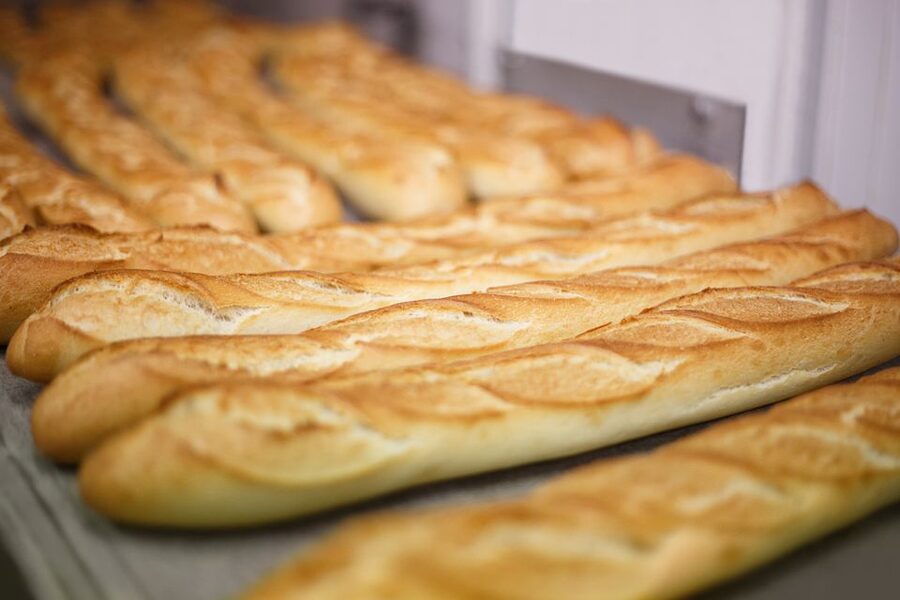
This tour works for a wide mix of people because it isn’t strictly technical. You learn the process, and you also get involved enough to feel the result.
It’s especially a good fit if you’re:
- A first-time visitor who wants one “local life” experience in addition to sightseeing
- A family looking for a fun food activity that keeps kids engaged
- A couple who wants a morning that feels different than another line at a museum
- A bread lover who wants the why behind the crust and crumb
One extra note from the reality of older bakeries: there may be stairs. If anyone in your group has mobility limits, it’s smart to ask in advance how stairs are handled during the tour so you’re not guessing once you arrive.
Practical tips for your 2-hour morning at Miss Manon
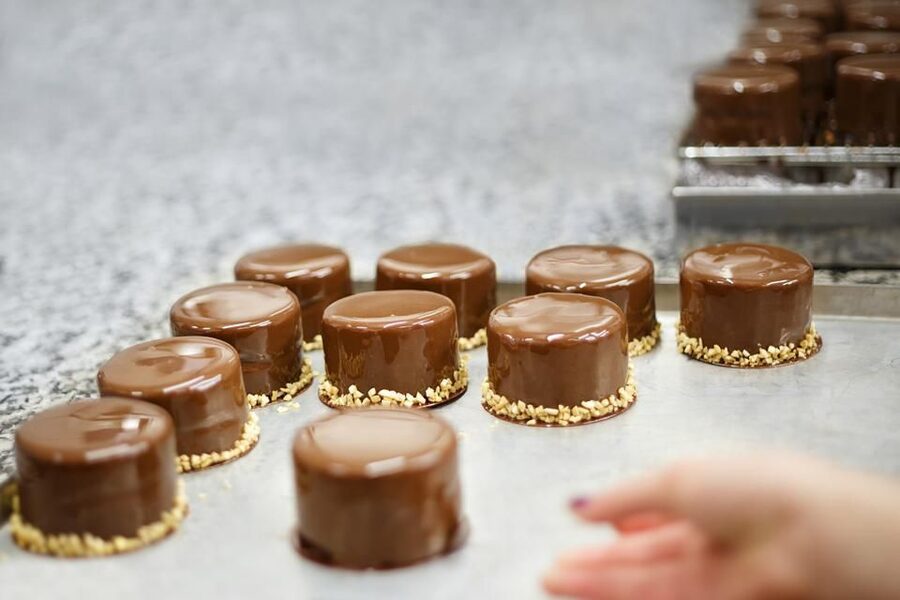
Keep your morning simple and close to the Marais. You have a 2-hour window, so plan your next activity with buffer time. Bring your camera, wear smart casual, and bring an appetite for butter and chocolate.
A few “do this, not that” tips:
- Do arrive early so you can settle in before the bakery gets busy around you.
- Do keep water in mind. You’ll likely be tasting multiple things.
- Do consider the stairs if you’re traveling with strollers or mobility needs.
- Do treat the baguette plan as part of the itinerary, not an afterthought.
Language is another practical detail. The tour includes a live guide who speaks English and French, so you can follow along smoothly even if your French is rusty.
Should you book this behind-the-scenes bakery tour?
If you want a Paris experience that is hands-on, edible, and rooted in daily life, I’d book it. The combination of breakfast plus working bakery access plus take-home baguette is a strong trio for the time and price.
I’d skip it only if you’re not interested in food learning at all, or if you need an activity that avoids stairs and movement through a real bakery space. Otherwise, this is exactly the kind of morning that makes Paris feel real, not just photographed.
If your schedule allows, I’d go. Then eat your baguette like it matters, because in that moment it does.
FAQ
What is the duration of the Paris bakery tour with breakfast?
The tour runs for 2 hours.
How much does the tour cost?
The price is $123 per person.
Where do I meet the guide?
Go inside the bakery and ask for the guide at Miss Manon, 87 Rue Saint-Antoine, 75004 Paris. The nearby Métro is Saint-Paul.
What’s included in the tour?
It includes the bakery tour, a traditional breakfast, and your freshly-baked baguette.
What breakfast foods are served?
Breakfast includes croissants and pain au chocolat.
How big is the group?
The tour is a small group limited to 9 participants.
What should I bring and wear?
Bring a camera. Wear smart casual.
What languages is the live guide available in?
The live tour guide is available in English and French.
Newest write-ups from Paris


Pastry and Macaron Classes, compared.
Montmartre Cheese, Wine & Pastry Guided Walking Tour
Read our review →
Award-Winning Paris French Bakery Experience — Le Marais, 4th Arr
Read our review →
Private Montmartre Food Tour with Wine, Cheese & Pastries
Read our review →
Paris French Sweets Tasting Tour with Pastries and Chocolates
Read our review →
Paris Croissant Small-Group Baking Class with a Chef
Read our review →
Paris Cooking Class: Learn How to Make Macarons
Read our review →Browse the lists this tour appears in