Reviewed · PARIS
Paris, between Crimes and Mysteries
Paris has a second face.
This tour swaps the usual postcard routes for a narrative walk through legends of crime and the odd corner where conspiracies and occult practices meet. I like how the guide keeps it grounded in place, starting at the Pont Neuf area and then steering you into the tighter, darker lanes around the Île de la Cité.
I also really enjoy the way the stories stretch across time, from older criminal cases all the way to famous modern fugitives. One drawback to keep in mind: it is story-heavy and symbols-and-superstition themed, so if you want classic monuments and panoramic views the whole way, you may feel a bit short-changed.
In This Review
- Key Things to Know Before You Go
- Setting the Tone at Pont Neuf, Henri IV to the Dark Side
- The “Belly” of Paris: Shady Deals, Superstitions, Esoteric Experiments
- Île de la Cité: Narrow Streets and the 36 Quai des Orfèvres Connection
- Crime Across Centuries: From Philip the Fair to Modern Fugitives
- Cursed Sites, Hidden Symbols, and Alchemy as Story Tools
- The Ending by the Médicis Column: Prophecy in Plain Sight
- Price and Value: What $17 Gets You in 90 Minutes
- Who This Tour Is Best For (and Who Might Prefer Something Else)
- A Quick Note on Guides and Style
- When to Book and How to Set Yourself Up for Success
- Should You Book Paris, between Crimes and Mysteries?
- FAQ
- What is the meeting point for the tour?
- How long is the tour?
- What language is the guide?
- What should I bring?
- What is included in the price?
- Is free cancellation available?
- Can the itinerary change on the day of the tour?
Key Things to Know Before You Go
- Starts at Pont Neuf with Henri IV vibes and quickly sets a darker tone than you expect.
- Focuses on the “belly” of Paris, where shady dealings and superstitions shape the feel of the streets.
- Île de la Cité is the core stop, tied to the 36 quai des Orfèvres area and major cases.
- A true-crime timeline in 90 minutes, moving through eras and building a clear narrative thread.
- Alchemy, hidden symbols, and cursed sites show up as story elements, not just costumes.
- Ends at the Médicis Column, an astrological marker that leaves you with one last eerie note.
Worth a comparison before you book. Others in Paris covering the same ground:
- Paris: 1-Hour Seine Cruise departing from the Eiffel Tower
★ 4.4 · 77,472 reviews - Disneyland® Paris 1-Day Ticket
★ 4.6 · 49,412 reviews - Paris: Versailles Palace and Gardens Full Access Ticket
★ 4.6 · 41,579 reviews - Paris: Arc de Triomphe Rooftop Tickets
★ 4.6 · 34,264 reviews
Setting the Tone at Pont Neuf, Henri IV to the Dark Side
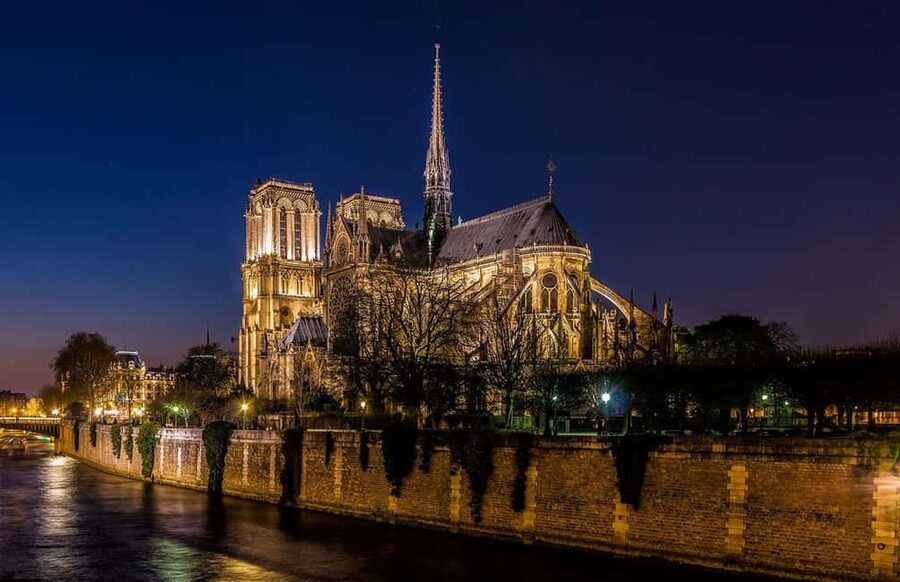
The experience kicks off at street level on the Pont Neuf, in front of the equestrian statue of Henri IV, at 15 Place du Pont Neuf. This is a smart start. You get your bearings fast in a classic Paris hub, and then the guide nudges you away from the familiar and into the city’s darker storytelling mode.
Pont Neuf is one of those places where you can feel the city’s layers. So even before the first big legend lands, you are already standing at a crossroads point between history, power, and everyday movement. Then the tour begins to fold in the theme: crime, conspiracies, and the occult practices people tried to hide in plain sight.
I like that this is not framed as a cheap ghost hunt. It feels more like a guided walk through how myths, investigations, and fears get attached to specific corners of Paris. The result is that the route feels intentional, not random.
The “Belly” of Paris: Shady Deals, Superstitions, Esoteric Experiments
After the opening, you move from the broad, public feel of the river bridge area into the tighter, more intimate parts of the city described as the belly of Paris. That phrase matters. It signals what you are really doing on this tour: you are chasing the atmosphere of negotiation, rumor, and secret knowledge, not just seeing famous sights.
The guide takes you through lanes associated with lingering superstitions and esoteric experiments. You will hear how symbols show up in stories, how certain places become shorthand for fear, and how people built explanations for the things they could not control. If you like puzzles, you will probably enjoy spotting how the guide ties a legend to the physical space you are walking through.
This section is also where the tour’s “crime and occult” idea gets practical. You start to understand that the darkness here is not only about violence or criminals. It is also about secrecy, power, and the human urge to read meaning into the unknown.
The one thing to be realistic about: this portion is designed for storytelling. Wear comfortable shoes, because the pace is built around narration and turning corners, not around frequent long stops for photos.
Île de la Cité: Narrow Streets and the 36 Quai des Orfèvres Connection
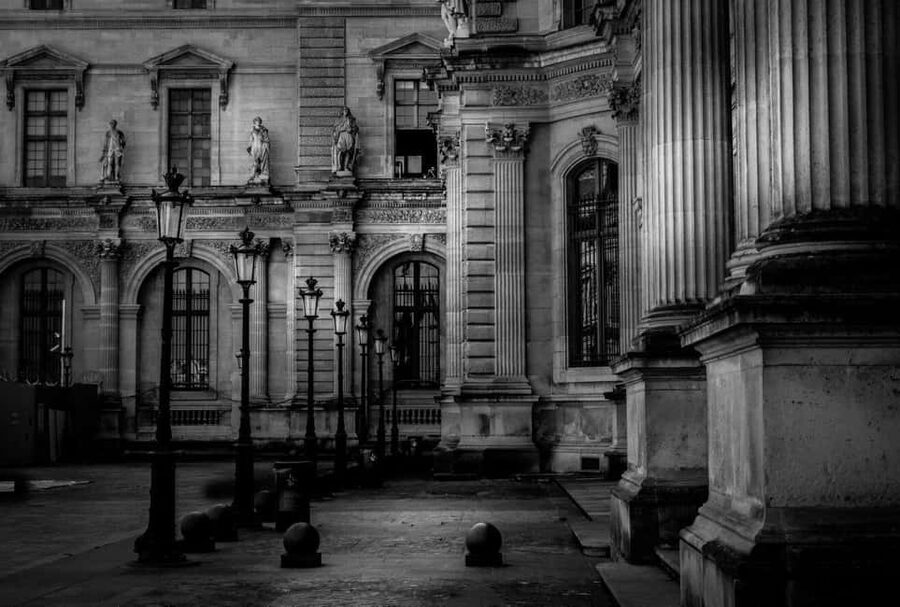
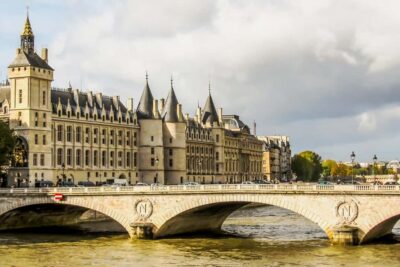
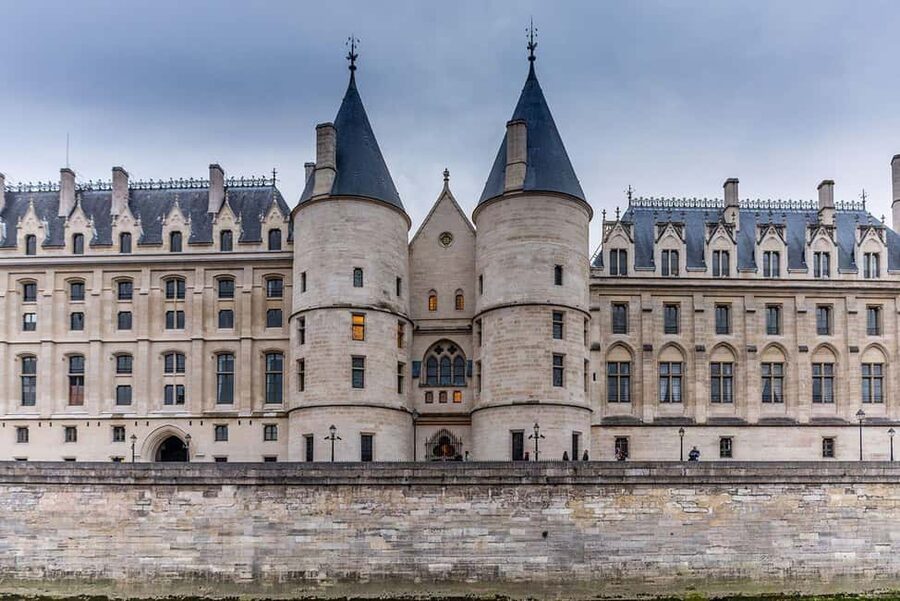
Next, you shift into the Île de la Cité area, which the tour treats like a long-time stronghold for law, investigation, and intrigue. This is the heart of medieval and old Paris energy, and it fits the tour theme perfectly because these streets feel made for secrets to survive.
A key anchor here is the 36 quai des Orfèvres, mentioned as a backdrop to the tales that built the city’s dark legend. Even if you do not know the full background of that address, you get the point quickly: it is tied to criminal history, and it adds weight when the guide revisits big cases.
Walking through Île de la Cité on foot changes the story feel. You are not looking at a district from a distance. You are moving through it, and the guide’s criminal-case retellings land better because the streets are narrow, the corners are real, and the city feels compact enough for conspiracies to move quietly.
If you like locations that link directly to events, this part delivers. The route is not just “mysterious Paris.” It is Paris tied to investigations and famous figures.
Crime Across Centuries: From Philip the Fair to Modern Fugitives
One of the biggest strengths of Paris, between Crimes and Mysteries is its time range. The guide revisits major criminal cases from the reign of Philip the Fair, then jumps forward into the era of notorious fugitives such as Lacenaire, Cartouche, and Mesrine, plus other lesser-known names that still matter to the overall narrative.
This matters for value. In 90 minutes, you get more than one era. You also get the sense that crime stories are not isolated events. They become part of Paris’s mythology, passed along and repackaged over time.
The names help set expectations. Lacenaire and Cartouche are often linked to famous criminal legends, while Mesrine is a well-known modern figure. Hearing them placed into a broader timeline makes it easier to see patterns, like how public fear evolves and how cities carry the reputation of their most infamous stories.
You do not need deep background reading ahead of time. The guide frames each case enough for you to follow, while still leaving room for the darker atmosphere of symbols and superstition to do their work.
If this one is booked out, Paris has these too:
- Paris: Orsay Museum Entry Ticket★ 4.7 · 25,647 reviews
- Paris: Evening River Cruise with Music★ 4.4 · 22,721 reviews
- Paris: Eiffel Tower Entry Ticket with Optional Summit Access★ 4.4 · 20,035 reviews
- Eiffel Tower Dedicated Reserved Access Summit or 2nd Floor★ 4.3 · 18,352 reviews
Cursed Sites, Hidden Symbols, and Alchemy as Story Tools
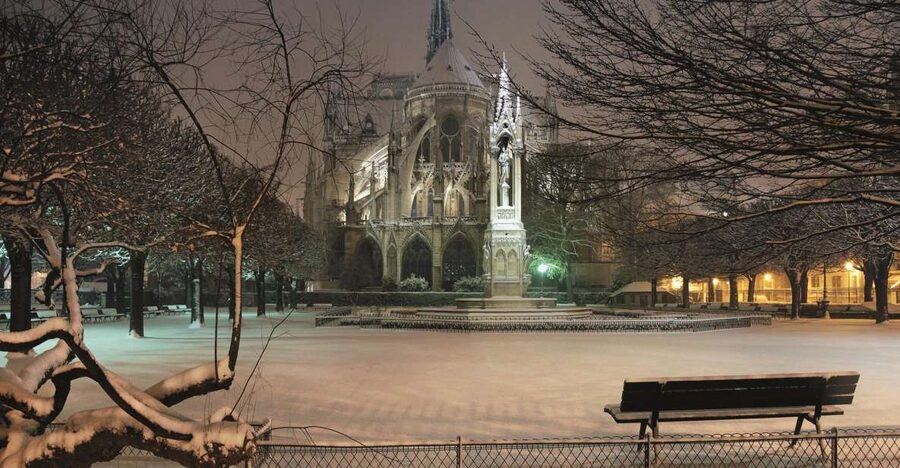
This tour’s occult angle stays focused on meaning rather than theatrics. You will encounter cursed sites, hidden symbols, and alchemy as elements woven into the criminal storytelling. The goal is not to turn you into a scholar. It is to show you how people in different eras attached secret knowledge to locations.
When the guide points out symbols, it tends to feel like a language lesson. You learn to notice how certain claims get repeated, how they become shorthand for power, and how the city becomes a map of meanings. It is a different way of sightseeing, because you are not just clocking architecture. You are decoding narrative clues in the environment.
If you enjoy true crime but also like the odd side of history, this is a sweet spot. The best moments are when the guide links an esoteric practice to a real sense of human fear, not just a random fantasy detail.
One practical consideration: because this is narrative heavy, you might want to go in with the right mindset. If you are exhausted, hungry, or rushing elsewhere, you will miss some of the connections the guide makes. Give yourself a calm window.
The Ending by the Médicis Column: Prophecy in Plain Sight
The tour ends before the Médicis Column, described as a mysterious astrological relic steeped in prophecy. Ending here is a smart choice because it closes the circle between crime storytelling and the occult theme without feeling forced.
Astrology and prophecy fit the overall vibe of the walk. They also act like a final punctuation mark. You finish with the sense that Paris is not only a place of events. It is a place of interpretation, where people imagined patterns, predicted outcomes, and built legends around what they thought they saw in the sky.
You also get an easy mental handoff for self-guided wandering afterward. If you feel like continuing, you are in a central area where you can transition back to classic sights and still feel the dark lens the guide gave you.
Price and Value: What $17 Gets You in 90 Minutes
At about $17 per person for a 90-minute guided tour, this is priced in the “small splurge, high story value” category. You are not paying for transportation or museum entry beyond what the tour includes. You are paying for an organized walk plus the guide’s narrative skill.
That is key to how to judge value. In Paris, many paid walking tours charge more when you add big-ticket landmarks. Here, the main draw is interpretation. The guide turns regular streets into a chain of clues, and that can feel surprisingly worth it if you enjoy narrative travel.
It is also a good time fit. Ninety minutes is long enough to build a storyline, but short enough that you can pair it with other parts of your day. I like this for travelers who want something different from the standard Eiffel Tower and Louvre routine.
Who This Tour Is Best For (and Who Might Prefer Something Else)
This experience is a strong match if you like:
- True crime storytelling with a historical timeline
- Legends and symbolism tied to real places
- A darker, moodier way to experience central Paris streets
It is also good if you are traveling with someone who likes mysteries, puzzles, and the idea that history has shadows.
You might not love it as much if you want:
- Lots of time for panoramic viewpoints and photo stops
- A monument-focused itinerary with long context about art or architecture
- An in-depth occult lecture where you expect heavy factual detail on practices themselves
A Quick Note on Guides and Style
The tour runs with a French live guide. One guide name mentioned in feedback is Elisabeth, praised for being super friendly, and that fits the overall tone you will want: warm enough to keep the stories engaging, not so intense that it feels like a lecture.
If you prefer interactive storytelling, pay attention to how the guide uses turns in the route. The best parts often come right after a street change, when the setting helps the story make sense.
When to Book and How to Set Yourself Up for Success
This is an easy choice to slot into a busy Paris day because it is only 90 minutes and centered around iconic meeting-point geography. I suggest booking at a time when you are not rushed, since late arrivals cannot be compensated with a refund or rescheduled tour.
Also plan on doing it with your feet in mind. Comfortable shoes are the real “must-have” here, because you are walking through narrow streets and keeping pace with the narrative.
If you want the most satisfaction, treat it like story time on the street. Read the vibe, slow down at corners, and let the route guide your imagination.
Should You Book Paris, between Crimes and Mysteries?
Yes, if you want Paris in a darker key. This tour is built for people who enjoy true crime, legends, and the way myths cling to places. The 90-minute length makes it realistic, and the specific anchors like Île de la Cité and the 36 quai des Orfèvres connection give it more credibility than generic “mystery walks.”
Skip it if you mainly want classic sightseeing or if the occult theme would feel like a gimmick to you. But if you are curious about how crime stories become part of the city’s identity, this is one of the better value options for a ticketed guided walk.
FAQ
What is the meeting point for the tour?
You meet on the Pont Neuf, in front of the equestrian statue of Henri IV, at 15 Place du Pont Neuf, 75001 Paris.
How long is the tour?
The tour lasts 90 minutes.
What language is the guide?
The tour is guided in French.
What should I bring?
Wear comfortable shoes, since you will be walking through the streets.
What is included in the price?
The tour includes a guided tour and an entry ticket (tour).
Is free cancellation available?
Yes. You can cancel up to 24 hours in advance for a full refund.
Can the itinerary change on the day of the tour?
It can be modified on the day for security or technical reasons. In that case, refunds are not available. Also, latecomers cannot be compensated with a refund or rescheduled tour.