
Reviewed · NOTRE-DAME CATHEDRAL TOURS
Paris: City Center Walking Tour w/ Notre Dame 12 guests 2,5h
Paris clicks into place on foot. This 2.5-hour city-center walk links Île de la Cité to the Louvre area with time to actually look, not just rush.
I especially like the small-group size (up to 12), because the guide can tailor the pace and what you focus on. I also like that Notre Dame Cathedral entry is included, so you get past the usual outside-only photos.
The main drawback is the moderate walking. This route is not designed for wheelchair users or people with mobility impairments, so plan comfortable shoes and a realistic stamina level.
In This Review
- Key takeaways before you go
- Rue de Lutèce meeting point and the small-group rhythm through Paris
- Île de la Cité: Notre Dame Cathedral entry and the island mindset
- Palais de Justice, Sainte-Chapelle, Conciergerie: legal Paris meets medieval sparkle
- Place Dauphine, Henri IV on Pont Neuf, and the art lessons of Pont des Arts
- Palais-Royal to the Louvre edge: why walking by the Louvre works
- Tuileries Gardens and Place de la Concorde: the calmer stretch that ends strong
- What 2.5 hours really means, plus what to wear and bring
- Price and value: is $61 a smart deal for Paris city-center stops?
- Who should book this Notre Dame and Louvre-focused walking tour?
- Should you book this Paris city-center walk with Notre Dame?
- FAQ
- How long is the Paris City Center Walking Tour with Notre Dame?
- What is included, and is Notre Dame entry part of the price?
- Where do I meet the guide?
- What languages are available for the live guide?
- Can I bring a large bag or suitcase?
- Is the tour wheelchair accessible, and what if museums close?
Key takeaways before you go
- Up to 12 guests per guide keeps the tour feeling personal and flexible
- Notre Dame Cathedral entry means real time inside, not just a street view
- You’ll link Île de la Cité, bridges, Palais-Royal, and the Louvre area in one efficient loop
- Sainte-Chapelle and Conciergerie are passed with context, so they make sense historically
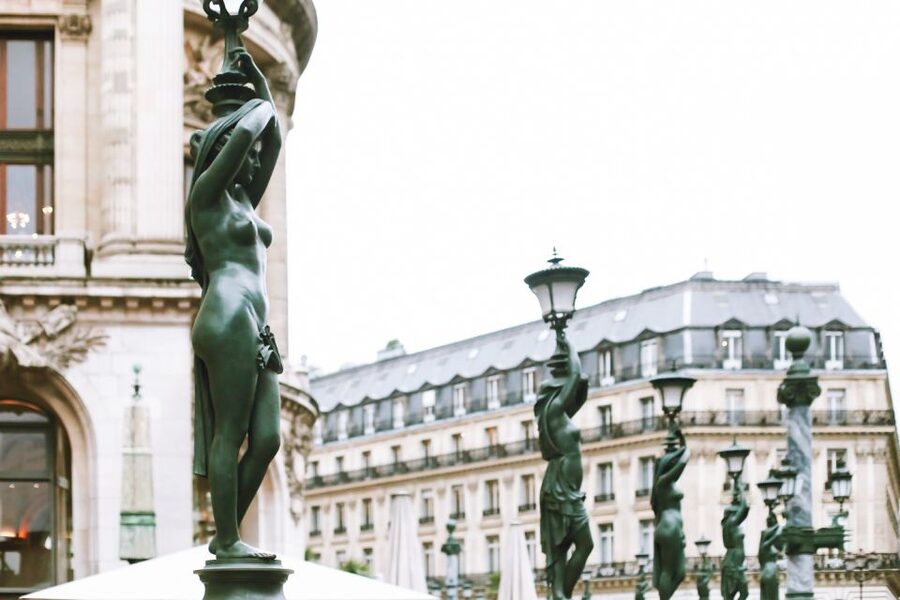
- You get a mix of big landmarks and quieter corners, including sculpted memorial-style details
- The route includes long, continuous strolling, with Tuileries Gardens as a welcome reset
More visits around Notre-Dame:
- Paris Île de la Cité and Notre-Dame Walking Tour With Crypt
★ 5.0 · 2,272 reviews - Paris: Notre-Dame Cathedral Exterior Tour
★ 3.9 · 1,722 reviews - Paris: The Notre Dame Experience with Multiple Tour Options
★ 4.7 · 1,612 reviews - Paris: Eternal Notre-Dame VR Experience Ticket
★ 4.4 · 1,150 reviews
Rue de Lutèce meeting point and the small-group rhythm through Paris
You start at 1 Rue de Lutèce, by the metro exit called Cité (Line 4). The meeting point is outside the station, on the opposite side of the stairs, right next to the Metro sign CITÉ. It is an easy start once you’re on the right side of the street, and being near Île de la Cité helps you settle into the historic core fast.
The tour is designed for a max of 12 guests per guide, which changes the feel immediately. With a group that size, you are more likely to get answers to questions, and you can follow along without constantly straining to hear. You also tend to get little detours or slower moments when something along the route deserves attention.
It is also a private or semi-private format. Private group is best if you want control over your focus. Semi-private can be great for cost value if you do not mind sharing the walk with a small mix of people.
One practical note: there is no hotel pickup and no food included, so you’ll want water and a plan for when hunger hits later. And since the tour is walking-based, the biggest factor in comfort is how your legs handle a steady pace for 2.5 hours.
Île de la Cité: Notre Dame Cathedral entry and the island mindset
Île de la Cité is where Paris feels oldest and most concentrated. The walk starts with a short transfer into the island area, then you land at Notre Dame Cathedral for an entry visit. Even if you’ve seen photos for years, this is the moment where the scale clicks. The cathedral’s gothic façade is the obvious draw, but the value here is the guided interpretation, so you’re not just looking, you’re understanding what you’re looking at.
The tour also leans into details people often miss. The route includes a pass by areas that feature artistic tomb stones and grave-related memorial details. That kind of sculpted stonework can feel strange at first, but in a historic city like Paris it tells you how faith, art, and public memory overlapped.
Another plus is timing. You’re not spending the whole afternoon battling lines or trying to guess where the best angle is. You get a focused cathedral stop and then you move on while the historic mood is still in your head.
A small caution: you should be ready for indoor rules and room-specific behavior. Some museum or cathedral interior spaces may require quiet or limit speaking, so keep your voice down and follow the guide’s cues. It keeps the visit respectful and usually more enjoyable.
Palais de Justice, Sainte-Chapelle, Conciergerie: legal Paris meets medieval sparkle
From Notre Dame, the route heads toward the heavier, official side of medieval Paris, where power was displayed through architecture. You pass Palais de Justice and then keep moving into the world around Sainte-Chapelle and Conciergerie.
Sainte-Chapelle is one of those places where a guided walk changes everything. From the outside you see the name and the silhouette. With context, you start to notice what the building is trying to communicate, and why people cared so much about stained glass and sacred space.
You also pass Conciergerie, which often gets a quick glance on the way to something else. Here, it is treated as part of a larger story. That matters because the island is not just romance and postcards. It is also courts, confinement, ceremonies, and everyday legal life that shaped the city.
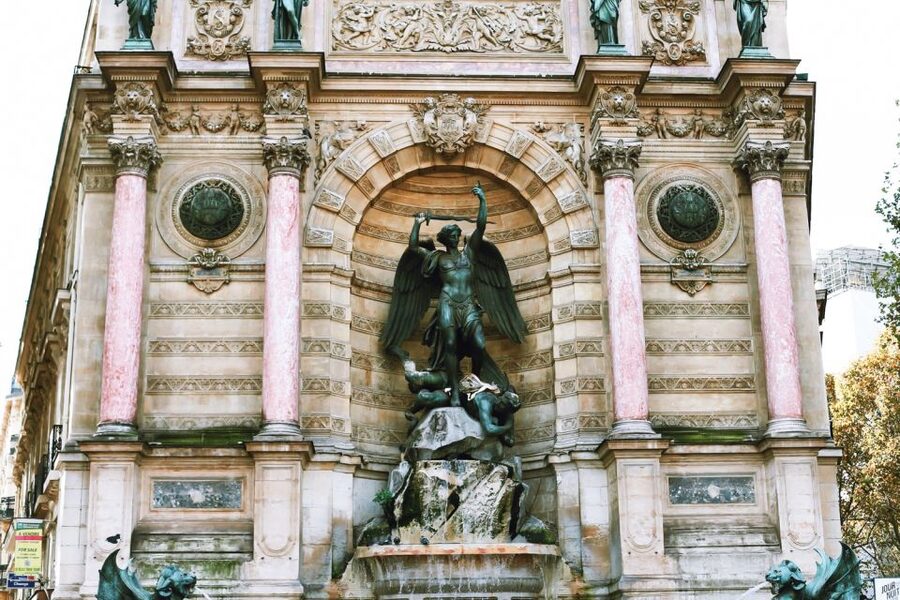
The tour even threads in the small, human touches. Along the route you pass La Fontaine Saint Michel, then continue toward calmer points like Place Dauphine. That switch from grand institutional stonework to a more lived-in feel is one reason this walk works well. It prevents the afternoon from becoming one long blur of monuments.
Place Dauphine, Henri IV on Pont Neuf, and the art lessons of Pont des Arts
After the palace-court area, you move toward Place Dauphine, a square that helps you slow down. It is not the biggest sight on the map, but it’s the kind of place where you can reset your eyes before heading back to the river.
Then comes one of the easiest photo wins with real historical weight: the route passes the equestrian statue of Henri IV. It is an iconic Paris signal, but it also works as a moment to talk about how rulers wanted to be seen. Public sculpture in Paris is not random decoration. It’s politics in stone.
Next you cross into bridge territory. You pass Pont Neuf and then Pont des Arts. Bridges are more than shortcuts in Paris, they are social stages. You start noticing how people use them for views, how they frame monuments, and how the Seine acts like the city’s central visual axis.
This is also where the “secret corners” promise becomes real. The tour route isn’t just about the most famous postcard angles. It nudges you to look along the river edges and notice quieter views between big structures. That is where Paris can feel like Paris, not like a checklist.
If you like architecture and city design, this segment is a highlight because it connects form (bridges, statues) to function (movement, gathering, visibility).
Other arrondissements taken at walking pace:
- Paris Top Sights Half Day Walking Tour with a Fun Guide★ 5.0 · 2,893 reviews
- Montmartre Hidden Gems and Scenic Highlights Walking Tour★ 5.0 · 2,684 reviews
- Montmartre Hill French Gourmet Food and Wine Tasting Walking Tour★ 5.0 · 2,588 reviews
- Paris: Montmartre Highlights Walking Tour with a Local Guide★ 4.9 · 2,318 reviews
Palais-Royal to the Louvre edge: why walking by the Louvre works
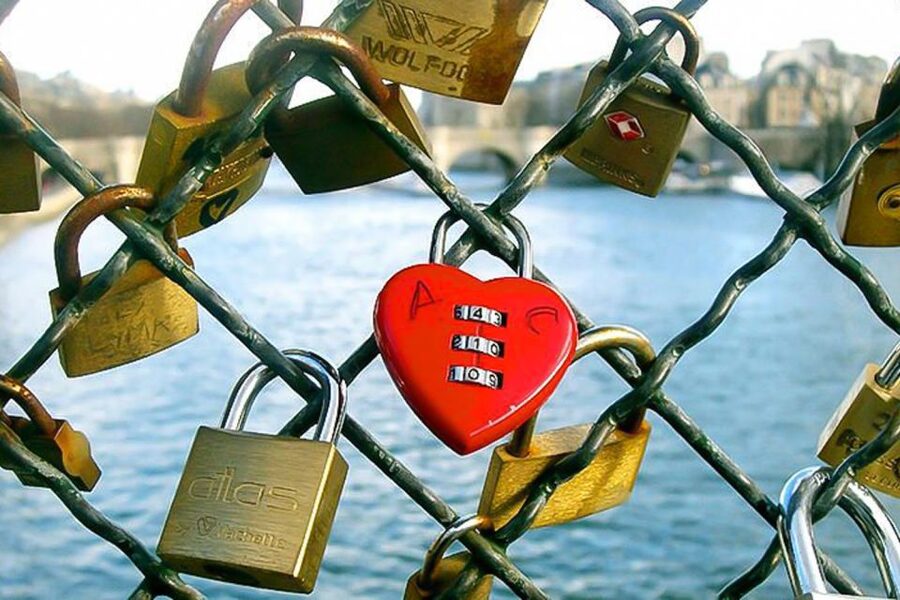
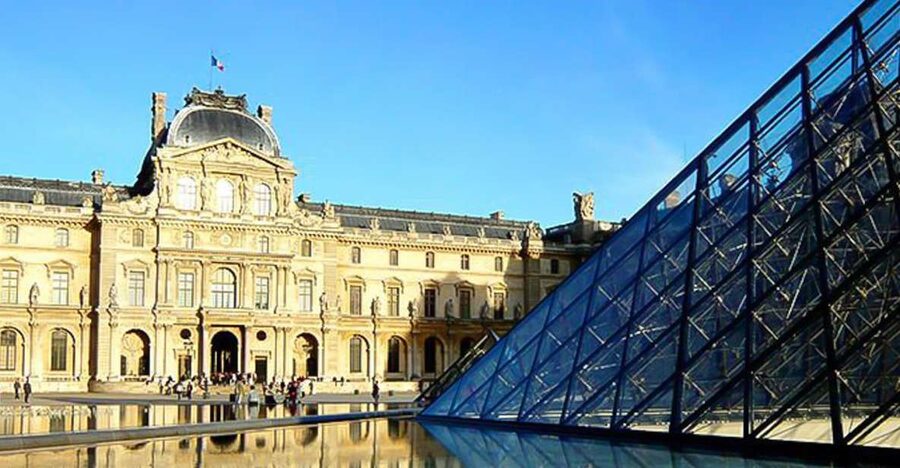
This tour brings you from the historic core toward the grand cultural magnet of the Louvre Museum. You do not do a full internal museum day here. Instead, you walk by the Louvre and keep your focus on placement: how it sits in the city plan, how the surrounding spaces shape your approach, and how the skyline cues tell you where you are.
Before you reach the gardens, you pass Arc de Triomphe du Carrousel, which helps link the Louvre zone with the wider ceremonial axis of Paris. It’s a good pacing trick. Seeing an “in-between” monument before you enter a long open garden area keeps you from feeling like you are waiting to breathe.
A practical heads-up: museum operations can change. There are times when closures happen without prior warning from museum management. If the delay is more than one hour from the tour start time, the group is provided an appropriate alternative. Still, refunds or discounts are not provided in those cases, so it’s smart to stay flexible.
Inside rule reminders also matter here. Some areas have quieter or restricted communication expectations, and room access can vary by season. Your guide will adapt to what is open and what isn’t, but you should assume this is a route built for movement, not a guaranteed full museum experience.
Tuileries Gardens and Place de la Concorde: the calmer stretch that ends strong
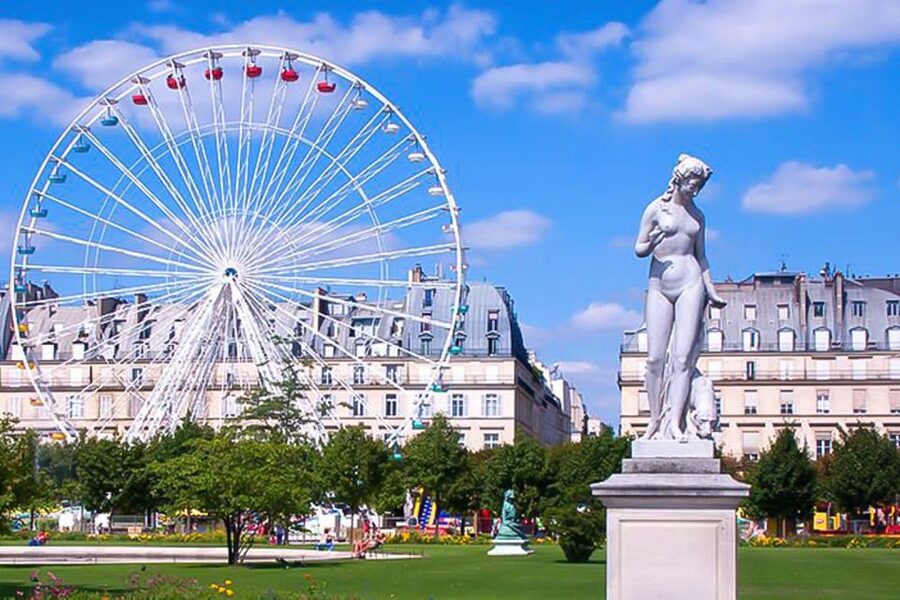
Once you hit the garden zone, you get a real change in tempo. The tour includes Tuileries Gardens with about 20 minutes of walking. This is where you can absorb the city without climbing stairs or crowding into indoor spaces. Gardens are not just scenery here. They act like a visual reset between the intense historic segments and the grand final stretch.
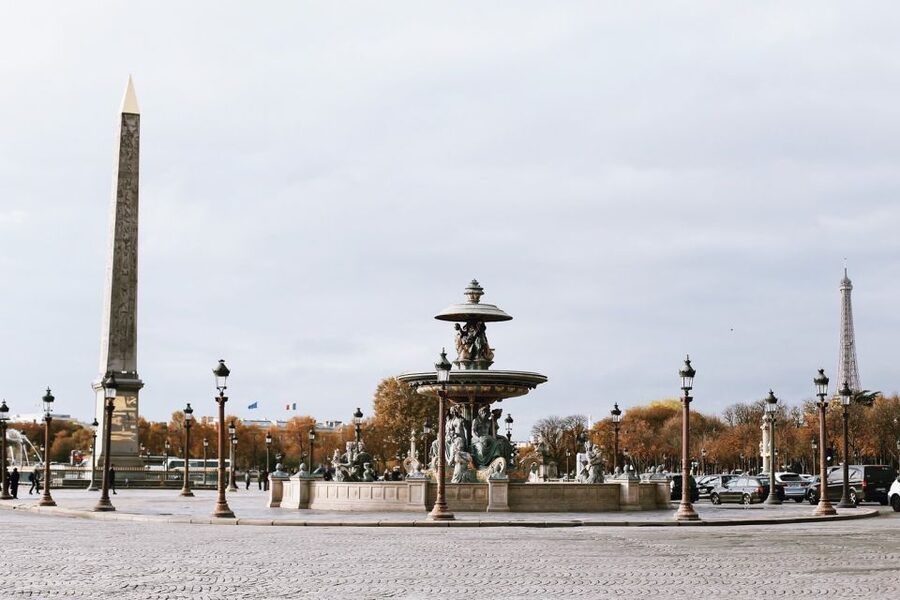
After the Tuileries, you reach Place de la Concorde. This square is a perfect end point because it’s about scale and direction. Even if you are not spending much time in one spot, the space tells you how Paris organizes its grand boulevards, and it sets you up to understand the city’s famous street logic.
The tour description also points you toward the feel of the big axis, including the draw of Champs-Élysées. Even if you do not linger there for a long time, you leave with the sense of where the city wants you to walk next. That’s a big value of a timed walking tour: it gives your day a line to follow.
What 2.5 hours really means, plus what to wear and bring
This is 150 minutes, and it’s a walking tour. That sounds short until you stack multiple “pass by” segments, a short visit inside Notre Dame, and the time needed to walk between the island, bridges, and the garden zone. You should assume you will be on your feet most of the tour.
So plan the basics:
- Wear comfortable walking shoes. Paris cobblestones and stone sidewalks add up fast.
- Bring an ID card or passport.
- Avoid large bags or luggage, since they are not allowed.
The meeting point also matters because you are starting at street level near the metro. If you are late, you may lose the tight pacing. If anything urgent comes up, you can contact the guide, and their details are sent to your email by the morning of the tour (check spam if it doesn’t appear). The provider is Babylon Tours Paris.
Also note that the guide is a professional art historian. That means you’re not just getting directions or trivia. You’re getting interpretations designed to connect buildings, art choices, and why Paris developed like it did.
Price and value: is $61 a smart deal for Paris city-center stops?
At $61 per person for a 2.5-hour walk that includes Notre Dame Cathedral entry, you’re paying for three things: a specialist guide, access to at least one major interior site, and an efficient route that threads together multiple iconic Paris zones.
Compared to DIY walking, the guide value is mostly about time. Paris can eat time if you stop to figure out what you’re looking at and why it matters. Here, the “what am I seeing and what should I care about” layer is handled for you.
Compared to doing only big-ticket landmarks, this tour has a better balance. You get the famous ones, but you also spend enough time on bridges, squares, and garden space that it doesn’t feel like you are sprinting from one entrance to the next.
Is it cheap? No tour in central Paris is truly cheap. But small-group format, a specialist art historian, and entry included is why $61 can feel reasonable for many people, especially if you want a guided structure without a whole-day commitment.
Rating-wise, the tour sits at 4.2 based on the available verified bookings. That is not a perfect 5, but it does align with the tour style: personal pace, friendly guide energy, and a route that stays engaging even when the walking is longer than expected.
Who should book this Notre Dame and Louvre-focused walking tour?
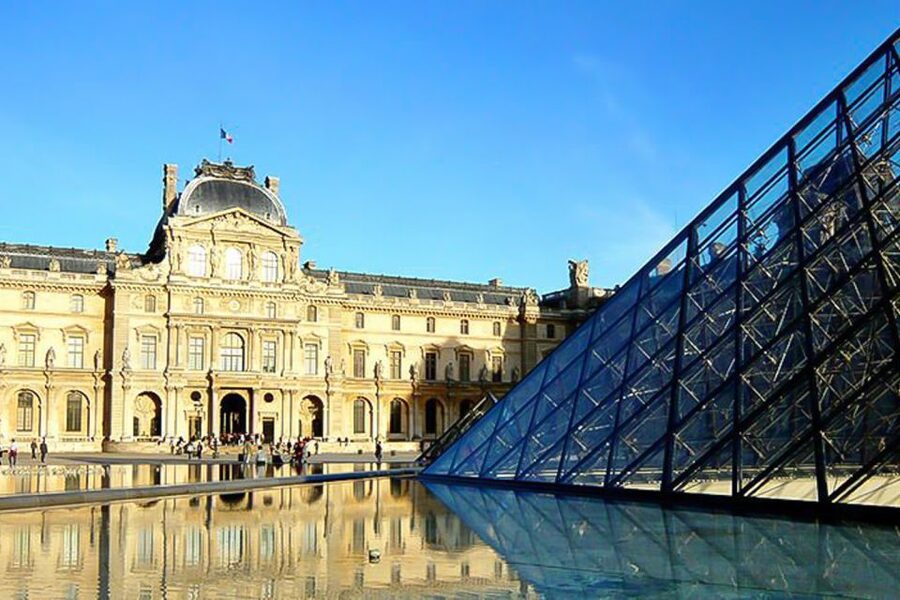
This tour fits best if you want a “greatest hits” feel with actual guidance, not just a list of monuments. You’ll likely enjoy it if you:
- Like art and architecture context, especially across medieval to classic Paris
- Want to see Notre Dame and Louvre area landmarks within one compact morning or afternoon
- Prefer a small-group experience where the guide can adapt
It is also ideal if you enjoy side moments like quiet squares and river views, including the sculpted memorial-type details you may pass along the way.
It may not be the best pick if you need step-free routes or have limited walking tolerance. The tour is described as moderate walking and is not suitable for mobility impairments or wheelchair users in the semi-private format. Wheelchair tours are only available on request, so if that applies to you, message the provider first and confirm the right format.
Should you book this Paris city-center walk with Notre Dame?
If your goal is to get oriented fast in central Paris, this is a solid choice. You leave with a clear path through Île de la Cité, the cathedral interior, river bridges, Palais-Royal and Louvre area landmarks, and the open-air calm of the Tuileries, ending at Place de la Concorde. It’s a route that makes the city feel connected instead of fragmented.
Book it if you want:
- Notre Dame entry included
- a guide who can keep things personal with a group up to 12
- a balance of huge sights and smaller, quieter urban moments
Skip it if you hate walking or you need accessibility accommodations that the standard format cannot support. Also, if you expect a deep Louvre museum experience, this is not that kind of tour. It’s about getting the big picture and seeing what matters along the way.
FAQ
How long is the Paris City Center Walking Tour with Notre Dame?
The tour duration is 150 minutes, which is about 2.5 hours.
What is included, and is Notre Dame entry part of the price?
The tour includes a professional art historian guide, the walking tour itself, and entry to Notre Dame Cathedral. Food and drink are not included.
Where do I meet the guide?
Meet at 1 Rue de Lutèce, at metro exit Cité (Line 4). Go outside the exit, on the opposite side of the stairs, next to the Metro sign CITÉ.
What languages are available for the live guide?
The live guide is available in Russian, German, Spanish, French, Italian, and English.
Can I bring a large bag or suitcase?
No. Luggage or large bags are not allowed.
Is the tour wheelchair accessible, and what if museums close?
Wheelchair tours are available only on request, but the semi-private tour is not available for wheelchair users or those with walking disabilities. Museum closures can happen without previous warning, and if a museum opening is delayed by more than 1 hour from the tour starting time, the guide will provide an appropriate alternative, while refunds or discounts are not provided in those cases.
Newest write-ups from Paris






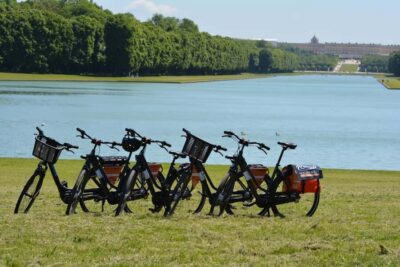
Notre-Dame Cathedral Tours, compared.
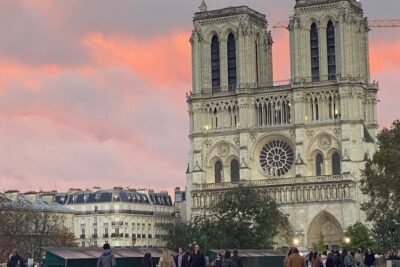
Paris Île de la Cité and Notre-Dame Walking Tour With Crypt
Read our review →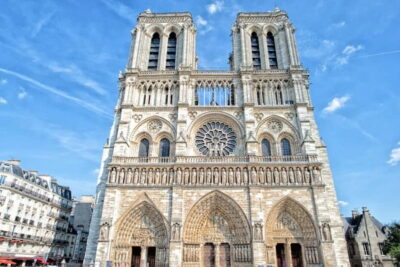
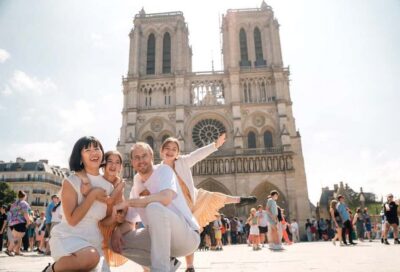
The Notre Dame Experience with Multiple Tour Options
Read our review →
Notre-Dame Cathedral Interior and Exterior Guided Tour
Read our review →
Notre-Dame Guided Tour with Multiple Entry Options
Read our review →
Paris Highlights Bike Tour: Eiffel Tower, Louvre and Notre-Dame
Read our review →
Browse the lists this tour appears in