Reviewed · PARIS
Paris: Color analysis
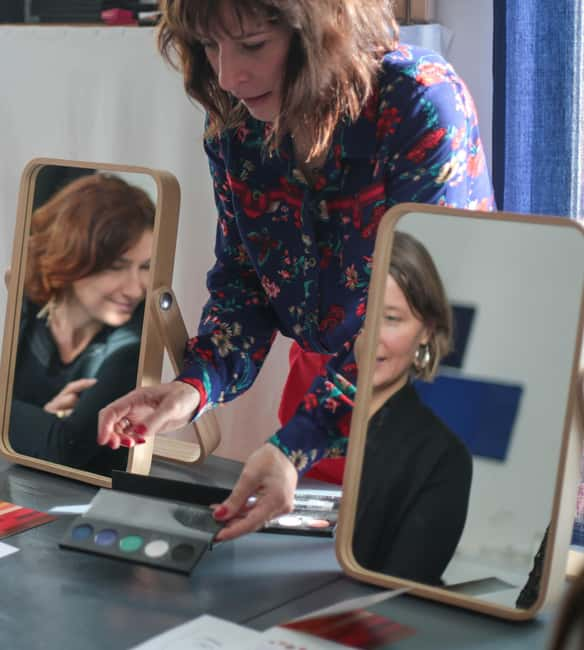
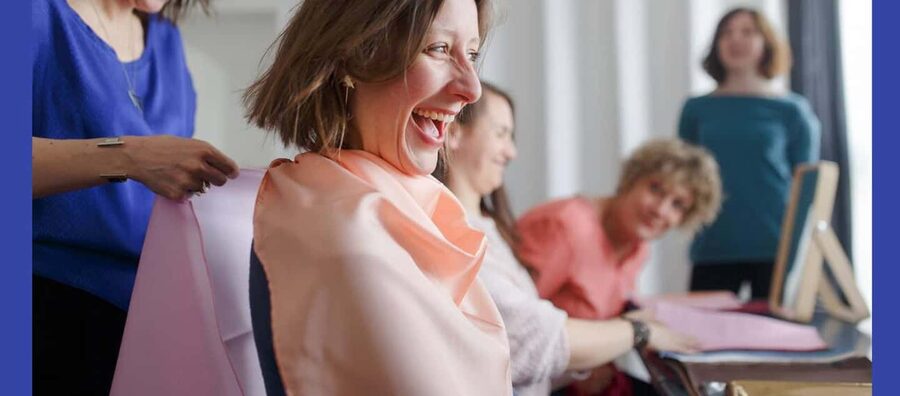
Color can change everything, fast. In this Paris workshop, you get fabric draping to identify what flatters you best, then you leave with shopping-ready guidance for clothes, accessories, makeup, and even hair color. Run by Parisian stylist Christelle Macia, the session is built for real-life use, not vague labels.
Two things I especially like: you get personalized answers using draping (not the usual one-size-fits-all 4 seasons system), and you walk out with a color book plus a pocket chart you can take to stores. The advice is also practical, including specific guidance for makeup and how to choose colors around your face.
One consideration: the workshop is on the 5th floor with no elevator, so plan on using the stairs. You also need to come makeup-free, then bring your makeup in a bag and your glasses to help check tones.
In This Review
- Key highlights you will feel right away
- Draping color analysis in Paris, why this method matters
- Your 60-minute color analysis, what happens step by step
- Warm vs cold and bright vs soft, how the results translate
- Turning advice into shopping wins for clothes, accessories, and makeup
- Hair color recommendations, not guesswork at the salon
- Your colorbook and pocket chart, the best souvenir for future you
- Canal Saint Martin location and what to bring on the day
- Price and value, is $165 reasonable for one hour?
- Who this color analysis workshop is for
- Should you book this Paris color analysis?
- FAQ
- How long is the Paris color analysis workshop?
- What method is used for the color analysis?
- What language is the workshop taught in?
- Do I need to come makeup-free?
- Where is the meeting point?
- What do I receive after the workshop?
- Can I cancel or pay later?
Key highlights you will feel right away
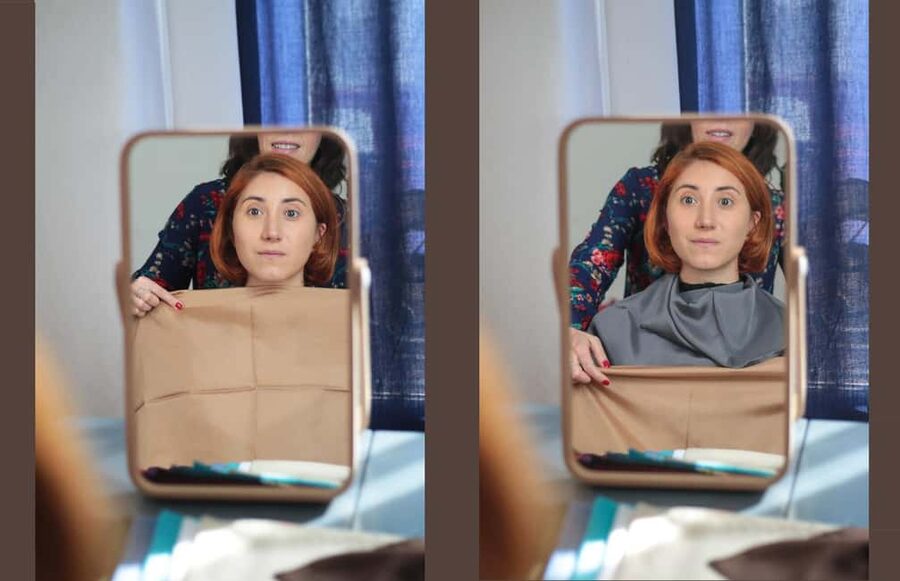
- Draping method replaces rigid 4-season boxes
- Warm/cool and bright/soft are translated into wearable choices
- Concrete makeup guidance you can test with the colors
- Hair shade recommendations to match your undertone and contrast
- Color book and pocket chart for independent shopping
- Private group with French and English support
Worth a comparison before you book. Others in Paris covering the same ground:
- Paris: 1-Hour Seine Cruise departing from the Eiffel Tower
★ 4.4 · 77,472 reviews - Disneyland® Paris 1-Day Ticket
★ 4.6 · 49,412 reviews - Paris: Versailles Palace and Gardens Full Access Ticket
★ 4.6 · 41,579 reviews - Paris: Arc de Triomphe Rooftop Tickets
★ 4.6 · 34,264 reviews
Draping color analysis in Paris, why this method matters
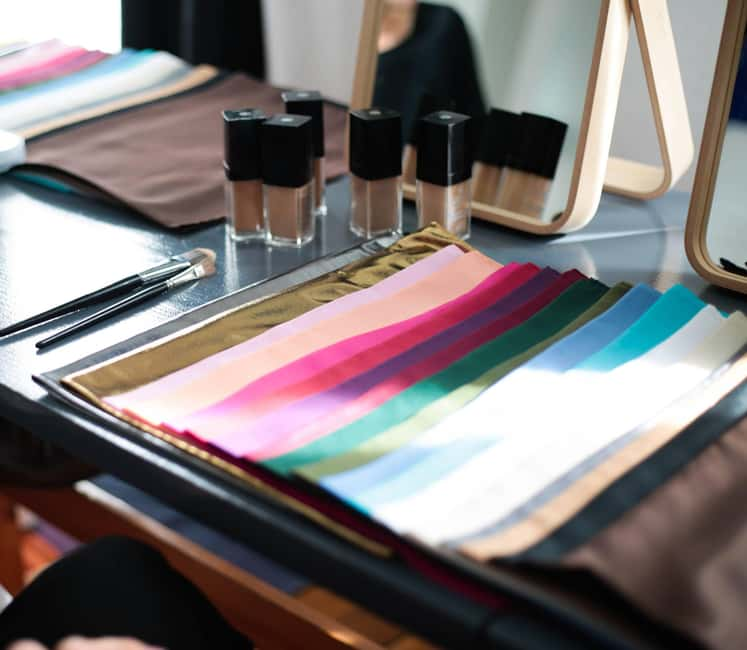
If you have ever tried on a top that looked great online but made your face look tired in real life, you already understand the problem this workshop tackles. The goal is not to give you a cute label. The goal is to help you see which colors make your skin look clearer, your eyes look brighter, and your features look more in sync.
This experience uses draping méthod, which means you compare different fabrics right against your face. Rather than starting with pre-made categories, it works from your actual visual reaction. That is the big reason people get such a strong result from draping. Your face becomes the measuring tool.
Another reason it works: the stylist focuses on multiple qualities, not just one. You will explore whether you fall more on the warm or cold side, and also whether bright, muted, soft, or darker values tend to light you up most. That combination is what turns color theory into something you can apply quickly.
Finally, the approach is designed around autonomy. You are not meant to depend on a future appointment to shop confidently. The workshop is built to help you learn how to choose your own healthiest-glow colors, even when you are standing in front of a rack of clothing with bad lighting.
Your 60-minute color analysis, what happens step by step
The session is structured and fast. It is only one hour, so the time pressure is real, but so is the usefulness. You will move through two main steps, guided by fabric comparisons and then direct advice.
Step 1 is color analysis. With a set of fabrics, you discover what happens when different colors sit near your face. You are asked questions as you go, like whether you look best in the cold range or the warm range. You also explore whether the colors that boost you are brighter, softer, muted, or darker. The point is to build an internal map, so you can recognize your best tones later.
Step 2 is color advice. Once the draping results are clear, you move from discovery to decisions. You get guidance for the colors that work best for:
- upper body clothing and accessories
- your hair coloring choices
- makeup colors
The workshop is interactive. You will be testing and adjusting rather than listening to a long monologue. That matters because color perception is personal. What works for you might not be the same as what works for your friend, even if you both have similar eye color.
At the end, you leave with a summary of results and practical recommendations you can use immediately when you buy clothes or experiment with makeup shades.
Warm vs cold and bright vs soft, how the results translate
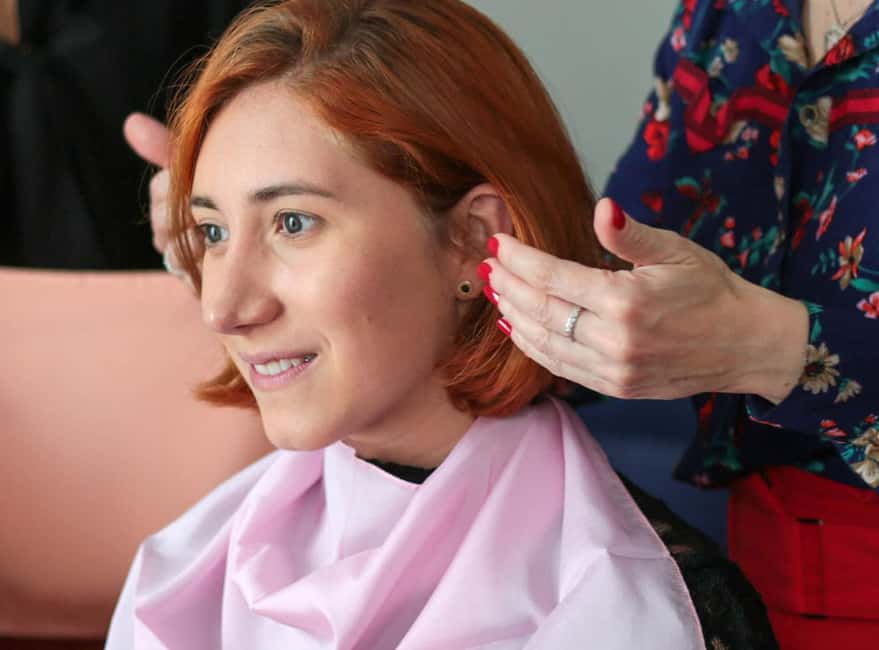
Color analysis can sound abstract until someone shows you the difference. With draping, the shifts tend to be obvious because the fabrics act like a living filter for your complexion.
Here is how you will think about your results during the session:
- Warm vs cold is about the temperature near your face.
- Bright vs soft is about intensity and clarity.
- Muted shows how well you handle lower-saturation colors.
- Dark vs lighter values show what gives your features contrast.
When your color is right, you usually see your skin look more even and your eyes look more awake. When it is wrong, you often notice the opposite: more redness, dullness, or a washed-out look. The workshop helps you pinpoint what changes for you, not just what sounds good in theory.
A key detail in this experience is that it does not rely on the classic 4 seasons method. That is helpful if you have ever felt like you got stuck between categories, or if you do not match neatly into a box. Draping is more flexible and can fit people whose coloring does not behave like a textbook.
What you do with those results is the real win. Instead of memorizing a system, you get a usable sense of what to choose when shopping. You also learn how to avoid colors that cause your face to look flat or tired, even if those colors are currently fashionable.
Turning advice into shopping wins for clothes, accessories, and makeup
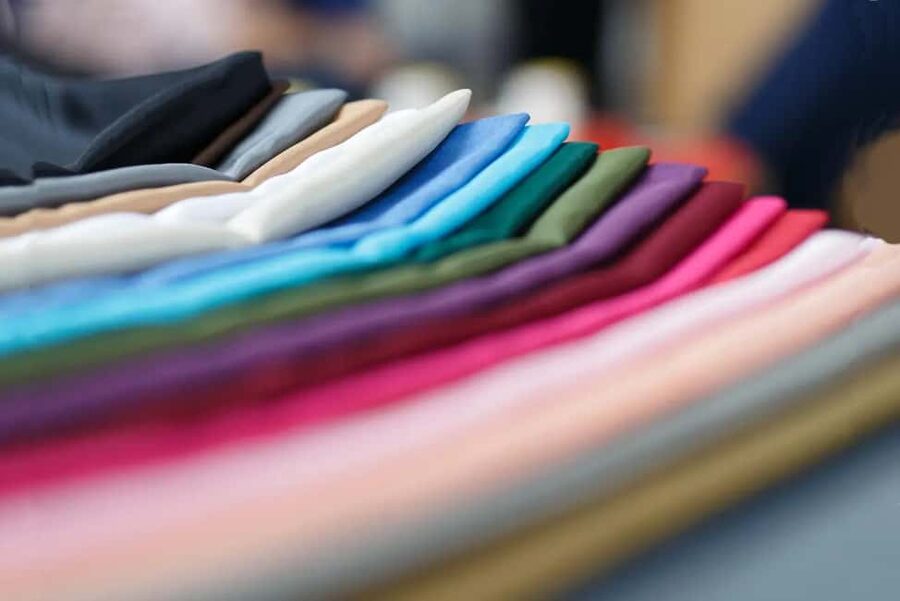
This is where the workshop earns its keep. Many people love the analysis moment. Fewer leave with enough structure to use it in real stores. Here, you leave with tools and guidance aimed at day-to-day decisions.
You will get advice for:
- upper body clothing colors, which matter most because they sit right by your face
- accessories, where even small color accents can change your overall harmony
- makeup colors, so you know what shades to choose for a natural healthy glow
- hair coloring choices, which build contrast and balance around your features
The practical approach matters because most shopping problems come from small choices. A lipstick shade that is too cool or too bright can overpower your face. A top color can pull attention away from your eyes. Accessories can add warmth or clash with your undertone. This workshop focuses on those exact choke points.
You will also get specific guidance for makeup colors. The most helpful part is learning how to pair makeup shades with the overall color story near your face. That way, you are not just buying random products that look good in a drawer. You are building a consistent look that supports your complexion.
And yes, the results are meant to show up quickly. One reason people get excited about this kind of session is that makeup and color can be adjusted right there, so you can see what changes in your look immediately.
If this one is booked out, Paris has these too:
- Paris: Orsay Museum Entry Ticket★ 4.7 · 25,647 reviews
- Paris: Evening River Cruise with Music★ 4.4 · 22,721 reviews
- Paris: Eiffel Tower Entry Ticket with Optional Summit Access★ 4.4 · 20,035 reviews
- Eiffel Tower Dedicated Reserved Access Summit or 2nd Floor★ 4.3 · 18,352 reviews
Hair color recommendations, not guesswork at the salon
Hair color is where confidence often gets tested. People hesitate because they fear a salon result that looks different under real lighting, or they worry their hair will overpower their face.
This workshop includes advice for choosing the right hair color direction based on your analysis. That means you are not just chasing trends like ash, gold, or copper. You are matching hair tone and depth to what your face already reacts well to in draping.
In practice, your “best hair color” guidance is really about two things:
- undertone harmony, so your hair does not clash with your skin’s temperature
- contrast, so your complexion looks energized rather than muted
If you have ever tried a shade and felt like your face disappeared, this is the exact type of issue the workshop tries to prevent. The value is in helping you walk into the next appointment with clearer targets, not just a vague request for a style.
Your colorbook and pocket chart, the best souvenir for future you
The workshop ends with real take-home materials, and that is a big part of the value. You leave with two documents:
- your color book, which summarizes your results from the colorimetry analysis and includes advice
- a pocket color chart, designed for shopping so you can match colors in stores
This matters more than people think. Color analysis only helps if you can apply it. When you have a pocket chart, you are less likely to be swayed by temporary trends, lighting, or packaging. You can compare quickly and decide based on your personal palette.
The color book is useful because it turns the draping results into a reference you can revisit. It also supports the workshop’s real mission: helping you become concretely autonomous rather than relying on a label.
If you are the kind of person who loves learning, the structure also gives you a framework to understand new shades you may not have seen before. Instead of memorizing every item, you learn how your face responds to temperature, intensity, and depth.
Canal Saint Martin location and what to bring on the day
The studio is in the Canal Saint Martin area, a good part of Paris for fashion and food. You will also like the fact that it is described as quiet and bright, which makes the session feel more comfortable.
Getting there is straightforward:
- Metro: Goncourt on line 11, or Colonel Fabien on line 9
- Bus: Hopital Saint Louis bus lines 46 and 75
Now the part you should plan around: the workshop is on the 5th floor with no elevator. The staircase is described as wide and easy, but it is still stairs. If you want a smooth arrival, build in extra time.
What you need to bring:
- come makeup-free
- bring your makeup in a bag
- bring your glasses to help check colors
- optional, bring photos of yourself with makeup and different clothing colors on your upper body (like a T-shirt, shirt, jacket, or hats)
Those photo options can make comparisons easier, especially if you want to discuss what you already noticed at home.
Also note that the session is a private group, with instruction offered in French and English.
Price and value, is $165 reasonable for one hour?
At $165 per person for a 1-hour workshop, this is not a casual add-on. It is a targeted skill-building session. The value comes from three things you get that you cannot easily replicate on your own:
1) the draping method, which is hands-on and based on how colors affect your face
2) personalized advice for clothing, accessories, makeup, and hair color
3) take-home tools, the color book and pocket chart, which you use repeatedly in future shopping
If you already buy clothes or makeup often, you have a lot of chances to save money by avoiding returns, impulsive purchases, and “looks wrong on me” items. Even one or two better purchases can offset part of the cost.
If you hate shopping or tend to feel overwhelmed by color, the pocket chart especially can be worth it. It gives you a fast decision system that cuts through guesswork. Think of it as buying clarity.
The only times it may feel less worth it are if you want a full makeover plan or if you are looking for a long, step-by-step education course. This workshop is short by design. It gives you actionable results, not a semester.
Who this color analysis workshop is for
This experience fits best if you want direct, practical answers. You will likely enjoy it if you:
- struggle to find flattering colors, even when you like the style
- want a clear system for shopping and makeup decisions
- are interested in a personalized draping approach, not rigid categories
- plan to update your wardrobe and want guidance focused on upper body colors
It may be less suitable if:
- you do not do well with stairs, since the workshop is on the 5th floor with no elevator
- you prefer group classes and do not want a private, personalized session
- you want something for children, as it is not suitable for children under 18
There is also an age limit listed: it is not suitable for people over 70.
Should you book this Paris color analysis?
I would book it if you want a practical Paris add-on that actually changes what happens the next time you shop. The draping method keeps it personalized, and the mix of clothing, makeup, and hair advice means the results carry into daily life. Best of all, you leave with the color book and pocket chart, so you are not stuck remembering a list.
Skip it if you want a long educational lecture, or if stairs and coming makeup-free are dealbreakers for your day.
FAQ
How long is the Paris color analysis workshop?
It lasts 1 hour.
What method is used for the color analysis?
It uses a draping method with fabrics to discover your best colors for your face.
What language is the workshop taught in?
The instructor offers the session in French and English.
Do I need to come makeup-free?
Yes. You should come makeup-free, and you can bring your makeup in a bag for the session. Bring your glasses to check colors.
Where is the meeting point?
The workshop is at 16 av Claude Vellefaux. You will enter on the 5th floor, with no elevator. Metro options include Goncourt (line 11) and Colonel Fabien (line 9), and buses include lines 46 and 75.
What do I receive after the workshop?
You leave with two documents: your color book and a pocket color chart to use while shopping.
Can I cancel or pay later?
You can reserve now and pay later, and you can cancel up to 24 hours in advance for a full refund.