
Reviewed · WALKING TOURS
Paris: Creepy Middle Ages Walking Tour
There is something deliciously eerie about seeing Rome and the Middle Ages share the same street. This Paris medieval walking tour strings together Roman ruins, very old churches, and big legend material like the Knights Templar and the Black Death, all on foot. I especially like how it links what you see to the big stories people argue about, and I like that it ends with real landmark payoff at Notre-Dame and Pont Neuf. One possible drawback: the storytelling can be dense, so if you hate packed facts or slow conversations, you might find the stops feel information-heavy.
If you’re short on time in Paris, the format makes sense. You get a 2-3 hour guided route, with professional local guidance in English or Russian, plus a PDF handed out after you pay with 15 quieter places to visit later. Wear comfortable shoes, bring water, and be ready for a brisk pace, because you are walking the core of old Paris.
In This Review
- Key points to know before you go
- From Arènes de Lutèce to Notre-Dame: why this route feels extra Paris
- Meeting at Le Petit Panthéon near Arènes de Lutèce
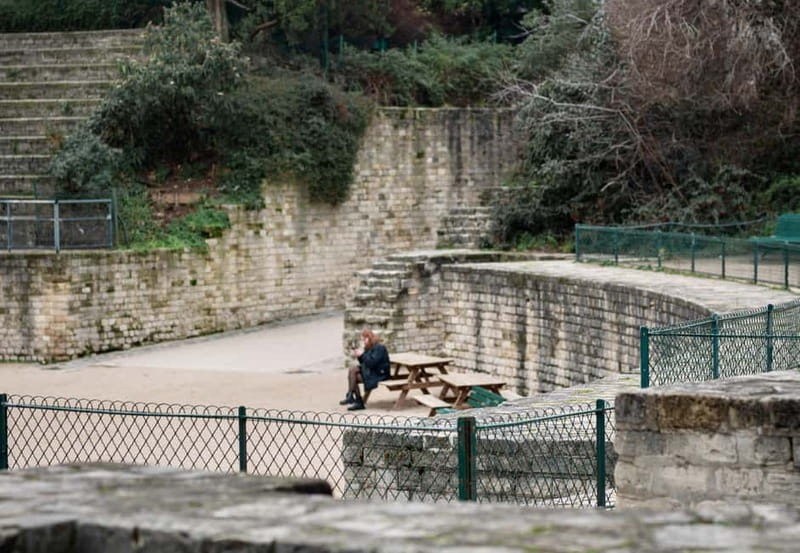
- Stop 1, Arènes de Lutèce: Roman grit under modern feet
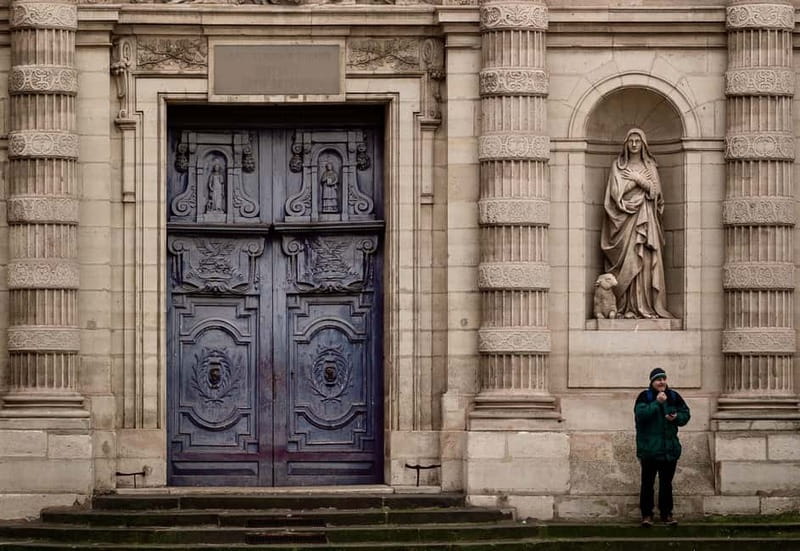
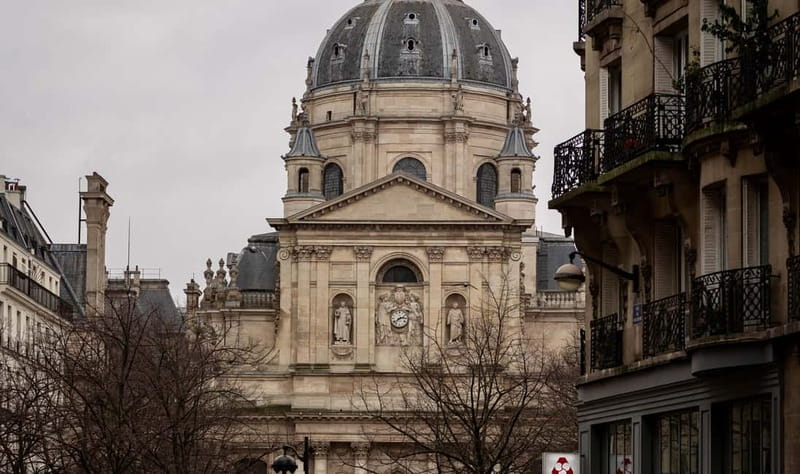
- La Sorbonne: where medieval learning met political power
- Musée National du Moyen Age and Cluny: when stone tells two stories at once
- The secret stop: a pause that keeps the story from becoming predictable
- Pantheon and the long shadow of medieval Paris
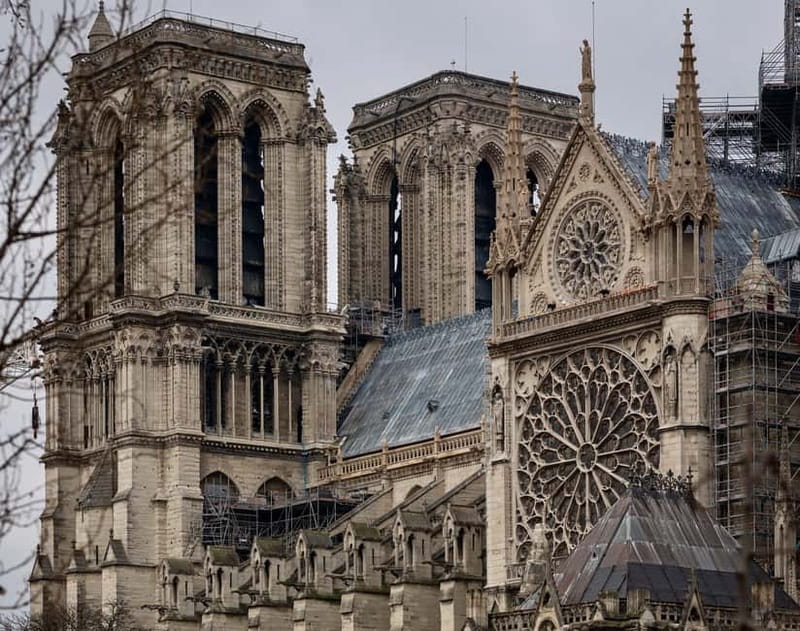
- Notre-Dame Cathedral: the legend fits the timeline you heard earlier
- Pont Neuf: where your photos feel earned
- Knights Templar, witches, and the Black Death: what the stories add to the sightseeing
- Price and value for a 2-hour guided route at about $58
- What to bring and how to pace yourself during a medieval story sprint
- Should you book this Creepy Middle Ages walking tour?
- FAQ
- How long is the Paris Creepy Middle Ages walking tour?
- Where does the tour start?
- Where does the tour end?
- How much does it cost?
- What languages is the tour offered in?
- What is included in the price?
- What should I bring?
- Is food or transportation included?
- Is there a cancellation option?
Key points to know before you go
- Arènes de Lutèce start: begin at Roman-era remains, not a random meeting point.
- Medieval themes, not just buildings: Vikings, Huns, the Black Death, and even witch-hunts show up in the story.
- Notre-Dame on the route: you finish the historical arc with a major Paris landmark.
- Small groups or private options: you can get more questions answered on the spot.
- PDF after booking: a guide with 15 less-well-known spots to keep exploring.
Other arrondissements taken at walking pace:
- Paris Top Sights Half Day Walking Tour with a Fun Guide
★ 5.0 · 2,893 reviews - Montmartre Hidden Gems and Scenic Highlights Walking Tour
★ 5.0 · 2,684 reviews - Montmartre Hill French Gourmet Food and Wine Tasting Walking Tour
★ 5.0 · 2,588 reviews - Paris: Montmartre Highlights Walking Tour with a Local Guide
★ 4.9 · 2,318 reviews
From Arènes de Lutèce to Notre-Dame: why this route feels extra Paris
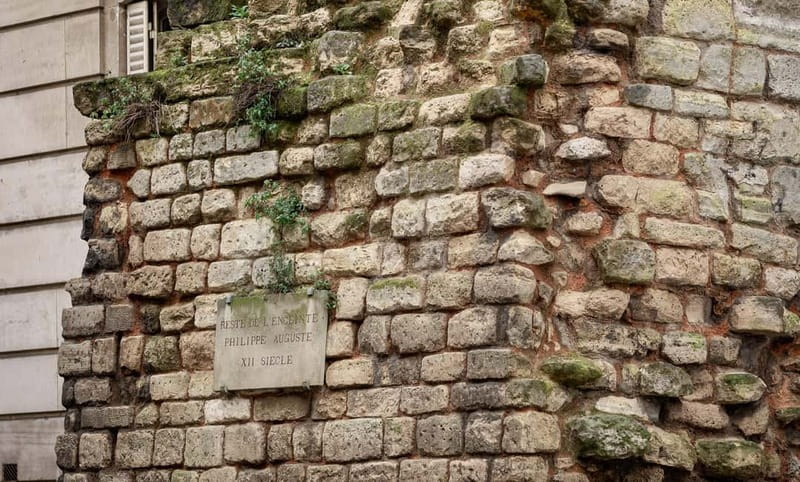
Old Paris is not just pretty stone. It is layers, contradictions, and survival stories, and this walk is built around that idea. You start where Roman Paris left physical marks, then you move into medieval themes that explain how the city thought, feared, built, and organized itself.
The “creepy” angle is not cheap shock value. It is the Middle Ages worldview, where illness could mean punishment, rumors could become policy, and secret groups like the Knights Templar get people talking for centuries. If you like history that comes with mood and stakes, this tour’s theme works.
And because it is a walking tour, you get a practical benefit. You do not just stare at monuments, you learn how the neighborhood itself guided what happened to people.
Meeting at Le Petit Panthéon near Arènes de Lutèce
You meet near Le Petit Panthéon, close to Arènes de Lutèce. That matters because it gets you oriented right away in the Latin Quarter area, where multiple eras overlap.
This is also a route that rewards arriving with your basics ready. Bring water and wear shoes you can walk in for a couple of hours. If the weather is hot or wet, dress for it, because you will spend real time outside.
The tour is available in English and Russian, so you can match your language comfort level with your curiosity level. And if you want a quieter experience, private or small groups are available.
Stop 1, Arènes de Lutèce: Roman grit under modern feet
Arènes de Lutèce is your first “wow,” and it is a smart way to start a Middle Ages tour. Instead of beginning with church facades, you begin with Roman Paris, including ancient ruins that set up the long timeline.
From here, the guide builds context you can actually connect to later stops. You hear how Julius Caesar conquered Gaul, which helps you understand why the Roman presence mattered in the first place. You are not learning random dates. You are getting a cause-and-effect timeline for why Paris looks the way it does.
Practical tip: spend a few extra seconds looking around before you start moving again. Roman remains feel different when you notice how the street alignment and nearby buildings shape what you can see today.
La Sorbonne: where medieval learning met political power
Next is La Sorbonne. Even if you only know it as a name, it is the kind of place that signals why medieval Paris mattered. The Middle Ages were not only about knights and cathedrals. They were also about study, authority, and how ideas got enforced.
On this walk, the Sorbonne stop supports the tour’s larger themes: how Paris defended itself during major invasions, and how society handled fear and disorder. If you like big turning points, this is where the guide tends to connect the local setting to the bigger European story.
Drawback to keep in mind: if you prefer quiet observation over talk, university neighborhoods can feel like a lot of info in a short span. It is still worth it if you enjoy an explanation that gives you a map for future reading.
If this one is booked out, Paris has these too:
- Paris: 1-Hour Seine Cruise departing from the Eiffel Tower★ 4.4 · 77,472 reviews
- Disneyland® Paris 1-Day Ticket★ 4.6 · 49,412 reviews
- Paris: Versailles Palace and Gardens Full Access Ticket★ 4.6 · 41,579 reviews
- Paris: Arc de Triomphe Rooftop Tickets★ 4.6 · 34,264 reviews
Musée National du Moyen Age and Cluny: when stone tells two stories at once
Then you reach the Musée National du Moyen Age-Thermes et Hotel de Cluny. This stop is valuable because it sits at the intersection of eras, which matches the tour’s core theme. You get to see how Roman-era remains and medieval life overlap in the same larger district.
Even without going deep into interior details, you benefit from the guided framing. The guide helps you understand what you are looking at as evidence, not decoration. That is the difference between a pretty stop and a meaningful one.
This is also a good time to pause your pace a bit. If you keep moving too fast, you might miss the connections the guide makes between everyday life and high-stakes events like epidemics and social control.
The secret stop: a pause that keeps the story from becoming predictable
You then hit a secret stop. The whole tour keeps a “follow the clues” rhythm, and this is part of why the route feels fun. A surprise pause breaks up the standard pattern of landmark, photo, repeat.
Because the stop is not described in advance in detail, it works best if you stay flexible. Your job here is simple: listen closely, look around, and let the guide explain why this particular place matters for the Middle Ages themes you have been hearing.
If you are the type who plans every minute, you might feel slightly frustrated. If you like guided discovery, you will probably find this moment one of the most memorable.
Pantheon and the long shadow of medieval Paris
After the secret stop, the tour brings you to the Pantheon area. It is not medieval in the literal sense, but it is useful for historical perspective. You get a broader view of how Paris kept reinventing itself, even while earlier layers shaped what came next.
This stop also helps you connect the Middle Ages stories to modern Paris geography. Once you understand where things were, it is easier to imagine what the city felt like when it was under threat from Vikings, the Huns, or later crises.
Photo tip: at this point, you will likely want to check angles for your camera. The route keeps moving, so if you want a clean shot, do it during the guided photo breaks instead of at the end when you might be tired.
Notre-Dame Cathedral: the legend fits the timeline you heard earlier
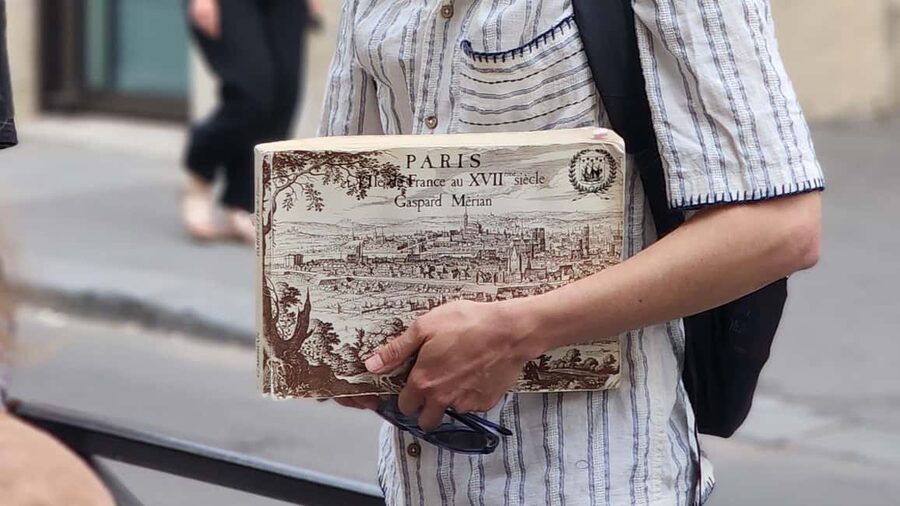
Then comes Notre-Dame Cathedral. This is where the tour turns from “history lesson on the street” into “Paris landmark with meaning.”
What makes this stop work on this itinerary is the storytelling you already heard. The guide introduces the legendary creation story of Notre-Dame and ties it to how medieval people built symbols for faith, identity, and power. You are not seeing a cathedral in isolation, you are seeing it as the endpoint of the tour’s medieval arc.
One more theme you will have in your head by now is fear. The walk covers topics like the Black Death and how Paris dealt with it. That context changes the mood of a visit. You stop thinking only about beauty, and you start thinking about survival and belief.
Practical consideration: cathedrals can be crowded and your time may be focused. Keep your attention on what the guide points out, and you will get more from the stop than just a glance at the front.
Pont Neuf: where your photos feel earned
To finish the sight portion, you make your way to Pont Neuf for a photo stop and a final walk segment. Pont Neuf is an ideal wrap-up because it sits at a crossroads of views, and the river gives you a sense of direction.
You end at 15 Pl. du Pont Neuf. That end point is convenient if you want to keep exploring nearby afterward, rather than being dropped in the middle of nowhere.
This is also a smart place to pause and summarize what you learned. When you can look out at the city from a stable viewpoint, the timeline snaps together in your mind. Roman Paris, medieval Paris, and the city as you see it now stop feeling like separate chapters.
Knights Templar, witches, and the Black Death: what the stories add to the sightseeing
The highlights list covers a lot of ground, and the strength is how those themes shape your street-level attention. You are not just walking between points. You are walking through a web of ideas: sacred power, fear, disease, and legends that people used to explain their world.
Here are the story themes, translated into practical “why it matters”:
- Knights Templar: you learn why people were obsessed with secret organizations and what made them feel dangerous or important. You will probably notice how the word secret sticks in your mind when you see older stone and older institutions.
- Hunt for witches and sorcerers: this theme gives you a framework for how communities policed belief. It is not about judging with modern eyes. It is about understanding why accusations could spread.
- Oldest hospital in the world and the Black Death: you get a reminder that epidemics were not only medical events. They were social upheavals that changed how people lived, worked, and trusted neighbors.
- Richard the Lionheart and Richard-era chivalry: even if you only know the name, it helps you place the idea of knighthood into a wider European context.
- Vikings and defense of Paris: this is where the tour turns from legend into survival. Paris defending itself becomes easier to picture when you have the geography in mind.
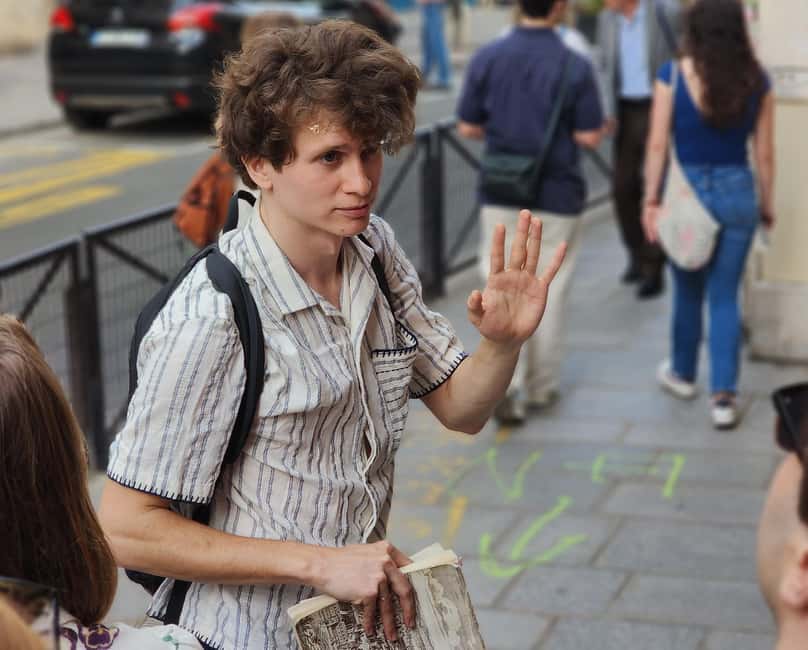
The most praised aspect from recent bookings is the guide’s passion and energy. In particular, Slava is mentioned as someone who truly loves medieval history, and you can feel that kind of commitment when a guide keeps answering questions without rushing.
If you get someone who can explain the “why,” you walk away with more than facts. You walk away with a way to interpret the city when you are on your own.
Price and value for a 2-hour guided route at about $58
At $58 per person for about 2 hours (with a 2-3 hour window), this tour sits in the mid-range for a guided walking experience in central Paris. What justifies the price is not a single stop. It is the combination of Roman ruins, medieval-focused storytelling, a major cathedral visit, and photo-worthy finishing points, all in one continuous arc.
You also get extras that stretch your value beyond the walk. The PDF guide with 15 less-known places comes after payment, so you can use it when you are planning the rest of your trip.
One more value point: small groups or private options are available. If you like a more personal pace, that can make the cost feel more reasonable, because you get more time and interaction.
What to bring and how to pace yourself during a medieval story sprint
This is not a sit-down tour, so plan like one. Bring comfortable shoes and water. Dress for the weather, because Paris in bad weather still happens.
Because you will hear a lot of stories, you should decide your own style of participation before you start. If you want to absorb everything, give yourself permission to pause and let the guide finish a thought before moving on. If you prefer snapshots and highlights, focus on the big themes, and let the smaller details go by.
If you are traveling with kids or teens, this route can work if your group likes spooky stories and short bursts of fact. If your group wants quiet walking with minimal talk, you might need to choose a different type of tour.
Should you book this Creepy Middle Ages walking tour?
Book it if you want a guided, story-driven way to see old Paris without getting stuck in museum-only mode. It is especially good for first-timers who want a coherent medieval timeline, and for anyone who likes the darker side of history, the kind that includes disease, fear, and secret organizations.
Skip it, or at least consider alternatives, if you hate dense narration or you need a lot of quiet time between stops. You will be walking and listening, and the guide may cover tangents when questions come up.
My practical bottom line: if you can handle a talk-heavy walking pace, this tour is strong value because it covers Roman foundations, medieval turning points, and landmark payoff in one compact 2-3 hour window.
FAQ
How long is the Paris Creepy Middle Ages walking tour?
The tour typically lasts 2-3 hours.
Where does the tour start?
The meeting point is the Arènes de Lutèce near the restaurant Le Petit Pantheon.
Where does the tour end?
The tour finishes at 15 Pl. du Pont Neuf.
How much does it cost?
The price is $58 per person.
What languages is the tour offered in?
The tour is available in English and Russian.
What is included in the price?
You get a 2-3 hour guided walking tour with a professional local guide, plus a PDF guide with 15 less-known Paris spots after you complete payment. The tour also includes visits focused on ancient Roman ruins and medieval Paris secrets, along with photo opportunities.
What should I bring?
Bring comfortable shoes, water, and weather-appropriate clothing.
Is food or transportation included?
No. Food and drinks are not included, and transportation is not included.
Is there a cancellation option?
Yes, free cancellation is available up to 24 hours in advance for a full refund.
Newest write-ups from Paris




Walking Tours, compared.
Paris Top Sights Half Day Walking Tour with a Fun Guide
Read our review →
Montmartre Hidden Gems and Scenic Highlights Walking Tour
Read our review →
Montmartre Hill French Gourmet Food and Wine Tasting Walking Tour
Read our review →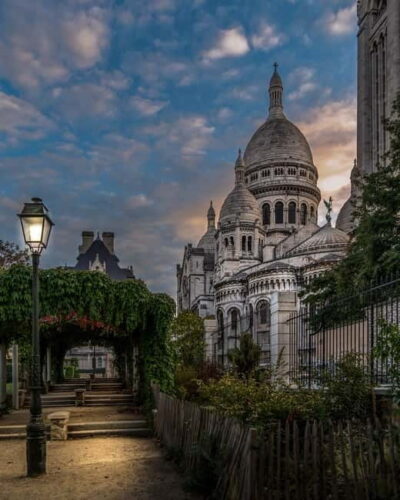
Montmartre Highlights Walking Tour with a Local Guide
Read our review →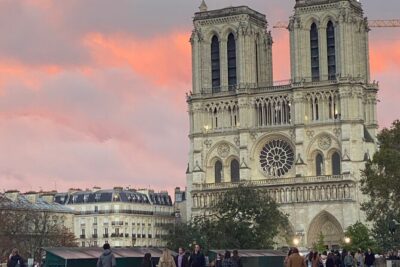
Paris Île de la Cité and Notre-Dame Walking Tour With Crypt
Read our review →
Montmartre Cheese, Wine & Pastry Guided Walking Tour
Read our review →
Paris in a Day: Louvre or Orsay, Eiffel Tower, City Walk & Cruise
Read our review →
Paris City Center Free Walking Tour (Tip-Based)
Read our review →Browse the lists this tour appears in