
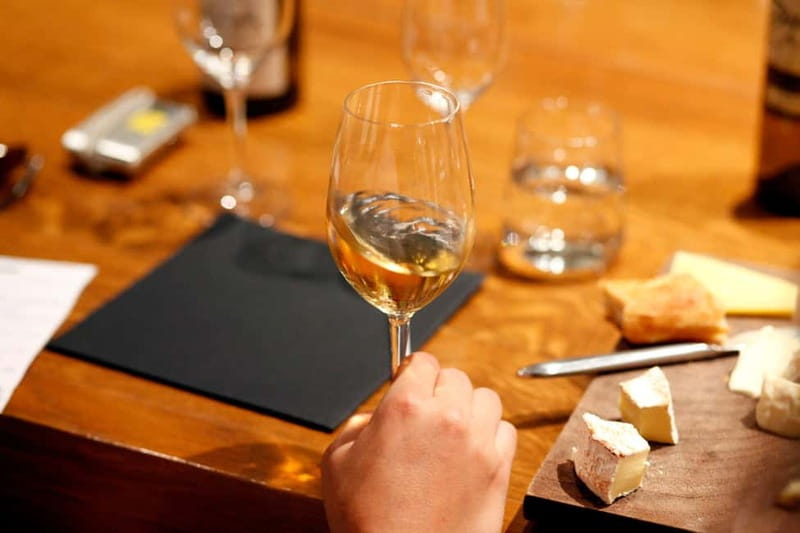
Reviewed · WINE TOURS
Paris: French Wine Tasting Class with Sommelier
Six French pours, zero guesswork. In a 17th-century wine cellar near Le Louvre, you taste six wines from major French regions with an English-speaking sommelier.
I love that the lesson is built around real skills: tasting differences, reading French wine and Champagne labels, and understanding terroir and appellation without turning it into a lecture. One thing to consider, if your group feels large or chatty, you may want to ask questions right at the start to get the most out of the guide’s explanations.
In This Review
- Key takeaways before you go
- A 5pm wine classroom in a 17th-century cellar by the Louvre
- What you taste: one Champagne and five wines across France
- Tasting skills that turn a menu into a map
- Terroir and appellation, explained in a way you can use
- Food pairing that actually helps with dinner decisions
- Getting the best experience from a group tasting
- Should you book this Paris wine tasting class?
- FAQ
- What does the tasting include?
- How long is the Paris wine tasting class?
- What time will it end?
- Where is the meeting point near the Louvre?
- Is there an optional cheese or charcuterie add-on?
- Is the guide available in English?
- Can I cancel for a refund, and can I pay later?
Key takeaways before you go
- Start at 5pm in a historic cellar close to the Louvre, then head out around 7pm for dinner
- 1 Champagne + 5 still wines tied to main French wine regions, so you can compare styles fast
- Hands-on label reading for French wine and Champagne, not just tasting in silence
- Terroir and appellation basics explained in a way you can actually use when ordering
- Food pairing focus, with bread included and cheese or charcuterie available as an add-on (+15€)
More French bottles opened near Paris:
- Paris: Moulin Rouge Cabaret Show Ticket with Champagne
★ 4.7 · 16,088 reviews - Authentic Parisian Gourmet Food Tour with 10 Local Dishes & Wines
★ 5.0 · 4,754 reviews - Loire Valley Castles Day Trip from Paris with Complementary Wine
★ 4.5 · 3,907 reviews - Montmartre Hill French Gourmet Food and Wine Tasting Walking Tour
★ 5.0 · 2,588 reviews
A 5pm wine classroom in a 17th-century cellar by the Louvre
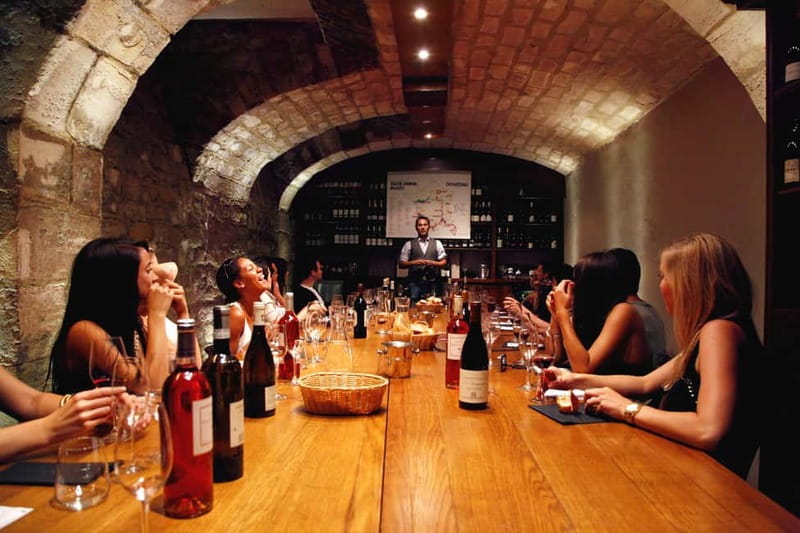
This is a short, focused Paris wine lesson that starts at 5pm and runs about 2 hours. The setting is a 17th-century wine cellar, which matters more than you might think. Cold, dim, and designed for wine, it naturally shifts you from sightseeing mode into tasting mode.
The meeting point is at 68 Rue Jean-Jacques Rousseau in the 1st arrondissement. It’s close enough that you can show up with time to spare, especially if you’re combining it with a Louvre walk earlier in the day. For the metro, get off at Louvre-Rivoli (Line 1) or Étienne Marcel (Line 4), then plan for about a 6-minute walk.
Practical tip: wear light layers. One of the most repeated “small but helpful” details is that the cellar can feel warm during service. Also, this class is designed for people who are new to French wine, but it still moves quickly. If you want your questions answered, arrive a few minutes early so you can get settled before the explanations begin.
What I like about this kind of location is the timing. You finish around 7pm or so, which puts you right in the sweet spot for your next stop: a casual bistro dinner or a planned wine shop run while your new label-reading skills are fresh.
What you taste: one Champagne and five wines across France
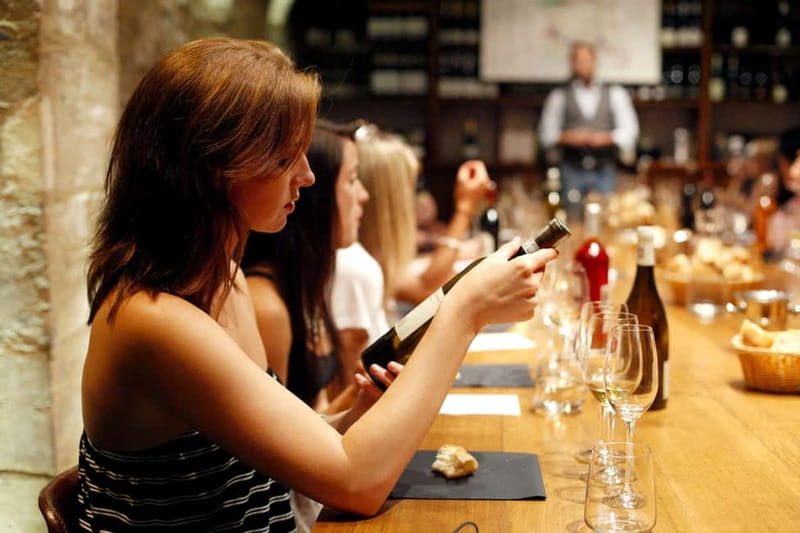
The tasting gives you six total samples: 1 Champagne plus 5 French wines from 6 different wine regions. That setup is the whole point. You’re not just drinking. You’re training your palate to notice how region and grape choices shape flavor, structure, and style.
A sommelier guides you through the differences as you go, including how Champagne is made. That’s a big deal for beginners because Champagne often gets treated as a separate category, like it’s only for celebrations. Here, you learn the basics so you can talk about it with more confidence, and more importantly, so you can recognize it on a label later.
The still wines cover multiple French styles. You’ll learn the grape varieties grown in each region and what kinds of wine those grapes usually turn into. Even if you don’t memorize grape names right away, you should leave with a mental map of:
- which regions tend to produce fruit-forward versus more structured wines,
- how whites can taste different from one another,
- and why reds can feel smoother or tougher depending on how they’re made.
You also get a wine list, still water, and a basket of bread. Water and bread are not “extras.” They help you reset your palate between pours so you can actually compare Wine A to Wine B without your tongue feeling overloaded.
Value note: at $88 per person, the pricing only makes sense if you’re taking the lesson seriously and using what you learn immediately. If you come ready to taste and ask questions, the cost feels more like buying a guided tasting experience than paying for a couple casual sips. And the nice bonus is that the wines you try are available to buy, so it’s easy to turn what you liked into a bottle you can enjoy later.
Tasting skills that turn a menu into a map
This class is not just themed around wine. It’s built around teaching you how to taste and how to interpret what you see on a French label.
You’ll practice the mechanics of tasting through your sommelier’s presentation. Even if you’ve never “swirled and sniffed” before, the format is designed to make you comfortable. The goal is simple: so you can answer, on your own, questions like:
- Does this wine taste more dry or sweeter?
- Does it feel light, medium, or more firm in the mouth?
- What should I look for when I read the bottle?
The label portion is especially useful in France, where terms like region and appellation can feel like coded language. You learn how to read French wine and Champagne labels, so when you’re in a shop or staring at a bistro menu, you’re not just hunting for the word you recognize.
I also like that the tone stays practical. The sommelier is there to help you understand what you’re tasting, why it tastes that way, and what it might pair well with at dinner. Names I’ve seen associated with this experience include Laury, Paul, Felicity, Lily, Kim, Preston, Clement, Pierre, Charlotte, and Jasmina. Across those different hosts, the common thread is that the explanations are engaging and easy to follow in English, even for first-timers.
One small consideration: this is a group setting. When the room gets noisy, it can be harder to absorb details. If that’s your concern, focus on asking your key questions early, and don’t worry about writing everything down. You’re learning patterns, not facts to memorize.
Terroir and appellation, explained in a way you can use
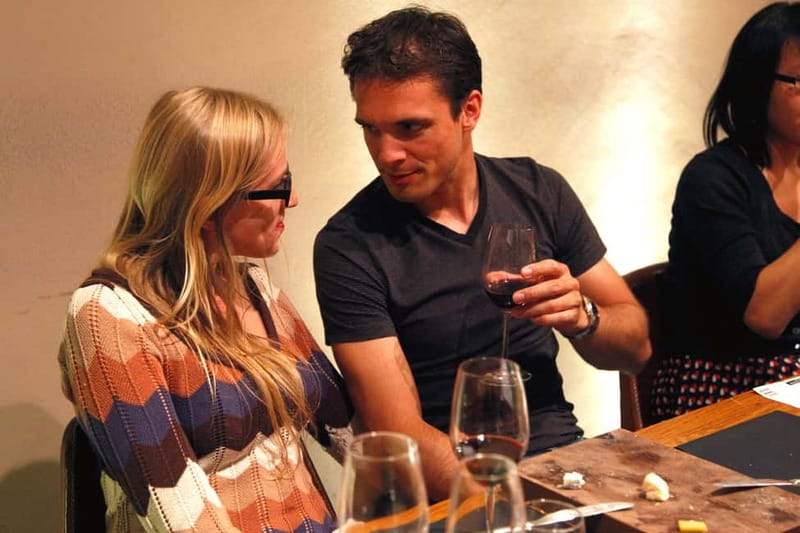
You’ll hear the words terroir and appellation in the lesson, and they’re not just fancy French vocabulary. In plain terms, this is where you connect the wine in your glass to the place it comes from.
Here’s the practical version of what you’re learning:
- Terroir is the idea that land, climate, and local growing conditions shape how grapes develop.
- Appellation is the system that links region and rules to the wine produced there.
That sounds abstract until you taste side by side. Once you’ve sampled multiple regions, terroir and appellation stop being definitions and start becoming useful shortcuts. You can start to predict the direction of a wine style just from what’s written on the bottle.
You’re also taught how to connect the dots between:
- where grapes grow,
- which grapes are common in a region,
- and what style of wine that region tends to make.
That’s exactly what helps you in real life. In a restaurant, you often don’t have time to research the producer. But you can recognize the region or appellation theme and make a better choice fast.
And yes, you can ask questions during the session. Questions that come up include how Champagne is made, what tannins are, and where people can find the latest wine trends. That Q and A time is worth using if you’re the type who likes clarity, because you’ll get explanations straight from the sommelier rather than from guesswork online.
Other Paris counters and cellars worth an hour:
- Paris: Seine Cruise & Crepe Tasting near the Eiffel Tower★ 4.4 · 11,231 reviews
- Normandy D-Day Small-Group Day Trip with Omaha Beach, Cemetery & Cider Tasting★ 5.0 · 2,786 reviews
- Paris: Illuminated Evening River Cruise & Waffle Tasting★ 4.1 · 2,697 reviews
- Devour Paris Ultimate Food Tour★ 5.0 · 2,087 reviews
Food pairing that actually helps with dinner decisions
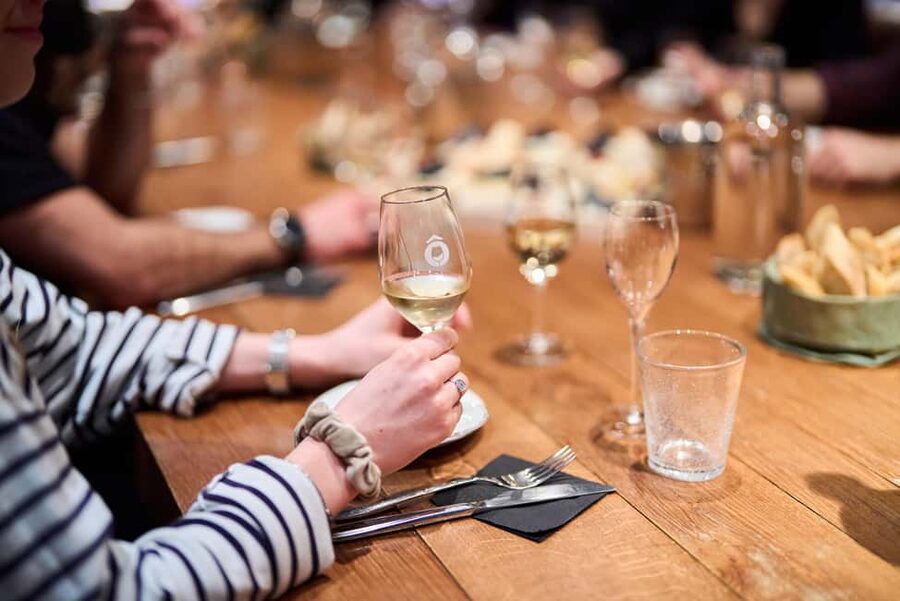
The class puts food and wine pairing on the agenda, and that’s where it becomes more than a tasting event.
Bread is included, and it acts like a neutral base you can use to taste how acidity, fruitiness, and texture respond in a pairing context. Even if you don’t add cheese, bread gives your palate something simple to work with as your sommelier explains the logic of pairing.
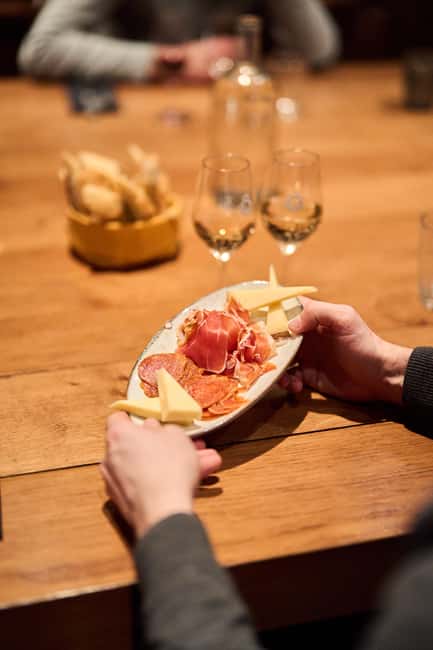
If you want to level it up, there’s an optional add-on: a cheese or charcuterie platter (+15€) on site. Some people describe the cheese option as worth adding, because it gives more variety for pairing. Others mention that details about the add-on can be easy to misunderstand, so here’s the no-stress rule: ask the sommelier at check-in what exactly is included for the day you’re there.
If you’re wondering what kinds of pairings you’ll learn to think about, you can expect the conversation to connect with the wine features you’re being taught to notice. Things like tannins and acidity are usually part of the pairing story, because they affect how food feels with a wine.
And since the tasting ends around 7pm, you can take what you learned straight into your evening plans. You’ll be able to walk into dinner and order with a better instinct, like matching a wine’s structure to the type of meal you’re choosing.
Getting the best experience from a group tasting
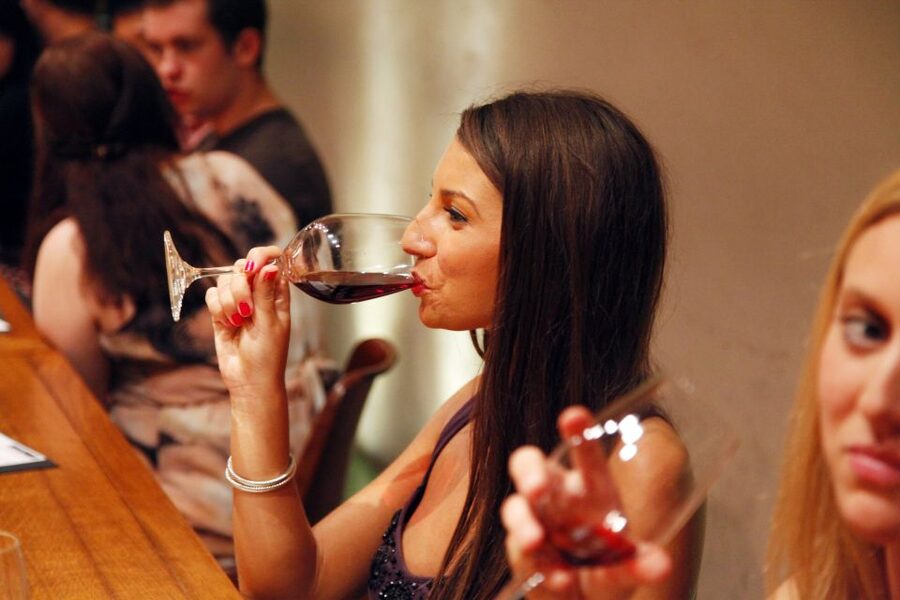
This is a practical class designed for a range of skill levels, from first-timers to wine people who want French labels decoded. That range is one reason the atmosphere is social. You’ll likely be chatting with other people during the session, which can be fun, but it can also compete with the sommelier’s explanations.
A few real-world tips to make your experience smoother:
- If the room seems lively, keep your questions ready so you can ask them when the sommelier pauses.
- If glassware feels messy or reused in a way that matters to you, politely ask for what you need. In one case, a guest mentioned red and white glasses not being swapped the way they expected.
- Expect pours to be steady. There’s praise for healthy portions, which is important because it lets you actually compare without feeling like you got a token sip.
Also, plan your clothing. The cellar setting can feel warm, so light layers beat heavy jackets.
Finally, the purchase option is built in. All the wines you sample are available to buy, plus there are typically more options. That’s a smart way to extend the experience. If one of the bottles grabs you, you’re not stuck wondering what it was called.
Should you book this Paris wine tasting class?
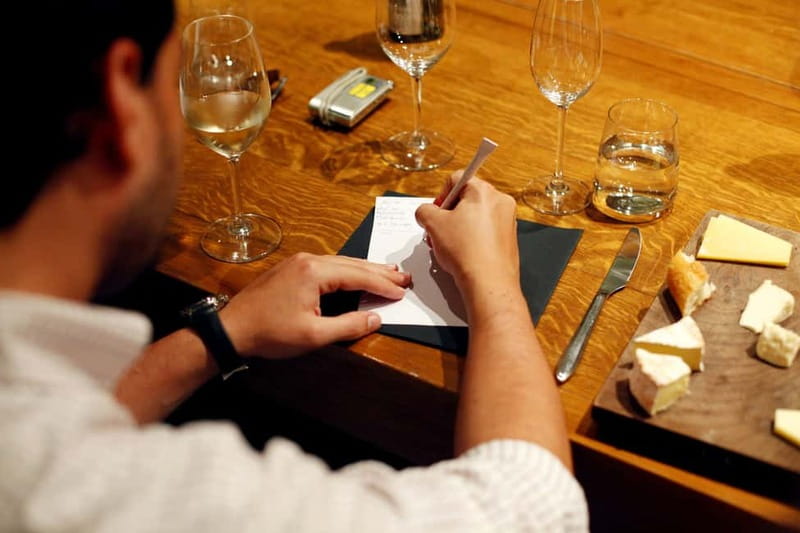
Book it if you want a high-signal, low-effort way to understand French wine in a short time. This is especially good if:
- you’re new to French wine and want labels and terminology handled in English,
- you want to taste across multiple regions without booking a full day tour,
- you like the idea of ending with a better ordering instinct for dinner.
Skip or rethink if you’re looking for a countryside vineyard day, or if you already know French wine well and want deeper technical training beyond label reading and basic tasting skills. This is a group masterclass in a cellar, not a private deep lab.
If you decide to go, my advice is simple: treat it like a lesson you’ll use tonight. Eat something light beforehand if you can, show up early enough to settle, and ask your top two questions early, while the sommelier is focused on introductions and explanations. Then go eat dinner at 7pm with a plan, not with hope.
FAQ
What does the tasting include?
The class includes 1 Champagne and 5 French wines, plus a basket of bread, still water, a wine list, and a sommelier presentation.
How long is the Paris wine tasting class?
The experience lasts 2 hours, starting at 5pm.
What time will it end?
You’ll be released at 7pm or so, depending on how the group progresses.
Where is the meeting point near the Louvre?
Meet at 68 Rue Jean-Jacques Rousseau in the 1st arrondissement. The nearest metro stops are Louvre-Rivoli (Line 1) or Étienne Marcel (Line 4), about a 6-minute walk away.
Is there an optional cheese or charcuterie add-on?
Yes. There’s an optional cheese or charcuterie platter (+15€) available on site.
Is the guide available in English?
Yes. The tour is run by a live guide in English.
Can I cancel for a refund, and can I pay later?
You can cancel up to 24 hours in advance for a full refund. You can also reserve now and pay later.
Ateliers for an Afternoon
- Fragonard Paris: Mini Perfume Workshop
★ 4.5 · 1,924 reviews - Paris: Macaron Class at Galeries Lafayette
★ 4.2 · 1,196 reviews - Paris Cooking Class and Lunch with Wine plus Market Visit Option
★ 5.0 · 1,024 reviews - Paris Croissant Small-Group Baking Class with a Chef
★ 5.0 · 910 reviews
Newest write-ups from Paris
Wine Tours, compared.
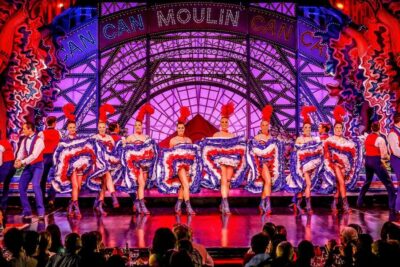
Moulin Rouge Cabaret Show Ticket with Champagne
Read our review →
Authentic Parisian Gourmet Food Tour with 10 Local Dishes & Wines
Read our review →
Loire Valley Castles Day Trip from Paris with Complementary Wine
Read our review →
Montmartre Hill French Gourmet Food and Wine Tasting Walking Tour
Read our review →
Montmartre Cheese, Wine & Pastry Guided Walking Tour
Read our review →
Paradis Latin Cabaret Show with Optional Champagne
Read our review →
Loire Valley Castles Day Trip With Wine Tasting
Read our review →
Paris 3-Courses Gourmet Dinner Seine River Cruise with Champagne
Read our review →Browse the lists this tour appears in