Reviewed · WALKING TOURS
Paris: Passageways and Local Secrets Walking Tour
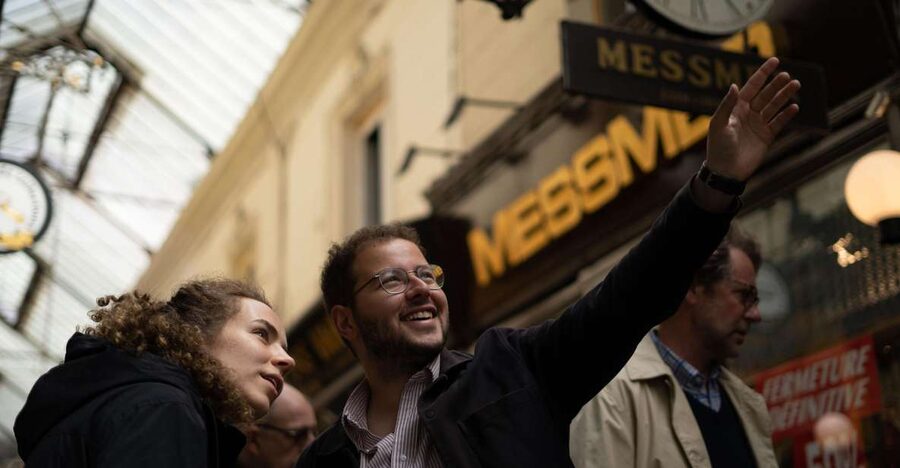
Passageways turn Paris quieter. On this 2-hour Paris passageways walking tour, you get the city’s elegant side without lining up for the usual postcard stops. I love that the route is built around the covered corridors themselves, so the whole walk feels like moving through a storybook. And I really like the guidance, especially with Benoit, who brings the places to life with stories about artists and writers who hung out in these spots.
One drawback to plan for: if your goal is the big monuments like Eiffel Tower or Notre Dame, this is not that kind of tour.
You’ll spend your time in the 1st and 2nd arrondissement area, bouncing between passages, arcades, and a few major architectural landmarks. It is also a strong choice when the weather is gray, because a lot of the route is sheltered and designed for strolling.
In This Review
- Key things that make this tour worth your time
- Why Parisian passageways are a smart choice (especially on a rainy day)
- The 2-hour plan: from Rue Cadet to Passage du Grand Cerf
- Stop-by-stop: what each passage and landmark adds to your walk
- Passage Verdeau
- Passage Jouffroy
- Passage des Panoramas
- Palais Brongniart
- Galerie Vivienne
- Palais-Royal
- Galerie Véro-Dodat
- Bourse de Commerce
- Saint-Eustache Church
- Les Halles de Paris
- Passage du Grand Cerf (finish)
- The guide factor: where this tour really earns its rating
- How to get value from this tour (and not treat it like a checklist)
- Who this tour fits best
- Should you book the Paris passageways tour?
- FAQ
- How long is the Paris passageways tour?
- Where do I meet the guide?
- How much does the tour cost?
- Is hotel pickup included?
- How big is the group?
- What languages is the tour offered in?
- Is the tour wheelchair accessible?
- Is this tour good for rainy weather?
- What places are visited on the tour?
- What is the cancellation policy?
Key things that make this tour worth your time
- A route designed around Paris’s covered passage network, so you see more than you could easily find alone
- Small groups (up to 6), which keeps questions flowing and the pace reasonable
- 19th-century elegance in multiple forms, from shopping arcades to grand public buildings
- Real variety in just two hours, including passages, galleries, a major church, and Les Halles de Paris
- A local guide with good storytelling, highlighted by guide Benoit in multiple accounts
Other arrondissements taken at walking pace:
- Paris Top Sights Half Day Walking Tour with a Fun Guide
★ 5.0 · 2,893 reviews - Montmartre Hidden Gems and Scenic Highlights Walking Tour
★ 5.0 · 2,684 reviews - Montmartre Hill French Gourmet Food and Wine Tasting Walking Tour
★ 5.0 · 2,588 reviews - Paris: Montmartre Highlights Walking Tour with a Local Guide
★ 4.9 · 2,318 reviews
Why Parisian passageways are a smart choice (especially on a rainy day)
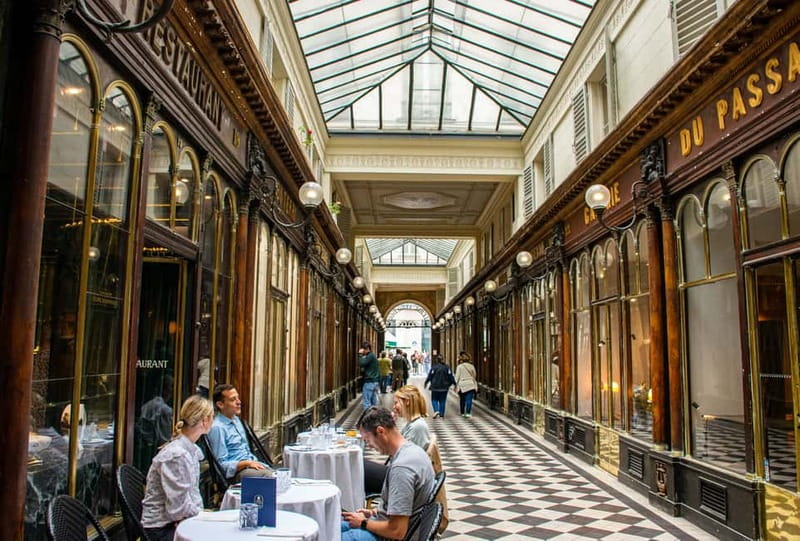
Paris is famous for big landmarks, but it is the smaller “in-between” spaces that make the city feel lived in. The passageways you’ll walk here are narrow, charming, and often tucked behind busy streets. You can see why Parisians loved them for shopping, social life, and getting around without getting drenched.
This tour is also practical because weather matters. It explicitly shines on rainy days, and the idea of walking through covered passages means you are not stuck sprinting from one open-air attraction to another. You still get the feel of Paris on the street, but you get a lot more shelter than you might expect from a typical walking loop.
You’ll also get a good sense of how these corridors connect. Even if you are not a “passage person” at first, the tour structure helps you learn the layout fast. That makes you better at exploring on your own later.
The 2-hour plan: from Rue Cadet to Passage du Grand Cerf
The walk starts at 26 Rue Cadet, right in front of the Optic 2000 shop. This matters because Rue Cadet is busy, and having a clear landmark means you can meet up without wasting time.
From there, you follow a sequence of passages and nearby cultural stops. The tour is only two hours, with short guided moments at each location. That pacing is key. You get just enough time at each stop to understand why it matters, take photos, and move on before the group gets restless.
The tour ends at Passage du Grand Cerf, so you finish in a passage rather than out in the open street. In real life, that is a small detail that makes the whole experience feel cohesive. You are not “done” and then forced to figure out your next move from scratch.
Stop-by-stop: what each passage and landmark adds to your walk
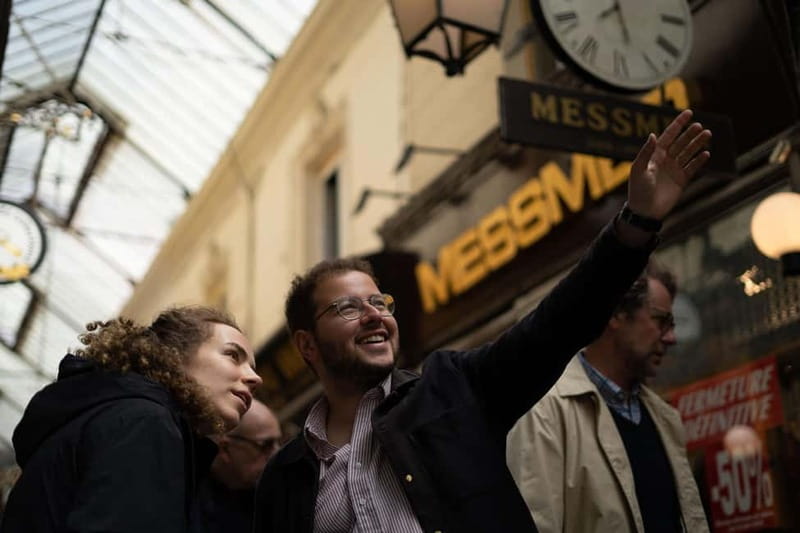
Here’s how the itinerary comes together, in the order you’ll experience it. I’ll also flag what to watch for, and one practical note if a stop feels quick.
Passage Verdeau
This is your warm-up passage. You’ll get a photo stop and a short guided look that sets the theme: covered corridors, storefronts, and that distinct 19th-century Paris mood. It is a good point to slow down and notice the design details, not just the fact that it’s pretty.
If you hate busy legs, this kind of first stop helps you get used to the walking rhythm before the route gets denser.
If this one is booked out, Paris has these too:
- Paris: 1-Hour Seine Cruise departing from the Eiffel Tower★ 4.4 · 77,472 reviews
- Disneyland® Paris 1-Day Ticket★ 4.6 · 49,412 reviews
- Paris: Versailles Palace and Gardens Full Access Ticket★ 4.6 · 41,579 reviews
- Paris: Arc de Triomphe Rooftop Tickets★ 4.6 · 34,264 reviews
Passage Jouffroy
Next comes another classic corridor. This stop keeps the momentum rolling and helps you compare passage styles. Think: different facades, different interior rhythm, slightly different “personality” even though they all feel related.
Passage des Panoramas
This is where the tour starts feeling like a highlight, not just a warm-up. You’ll spend a longer stretch here, with time for both viewing and guidance. Passage des Panoramas is a well-known passage, but it still rewards you with the “wait, Paris has this everywhere?” feeling when you step inside.
Palais Brongniart
Then you switch from pure passage charm to a more monumental stop. The photo stop and quick guided visit give you context for Paris’s architectural big swings, even in the same general area. It also helps you understand that this neighborhood is not only about shopping corridors, it is also about institutions and public life.
Galerie Vivienne
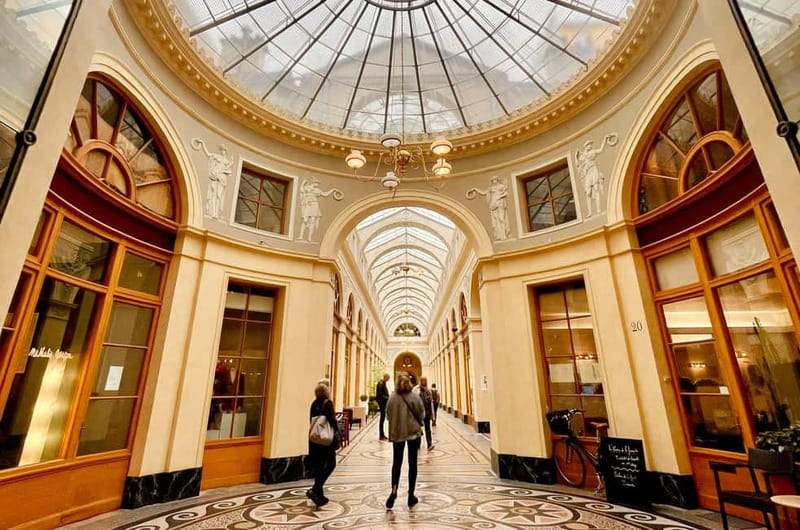
If you like your Paris with flourishes, this is one of the anchors. The tour schedules Galerie Vivienne with enough time to feel the place. It’s an elegant covered gallery that makes a strong visual impression. It also gives you a sense of why these spaces were built in the first place, not just how they look now.
A practical tip: keep your camera ready here, but also take one calm minute to look past the storefronts and into the overall geometry. That’s where the “wow” lives.
Palais-Royal
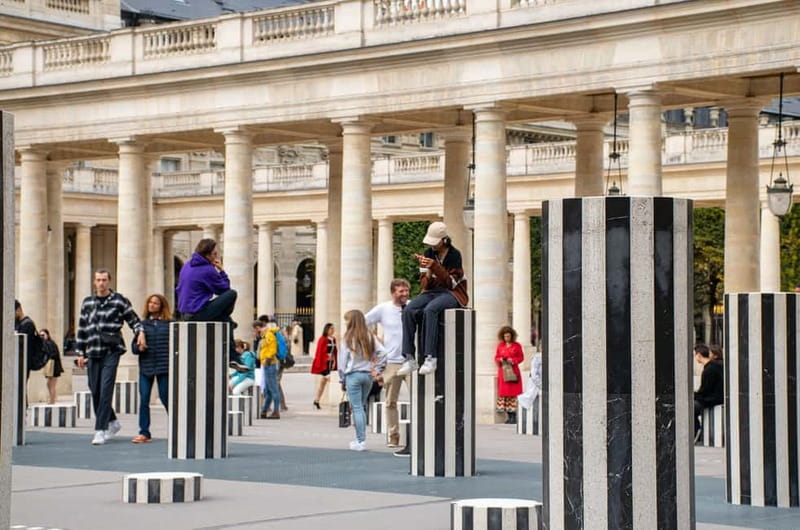
Then you hit Palais-Royal, and the tour gives you time to slow down. This stop helps balance the walk. It is not only about covered shopping. It is also about a more open-feeling, historic palace complex that makes the neighborhood feel deeper.
This is also a nice contrast after the tighter corridors. You get a breather, but you still stay in the same Paris zone.
Galerie Véro-Dodat
Back into a gallery environment. This stop is shorter, but it’s useful because it shows how many different covered spaces exist beyond the most famous names. The tour keeps it efficient, so you get the concept without losing the group to a long detour.
Bourse de Commerce
This is another “architecture moment” stop. You’ll get a photo stop and guided tour that shifts the mood toward grand civic space. It’s helpful in terms of variety, and it keeps the tour from becoming only corridors and shops.
If you’re a detail person, this is where you’ll appreciate how Paris mixes older passage culture with more modern public presence in the same overall walking zone.
Saint-Eustache Church
Now you step into a major religious landmark. You get guided time here, including the chance to see it as part of the surrounding city fabric rather than as a standalone stop.
This church visit adds weight to the tour. Even if you care mostly about the passages, it gives the walk a sense of “this is real city life,” not a themed stroll.
Les Halles de Paris
After the church, the tour moves to Les Halles de Paris, with guided time for a practical look at the area. This is where you get a more everyday Paris layer, something closer to modern city rhythms while still staying in the historic neighborhood story.
It also helps you answer a question I always ask in Paris: where do locals actually go? Even in a short tour, this stop helps you connect the dots.
Passage du Grand Cerf (finish)
You wrap up in Passage du Grand Cerf, bringing you back to the passage theme. Ending inside a corridor feels satisfying because it turns the final minutes into part of the experience, not just a conclusion.
The guide factor: where this tour really earns its rating
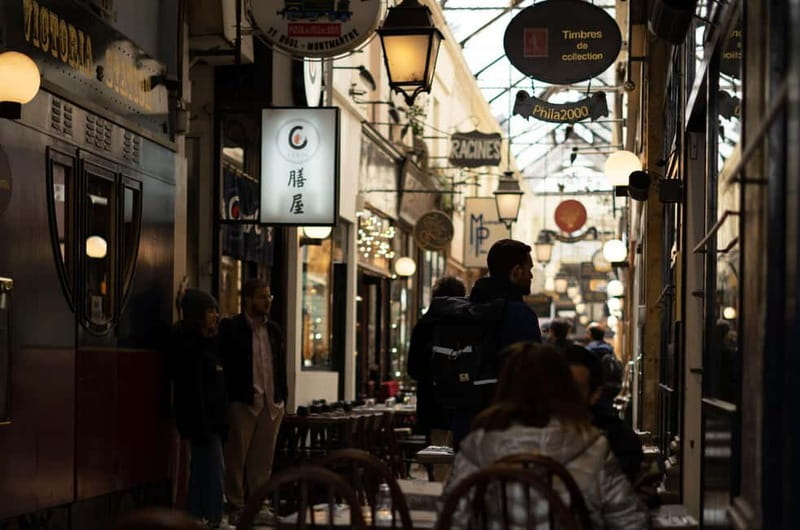
This is the kind of tour where the guide changes everything. Multiple accounts highlight the same strength: the stories. You’re not just shown places, you’re told how people used these spaces and why they mattered.
Guide Benoit is specifically noted for making the walk a pleasure through knowledge and good anecdotes. You can feel the difference when someone can explain the context in simple language, without turning every stop into a lecture.
Also, the group size helps. A small group of around six keeps the pace human. You’re not constantly waiting while strangers hold up the sidewalk with long photo sessions. If you go with a private option, you can also tailor the pace, and that private option is the one mentioned as wheelchair accessible.
How to get value from this tour (and not treat it like a checklist)
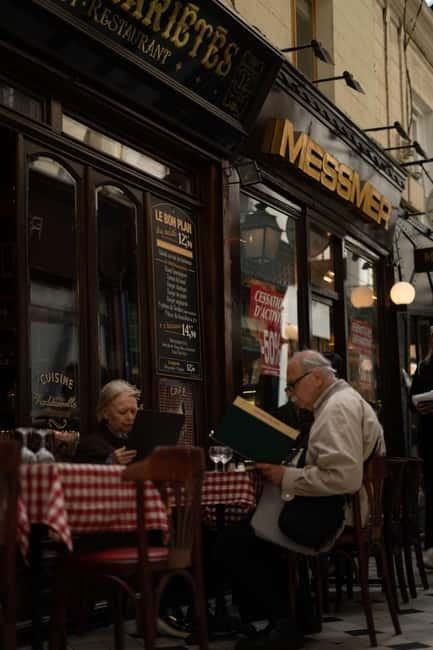
The price is $64 per person for two hours. That is not cheap-cheap, but it also is not trying to charge you for a long bus ride or an all-day plan. You are paying for guided time, local interpretation, and the advantage of knowing which passage corridors are worth your attention.
Where you get your money’s worth:
- You see multiple passages in one tight loop instead of spending your day searching for them.
- You get context on artists, writers, and intellectuals who shaped the cultural life around these spots.
- You leave with a mental map of how this neighborhood works, so you can keep exploring after.
If you are a first-timer with limited time, you might be tempted by Eiffel Tower energy. Still, there is a good reason to do this early in a trip too: it trains you to notice Paris’s design details and street-level charm. If you already know the big hits, this tour is an easy way to feel like you’re seeing the city from the inside.
Who this tour fits best
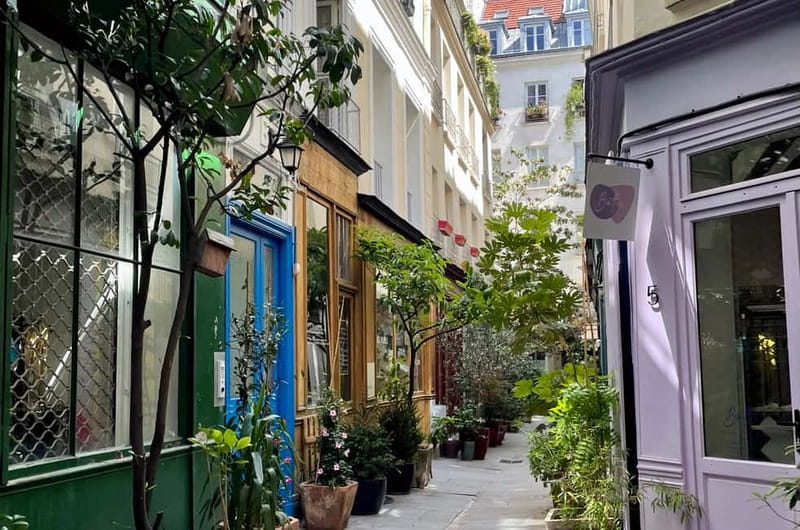
This works especially well if:
- You want Paris for rainy weather, with a lot of sheltered walking
- You’ve been to the major monuments already, or you simply want something different
- You enjoy architecture, shopping galleries, and short, story-driven stops
- You want a guide to help you place places in context, not just point them out
It might be less ideal if:
- You only want the most famous landmarks, with no interest in passages and arcades
- You dislike walking for two hours, even at a gentle pace
Should you book the Paris passageways tour?
I think you should book it if you want a Paris experience that feels specific and local, not generic. The tour is built on a smart concept, covered corridors plus a few key cultural landmarks. That combo gives you variety without blowing up your time.
Skip it if your priorities are only the biggest “must-see” monuments. This is not a checklist tour. It’s a corridor-to-corridor way to understand how Paris connects its history, design, and everyday life.
FAQ
How long is the Paris passageways tour?
It lasts 2 hours.
Where do I meet the guide?
Meet your guide in front of the Optic 2000 shop at 26 Rue Cadet.
How much does the tour cost?
The price is listed as $64 per person.
Is hotel pickup included?
No. Hotel pickup and drop-off are not included.
How big is the group?
The tour is described as an intimate group, with 6 people max, and private options are also available.
What languages is the tour offered in?
The live guide offers English, French, and Spanish.
Is the tour wheelchair accessible?
It is wheelchair accessible only with the private option.
Is this tour good for rainy weather?
Yes. It is specifically described as ideal for rainy days.
What places are visited on the tour?
Stops include Passage Verdeau, Passage Jouffroy, Passage des Panoramas, Palais Brongniart, Galerie Vivienne, Palais-Royal, Galerie Véro-Dodat, Bourse de Commerce, Saint-Eustache Church, Les Halles de Paris, and the finish at Passage du Grand Cerf.
What is the cancellation policy?
It offers free cancellation up to 24 hours in advance for a full refund.
Newest write-ups from Paris


Walking Tours, compared.
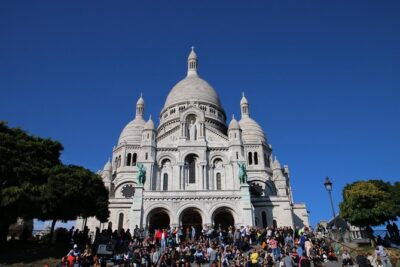
Paris Top Sights Half Day Walking Tour with a Fun Guide
Read our review →
Montmartre Hidden Gems and Scenic Highlights Walking Tour
Read our review →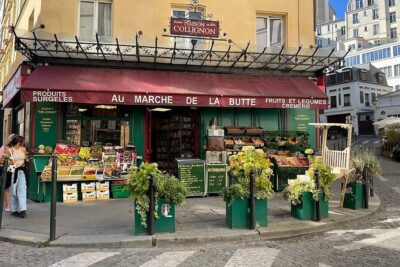
Montmartre Hill French Gourmet Food and Wine Tasting Walking Tour
Read our review →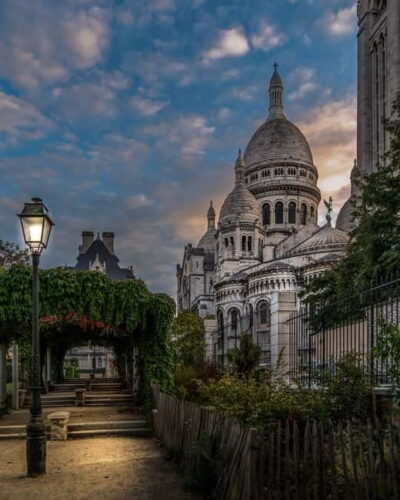
Montmartre Highlights Walking Tour with a Local Guide
Read our review →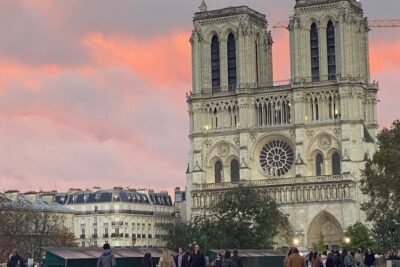
Paris Île de la Cité and Notre-Dame Walking Tour With Crypt
Read our review →
Montmartre Cheese, Wine & Pastry Guided Walking Tour
Read our review →
Paris in a Day: Louvre or Orsay, Eiffel Tower, City Walk & Cruise
Read our review →