Reviewed · WALKING TOURS
Paris Revolutionary Walking Tour: Iconic French Sights & Stories
Paris turns political when you walk it. This Paris Revolutionary Walking Tour uses the French Revolution as your lens, so famous landmarks come with clear context, not just postcard views. I especially love the small group size (up to 8) and the way the guide ties together politics, architecture, and the mood of the city through French Revolution stories.
The other big plus is the relaxed pace with enough time to ask questions, plus built-in guidance on how to navigate Paris afterward. One consideration: it’s about 2 hours, so each stop is short, and you’ll want to dress for standing and walking, since it runs rain or shine.
In This Review
- Key Things to Know Before You Go
- Why This Revolutionary Lens Makes Paris Feel Different
- Assemblee Nationale, the Start of the Political Story (20 minutes)
- What to watch for
- Small drawback to expect
- Pont de la Concorde: Your Shortcut to Monument Views (10 minutes)
- Practical tip
- Time reality
- Place de la Concorde: Where Revolutionary Violence Left a Mark (30 minutes)
- What you might find helpful
- Jardin des Tuileries: Calm Footsteps After Heavy History (20 minutes)
- What to look for
- Trade-off
- Place-Vendome: Power, Prestige, and the Luxury Story (20 minutes)
- What to do here
- Opéra and Palais Garnier Area: Art, Culture, and a Grand Ending (20 minutes)
- What the Guide Adds, and Why the Best Parts Are Often Unseen
- Pacing, Walking Comfort, and Group Size (8 max)
- Weather note
- Price and Value: Is $66.23 Worth It?
- Your Plan for the Day: Meeting, Route Flow, and Finishing at Opéra
- Who This Tour Suits Best (and Who Might Prefer Something Else)
- Should You Book This Paris Revolutionary Walking Tour?
- FAQ
- How long is the Paris Revolutionary Walking Tour?
- How much does the tour cost?
- Where does the tour start and end?
- Is the tour offered in English?
- How many people are in the group?
- Are admission tickets included for the stops?
- What’s included in the tour?
- What is not included?
- Does the tour run in rain?
- Is free cancellation available?
Key Things to Know Before You Go
- Small group or private option keeps the conversation focused and questions welcome
- Free-to-see landmark stops means your money goes mostly to the guide and learning, not extra admissions
- Big sight views from Pont de la Concorde include Notre Dame, the Eiffel Tower, Alexander III bridge, and Sacré Coeur
- Place de la Concorde as a central stage for Revolutionary events, including the execution of King Louis XVI
- Ends at Palais Garnier so you finish right in the heart of the Opéra area
Other arrondissements taken at walking pace:
- Paris Top Sights Half Day Walking Tour with a Fun Guide
★ 5.0 · 2,893 reviews - Montmartre Hidden Gems and Scenic Highlights Walking Tour
★ 5.0 · 2,684 reviews - Montmartre Hill French Gourmet Food and Wine Tasting Walking Tour
★ 5.0 · 2,588 reviews - Paris: Montmartre Highlights Walking Tour with a Local Guide
★ 4.9 · 2,318 reviews
Why This Revolutionary Lens Makes Paris Feel Different
Paris can look like it’s all marble, museums, and good lighting. This tour nudges you to see another layer: how power worked, how public spaces shaped events, and how the city’s center reflects political shocks.
What makes it work is the story structure. Instead of treating the French Revolution like a textbook, you move stop to stop through places where choices were made and symbols were displayed. That’s how the city starts to feel logical, not random.
You’ll also get something practical. At several points, the guide gives you city-navigation tips, so the tour isn’t only “see and go.” It’s also, here’s how to move through Paris like a planner, once you’re back on your own.
Assemblee Nationale, the Start of the Political Story (20 minutes)
You begin at 1 Pl. du Palais Bourbon, near the Assemblée Nationale. Even if you do not go inside beyond the exterior experience, this stop sets the tone: French democracy has been argued over and reshaped for centuries, and you’re standing close to the machinery of that debate.
This is a smart opening because it places the Revolution in a bigger frame. Instead of jumping straight to dramatic moments, you start with the institutions that later Revolutionaries would challenge, rebuild, and reimagine.
What to watch for
Look for the visual seriousness of the setting. Your guide’s job here is to connect what you see with what changed in public life.
Small drawback to expect
Because the tour stays moving, you won’t get long, slow time here. If you want an in-depth interior visit, you may need a separate plan.
If this one is booked out, Paris has these too:
- Paris: 1-Hour Seine Cruise departing from the Eiffel Tower★ 4.4 · 77,472 reviews
- Disneyland® Paris 1-Day Ticket★ 4.6 · 49,412 reviews
- Paris: Versailles Palace and Gardens Full Access Ticket★ 4.6 · 41,579 reviews
- Paris: Arc de Triomphe Rooftop Tickets★ 4.6 · 34,264 reviews
Pont de la Concorde: Your Shortcut to Monument Views (10 minutes)
Next comes Pont de la Concorde, one of those bridges where a short stop can feel like you’re doing three city tours at once. From here, you can line up views of major sights including Notre Dame, the Eiffel Tower, the bridge Alexander III, and even Sacré Coeur.
This part matters for two reasons. First, the views give you orientation. If this is your first days in Paris, you’ll come away with a mental map. Second, your guide uses the panoramic perspective to talk about how the Revolution changed the story the city tells about itself, even in places you might otherwise just pass.
Practical tip
Take a quick moment to identify landmarks before you listen too hard. You’ll get more from the explanations when you can point your eyes to what the guide is referencing.
Time reality
Ten minutes is brief. Treat it like a focused photo-and-orientation moment, not a long scenic break.
Place de la Concorde: Where Revolutionary Violence Left a Mark (30 minutes)
Then you shift to Place de la Concorde, which is where the Revolution becomes impossible to ignore. Your guide places key events in context, including the execution of King Louis XVI. You also get time to admire the fountain and the obelisk, so it’s not only grim history.
The best way to experience this stop is to slow down your reactions. It’s tempting to label it as dramatic and move on. Instead, listen for what changed in the meaning of public space when power became theatrical and visible to everyone.
This is also a good stop for questions. Your time here is longer than some others, so you can ask things like how people understood justice, authority, and citizenship in that era, and how that thinking echoes through Paris today.
What you might find helpful
If you’re a history buff, this is your main payoff. Even if you’re not, it’s the moment when Paris’s political past becomes concrete.
Jardin des Tuileries: Calm Footsteps After Heavy History (20 minutes)
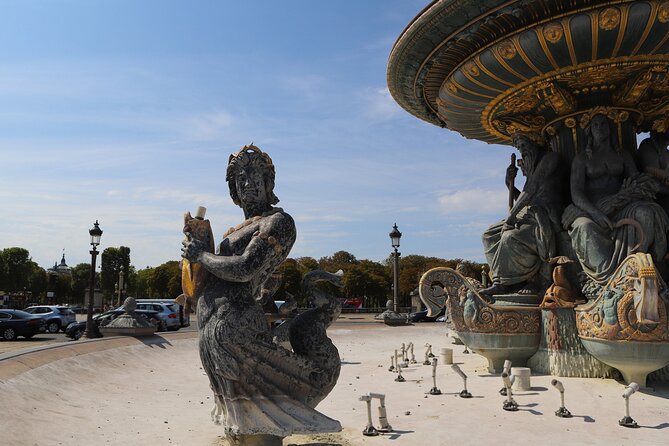
After a square loaded with meaning, you walk into Jardin des Tuileries. This stop is shorter, but it changes the pace on purpose: gardens give you breathing room, and the guide uses that quieter setting to talk about cultural shifts that followed the Revolution.
Even if you’re thinking, okay, we’re done with the serious part, don’t skip the guide’s framing. The Revolution didn’t only reshape governments. It also shaped how Parisians spent time, displayed taste, and organized public life.
The Tuileries area works as a reset for your legs too. You’re still walking, but now you have greenery, wide paths, and a calmer rhythm.
What to look for
Watch how the space feels in motion, not just as a photo. The garden layout makes it easier to understand why public gatherings matter.
Trade-off
Because it’s 20 minutes, you won’t get a full stroll across everything. If you want a longer wander later, save that for after the tour.
Place-Vendome: Power, Prestige, and the Luxury Story (20 minutes)
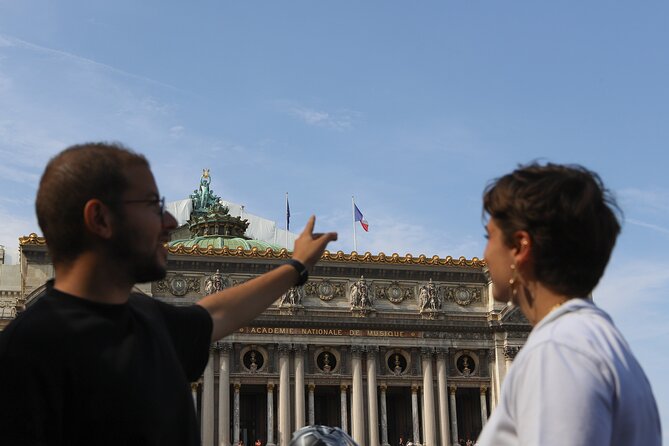
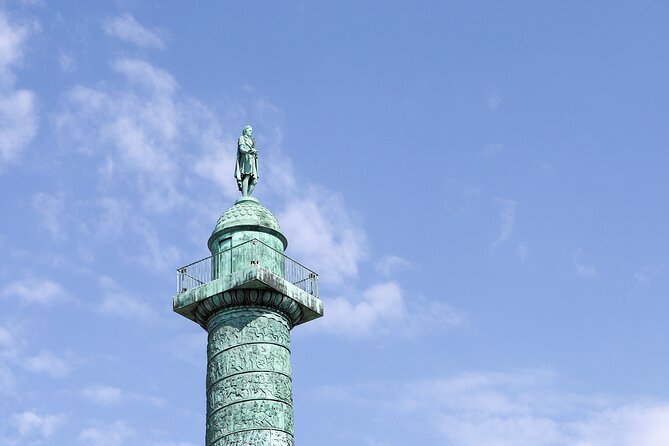
Next is Place-Vendome, a place that feels like Paris flexing. Your guide connects it to luxury and elegance, pointing out the prestigious hotels, high-end shops, and the architecture that signals status.
It’s a clever pairing with Revolutionary context. Place-Vendome can seem purely ornamental, but when you’ve just been talking about radical political change, the contrast starts to make sense. Power has moods. It can look severe, and it can look expensive.
Even if you have no interest in shopping, you’ll probably enjoy this stop as an architectural and cultural contrast. It helps you see Paris as a place that layers eras on top of each other.
What to do here
Use this as a reset for your brain. Take in the symmetry, notice the way the buildings frame the space, and let the guide connect the aesthetic to the social story.
Opéra and Palais Garnier Area: Art, Culture, and a Grand Ending (20 minutes)
The final stop focuses on the Opéra area, including the grand feel that Palais Garnier brings to the skyline and streetscape. Your guide frames it as a window into Paris’s artistic, cultural, and musical heritage, and you get time to admire the architecture that makes it one of the most famous opera houses in the world.
This ending is more than scenic. It gives your tour a “now” perspective. The Revolution may have been chaotic, but what follows includes a long push toward institutions, culture, and public grandeur.
And logistically, finishing at Palais Garnier is handy. You’re dropped off in a major hub for transit and for continuing your day on foot.
What the Guide Adds, and Why the Best Parts Are Often Unseen
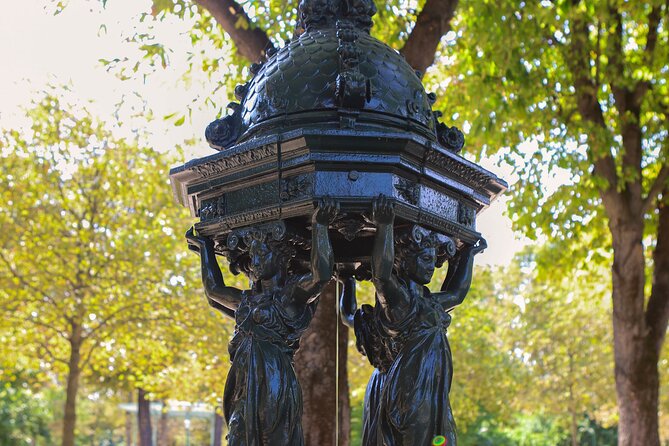
This is one of those tours where the guide is the main attraction. The standout theme in the experiences I’d prioritize is how guides bring both passion and clarity. Names like Lou, Alex, and Walid show up in guide feedback, and the common thread is storytelling that links history to the actual streets you’re standing on.
You’ll notice it in how they handle the balance between politics and visuals. Instead of overwhelming you with dates, they focus on what the spaces meant, how events played out in public, and how the city absorbed change.
One more thing I like: the humor and the conversational style. It keeps the tour from feeling like you’re trudging through facts for two hours. If your guide is in a good rhythm, you finish with a sense that you actually understand Paris better, not just that you’ve collected impressions.
Pacing, Walking Comfort, and Group Size (8 max)
With a duration of about 2 hours and a maximum group size of 8, you get the best mix of momentum and interaction. Small groups matter here because you’re asking questions at real locations. Larger groups tend to rush, but with this format you’re more likely to get answers without feeling cut off.
The tour is also designed to be flexible within a short window. Each stop includes a time block, and your guide keeps you moving while still giving enough time to look up, listen, and ask.
Weather note
It runs rain or shine. That’s not a dealbreaker, but you should pack for it. If it rains, you’ll still be outside, so shoes with grip and a light rain layer will make a big difference.
Price and Value: Is $66.23 Worth It?
At $66.23 per person for about 2 hours, this tour sits in the category where you’re paying for expertise, not entry tickets. The stops listed are free to access (no admission ticket costs), so the value is in how the guide connects each location to Revolutionary events and the larger transformation of the city.
I like this pricing model because it helps you control your total day cost. You can spend on the guide, then keep seeing Paris without stacking a bunch of museum or monument fees on top.
Also, you’re getting practical extras that can extend your day. Included tips on navigating Paris afterward might sound small, but they can save time the next time you’re deciding between routes, neighborhoods, and transit.
If you’re traveling solo, a small-group tour is often more cost-effective than private tours. If you’re traveling as a family or a tight group and want more direct pacing control, the private option may feel like the better deal.
Your Plan for the Day: Meeting, Route Flow, and Finishing at Opéra
Start at 1 Pl. du Palais Bourbon and end at Palais Garnier, Pl. de l’Opéra. That finish is useful because it often lines up with dinner nearby, a stroll through the Opéra area, and easy transit choices.
Think of the route as a center-city loop that escalates in meaning. You begin with politics at the Assembly, open with a big visual orientation from the bridge, hit the Revolution in the square, slow down with the Tuileries, contrast with luxury at Place-Vendome, then close with art and architecture at the Opéra.
If you want to get more out of it, do this:
- Wear comfortable shoes and keep your hands free for photos and your jacket
- Bring a phone with enough battery, since you’ll have a mobile ticket
- Have one or two questions ready about what you want to understand most, politics, daily life, or how the city changed
Who This Tour Suits Best (and Who Might Prefer Something Else)
This tour fits you if you like history but also want it tied to real places you can point to. It’s also great if you like architecture and city layout, because the views from Pont de la Concorde and the contrast between squares, gardens, and grand buildings teach you a lot about how Paris is organized.
It’s especially useful for first-time visitors who want a mental map fast. Those views and the central start and finish help you orient quickly, which makes the rest of your trip easier.
You might want a different option if you’re hoping for long pauses, lots of museum time, or a heavy focus on interiors. This is a walking tour with timed stops, and each location gets a solid, but short, window.
Should You Book This Paris Revolutionary Walking Tour?
I’d book it if you want an efficient way to connect the French Revolution to Paris’s most iconic spaces, and you value a guide who can explain without drowning you in dates. The combination of small-group conversation, short, well-chosen stops, and practical tips for continuing your day is a strong value match for $66.23.
If you hate walking or you need long seated breaks, you might find the pacing too active. If you’re good with rain and ready for a guided walk through political squares, gardens, and opera grandeur, you’ll probably enjoy how the city starts to make sense.
FAQ
How long is the Paris Revolutionary Walking Tour?
It lasts about 2 hours.
How much does the tour cost?
The price is $66.23 per person.
Where does the tour start and end?
It starts at 1 Pl. du Palais Bourbon, 75007 Paris, France, and it finishes at Palais Garnier, Pl. de l’Opéra, 75009 Paris, France.
Is the tour offered in English?
Yes, it is offered in English.
How many people are in the group?
The maximum group size is 8 travelers. A private option is also available.
Are admission tickets included for the stops?
The tour lists admission tickets as free at each stop, and the tour itself includes a local guide. Any tips are not included.
What’s included in the tour?
Included: a local tour guide, a fun walking tour, tips to navigate the city after, and small group (8 max) or private.
What is not included?
Not included: tips or gratuities, and hotel pick-up or drop-off.
Does the tour run in rain?
Yes, the tour will take place rain or shine.
Is free cancellation available?
Yes, you can cancel up to 24 hours in advance for a full refund.
Newest write-ups from Paris



Walking Tours, compared.
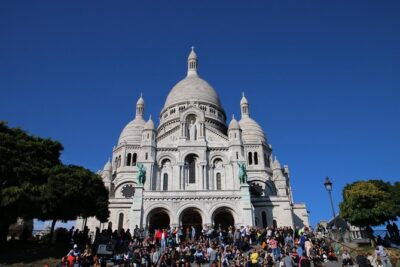
Paris Top Sights Half Day Walking Tour with a Fun Guide
Read our review →
Montmartre Hidden Gems and Scenic Highlights Walking Tour
Read our review →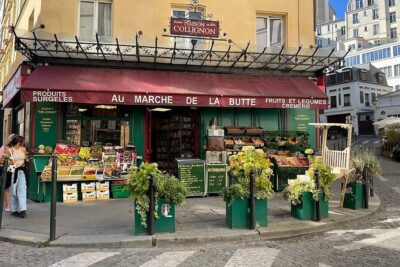
Montmartre Hill French Gourmet Food and Wine Tasting Walking Tour
Read our review →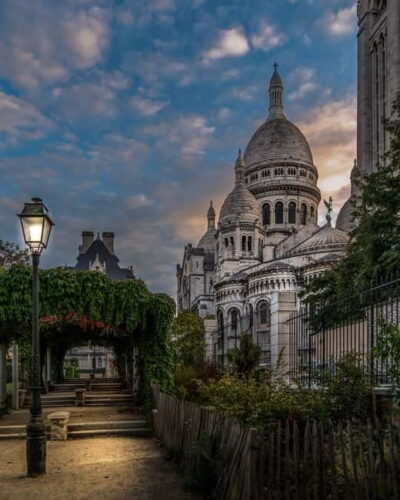
Montmartre Highlights Walking Tour with a Local Guide
Read our review →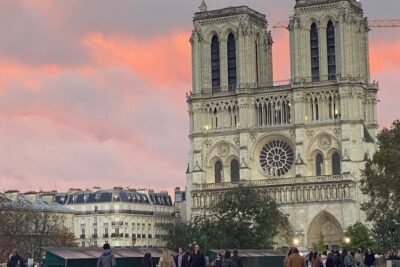
Paris Île de la Cité and Notre-Dame Walking Tour With Crypt
Read our review →
Montmartre Cheese, Wine & Pastry Guided Walking Tour
Read our review →
Paris in a Day: Louvre or Orsay, Eiffel Tower, City Walk & Cruise
Read our review →