Reviewed · WALKING TOURS
Paris: Révolution(s) Walking Tour
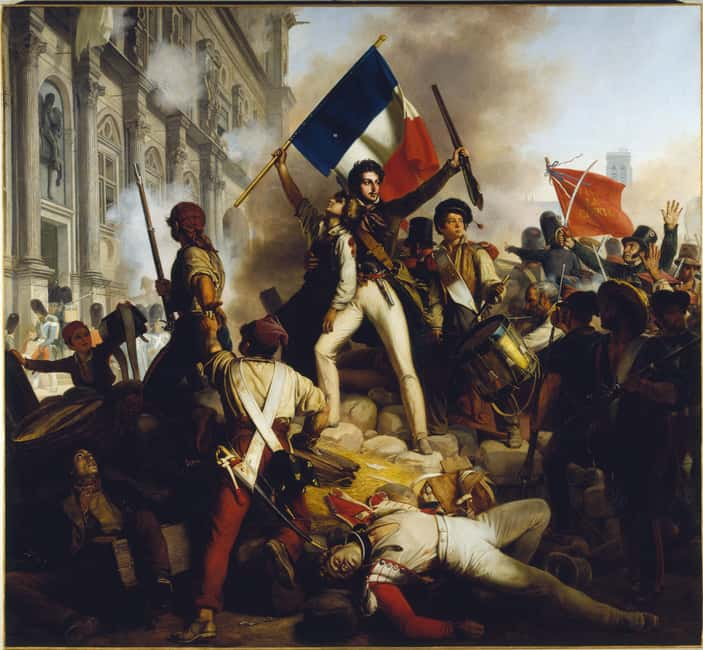
Paris turns revolutionary on foot. I love the way this Paris Revolutions walking tour stitches big ideas to real streets, and I also love the pacing that keeps everything chronological. You get a guided tour that covers the French story from 1789 to 1871, plus major connections like the American, Russian, and Haitian revolutions, with stops at places such as Place de la Révolution and Palais Égalité.
The experience feels especially strong when the guide, Daniel, brings the story to life with clear explanations and lots of photo-friendly landmark time. The booklet plus the end-of-tour cheat sheet help you keep track of dates, places, and themes so it does not turn into a blur of names. One possible drawback: it is concept-heavy, and you should be ready for a lot of walking and dense political history in about four hours.
In This Review
- Key moments you will remember
- Why Paris’s Revolutionary Story Works Best on Foot
- Meeting at Place de la Concorde, Then Sliding Into 1789
- Tuileries Garden and the Palais-Royal area: power meets politics
- Hôtel de Ville: where a revolution tries to act
- Palais de Justice: courts, control, and revolutionary consequences
- The secret stop: headquarters of Enlightenment
- How the tour teaches ideas: liberalism, socialism, and the collapse question
- What sites you will actually hit along the way
- Music, timing, and getting your head around 1789 to 1871
- Price and logistics: is $47 good value?
- Before you go: the best way to pair it with other Paris stops
- Who should book this Revolutions tour, and who might not
- Should you book this Paris Révolution(s) walking tour?
Key moments you will remember

- Revolutions, 1789 to 1871, told as one connected story across the same central Paris spaces
- Place de la Concorde to Palais de Justice, with major revolutionary sites along the route
- A secret stop, the headquarters of Enlightenment, adds a real sense of discovery
- Revolutionary songs on the way, so the walk has energy, not just facts
- Booklet and cheat sheet, so you can review after the tour without rewatching your memory
Other arrondissements taken at walking pace:
- Paris Top Sights Half Day Walking Tour with a Fun Guide
★ 5.0 · 2,893 reviews - Montmartre Hidden Gems and Scenic Highlights Walking Tour
★ 5.0 · 2,684 reviews - Montmartre Hill French Gourmet Food and Wine Tasting Walking Tour
★ 5.0 · 2,588 reviews - Paris: Montmartre Highlights Walking Tour with a Local Guide
★ 4.9 · 2,318 reviews
Why Paris’s Revolutionary Story Works Best on Foot
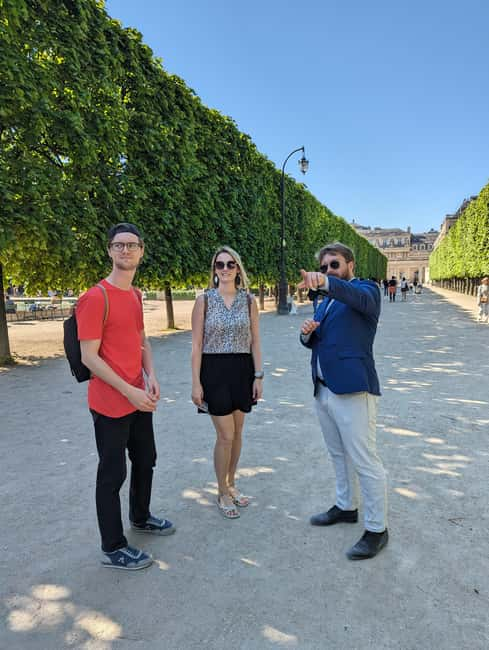
Paris is full of monuments, but this tour uses them like chapters in a timeline. You do not just look at stones. You connect each location to what changed, who fought for power, and how new political ideas spread.
I like that the tour keeps themes practical. The guide lays out questions like what liberalism means, what socialism means, how governments collapse, and what revolutionary tyranny looks like. Even if you do not care about politics as a hobby, these are the same questions that show up in modern headlines. That is the payoff of doing this in person, on the ground, not just reading names on a wall.
The route is also built around a simple advantage: central Paris. You can walk between power centers quickly, and you will see how the city’s “official” spaces and “public” spaces overlap. When a revolution moves from words to crowds, those overlaps matter.
Meeting at Place de la Concorde, Then Sliding Into 1789
You meet at Place de la Concorde, right next to the obelisk. The guide is a bearded man wearing the French flag on his shoulders, easy to spot once you know what to look for.
From there, you start with a short guided orientation at the square. This matters more than it sounds. Concorde sits near the kind of world-change spaces that later revolutions used, and the guide sets the mental map early so you do not feel lost when you move into Tuileries and Palais-Royal.
Practical tip: wear comfortable shoes. This is a walking tour with a chunk of time spent on foot plus at least one short metro segment. If your feet start hurting halfway through, you will miss the fine details the guide is offering.
Tuileries Garden and the Palais-Royal area: power meets politics
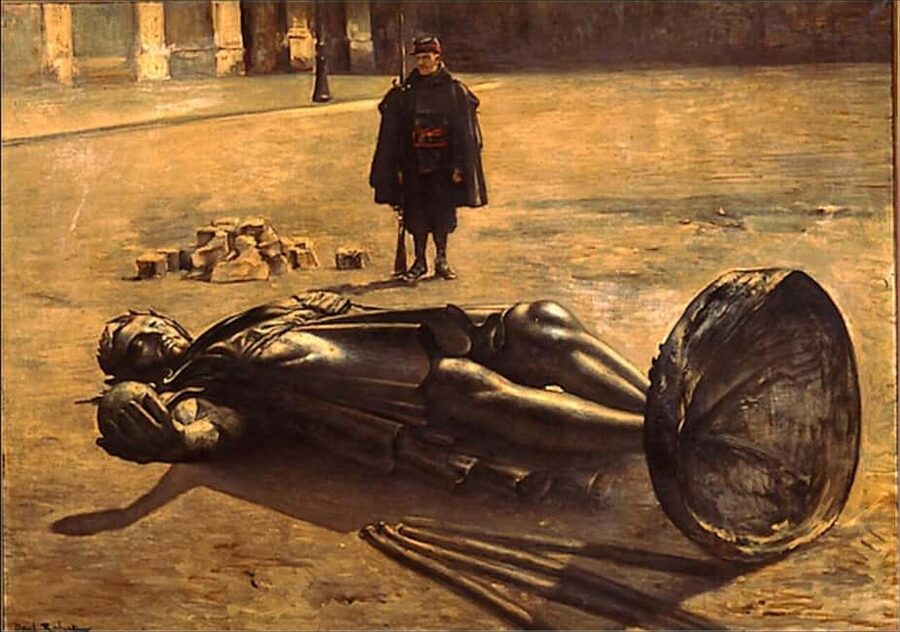
The tour includes a guided walk through the Tuileries Garden area, then continues on foot toward the Palais-Royal Garden. These stops are not chosen at random. They sit in the orbit of government influence, public movement, and the political talk that helps a revolution gain momentum.
At Tuileries, you get a guided, time-aware explanation, not just a photo stop. The point is to understand how leaders and institutions positioned themselves before crowds became unavoidable. Even without going deep into architecture trivia, you start seeing patterns: where authority gathered, where people gathered, and how those choices shaped what happened next.
Palais-Royal Garden is where the tour’s “ideas meet street reality” angle really clicks. You are in a space that feels like it belongs to strolling and conversation, which is exactly why revolutionary thinking could spread so fast. You get lessons tied to what is happening politically, including how people start arguing about rights, authority, and fairness when the old order stops working.
Then you make a short jump by metro. The tour schedule allows a few minutes for that, and the requirement matters: you need a metro ticket. If you arrive without one, you will waste time at the exact moment when the story shifts to the city’s political core.
Hôtel de Ville: where a revolution tries to act
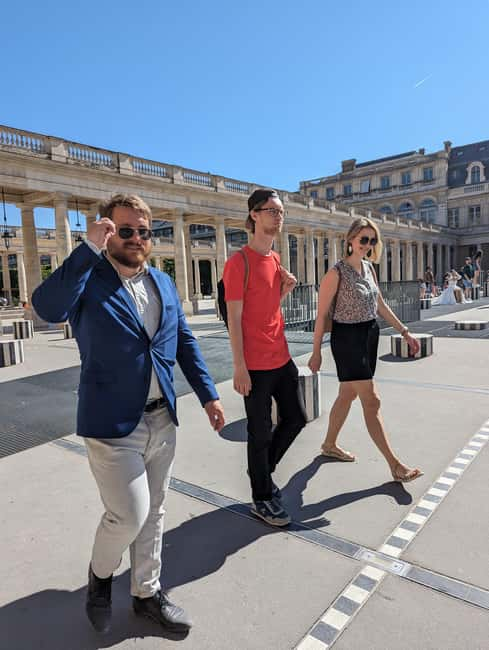
Next comes Hôtel de Ville, with a longer guided stop. This is one of the most important places for understanding the mechanics of revolt in Paris.
Here, the tour leans into a big idea: revolutions are not only about anger. They are also about organization. Places like Hôtel de Ville represent public authority, and revolutions often move quickly once they can claim official space, even temporarily. The guide connects those moments to larger questions like how governments collapse and why revolutionary governments can become unstable.
If you like stories with clear cause and effect, this is a strong section. The guide does not treat revolutions like isolated events. Instead, you get a chronological line of events that shows what came before and what set up the next crisis.
Also, this stop is a good time to slow down and look around. The tour format gives you time for explanation and photo opportunities, but you should also take a breath and notice how the surrounding streets still function like movement corridors for crowds and politics. That continuity is part of why the tour feels practical, not museum-only.
If this one is booked out, Paris has these too:
- Paris: 1-Hour Seine Cruise departing from the Eiffel Tower★ 4.4 · 77,472 reviews
- Disneyland® Paris 1-Day Ticket★ 4.6 · 49,412 reviews
- Paris: Versailles Palace and Gardens Full Access Ticket★ 4.6 · 41,579 reviews
- Paris: Arc de Triomphe Rooftop Tickets★ 4.6 · 34,264 reviews
Palais de Justice: courts, control, and revolutionary consequences
The tour’s end point is Palais de Justice de Paris. Before that finish, you visit Palais de Justice with a guided explanation.
This is where revolutionary history turns into high-stakes process. Even if you are not into legal history, you will understand why a revolutionary period obsesses over trials, legitimacy, and who has the right to punish. The tour’s framing includes a concept around revolutionary tyranny, and you feel how quickly a revolution can switch from demanding justice to enforcing it by fear.
This is also one of those spots where the tour’s chronological method pays off. Earlier events explain why certain ideas became powerful, and later events show how those ideas hardened into systems. By the time you reach Palais de Justice, you are not just hearing about a single moment. You are seeing how the logic builds.
I also like that this section is designed for a clear ending. When a walking tour ends at a major site like this, you get a sense of closure. It is not the end of Paris history, but it is a strong finish for a story arc that runs from 1789 through 1871.
The secret stop: headquarters of Enlightenment
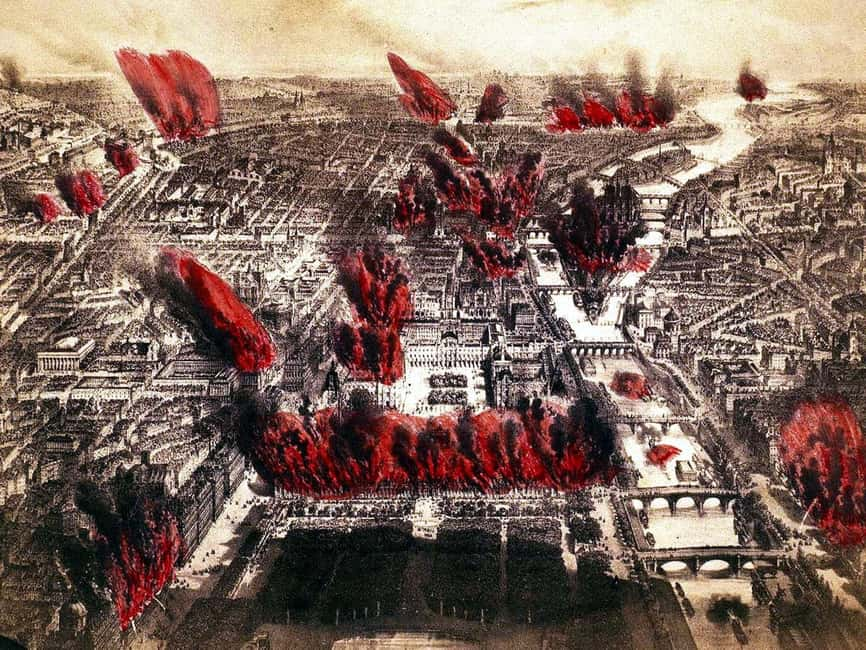
One of the biggest “wait, what?” moments is the secret location visit: the headquarters of Enlightenment. This is explicitly part of the experience, and it helps explain why revolutions do not happen only from hunger and anger.
Enlightenment ideas are the engine behind a lot of political argument. When you see a site connected to that intellectual movement, the whole tour becomes easier to understand. You stop thinking of revolutions as sudden chaos and start seeing them as contested plans, arguing over what governments should do, what citizens owe, and what rights mean in real life.
You also get a reminder that revolutionary energy is not always street-level only. It often starts in conversation, writing, and networks of thinking. The tour uses this stop to connect ideas to later street events so the story feels coherent.
If you care about understanding why revolutions happen, this is a highlight section. If you only want a quick hit of landmarks, it might be the part you appreciate most after you realize how much it changes the rest of the tour for you.
How the tour teaches ideas: liberalism, socialism, and the collapse question
The tour is built around more than dates and rulers. At each place, you get lessons tied to themes the guide chooses to connect across time.
You will hear explanations that include:
- what liberalism means
- what socialism means
- how governments collapse
- what revolutionary tyranny looks like
This is where you get value even if you think you already know French revolution basics. The tour is structured to show how these concepts shift. You see how debates evolve as each crisis forces people to act.
In practical terms, this helps you read Paris afterward. When you wander on your own, you start recognizing political symbolism and public space design. You will also be better at understanding why the same city can be a stage for different revolutions, not just one.
What sites you will actually hit along the way
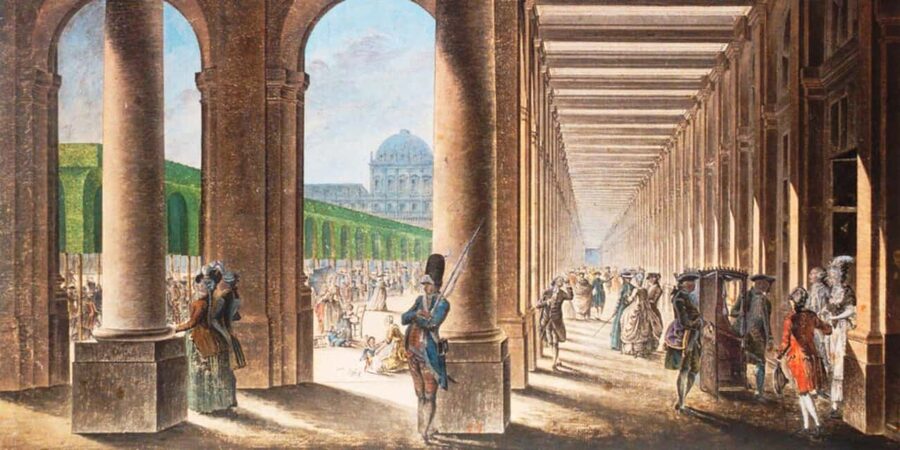
The route concentrates on major revolutionary landmarks and a few especially meaningful in-between stops. You will visit places including Place de la Révolution and Palais Égalité, and you also pass by or discuss locations such as:
- Convention Nationale
- Palais Égalité
- Hôtel de Ville
- Tribunal Révolutionnaire
- Palais de Justice
The tour also works in a broader web of revolutionary context tied to the city. It brings in the American Revolution, Russian Revolution, Latin American revolutions, the Spring of Nations of 1848, and the Haitian Revolution.
That last one matters more than it may sound at first. Haiti changes how you think about revolutions as a global pattern, not just a European story. It also adds depth to how the tour frames freedom, labor, and power.
Music, timing, and getting your head around 1789 to 1871

You will hear revolutionary songs while you walk. That is not just entertainment. It keeps the mood aligned with the subject matter and helps break the “lecture” feel that some history tours fall into.
Timing is also thoughtful. The tour runs about 150 minutes up to around four hours depending on pace. It includes guided stops of varying lengths, plus a short metro segment. In other words, it is not a nonstop march, but you should expect sustained walking.
What makes this tour work is that it repeats a rhythm: story at a place, then a link to what came next. Over time, the big picture clicks into place. By the end, you should feel like you can explain the sequence of revolutions you covered, not just name them.
Price and logistics: is $47 good value?
At $47 per person for a roughly four-hour walking tour, the value is mainly in the structure. You are paying for more than a route. You are paying for guided interpretation, a complete chronology booklet, and a cheat sheet that helps you review later.
That added learning material is a big part of why the price feels reasonable. A lot of tours give you a map or a few key facts. This one gives you a system to remember the story in order, which is what most people struggle with after a single city walk.
You also get a private group option. That can matter if you like asking questions or want a more conversational pace.
Two practical notes for value, though:
- it involves enough walking that shoes are not optional
- the tour requires a metro ticket
If you plan your day with that in mind, the tour feels efficient. If you show up with a tight schedule and sore feet, you might feel the time pressure instead of the history.
Before you go: the best way to pair it with other Paris stops
The tour itself includes a helpful suggestion: do it before visiting the Conciergerie and the Carnavalet museum. That sequencing makes sense because the walk gives you a timeline and a political framework first.
If you visit those museums first, you might feel like you are collecting fragments. If you do this tour first, you will likely recognize more of what you see, especially when stories connect to the same revolutionary themes and locations.
Who should book this Revolutions tour, and who might not
This tour is a great fit if you:
- want political history explained clearly, not just recited
- like connecting revolutions across time and beyond France
- enjoy landmark walking tours that still feel like a guided lesson
- want a cheat sheet you can use after your day in Paris
It is less ideal if you:
- hate lots of walking in central Paris
- want only quick sightseeing without political concepts
- prefer museum-style pacing with fewer moving parts
The guide name Daniel comes up strongly in the tour experience you have available here. In the feedback, people describe him as passionate, organized, and generous with explanations. That matters because this kind of subject can turn into a mess if the guide cannot keep the story straight.
Should you book this Paris Révolution(s) walking tour?
If your goal is to understand why Paris kept producing revolutionary waves from 1789 to 1871, this is an easy yes. The tour gives you a guided timeline, key landmark context, and a learning kit that helps you keep the whole story straight when you leave the streets.
I would book it early in your trip, especially if you plan to visit the Conciergerie or Carnavalet right after. You will get more out of those stops with the tour’s chronology in your head. Just bring comfortable shoes, a metro ticket, and an appetite for big ideas linked to real places.
Newest write-ups from Paris








Walking Tours, compared.

Paris Top Sights Half Day Walking Tour with a Fun Guide
Read our review →
Montmartre Hidden Gems and Scenic Highlights Walking Tour
Read our review →
Montmartre Hill French Gourmet Food and Wine Tasting Walking Tour
Read our review →
Montmartre Highlights Walking Tour with a Local Guide
Read our review →
Paris Île de la Cité and Notre-Dame Walking Tour With Crypt
Read our review →
Montmartre Cheese, Wine & Pastry Guided Walking Tour
Read our review →
Paris in a Day: Louvre or Orsay, Eiffel Tower, City Walk & Cruise
Read our review →