
Reviewed · AUDIO TOURS
Paris Self-Guided Audio Tour
Paris sounds better when it guides you. This self-guided audio tour ties together 24 iconic and lesser-known stops across the city, with a map that tells you exactly what to play at each place. I like that it is low-stress, you can start where you want, and you keep full control over time.
What I like most is the combo of an interactive map plus a single audio playlist link, so you are not hunting for content while you are standing in line. The other big win is freedom to linger, cut out what does not interest you, and spread it over multiple visits if you want. The main drawback to plan for is connectivity, the audio runs through a web link, so if you end up with weak service or no Wi-Fi, you might struggle.
In This Review
- Key highlights that make this route practical
- What you get for $9: a map-led playlist and 24 audio stops
- Before you start: headphones, internet, and a fast setup
- A quick note on admission
- First stretch: Gare de Lyon to Montmartre (and why this start feels smart)
- Consideration for this first chunk
- From Arc de Triomphe to the Eiffel Tower: the view stops that actually teach you something
- A practical tip for this section
- A quieter Paris: Invalides, Rodin gardens, and chapels you might miss
- What I’d do here
- Left Bank classics: gardens, Impressionists, and the Louvre path
- A reality check on timing
- Sainte-Chapelle and Notre-Dame tower views: stained glass plus heights
- Consideration
- One last stop: France’s national library and modern Paris
- Who should book this Paris self-guided audio tour?
- Should you book this Paris self-guided audio tour?
- FAQ
- How much does the Paris self-guided audio tour cost?
- How long is the audio tour in total?
- What do I get after booking?
- Do I need to bring anything?
- Can I visit the stops in any order?
- Is admission included for all attractions?
- Is this a private experience?
- Are the access links refundable or changeable?
Key highlights that make this route practical
- A tap-on-the-map setup: each point connects straight to the matching audio guide
- 24 stops, including major and offbeat picks like Place des Vosges and Chapelle Notre Dame de la Medaille Miraculeuse
- Mixed admission costs: some stops are free outdoor sights, so your $9 goes further
- Flexible pacing so you can listen fast at landmarks or slow down at museums
- Support if something goes wrong, and at least one note praised a helper named Lawerence for being understanding
More of Paris walked without a guide waiting:
- Paris: Illuminations River Cruise with Audio Commentary
★ 4.3 · 12,340 reviews - Paris: Orsay Museum Entry Ticket and Digital Audio Guide App
★ 4.4 · 3,170 reviews - From Paris: Giverny Day Trip with Audio Guide or Live Guide
★ 4.3 · 2,372 reviews - Giverny and Monet’s House Half Day Trip from Paris Guide or Audio
★ 4.0 · 1,319 reviews
What you get for $9: a map-led playlist and 24 audio stops

For $9 per person, you are not buying tickets. You are buying an easy way to experience Paris through audio guidance tied to specific locations. The “included” part is two private links: one to the audio (24 attractions in one playlist) and another to an itinerary map where each stop links to its own audio.
That sounds simple, but it is exactly what makes this kind of tour work. In Paris, attention is split between streets, lines, signage, and crowds. With this setup, your smartphone becomes the interpretive layer. You get to see the sights, then hear what to look for, why it mattered, and what changed over time.
The value is strongest if you will use the map often. If you only listen for a couple of stops, the price still feels fair, but the experience will feel thinner. If you actually run the route, including the paid museums where you care most, this is a budget-friendly way to add depth.
One more practical detail: the access links are valid up to 6 days. That means you can take a full afternoon one day, then finish another cluster on a second day without rushing everything into a single 5-hour block.
Before you start: headphones, internet, and a fast setup
You will need your own phone, your own headphones/earphones, and your own internet or Wi-Fi. The audio content is accessed through a secure SoundCloud web link, and the map is a secure Google My Maps link. That means the tour is designed for “use while walking,” not true offline mode.
In real life, that matters. Paris streets can be hit-or-miss for signal, especially in older areas with thick stone walls. So I recommend doing a quick prep before you head out:
- Open the audio link and test playback at home or at a café before you go.
- Open the map link and tap one stop to confirm it routes you correctly.
- Bring a charged phone battery, because you will be using GPS and the screen constantly.
If you run into trouble, the experience includes customer support for access questions. In one case, a helper named Lawerence was described as understanding and helpful, which is a good sign if you want quick answers.
A quick note on admission
Some stops are marked free, others are not included. That includes major paid sites like Musée Picasso-Paris, Palais Garnier, the Eiffel Tower, and several museums. Your tour time will feel better if you decide in advance what you will pay for, and what you will treat as an exterior visit plus the audio track.
First stretch: Gare de Lyon to Montmartre (and why this start feels smart)
This route kicks off at Paris Gare de Lyon. It is a strong opener because it immediately frames Paris as a modern city that still keeps style and drama. The station is known for its clock tower and for Le Train Bleu restaurant. Even if you are not eating, the place sets a “you’re in Paris now” mood fast.
Next comes Place des Vosges, the oldest planned square in Paris, ringed by elegant 17th-century architecture. This is one of those spots where photos look good, but audio helps more. Listening here makes it easier to understand how Parisian urban design has roots that go way back.
From there, you have a choice that depends on your interests:
- Musée Picasso-Paris is a paid stop. It is housed in a 17th-century mansion, which is a big part of the experience. You will not just see paintings, you also get a historic setting that adds context to how Picasso fit into the city’s art story.
- If you prefer grand interiors without committing to a full museum, Palais Garnier is another paid stop that many people love for its sheer theatrical opulence. It is also a famous source of inspiration for The Phantom of the Opera, so the audio can help you spot the why behind the drama.
Then you climb to Basilique du Sacre-Coeur in Montmartre. This is a free stop and it is worth it even if you only give it enough time to look around and listen. The big payoff is the panoramic views from the white-domed basilica. Audio here is great because it turns the view from a postcard into a sense of how neighborhoods spread out.
Finally, Parc Monceau gives you a calmer rhythm. It is free and known for English-style gardens plus eclectic monuments. In a route packed with architecture and museums, this park works like a reset button, letting your brain slow down before you head toward heavier landmark moments.
Other Paris routes with a voice in your ear:
- Paris: Openair Double Decker Bus Audio-Guided City Tour★ 3.5 · 938 reviews
- Bruges Guided or Audio Trip with Canal Cruise Option from Paris★ 4.0 · 795 reviews
- Versailles Domain Audio Guided Half Day Tour from Paris★ 3.5 · 415 reviews
- Giverny & Monet’s House Audio Guided Half-day Tour from Paris★ 4.0 · 379 reviews
Consideration for this first chunk
This part includes some paid indoor time. If you hit Picasso and Palais Garnier on the same afternoon, you might feel museum-fatigued before Montmartre. If you want the best energy, pick one major museum early, then keep Montmartre as the “payoff view” stop.
From Arc de Triomphe to the Eiffel Tower: the view stops that actually teach you something
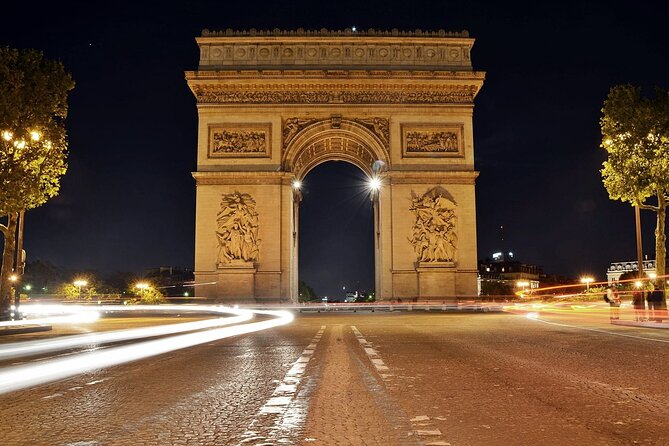
Arc de Triomphe is next. It is a paid stop, and the payoff is scale plus alignment. The arch honors those who fought for France, and the view down the Champs-Élysées is the kind of Paris panorama that makes you understand the city’s grand planning. Audio is useful here because it explains what you are looking at, not just that it is impressive.
Then the route swings toward Monet at Musée Marmottan Monet, another paid stop. It is known for the world’s largest collection of Claude Monet’s works. If you care about Impressionism, this is a strong mid-route pause because it feels more focused than the mega-museums. Plus, listening while you look is the best way to catch the differences between works that might otherwise blur together.
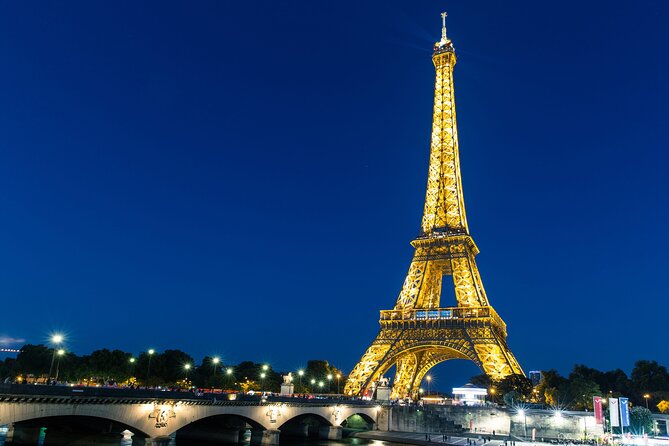
After that, you have the Eiffel Tower, which is paid. This is the obvious name, but the tour’s value is in giving you a reason to look beyond the obvious. The Eiffel Tower is also an engineering marvel and a symbol of Paris, and audio can frame how people think about it, not just what it looks like.
Next is Musée du quai Branly – Jacques Chirac, another paid stop. It focuses on indigenous art from Africa, Asia, Oceania, and the Americas. This is a smart variety shift because the rest of the route leans heavily toward European landmark culture. Even if you only spend part of your time here, the audio helps you approach it with the right lens.
To connect the museum stretch to the next big outdoor moment, you cross Pont Alexandre III, a free stop. It is considered one of the most beautiful bridges in Paris and links the Champs-Élysées quarter with the Eiffel Tower quarter. Listening while you cross is a quick way to make the geometry of the city feel clearer.
A practical tip for this section
This is where crowds can spike, especially around Eiffel and the Arc. If you want a calmer experience, check your timing and consider doing paid sights earlier in the day. The audio tour itself lets you move in your own order, so you can always swap nearby stops around.
A quieter Paris: Invalides, Rodin gardens, and chapels you might miss
Now the route shifts to Musée de l’Armee des Invalides, home to Napoleon’s tomb. It is a paid stop. Even if you are not a hardcore military history person, Invalides helps you understand how France built national myth, not just how armies fought. Audio can guide you toward what to look for, especially around the symbolism of Napoleon’s resting place.
Next is Musée Rodin, another paid stop. The highlight here is the gardens and sculptures, including The Thinker. Audio helps with pacing because you can treat Rodin less like a checklist museum and more like a walk through ideas. If you only do a quick scan, you miss what makes Rodin special, which is how the space and the sculptures work together.
Then you get a very different kind of visit: Chapelle Notre Dame de la Medaille Miraculeuse. This is a free stop tied to the Miraculous Medal apparitions. If you like learning the religious and cultural threads that run underneath famous tourism zones, this one is quietly fascinating. Audio is especially useful here because chapels can feel “just a building” until you know what story to listen for.
A short step later is Notre-Dame-des-Champs, another free stop. It is described as a lesser-known but beautiful church in the heart of Paris. Free stops like this are underrated in audio tours, because you can add meaning without adding ticket costs.
What I’d do here
This is your chance to slow down. If you notice you are speed-walking, you are probably in museum line mode rather than sightseeing mode. In this section, pick one paid indoor visit, then spend the rest of your energy walking between quieter stops.
Left Bank classics: gardens, Impressionists, and the Louvre path
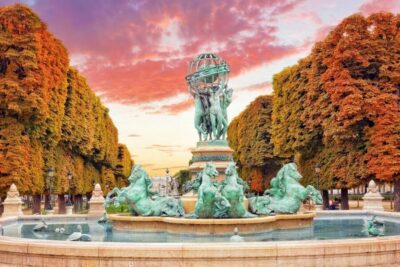
Luxembourg Gardens is next, a free stop and a favorite place for Parisians to unwind. Audio here works best when you listen while moving slowly, watching people and noticing how the space shapes daily life. It also gives you a mental pause before the museum heavy hitters.
Then you hit Musée d’Orsay, a free admission stop on the tour list. Since it is one of the great Impressionist hubs, you are likely to want time. The value of audio at Orsay is in steering you toward themes, not just individual paintings. If you love Impressionism, this is one of the best matches on the route.
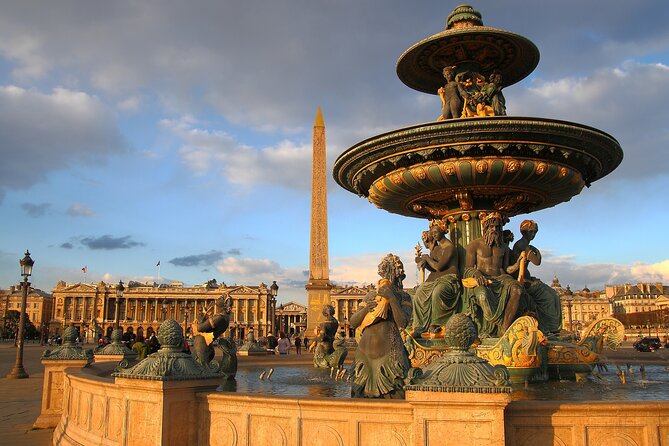
Next is Place de la Concorde, also free. It is Paris’s largest square and tied to key historical events. This stop benefits from audio because it is easy to see the buildings and move on, but harder to grasp why the square matters. Listening turns a big open space into a timeline.
After that, you visit Musée de l’Orangerie for Monet’s Water Lilies. It is a paid stop. This is one of those experiences where the room matters as much as the art. Audio helps you understand what makes the viewing experience special and how Monet’s approach evolved into something almost meditative.
You then walk through Jardin des Tuileries, a free stop. It is a formal French garden stretching from the Louvre area toward Place de la Concorde. Audio makes this stop more than just a nice stroll. You start seeing Parisian symmetry and axis lines as part of the city’s design logic.
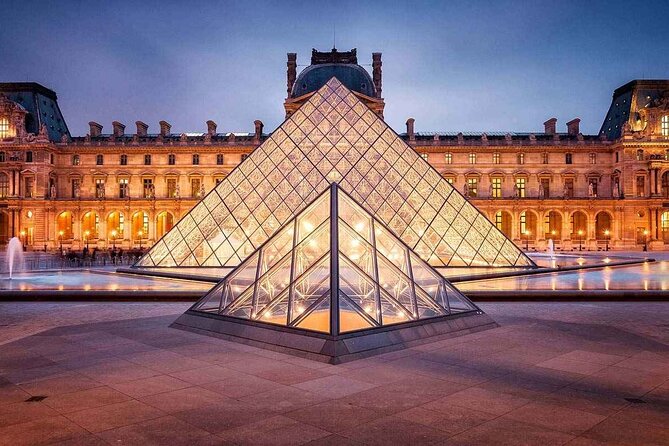
Finally comes Louvre Museum, a major paid stop. The audio tour frames it as the world’s largest art museum and points you toward key treasures like the Mona Lisa. I love doing the Louvre with audio because it helps you keep focus. Without guidance, the museum can turn into a maze where you eventually feel like you saw everything and nothing.
A reality check on timing
Even if each stop is listed as around 10 minutes, museums rarely play by that rule. If you are serious about the Louvre, Orangerie, or Eiffel, you will likely exceed a strict 5-hour pace. The tour’s flexibility is built for this, since you can split the route across days.
Sainte-Chapelle and Notre-Dame tower views: stained glass plus heights
Now the route turns toward Gothic beauty and big-feeling viewpoints.
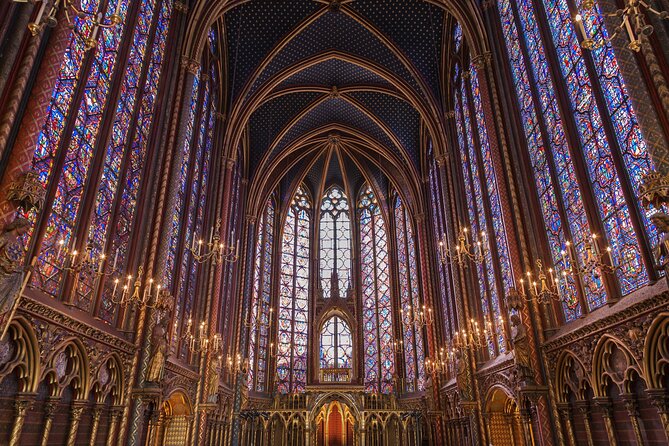
Sainte-Chapelle is a paid stop and one of the most visually rewarding in Paris. The focus is the exquisite stained glass windows. Audio is perfect here because the best moments in stained glass are the ones you understand. You can listen, look up, then connect the patterns to the story you are hearing.
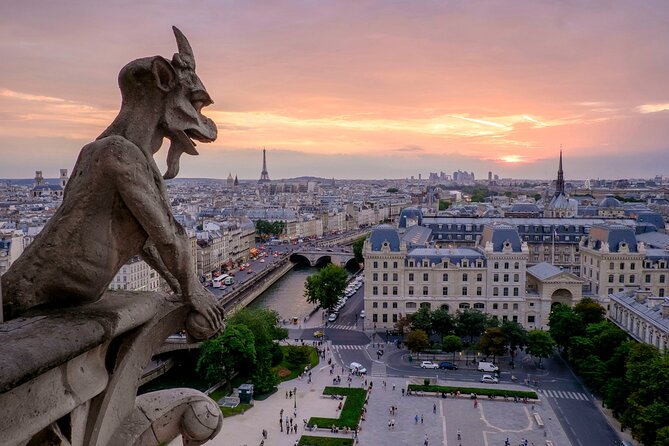
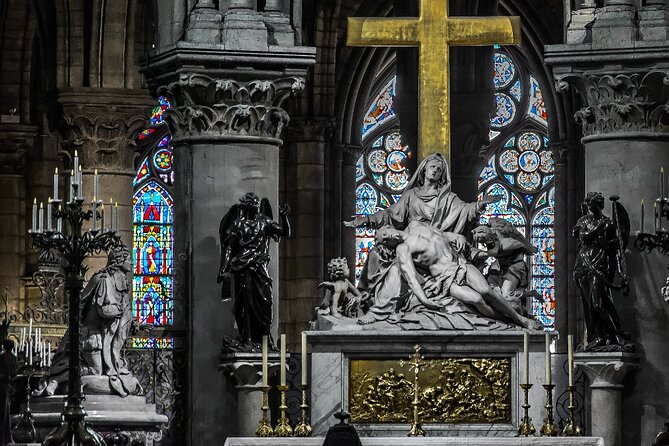
Next is the Towers of Notre-Dame Cathedral. This is listed as a free stop on the tour route, which is a nice bonus if you want a vertical perspective without another ticket cost. The key promise is gargoyle-eye views of Paris. Even if you already know Notre-Dame’s exterior, climbing for views changes how you read the city’s rooftops and river orientation.
Consideration
Tower visits can feel physically tiring, and crowds can affect how long you spend up there. If you are short on energy, you can still enjoy the audio and prioritize the cathedral views you care about most.
One last stop: France’s national library and modern Paris
The final attraction is Bibliothèque nationale de France (site François Mitterrand). This is a free stop and it is described as a modern architectural marvel. It is a great way to end the day because it contrasts with the route’s older landmarks and classic museum interiors.
Finishing here also helps you remember that Paris is not just postcard history. It is still being built, designed, and reimagined. The audio gives you a reason to look at the architecture, not just take a photo and leave.
Who should book this Paris self-guided audio tour?
This tour is a good fit if you want:
- A structured route through famous sites plus some quieter choices, without paying for a guide
- Control of your pace, since you can spend as much time as you like at each stop and visit in any order
- A phone-based learning layer, where listening shapes what you notice
It is likely not the best fit if:
- You hate using smartphones while walking
- You expect everything to work perfectly with zero internet
- You want a fully ticketed, turn-key attraction experience (many major entries are not included)
As for “how to do it well,” I’d treat it like a choose-your-own route. Use the map to stay oriented, then decide at each paid site whether you want to commit. A great day is not necessarily the one where you check every box. A great day is the one where you actually see and listen.
Should you book this Paris self-guided audio tour?
If you like independent travel and you are comfortable using your phone to navigate, I think this is a solid value at $9 per person. The strength is practical: the map points linked to audio make it easy to keep moving and keep learning. Plus, several stops are free, so you can build a satisfying route even if you skip some paid museums.
Just go in with one clear expectation: plan for headphones plus internet access, because the audio is delivered through a web link. If you do that, you will get what most people seem to love about this kind of setup, worry-free sightseeing with your own rhythm.
If you want, tell me what month you’re going and which 6 to 10 stops matter most to you, and I’ll help you shape an efficient route that avoids the tightest bottlenecks.
FAQ
How much does the Paris self-guided audio tour cost?
It costs $9.00 per person.
How long is the audio tour in total?
The duration is about 5 hours (approx.).
What do I get after booking?
You receive an email with two links: one for the audio guide and one for an interactive map. The audio covers 24 attractions.
Do I need to bring anything?
Yes. You need headphones/earphones and a smartphone with internet or Wi-Fi, since the audio is accessed via a web link.
Can I visit the stops in any order?
Yes. You can visit attractions in any order and spend as much time as you like at each stop.
Is admission included for all attractions?
No. Entry fees are not included where required.
Is this a private experience?
Yes. It is a private tour/activity, and only your group participates.
Are the access links refundable or changeable?
The experience is non-refundable and cannot be changed for any reason.
Newest write-ups from Paris





Audio Tours, compared.
Illuminations River Cruise with Audio Commentary
Read our review →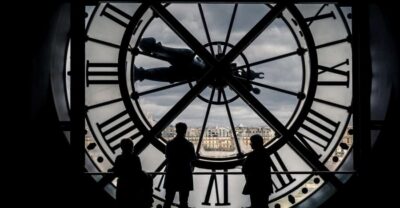
Orsay Museum Entry Ticket and Digital Audio Guide App
Read our review →
Giverny Day Trip with Audio Guide or Live Guide
Read our review →
Giverny and Monet’s House Half Day Trip from Paris Guide or Audio
Read our review →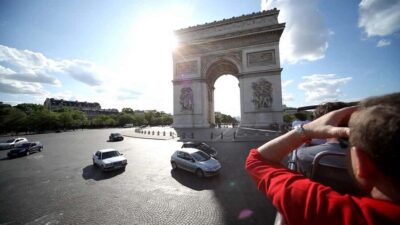
Openair Double Decker Bus Audio-Guided City Tour
Read our review →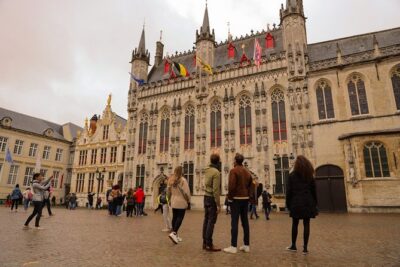
Bruges Guided or Audio Trip with Canal Cruise Option from Paris
Read our review →
Versailles Domain Audio Guided Half Day Tour from Paris
Read our review →
Giverny & Monet’s House Audio Guided Half-day Tour from Paris
Read our review →Browse the lists this tour appears in