
Reviewed · WINE TOURS
Paris: Wine Tasting Courses at Le M. Musée du Vin
Wine lessons in ancient quarries in Paris. At Le M. Musée du Vin, you get a hands-on tasting course inside the historic Passy quarries, plus time with a museum collection built around real winemaking traditions. It is not just wine talk, you also walk through spaces tied to how wine was stored long ago.
I like the exclusive access to the four vaulted rooms once used by the friars of the Passy convent to store wine in the 16th and 17th centuries. I also like how the experience blends education and atmosphere, from the museum’s 2,200+ wine objects to guided tastings of prestigious wines in the mansion-style reception rooms.
One thing to consider: the course is taught in French. If you do not feel comfortable with French wine vocabulary, you may want to brush up before you go, because the tasting is part lesson, not just sipping.
In This Review
- Key highlights worth planning around
- Passy Quarries: the Paris wine museum that changes the mood
- Friars’ cellars and reception rooms: two different kinds of “wine space”
- The museum education: what “trades and traditions” really means here
- Guided tastings of prestigious wines: how the lesson supports your palate
- Timing in 2 hours: fitting wine culture into a Paris day
- Language matters: plan for a French-taught course
- Who should book this Paris wine tasting course
- Price and value: is $88 for 2 hours worth it?
- How to get the most out of Le M. Musée du Vin
- Should you book this Paris wine tasting course?
- FAQ
- How long is the wine tasting course at Le M. Musée du Vin?
- What is included in the price?
- Where does the experience take place?
- What languages are available for the instructor?
- What rooms will I have access to?
- Can I cancel and get a refund?
- Is there a pay later option?
Key highlights worth planning around
- Passy quarries setting: a wine museum experience tied to the original underground storage spaces
- Friars’ vaulted rooms: four vaulted rooms linked to 16th and 17th century wine storage
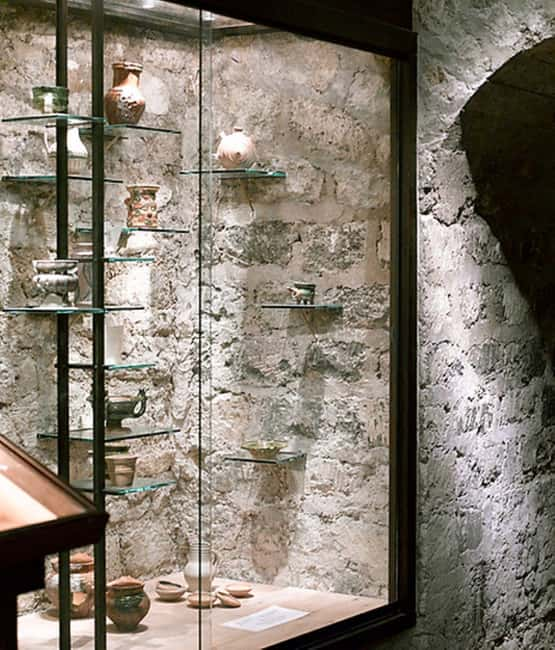
- Big museum collection: over 2,200 wine objects covering generations of savoir-faire
- Reception room tastings: guided tastings happen in elegant indoor reception rooms, not a random corner
- French-language instruction: the instructor speaks French, so comprehension matters
- 2-hour format: a focused course that fits into a day already packed with Paris sights
Other Paris galleries with a shorter queue:
- Paris: Orsay Museum Entry Ticket
★ 4.7 · 25,647 reviews - Louvre Museum Masterpieces Guided Tour with Access
★ 4.5 · 12,023 reviews - Paris: Louvre Museum Entry Ticket With Host and River Cruise
★ 4.6 · 9,926 reviews - Les Invalides: Napoleon’s Tomb & Army Museum Entry
★ 4.6 · 9,185 reviews
Passy Quarries: the Paris wine museum that changes the mood
Le M. Musée du Vin sits in the heart of Paris, but the key effect is that it feels like another world. The location matters, because you are not learning wine in a bland classroom. You are learning it in the historic Passy quarries, which were built for a practical purpose: storage.
This is exactly why I think the experience works for both beginners and people who think they already know wine. You get a visual sense of time and craft. And when a space is connected to winemaking storage, your tasting notes tend to make more sense. You start thinking about cool temperatures, preservation, and the reason wine culture developed rules and rituals in the first place.
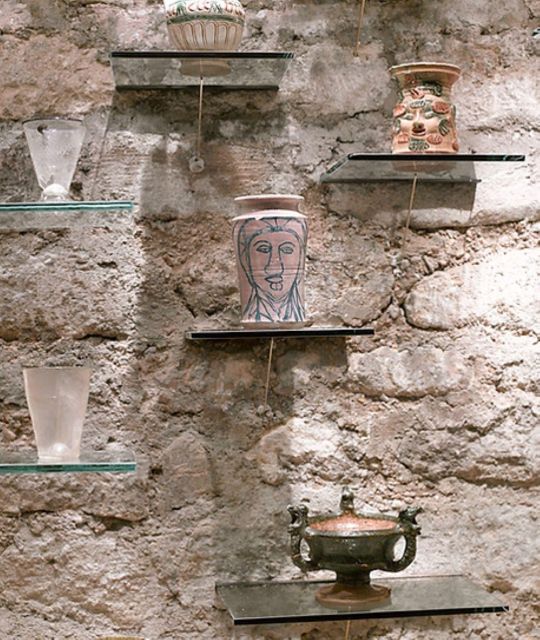
The museum’s permanent collection supports that idea. With over 2,200 wine objects, the focus is on traditions and the people behind the production. That turns wine into more than a drink. It becomes a craft with tools, methods, and heritage, which is what makes a short course feel satisfying instead of rushed.
Friars’ cellars and reception rooms: two different kinds of “wine space”
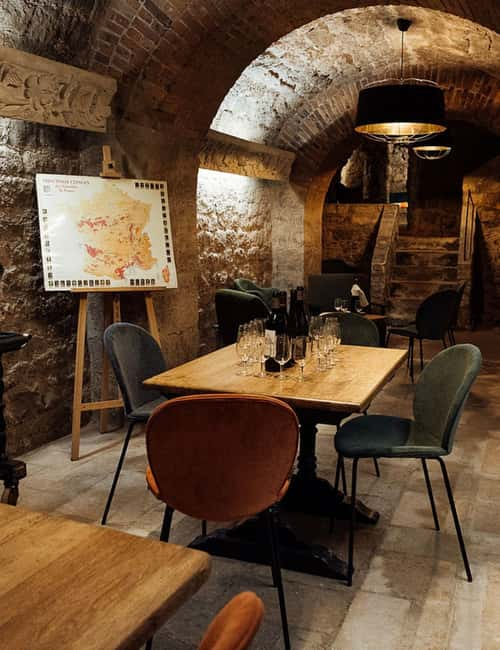
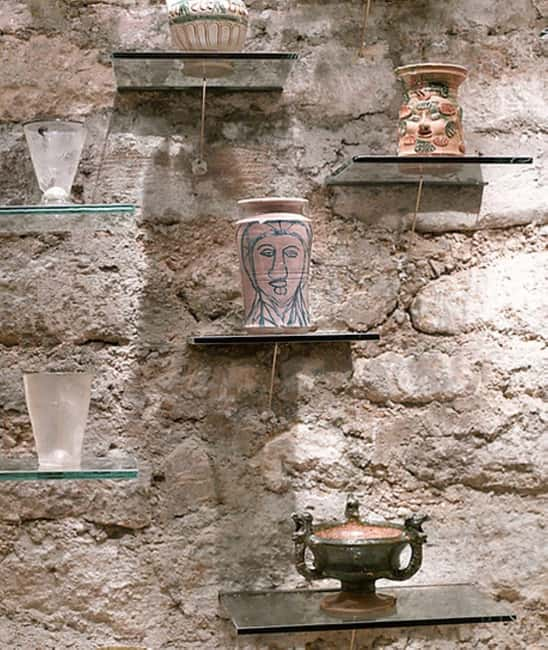
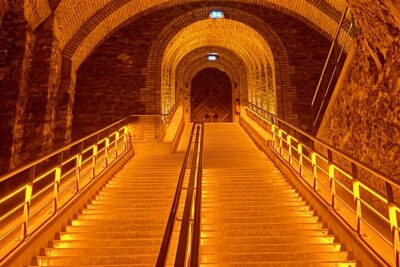
A standout part of the course is the access to spaces you likely would not see on your own. You visit four vaulted rooms that were used by friars from the Passy convent to store their wine in the 16th and 17th centuries. That is a long span of history, and the rooms help you understand why wine handling became a serious, almost procedural thing.
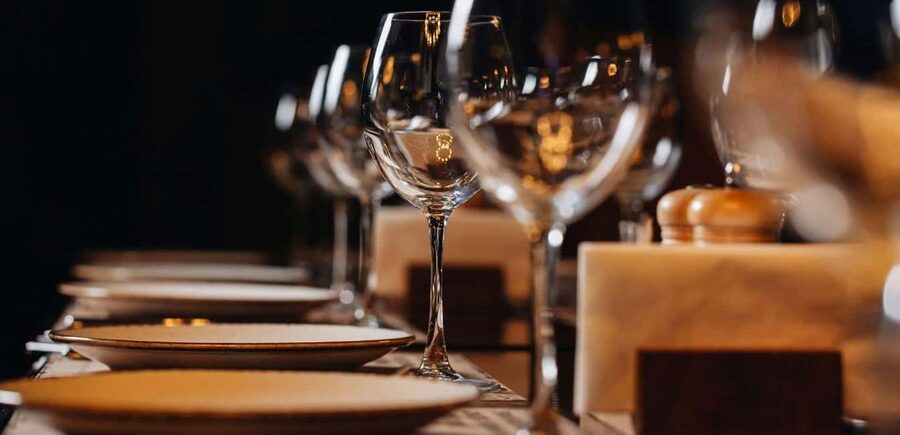
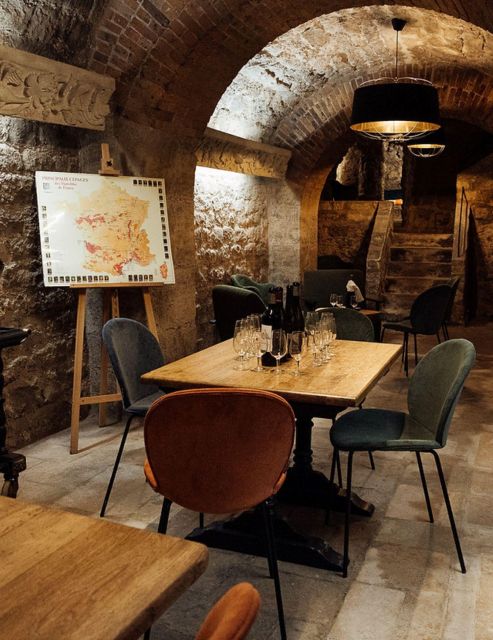
Then the vibe shifts. After the vaulted rooms, you move to the mansion-style reception rooms, with warm, contemporary decor that provides a comfortable setting for tastings and events. This change of environment is more than aesthetic. It helps you move from “historical storage mindset” to “present-day sensory tasting,” without the experience feeling jumbled.
In a perfect world, you would time your visit so you can pay attention in both modes. In the vaulted rooms, slow down and look around. Notice the stone setting and the idea of storage. In the reception rooms, switch gears and listen to the tasting guidance. Your brain catches up when the setting signals what kind of focus you need.
The museum education: what “trades and traditions” really means here
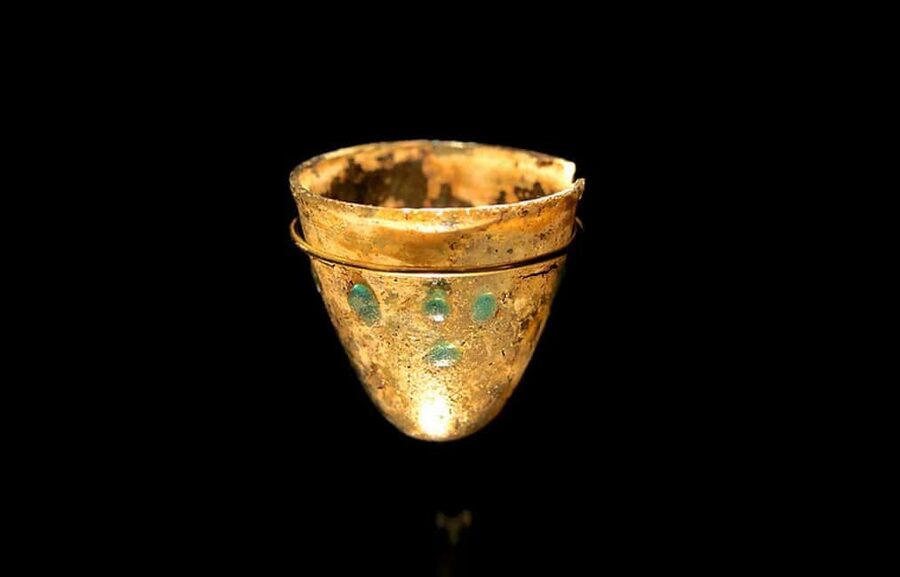
When a wine experience promises trades and traditions, you should expect more than a few generic facts. Here, the museum’s story is about the people and know-how tied to world-famous wines. The collection is set up to connect production culture with the objects and practices behind it.
You also learn through movement, not just standing and reading. You explore the museum’s permanent collection, and the course ties that walk to the tasting. That means the education is meant to give you a framework you can use while tasting, instead of information that disappears as soon as you leave the room.
If you are a beginner, this is where you pick up practical context. You do not need to memorize everything. You need the “why.” Why certain practices exist. Why wine storage matters. Why tasting is structured the way it is. If you are more experienced, the museum part still helps because it gives you a heritage lens on techniques you might otherwise treat as abstract rules.
Guided tastings of prestigious wines: how the lesson supports your palate
The main course component is a tasting course guided by an instructor. The experience includes tastings of a selection of wines described as prestigious. You should think of it as structured tasting with explanations, not a casual pour-and-go.
Because the course is designed for different levels, the pacing matters. A 2-hour duration is long enough to taste multiple wines and still keep the lesson coherent. It is also short enough that you are unlikely to get bored. Wine education can drag when it turns into a lecture. Here, the tasting element keeps you active, and the museum spaces keep the context grounded.
What you can take away is how to taste with purpose. You will likely be guided to pay attention to aroma, taste, and impression as part of understanding winemaking tradition. The key value is learning vocabulary and reasoning, so your tasting notes stop being random and start being useful.
One practical tip: wear neutral clothing and keep your senses ready. Strong perfumes and smoky environments can throw off your smell perception. Also, pace your sips so you can follow the instructor’s guidance from one wine to the next.
More French bottles opened near Paris:
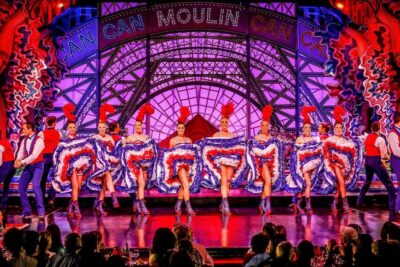
- Paris: Moulin Rouge Cabaret Show Ticket with Champagne★ 4.7 · 16,088 reviews
- Authentic Parisian Gourmet Food Tour with 10 Local Dishes & Wines★ 5.0 · 4,754 reviews
- Loire Valley Castles Day Trip from Paris with Complementary Wine★ 4.5 · 3,907 reviews
- Montmartre Hill French Gourmet Food and Wine Tasting Walking Tour★ 5.0 · 2,588 reviews
Timing in 2 hours: fitting wine culture into a Paris day
The course runs for 2 hours. In Paris, that matters. You can pair it with a morning museum plan, an afternoon stroll, or a pre-dinner activity without losing half your day.
Since starting times depend on availability, I recommend treating it like a timed appointment, not an open-ended museum wander. Arrive with enough time to relax, not rush in. When you rush, you rush your tasting too, and that is when the experience becomes less educational.
Also, keep your expectations aligned with the format. This is not a multi-day wine immersion program. It is a focused course that blends museum access with guided tastings. If your goal is a deep wine seminar, you might want additional classes later. If your goal is a smart, memorable Paris wine experience that teaches you something real, this format is a strong fit.
Language matters: plan for a French-taught course
Everything here points to instruction in French. That is the single biggest variable that affects how smooth the tasting lesson feels.
If you speak French well, great, you will follow the explanations and likely ask questions more naturally. If your French is basic, you can still enjoy the museum and the tasting, but you may need to rely on tone, repetition, and the structure of the tastings rather than understanding every detail.
My advice: come ready to learn tasting terms. If you can pick up a few key French words related to taste and aroma, you will feel more included. And if you are with someone who speaks French better than you do, ask them to translate the important parts later. You will get more out of your notes that way.
Who should book this Paris wine tasting course
I think this course is ideal if you want a compact, high-quality Paris activity that feels distinct from the usual sightseeing treadmill. It works especially well if you like history but do not want a stuffy lecture.
It also suits you if you fall into one of these categories:
- You want a guided introduction to tasting basics and wine culture
- You enjoy museum-style learning that is connected to a real experience
- You like atmosphere and setting, not just the drink
If you already have a deep wine background, you might still appreciate the museum context and structured tasting format. The setting in the Passy quarries is also a strong reason to go, even if you know the basics.
Price and value: is $88 for 2 hours worth it?
At $88 per person for a 2-hour course, the value depends on what you compare it to. If you were thinking about a generic wine tasting in a bar, this is pricier. If you compare it to a guided experience that includes access to historic spaces and a structured tasting, the price looks more reasonable.
Here is why it feels like value. You are paying for three things at once:
- Guided tasting instruction, with wines selected for the course
- Access to special rooms, including the vaulted storage rooms
- A museum visit anchored by 2,200+ objects, not a quick stop
So the question is not only price. The question is whether you want wine education tied to a place. If yes, this is the kind of ticket that turns into a story you remember, not just a drink you had.
How to get the most out of Le M. Musée du Vin
If you want this to feel satisfying, do two things.
First, show up curious about the process, not just the final product. The museum portion is about trades and traditions. When you view those spaces as part of winemaking culture, the tasting becomes easier to understand.
Second, treat your tasting notes like a tool, not homework. Write a few quick impressions while the guidance is fresh. Then later, when you see a wine at a shop or restaurant, you will remember what you learned about how to think, not just what you tasted.
Finally, plan your day so you are not rushing to the next thing. Wine tasting works best when your brain can slow down for a moment.
Should you book this Paris wine tasting course?
I would book it if you want a Paris wine experience that blends historic Passy quarries, access to real vaulted rooms, and a guided tasting in a comfortable reception-room setting. The 2-hour time window is practical, and the museum collection makes the education feel grounded.
I would hesitate if you need an all-English experience, because instruction is in French. And if you only care about sampling casually, you might feel the educational component is more structured than you prefer.
If you can handle French basics and you like the idea of wine culture tied to a specific historic place, this is a smart, memorable use of time in Paris.
FAQ
How long is the wine tasting course at Le M. Musée du Vin?
The course lasts 2 hours.
What is included in the price?
The tasting course is included.
Where does the experience take place?
It takes place in Paris at Le M. Musée du Vin, located in the Passy quarries in the heart of Paris.
What languages are available for the instructor?
The instructor speaks French.
What rooms will I have access to?
You get access to four vaulted rooms that were used by friars of the Passy convent to store wine in the 16th and 17th centuries, plus reception rooms used as a backdrop for tastings and events.
Can I cancel and get a refund?
Yes. You can cancel up to 24 hours in advance for a full refund.
Is there a pay later option?
Yes. You can reserve now and pay later, keeping your travel plans flexible.
Counters and Cellars Worth an Hour
- Paris: Seine Cruise & Crepe Tasting near the Eiffel Tower
★ 4.4 · 11,231 reviews - Normandy D-Day Small-Group Day Trip with Omaha Beach, Cemetery & Cider Tasting
★ 5.0 · 2,786 reviews - Paris: Illuminated Evening River Cruise & Waffle Tasting
★ 4.1 · 2,697 reviews - Devour Paris Ultimate Food Tour
★ 5.0 · 2,087 reviews
Newest write-ups from Paris
Wine Tours, compared.
Moulin Rouge Cabaret Show Ticket with Champagne
Read our review →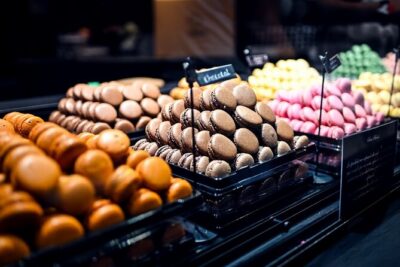
Authentic Parisian Gourmet Food Tour with 10 Local Dishes & Wines
Read our review →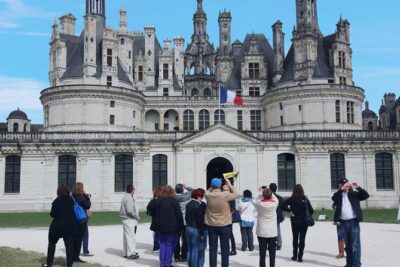
Loire Valley Castles Day Trip from Paris with Complementary Wine
Read our review →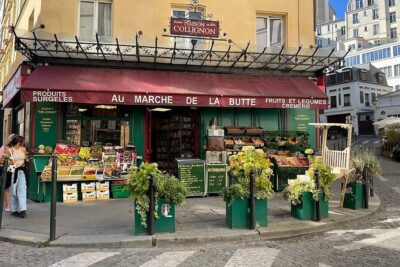
Montmartre Hill French Gourmet Food and Wine Tasting Walking Tour
Read our review →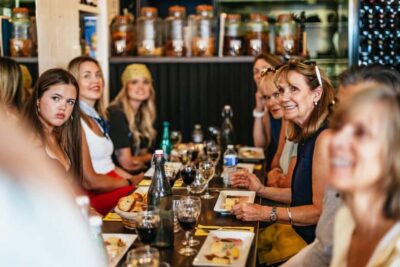
Montmartre Cheese, Wine & Pastry Guided Walking Tour
Read our review →
Paradis Latin Cabaret Show with Optional Champagne
Read our review →
Loire Valley Castles Day Trip With Wine Tasting
Read our review →
Paris 3-Courses Gourmet Dinner Seine River Cruise with Champagne
Read our review →Browse the lists this tour appears in