
Reviewed · WALKING TOURS
Private Bastille and Aligre market walking tour with the highline
A walk through Paris’ Rebel Bloc sounds niche, and that’s the point. This private Bastille and Aligre market tour pairs Revolution-era landmarks with hands-on food stops, then finishes on the Promenade Plantée walkway that inspired the NYC High Line. I especially like the way the route mixes big-city icons with small lanes, shops, and market rhythm. I also like that you get three tastings plus one drink included, so the food part feels built-in, not tacked on. One thing to consider is the pace: it’s about 3 hours of walking with a moderate fitness level.
If you want Paris you can actually picture yourself in, this tour helps you do it. You’ll start around Place de la Bastille and end near Gare de Lyon, with a route that threads historic viewpoints, artisan workshops, and a green raised path above old tracks. The small group size (limited to eight) makes it easier to ask questions and get tailoring without turning into a lecture.
In This Review
- Key things that make this tour worth your time
- Bastille, Aligre, and the High Line style walk you actually want
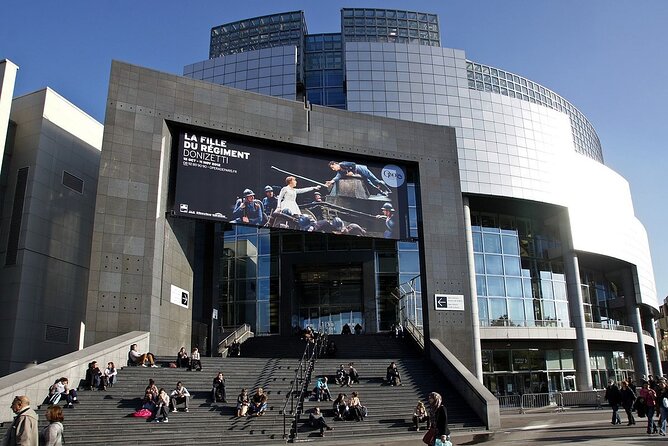
- Place de la Bastille: Revolution vibes and a chocolate detour
- Marché d’Aligre: food market energy, plus flea-market browsing
- Port de l’Arsenal and the Canal St-Martin angle
- Rue d’Aligre, Rue de la Roquette, and the shop-watching mindset
- Viaduc des Arts: artisan workspaces under big archways
- Promenade Plantée (Coulée Verte René-Dumont): the High Line connection
- Food tastings and one drink: why included bites change the tour
- Guides like Solene make the story stick
- Price and logistics: what $210.27 buys you
- Who should book this Bastille market and Promenade Plantée tour
- Should you book this tour?
- FAQ
- How long is the Bastille and Aligre market walking tour?
- Is the tour private, and how many people are in the group?
- Where does the tour start and where does it end?
- What language is the tour offered in?
- What food and drink are included?
- Is there a lot of walking, and is it okay for beginners?
- Can I cancel and get a full refund?
Key things that make this tour worth your time
- Bastille District context that’s practical, not just dates: you’ll connect the Revolution to streets, water, and trade.
- Marché d’Aligre is a full sensory stop, plus a flea-market feel if you like browsing.
- Viaduc des Arts gives you a rare look at artisan workshops in a structure many people only pass by.
- Promenade Plantée (Coulée Verte René-Dumont) turns an old train line into a walk you can actually enjoy.
- Small-group private experience with tastings and a drink included, so you don’t have to plan food on the fly.
Other arrondissements taken at walking pace:
- Paris Top Sights Half Day Walking Tour with a Fun Guide
★ 5.0 · 2,893 reviews - Montmartre Hidden Gems and Scenic Highlights Walking Tour
★ 5.0 · 2,684 reviews - Montmartre Hill French Gourmet Food and Wine Tasting Walking Tour
★ 5.0 · 2,588 reviews - Paris: Montmartre Highlights Walking Tour with a Local Guide
★ 4.9 · 2,318 reviews
Bastille, Aligre, and the High Line style walk you actually want
Paris’ 11th arrondissement can feel like a side quest, until you see it up close. This tour focuses on the Bastille area, then moves into the Aligre zone, where markets and crafts do most of the talking. You’ll also work in the Promenade Plantée, a tree-lined raised walkway that has inspired the design of New York City’s High Line.
Timing matters here. The tour runs about 3 hours and starts at 10:00 AM, with the day ending near Gare de Lyon. You should plan for steady walking and a few spots where you’ll want to pause for photos and street-level conversation, especially around the market and the viaduct area.
Place de la Bastille: Revolution vibes and a chocolate detour
You begin at Place de la Bastille, where the French Revolution story starts to feel real fast. This is the area tied to a peasant revolt against the king in the late 1700s, and your guide frames what happened in a way that makes the surrounding streets easier to read. Even if you’ve visited Paris before, starting here gives you a lens that keeps the rest of the walk from turning into random sightseeing.
From the square, you also hit a stop described as a chocolate workshop. The timing is short, around 30 minutes, and it’s marked as admission ticket free. For me, this kind of quick, edible side stop works because it breaks up the history with something you can taste and remember.
Practical note: this is the kind of stop where you’ll want to have comfy shoes first. You’re starting outdoors, and you’ll keep moving.
Marché d’Aligre: food market energy, plus flea-market browsing
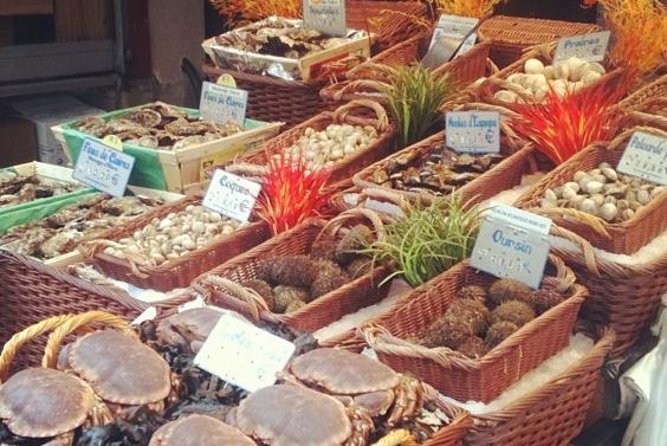
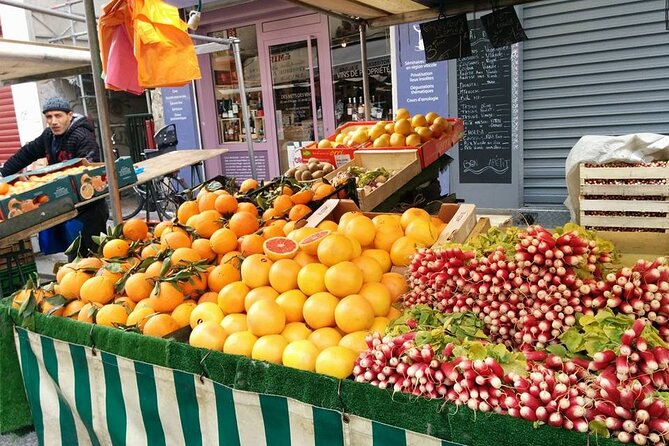
Next comes Marché d’Aligre, one of the most fun places to shop in this part of Paris. It’s not a museum market, it’s everyday market culture, with fruit and vegetables, wine, artisan bread, and strong, ripe cheeses all showing up on display. If you like understanding how Parisians snack and cook, this is where the tour earns its keep.
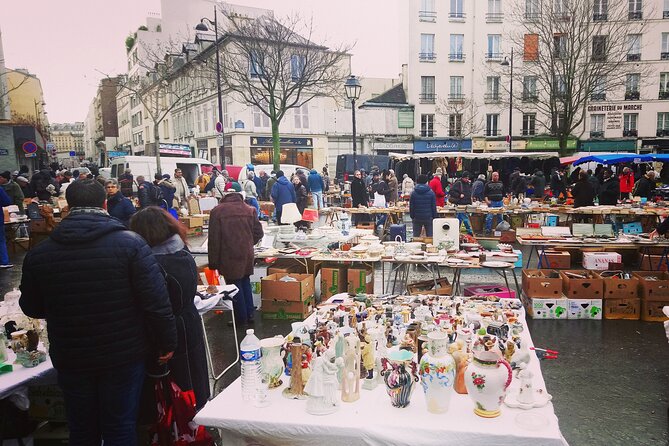
You’ll also have time for the market’s flea-market aspect, because the route blends “eat and buy” with “look and hunt.” One thing that stood out in the feedback from this experience: guides like Solene often go beyond the obvious food counter and point out details you’d miss on your own, including how quality and standards are communicated by what shops display.
What you should expect to eat: the tour includes three food tastings and one drink per person, and the market stop is the kind of setting where tastings can range from bread and cheese to sweet bites and coffee-style breaks. The exact picks can vary by day and shop, but the vibe stays consistent: you’re sampling things that fit the local stalls rather than generic tourist plates.
Port de l’Arsenal and the Canal St-Martin angle
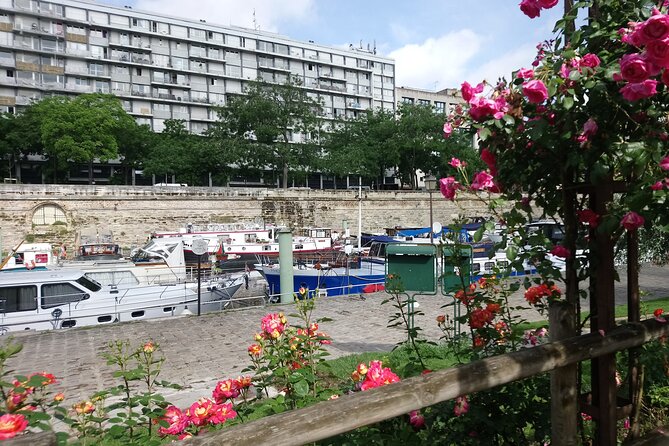
One of the more interesting parts of the route is the Port de l’Arsenal area, where the Canal St-Martin meets the Seine. This isn’t just a pretty water moment. Your guide connects this waterways angle to the Revolution, explaining how water and transport mattered when the city was in turmoil.
This is smart storytelling for a walking tour. History gets easier when you can point at the geography that made it possible. Standing near where waterways connect helps you understand why logistics and movement were part of the political story, not a footnote.
If you’re the kind of traveler who likes “why this place matters,” this section is for you. Even if you’re more of a foodie first, the canal-side context makes the rest of the route feel less random.
A handful more Paris options to weigh up
- Versailles Palace Bike Tour with Market & Marie-Antoinette hamlet★ 5.0 · 2,680 reviews
- Versailles Bike Tour with Market, Gardens & Guided Palace Tour★ 5.0 · 1,121 reviews
- Paris Cooking Class and Lunch with Wine plus Market Visit Option★ 5.0 · 1,024 reviews
- Paris Evening Cooking Class French Dinner and Market Visit Option★ 5.0 · 430 reviews
Rue d’Aligre, Rue de la Roquette, and the shop-watching mindset
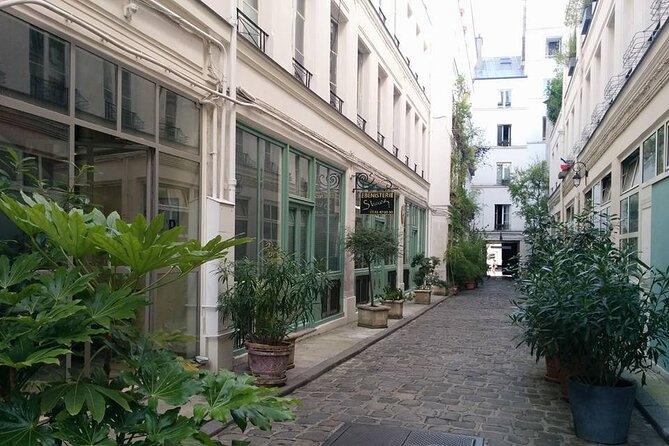
As you continue through the Rue d’Aligre and Rue de la Roquette corridors, the tour shifts into what I call the shop-watching phase. You’re looking at gourmet storefronts, galleries, and boutiques, but you’re also learning how the neighborhood’s personality shows up in everyday choices.
This is where a good guide changes everything. In the praised experiences tied to this tour, Solene is specifically noted for being flexible with interests. Some people in that feedback highlighted that she tailored stops when art was their main focus, including steering the group toward a flea-market lane and artisan workshop areas they likely would never find alone.
Even if you don’t care about art theory, shop windows and signage in Paris can be fun to decode with help. You’ll get a better sense of what makes a place feel local, because you’re not just walking by, you’re getting context for what you see.
Viaduc des Arts: artisan workspaces under big archways
Then you reach Viaduc des Arts, a modern recreation of an older viaduct. The big draw here is the architecture: long stretches of grand archways and a sense of structure you don’t get in most Paris neighborhoods at street level.
The tour also includes artisan workshops in this area, with a stop time of about 30 minutes. This part tends to appeal to travelers who like the “process” side of culture. You’re not only admiring objects, you’re seeing spaces where making and selling happen.
And yes, there’s a key moment where you climb up onto the top of the viaduct. That’s part of what leads you into the next highlight: the Promenade Plantée walk above the city.
If you have any knee issues, take it seriously. The day includes walking plus at least some climbing up to viewpoints. It’s labeled moderate fitness for a reason.
Promenade Plantée (Coulée Verte René-Dumont): the High Line connection
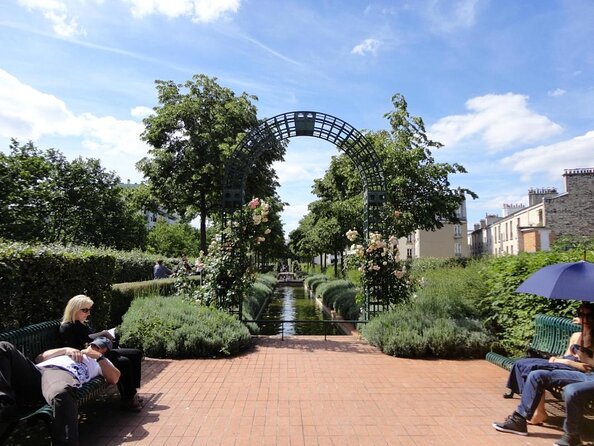
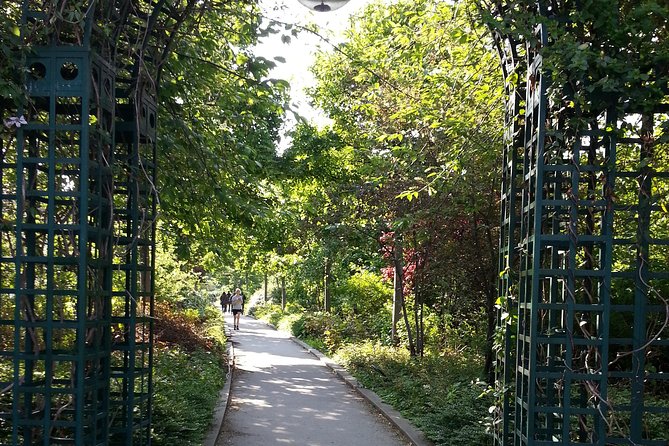
Now for the centerpiece walk. Promenade Plantée, also known as Coulée Verte René-Dumont, is a tree-lined raised walkway built along an old train line turned garden. You’ll walk it with views over the neighborhood, plus the feeling of a quieter corridor above the streets.
This is also where the “High Line inspiration” matters. The route is famous for being the reason New York copied the idea. Even if you’ve walked the High Line back home, you’ll get a different perspective here, because Paris’ urban texture underneath is older and more tightly packed.
The best way to enjoy this portion is to slow down a little. The walk is only part garden moment, part city observation deck. Bring your phone for photos, but also look at street details below you, like storefronts and small intersections that feel different from this height.
Food tastings and one drink: why included bites change the tour
The tour is built around three food tastings and one drink per person, which is a big deal for value in Paris. Food can get expensive fast if you’re constantly deciding where to stop. Here, the tastings are scheduled, so you’re not spending the whole walk budgeting in your head.
What you’ll likely taste is classic French market-style food: bread, cheese, sweets, and coffee-type beverages show up as possibilities, especially around the chocolate and market stops. You’ll also sample French fare at local eateries that line your path, so the day doesn’t feel like it’s only “market and go.”
One practical tip: eat lightly before you meet. Tastings sound small until you’re midway through and realize you’ve been guided through several shops. I’d rather you arrive with room for bites than spend the walk feeling too full to enjoy the variety.
Guides like Solene make the story stick
A walking tour lives or dies on the guide. This experience is frequently praised for guide warmth and for adding context that makes the area feel understandable, not just pretty.
One name that pops up in the feedback is Solene, described as generous with knowledge and personable with guests. People also noted her flexibility when interests shift, including pairing the route with art-friendly stops and taking people to flea-market corners that are unlikely to be on a standard checklist. Another detail mentioned: she explains how quality and standards are shown in shop windows, which is a very Paris skill and helps you “read” the market like an insider.
That kind of guide approach matters because it turns the tour into something you’ll remember when you go back out on your own. You learn what to look for next time, not just what to stand and photograph once.
Price and logistics: what $210.27 buys you
At $210.27 per person for about 3 hours, it’s not the cheapest way to spend a morning in Paris. But you are paying for a few things that add up quickly in the real world: a professional guide, the private-group format, and multiple scheduled food tastings plus a drink.
Small-group structure also changes the value equation. With a limit of eight and a private setup where only your group participates, you get more conversation time and fewer “walk faster” moments. You’re also getting guided navigation to places that are more likely to be overlooked unless you already know this part of town.
If you’re the type who likes to eat well and you want help choosing, this is usually a good fit. If you’re on a tight budget, you might decide to do the Promenade Plantée and Marché d’Aligre on your own. But if you want the story connections and tastings packaged together, the price can make sense.
Who should book this Bastille market and Promenade Plantée tour
This tour suits you if you want a Paris day that feels local without feeling chaotic. It’s especially good for first-timers who already understand a little history and want to place it in real streets. It also works well for repeat visitors who want a different angle on the city than the classic central stops.
You’ll probably enjoy it most if you like:
- food markets and small shop browsing
- walking with a clear route and time to stop and talk
- French Revolution context tied to real places
- the Promenade Plantée, especially if you love design and urban reuse
It may be less ideal if you dislike market environments or you want minimal walking. The tour includes climbing up onto the viaduct top to access the raised walkway, and the overall fitness level is listed as moderate.
Should you book this tour?
Yes, if you want your Paris morning to include market food tastings, meaningful context in the Bastille area, and a top-to-bottom walk that ends in the Promenade Plantée experience. The private small-group format and the included tastings help you spend your time well and avoid random food decisions.
If your top priority is only the best views, you can get some of this route on your own. But if you care about what you’re seeing and eating, this is the kind of guided route that makes Paris feel personal fast.
FAQ
How long is the Bastille and Aligre market walking tour?
It lasts about 3 hours.
Is the tour private, and how many people are in the group?
It is private, and it is limited to a small group of up to eight people.
Where does the tour start and where does it end?
It starts at central Paris in the 11th arrondissement and ends near Gare de Lyon (75012 Paris).
What language is the tour offered in?
The tour is offered in English.
What food and drink are included?
You get three food tastings and one drink per person.
Is there a lot of walking, and is it okay for beginners?
You should have a moderate physical fitness level. The route includes walking and you climb up to the top of the viaduct to reach the promenade.
Can I cancel and get a full refund?
Yes. You can cancel up to 24 hours before the experience starts for a full refund. If you cancel less than 24 hours before, the amount paid is not refunded.
More Markets in Paris
- Versailles Full-Day Electric Bike Tour : Market, Picnic & Palace
★ 5.0 · 239 reviews - Paris: Full-Day Cooking Class, Market Tour and Lunch
★ 4.9 · 113 reviews - Paris Antiques Market Insider’s Tour in Extra-Small Group
★ 4.5 · 109 reviews - Paris: Flea Market Insider’s Tour in Extra-Small Group
★ 4.6 · 73 reviews
Newest write-ups from Paris

Walking Tours, compared.
Paris Top Sights Half Day Walking Tour with a Fun Guide
Read our review →
Montmartre Hidden Gems and Scenic Highlights Walking Tour
Read our review →
Montmartre Hill French Gourmet Food and Wine Tasting Walking Tour
Read our review →
Montmartre Highlights Walking Tour with a Local Guide
Read our review →
Paris Île de la Cité and Notre-Dame Walking Tour With Crypt
Read our review →
Montmartre Cheese, Wine & Pastry Guided Walking Tour
Read our review →
Paris in a Day: Louvre or Orsay, Eiffel Tower, City Walk & Cruise
Read our review →
Paris City Center Free Walking Tour (Tip-Based)
Read our review →Browse the lists this tour appears in