
Reviewed · MUSEUMS
Rigoletto at the Jacquemart-André Museum
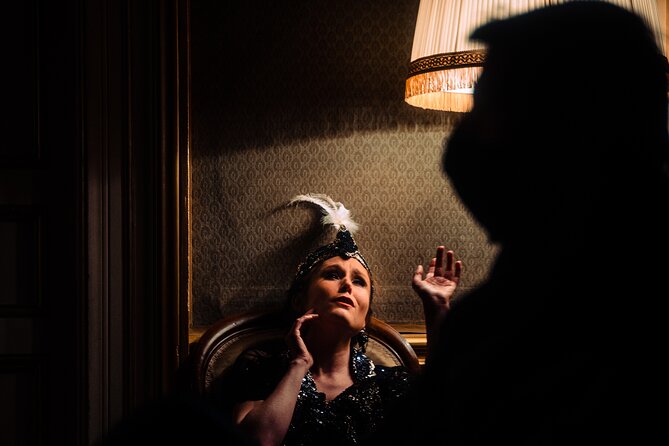
Opera in a Paris salon feels illegal. This Rigoletto performance happens inside the Musée Jacquemart-André, staged up close where the drama lands fast, with a live trio playing piano, violin, and cello.
I love the intimate staging, with the main story carried by five featured roles, so you can follow emotion without getting lost in a huge theater. I also like the built-in rhythm change, including a glass of champagne during intermission.
One thing to consider: the setup can be tight. In at least one room, there are practically no seats at the start, and sightlines can be easier if you get to the front, especially when the group is large.
In This Review
- Key takeaways before you go
- Paris at 8:30 pm: Rigoletto in Jacquemart-André salons
- How the show works: close-up opera with a live trio
- The museum before and after: first-floor permanent collection access
- Champagne intermission and the pacing breaks
- Roles and casting: why this Rigoletto version stays readable
- Price and what you get for $348.07
- Who this is for, and who should skip it
- Practical tips: seats, sightlines, and what to wear
- Should you book Rigoletto at Jacquemart-André?
- FAQ
- What time does the experience start?
- How long is the experience?
- Is the performance available in English?
- Do I get a mobile ticket?
- Is champagne included?
- Is museum admission included?
- What is the cancellation policy?
Key takeaways before you go
- Up-close chamber opera with only a few roles and a live piano, violin, and cello trio
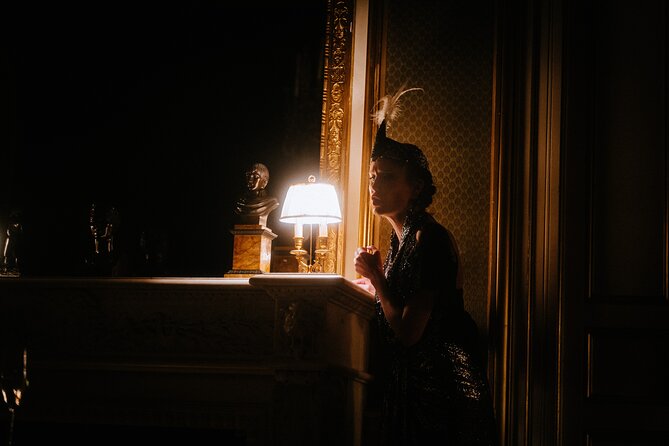
- Rigoletto told inside the museum salons, not on a traditional stage
- Champagne at intermission as part of the experience flow
- Private-style museum access to the prestigious permanent collection on the first floor
- Small-space sound that brings you close to the voices, for better or worse depending on seating
Other Paris galleries with a shorter queue:
- Paris: Orsay Museum Entry Ticket
★ 4.7 · 25,647 reviews - Louvre Museum Masterpieces Guided Tour with Access
★ 4.5 · 12,023 reviews - Paris: Louvre Museum Entry Ticket With Host and River Cruise
★ 4.6 · 9,926 reviews - Les Invalides: Napoleon’s Tomb & Army Museum Entry
★ 4.6 · 9,185 reviews
Paris at 8:30 pm: Rigoletto in Jacquemart-André salons
If you’re tired of opera that feels distant, this is the opposite direction. The show takes place at the Musée Jacquemart-André, in the museum’s first-floor salons, where the atmosphere is already romantic and elegant even before the first note.
The evening focuses on an adaptation of Rigoletto created by Musica at Palazzo Venice. You get a cast built around the core characters: Rigoletto (baritone), Gilda (soprano), Duca di Mantova (tenor), Sparafucile (bass), and Maddalena (mezzo-soprano). That matters because it keeps the story readable and the attention fixed on the people who drive the plot.
The staging idea, imagined by Patrizia di Paolo, leans toward an intimate, close-up approach. Costumes are by Venice’s Atelier Nicolao, which helps the looks match the mood of the piece. In short, you are not watching a faraway production. You’re watching a story unfold in a room that also happens to be packed with art.
How the show works: close-up opera with a live trio
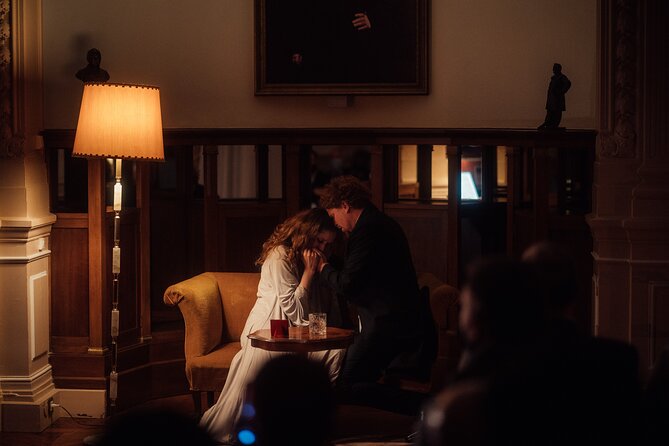
The performance follows the story as it unfolds through the museum’s rooms and salons. Instead of one long scene on a single stage, the design uses the museum layout. That keeps things moving and also gives you little moments where the drama feels personal, because there’s less distance between you and the singers.
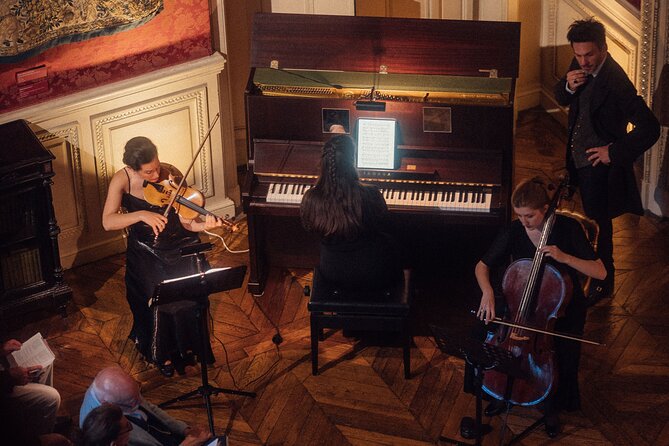
Music is handled by a trio: piano, violin, and cello. In a big opera house, you can hide behind the scale. Here, the smaller ensemble means every musical detail lands clearer. You’ll likely notice how the pacing and emotional turns come through without a thick wall of sound.
The best part of this format is that it can be forgiving for first-timers. The story is not buried under a complex cast or endless subplots. If you’re someone who usually thinks opera is too long or too hard to track, this version is built for clarity, with breaks that make it feel less like an endurance test.
Now, the tradeoff. When you’re physically close, you also rely more on where you end up standing or sitting. If you end up in an area with fewer chairs, you might spend part of the evening looking at shoulders instead of faces. If you’re the type who hates standing, plan to arrive ready to adjust.
The museum before and after: first-floor permanent collection access
This experience is not only an opera show. You also get admission included, plus a chance to experience the museum’s prestigious permanent collection in the salons on the first floor as part of the evening flow.
That combination changes the whole vibe. When opera is staged in a theater, you think of it as the main event, and everything else is a pre-show ritual. Here, the building is part of the performance world. Even before the music starts, you’re surrounded by the kind of museum settings that make you slow down naturally.
You’ll move through the first-floor spaces and see the salons, private living-room feel, and the art objects and master paintings that shape the museum’s identity. That gives you a real Paris cultural experience alongside the singing, without turning the evening into a lecture.
One more practical point: since the opera is staged across museum rooms, you’ll want to be comfortable shifting attention between the performers and your surroundings. If you love art but still want a strong narrative, this setup can hit the sweet spot.
Champagne intermission and the pacing breaks
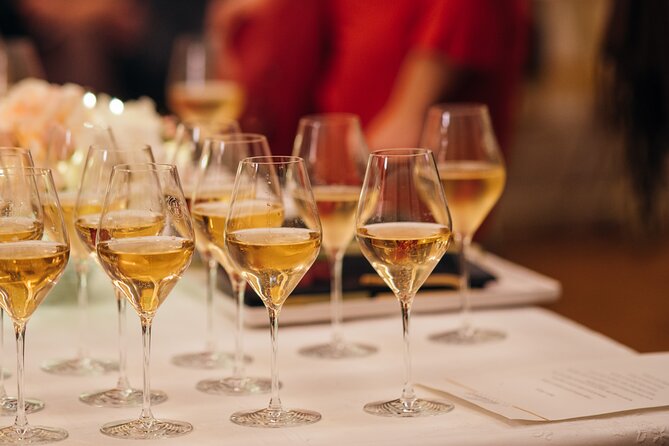
Intermission is not just a break to stretch. You’ll have a glass of Champagne at the pause, which fits the mood of the setting without turning the evening into a party.
The pacing is also designed to feel more relaxed than a grand theater production. The production uses an alternation of moments where you sit and moments where you stand and watch more directly in different parts of the museum. That rhythm helps you stay focused, because you’re not stuck in one exact posture for hours.
There’s a subtle benefit if you’re coming from a normal sightseeing day. A lot of Paris evenings feel like you either do one big thing or you do nothing. This gives you a focused event, but it includes short resets, so you’re less likely to feel worn out halfway through.
One caution based on the actual setup: lighting can matter. Some people have noted that the last act may have had a bit less light, which makes sense in a historic interior where the rooms can be dim to protect artworks. If you’re sensitive to visibility issues, aim for a spot where you have a clear view when the action shifts.
If this one is booked out, Paris has these too:
- Paris: 1-Hour Seine Cruise departing from the Eiffel Tower★ 4.4 · 77,472 reviews
- Disneyland® Paris 1-Day Ticket★ 4.6 · 49,412 reviews
- Paris: Versailles Palace and Gardens Full Access Ticket★ 4.6 · 41,579 reviews
- Paris: Arc de Triomphe Rooftop Tickets★ 4.6 · 34,264 reviews
Roles and casting: why this Rigoletto version stays readable
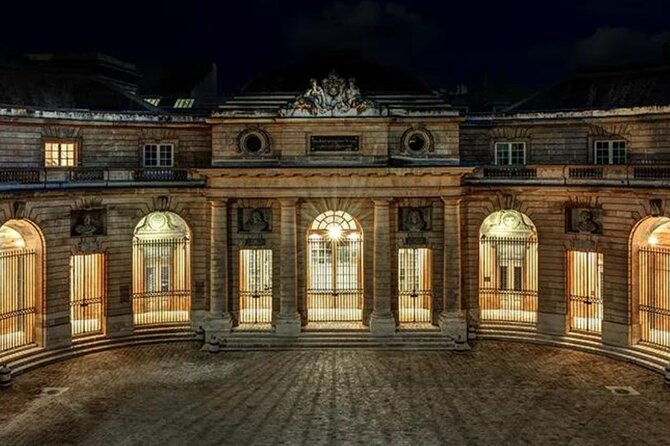
This adaptation keeps attention on the main emotional engine of the opera, built around those five featured roles. Rigoletto’s baritone voice carries the weight of the story’s bitterness and tenderness. Gilda’s soprano work anchors the filial love at the heart of the plot. The Duca di Mantova tenor role brings the charm and threat. Sparafucile’s bass adds the cold edge. Maddalena’s mezzo-soprano rounds out the darker side of the story.
Why you should care about this on your planning list: in opera, story comprehension changes the whole experience. If you can follow who is who, why they act, and how emotions turn, you’ll enjoy the evening more even if you don’t know every musical moment.
Also, the small-cast approach pairs well with the museum environment. There is less to keep track of, and the staging can stay intimate rather than big and decorative. The result is that the drama feels closer and easier to read.
Price and what you get for $348.07
At $348.07 per person for about three hours, this is not cheap. The question is not whether it costs a lot, it’s whether it feels like a fair bundle for what you receive.
Here’s what’s included from the available info: the performance ticket, admission to the museum, and that glass of champagne during intermission. You’re also getting a live trio of musicians, plus a staged production built specifically for these salons.
In value terms, you’re paying for three things that are hard to replicate on your own in the same evening: (1) the chamber-scale opera format, (2) the museum setting tied directly to the narrative flow, and (3) the evening service elements that keep it smooth.
If you’re used to lower-priced opera tickets, this might feel steep. But if you want something special, not just another night out, the cost can make sense because you’re not buying only music. You’re buying access to a museum experience at night plus a performance designed for those rooms.
A helpful way to decide: compare it to the price of a standard opera outing plus a separate museum visit. If you would already want to see the museum, this package can start to look more reasonable.
Who this is for, and who should skip it
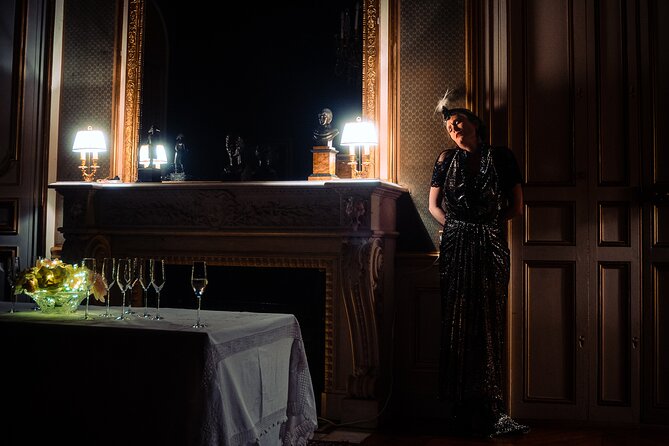
This experience is best for you if you like opera but don’t love the distance factor. It’s also a strong choice if you’re new to opera and want something more approachable. The stripped-down structure, fewer core characters, and built-in breaks can make the whole evening feel less intimidating.
It also fits well if you enjoy museums after hours. The setting turns a museum visit into a story-based evening instead of a self-guided crawl. You get both art and performance in one sweep.
You might want to think twice if you have trouble standing for long stretches. Some rooms have few or no seats at certain points, and the group size can be large enough that visibility depends on where you stand. If your mobility is limited, it’s worth planning for a spot where sitting is possible during key parts.
If you’re very sensitive to lighting changes, note that some people have found light levels less ideal for the final act. Again, the museum’s lighting priorities can shape what you see.
Finally, consider dress. One of the practical notes tied to the venue culture is that the organizers prefer respectful evening wear for a prestigious museum setting. You do not need to go overboard, but dressing too casually may put you out of sync with the room.
Practical tips: seats, sightlines, and what to wear
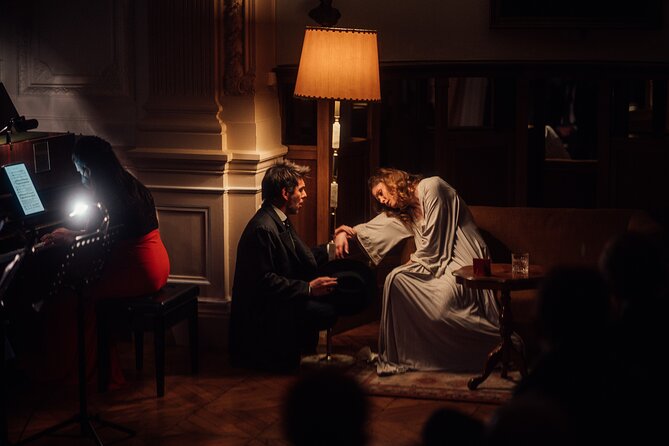
For a show like this, your location matters more than usual. The production plays in different rooms and positions, and you may switch between standing and sitting depending on the scene. If you care about seeing faces clearly, plan to aim for the front rows when possible.
If you need seating, keep an eye on which room you’re entering first and how many chairs are available there. The setup is not uniform across the space, so you might find one area more comfortable than another.
Because it’s at 8:30 pm and lasts about three hours, you’ll want to dress for a night in a museum rather than for a quick street-walk. Bring layers if you tend to get cold. Shoes also matter, because even when seats exist, you may still stand for certain moments.
On the logistics side, you’ll have a mobile ticket, and the experience is offered in English. It’s near public transportation, so you can avoid a stressful taxi hunt at night. If you’re traveling with anyone who gets anxious about navigation in a large building, give yourself a little extra time to find the meeting area smoothly.
Should you book Rigoletto at Jacquemart-André?
Book it if you want opera with a real human scale. The strongest reasons are the same ones you’ll feel immediately once you’re there: close proximity to the performers, a live trio that keeps the sound sharp, and the bonus of museum access that turns the evening into something more than a standard show.
Skip it if you know you hate standing, or if you’re highly dependent on bright lighting and guaranteed clear sightlines from every angle. This is a museum setting, so not everything is controlled like a modern theater.
My practical bottom line: if you’re going to invest in an opera evening in Paris, this is one of the smarter ways to do it when your goal is intimacy, story clarity, and a night spent inside a top Paris museum rather than just outside a theater door.
FAQ
What time does the experience start?
It starts at 8:30 pm.
How long is the experience?
It lasts about 3 hours.
Is the performance available in English?
Yes, it is offered in English.
Do I get a mobile ticket?
Yes, the tour includes a mobile ticket.
Is champagne included?
Yes, you get a glass of Champagne at intermission.
Is museum admission included?
Yes, an admission ticket is included, along with access to the museum’s permanent collection in the salons on the first floor.
What is the cancellation policy?
There is free cancellation. You can cancel up to 24 hours in advance for a full refund, and cancellations less than 24 hours before the start time are not refunded.
Newest write-ups from Paris


Museums, compared.
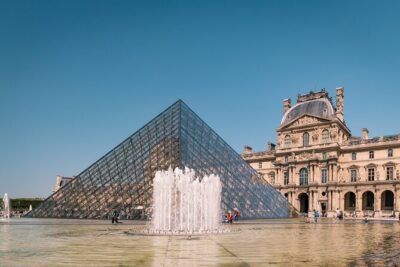
Louvre Museum Masterpieces Guided Tour with Access
Read our review →
Louvre Museum Entry Ticket With Host and River Cruise
Read our review →
Les Invalides: Napoleon’s Tomb & Army Museum Entry
Read our review →
Louvre Museum – Exclusive Guided Tour (Entry Included)
Read our review →
Louvre Museum Hosted Entry and Mona Lisa Audioguide
Read our review →
Louvre Museum Tour Mona Lisa & Iconic Masterpieces
Read our review →Browse the lists this tour appears in