
Reviewed · RODIN MUSEUM TICKETS
Rodin Museum Masterpieces – Guided Tour up to 8 guests
Rodin hits different with the right guide. In this small-group tour (up to 8), I love how you get straight, expert context fast, and then you focus on the big visual moments like The Gates of Hell and The Thinker. One consideration: there’s a moderate amount of walking, and this experience is not set up for wheelchair users.
The Rodin Museum is part sculpture workshop, part thinking room, and this tour helps you read what you see. You’ll also get a sense of Rodin’s wider world, including the human form studies and even the paintings he collected over his life, before you wind down with a walk in the Garden of Sculptures. If you prefer total freedom to wander at your own pace, you may find 2 hours a bit tight.
In This Review
- Key highlights to look forward to
- Why a Rodin Museum masterpiece tour feels efficient
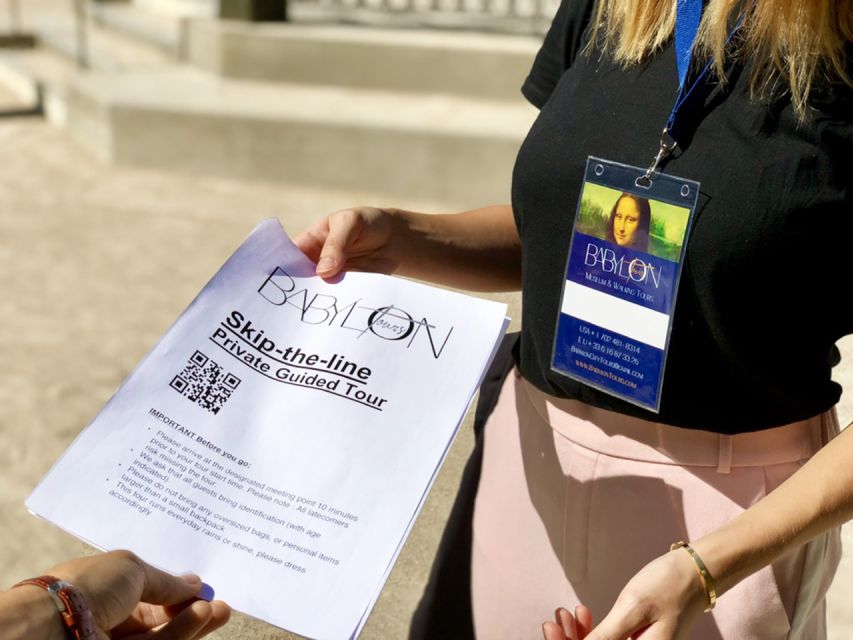
- Getting in smoothly with skip-the-line access
- Meet your guide and set the tone for what you’ll see
- Inside the museum: how Rodin’s life shows up in the work
- Rodin’s contemporaries and why Balzac matters
- The Gates of Hell: reading the scene without getting lost
- The Thinker: how one pose can carry a whole idea
- The pacing inside the museum: rules and quiet rooms
- Garden of Sculptures: where the tour changes from looking to walking
- Language options and how to make sure you understand every detail
- Price and value: is $156 worth it for 2 hours?
- Practical considerations before you go
- Who this tour suits best
- Should you book this Rodin Museum Masterpieces guided tour?
- FAQ
- How long is the Rodin Museum Masterpieces guided tour?
- How many guests are included in the group?
- What are the main things you will see during the tour?
- Is skip-the-line access included?
- What languages are available for the live guide?
- Are there restrictions on what you can bring?
- Is the tour suitable for wheelchair users or mobility impairments?
Key highlights to look forward to

- Skip-the-line entry, so your time goes into art, not waiting.
- Up to 8 guests per guide, which keeps the pace human and the explanations clear.
- The Gates of Hell and The Thinker, with details made understandable.
- Rodin’s studies of hands and the life-sized The Walking Man, which you might not notice on your own.
- More than 200 paintings alongside sculpture, tying together how he worked.
- Garden of Sculptures stroll, where the tour slows down and the museum breathes.
More time in the Rodin garden:
- Paris: Orsay Museum and Rodin Museum Combo Entry Ticket
★ 4.4 · 470 reviews - Paris: Rodin Museum Entry Ticket
★ 4.5 · 220 reviews - Paris: Rodin Museum Skip-the-line Entry Ticket with Audio
★ 4.0 · 102 reviews - Paris: Rodin Museum Ticket & Optional Digital AudioGuide App
★ 4.7 · 56 reviews
Why a Rodin Museum masterpiece tour feels efficient

Rodin is easy to admire and slightly harder to understand. A guided format matters here because the museum holds a lot of material, and the meaning is in the connections. In two hours, the guide helps you see patterns: how Rodin studied bodies, how he built scenes, and how he borrowed ideas from people around him.
I also like the group size. With a maximum of 8 guests per guide, you get enough attention to ask questions without the guide switching into lecture mode. You will still move through the museum, but it feels more like a conversation with an art historian than a headset tour.
Finally, the tour is priced at $156 per person, which is not cheap. The value comes from the full museum experience wrapped into a short guided window, including entrance fees and skip-the-line access. For many people, that is the difference between catching the museum in a hurry and actually learning what you are looking at.
Getting in smoothly with skip-the-line access
Rodin Museum entry can be a time sink if you arrive when lines are forming. This tour includes skip-the-line access, which is especially helpful because you only have about 2 hours. You want to spend that time inside, not outside.
Also, you do not need to think about how to navigate the museum logistics. The tour includes entrance fees and a professional art historian guide, and you get a structured route that balances indoor rooms and outdoor sculptures. That matters because Rodin’s work is scattered across themes, and a guide helps you avoid missing the key beats.
Quick practical note: you’ll need passport or an ID card. And the tour does not allow luggage or large bags, so plan for a daypack or small crossbody bag.
Meet your guide and set the tone for what you’ll see
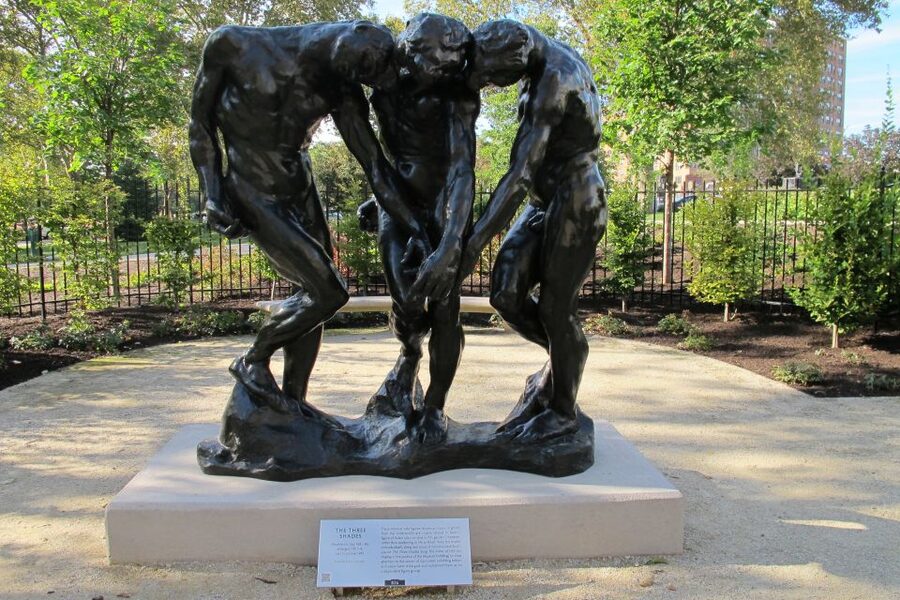
The biggest praise across recent bookings is the guides themselves. People specifically mention guides like Marcel, Valérie, Lucia, and Taylor, and the common theme is energy plus precision. One reviewer described the guidance as feeling like you could see Rodin over their shoulder, which is exactly what a good art historian does: makes the work feel close and personal.
I like that the tour team is flexible about what you want to see, within the tour flow. In at least a couple of accounts, guests were impressed that the guide adjusted to personal interests rather than just reading a script. That is a big deal when you care about details and not just broad facts.
You can also choose from multiple guide languages, including Italian, French, Russian, English, Spanish, and German. That helps if you want the explanation in your comfort zone rather than relying on your second language.
Inside the museum: how Rodin’s life shows up in the work
The tour begins inside the museum with a guide who walks you through Rodin’s life and art in a way that stays grounded in what you can see. This is where you learn that Rodin is not only famous for finished statues. His process shows up everywhere, especially in how he studied faces, bodies, and gestures.
One of the most memorable parts is the focus on the human form. You’ll encounter studies that highlight things like numerous hands, where small changes in position carry big changes in emotion and meaning. This is the kind of detail that is hard to spot alone, because your eyes often jump to the most famous finished piece.
You’ll also see how Rodin worked through scale and presence, including the life-sized The Walking Man. When you are standing near a life-sized figure, you start to feel the intention in the body, not just the surface. A guide helps you read posture and tension instead of treating it like a generic sculpture.
And yes, there are also more than 200 paintings included in the museum’s holdings highlighted on this route. That detail matters because it shows Rodin as a whole artist, not only a sculptor. Even if you do not love painting, seeing it alongside sculpture helps you understand how he thought visually.
Other Paris galleries with a shorter queue:
- Paris: Orsay Museum Entry Ticket★ 4.7 · 25,647 reviews
- Louvre Museum Masterpieces Guided Tour with Access★ 4.5 · 12,023 reviews
- Paris: Louvre Museum Entry Ticket With Host and River Cruise★ 4.6 · 9,926 reviews
- Les Invalides: Napoleon’s Tomb & Army Museum Entry★ 4.6 · 9,185 reviews
Rodin’s contemporaries and why Balzac matters
A great Rodin tour doesn’t stay locked inside his studio bubble. You’ll also hear about Rodin’s contemporaries and how he depicted them in clay. One name that comes up is the French writer Balzac, which gives you a human anchor for the story.
This part is valuable because it connects art to people and politics, not just technique. Rodin worked with the living social world around him, and his portraits and sculptures reflect that closeness. When you understand that context, faces and hands stop feeling generic and start feeling specific.
If you like cultural history, this is where you can expect the guide to connect themes, not just describe objects. Recent guests mention learning about wider social issues and history, and that kind of linking is often what makes the tour stick in your head.
The Gates of Hell: reading the scene without getting lost
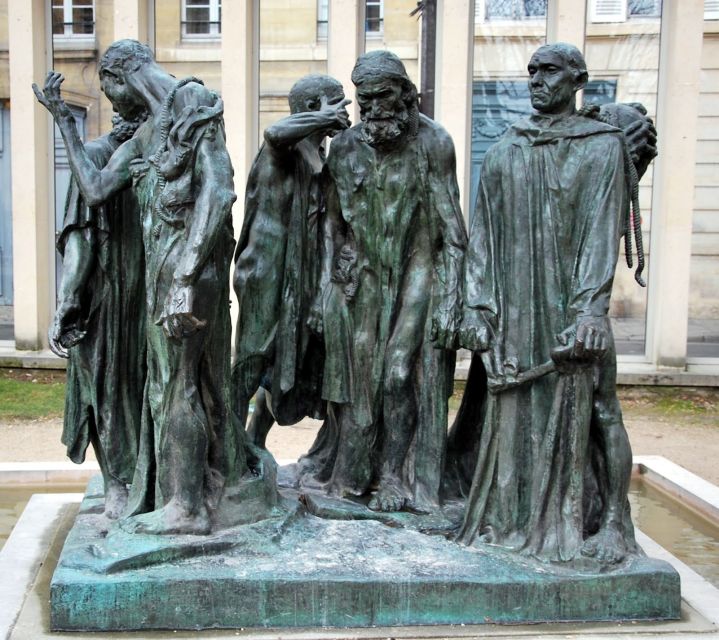
Rodin’s The Gates of Hell is the kind of work that can overwhelm you at first glance. It is huge, detailed, and full of figures in motion. On your own, you may end up scanning for the most famous characters and missing how the whole composition works.
With an art historian guide, you get a breakdown of the masterpiece and the recognizable elements within it, including how it relates to Rodin’s broader approach to the human body. The goal is not to turn it into a memorization exercise. It’s to give you a way to look: where to focus, what to notice, and how to connect the figures as a story.
This is also where the tour becomes worth the price for many people. The museum itself is the museum, but a guide gives you the meaning and the map. If you already love art theory, you’ll still get value. If you do not, you will get explanations that keep things clear and visual.
The Thinker: how one pose can carry a whole idea
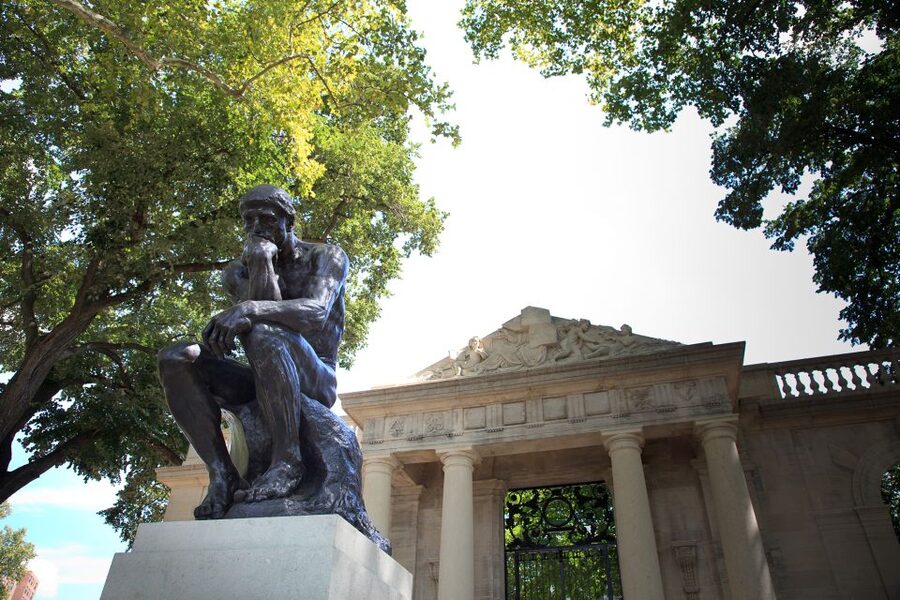
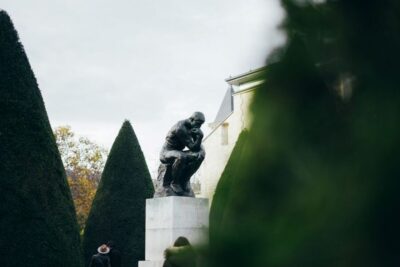
After you spend time with the gates, you move to Rodin’s most recognizable work, The Thinker. The reason it works is simple, and still surprising: a single pose can feel like a person, a symbol, and a question all at once.
A guided moment here helps you notice the subtleties, like how body tension and the angle of the head guide your interpretation. You stop treating it like a statue that simply shows thinking and start seeing how Rodin built the image of thought from physical detail.
This is also a good checkpoint for your attention span. If you have been moving through rooms quickly, the Thinker gives you a chance to slow down and actually study one figure. Guides often use it to tie together the earlier themes about hands, posture, and expression.
The pacing inside the museum: rules and quiet rooms
A practical reality: some rooms inside the museum have rules about quiet or limited speaking. Your guide will respect that, and you may find yourself in brief stretches where conversation is more muted.
That is not a problem if you treat it like part of the experience. Quiet access can help you actually look. You will hear explanations in the right moments, but the museum remains a museum, not a lecture hall.
Also, the set of rooms you hit can vary by year, so do not assume the tour hits identical displays every season. The core masterpieces are still the core, but the surrounding rooms might shift based on museum management.
Garden of Sculptures: where the tour changes from looking to walking
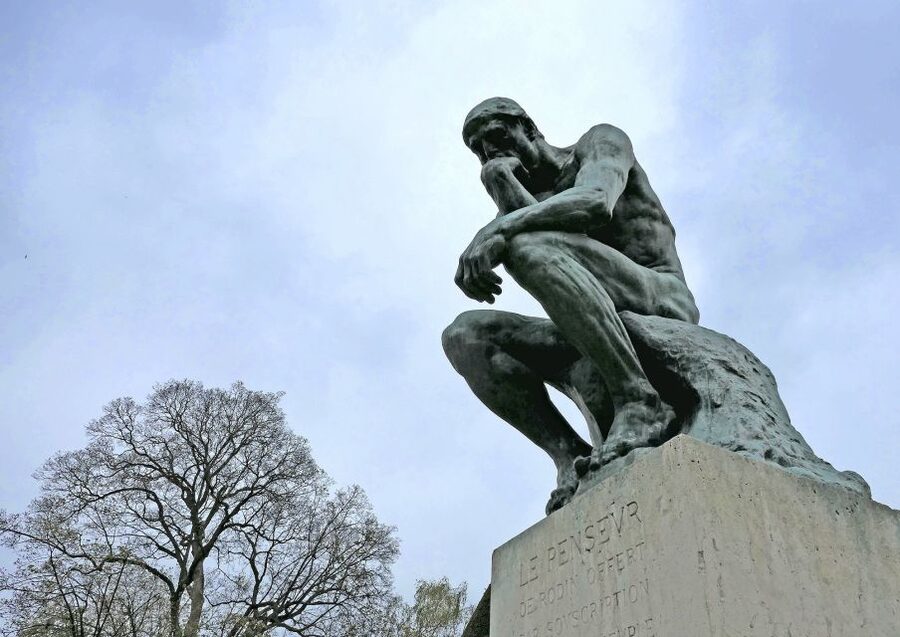
Once you finish inside, you step into the Garden of Sculptures for a stroll. This is not filler time. Rodin’s outdoor sculptures feel different because natural light changes everything. Shadows move. Surfaces pick up tone. And you get a break from the indoor museum rhythm.
The guide often uses the garden to reinforce ideas you just learned. You might notice poses and details that echoed inside, but now you can see them in relation to space. Rodin designed sculpture to live in an environment, and this is where that becomes obvious.
If you like taking photos, the garden is usually the most forgiving area for pictures. Just remember: you are on a guided schedule, so stay close and keep moving at the pace set by the group.
Language options and how to make sure you understand every detail
One underrated perk is the language range. You can get the tour in Italian, French, Russian, English, Spanish, or German, depending on availability. That means you are less likely to miss the important connective tissue, like why Rodin’s studies of hands matter or how the gates composition works.
If your French or Italian is basic, this is still a strong choice. The entire point of an expert art historian guide is that the explanations stay clear. Choosing your language keeps you in the learning zone, not in the translation zone.
Price and value: is $156 worth it for 2 hours?
Let’s talk money honestly. $156 per person for a 2-hour guided museum experience is a premium price, but it is not random.
Here’s what you are paying for:
- Skip-the-line entrance so you protect your limited time.
- A professional art historian guide guiding you through dense material.
- A small group that supports questions and tailored attention.
- Indoor and outdoor viewing, including The Gates of Hell, The Thinker, and the Garden of Sculptures.
If you are the type who wanders a museum and then realizes you only remember the most famous objects, this tour is a stronger way to get meaning fast. If you love self-guided museum time and you are good at independent looking, you might not need the guide for the basics. Still, Rodin’s “why” is often what people come away wishing they had understood.
In other words, the value is highest if you want context, structure, and a guided reading of the masterpieces.
Practical considerations before you go
There are a few things to know so the tour stays smooth.
First, there is moderate walking. This is a walking tour inside and around museum areas, and it is not suitable for people with mobility impairments. The tour is also listed as not available for wheelchair users, though wheelchair options may exist only on request. If accessibility is your concern, confirm details before booking.
Second, you cannot bring large bags or luggage. If you are coming from another stop in the city, plan to travel light.
Third, there can be occasional closures without prior notice from the museum. If the museum opening is delayed by more than an hour from your tour start time, guests receive an appropriate alternative, but refunds or discounts are not provided in those situations.
Finally, you’ll be asked for full names and contact details so the provider can reach you during the trip. That is normal, but it does help to have your information ready.
Who this tour suits best
I think this tour fits best if you want to see the Rodin classics and understand what you are looking at. It also suits you if you like small group energy and you value a guide who can explain the human form in a clear, story-based way.
It is especially strong for:
- Art lovers who want The Gates of Hell explained without jargon overload.
- People who enjoy symbolism, posture, and detail, especially hands and gesture.
- Visitors who want a timed plan that still leaves room for a garden break.
If you need a fully seated, slow pace, or you rely on wheelchair access, this one is probably not your best match based on the stated suitability information. In that case, look for a different format that is explicitly set up for your needs.
Should you book this Rodin Museum Masterpieces guided tour?
My take: book it if you care about meaning, not only images. The combination of skip-the-line access, a small group of up to 8, and guidance focused on Rodin’s most famous works is a practical way to get real understanding in 2 hours. The standout theme from recent guests is that the guides make Rodin feel immediate, from Marcel’s big-picture clarity to Valérie’s passion, Lucia’s thoughtful connections, and Taylor’s artful humor.
I would skip it if you want a long, quiet, self-paced museum day. This tour is efficient by design, and it will move you through key rooms and then into the garden, not across every corner at your own speed.
If Rodin is on your list and you want to leave with more than memories of statues, this is one of the more worthwhile ways to do it.
FAQ
How long is the Rodin Museum Masterpieces guided tour?
The tour lasts 2 hours.
How many guests are included in the group?
The tour is offered as a private or small group experience, with a maximum of 8 guests per guide.
What are the main things you will see during the tour?
You will see highlights including Rodin’s The Gates of Hell and The Thinker, and you will also stroll through the Garden of Sculptures. The route also covers Rodin’s life and art, including human-form studies such as hands and The Walking Man, and it highlights selections of paintings.
Is skip-the-line access included?
Yes. Entrance fees and skip-the-line access to the museums are included.
What languages are available for the live guide?
Live tour guides are available in Italian, French, Russian, English, Spanish, and German.
Are there restrictions on what you can bring?
Yes. Luggage or large bags are not allowed. You should bring a passport or ID card.
Is the tour suitable for wheelchair users or mobility impairments?
The tour information states it is not suitable for mobility impairments and wheelchair users. It notes wheelchair tours are available only on request, so you should confirm availability and suitability with the provider before booking.
Newest write-ups from Paris






Rodin Museum Tickets, compared.
Orsay Museum and Rodin Museum Combo Entry Ticket
Read our review →

Rodin Museum Skip-the-line Entry Ticket with Audio
Read our review →
Rodin Museum Ticket & Optional Digital AudioGuide App
Read our review →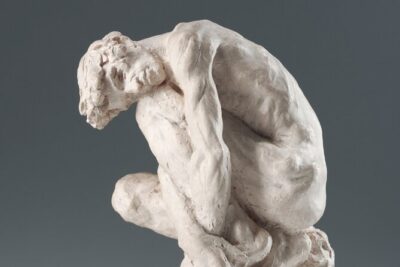

Skip-the-line Rodin Museum – Exclusive Guided Tour
Read our review →
Paris Orsay Museum and Rodin Museum Daily Combo Ticket
Read our review →Browse the lists this tour appears in