
Reviewed · MONTMARTRE HILL TOURS
The Secrets of Montmartre Walking Tour
Montmartre rewards your legs and your curiosity. This 2-hour walk turns famous names into real street corners, starting at Moulin Rouge and ending near Sacré-Cœur. I really like the guide storytelling that links artists and legends to what you can actually see, and I love the slow-scenic photo stops that keep the route from feeling rushed. The main drawback is the steady uphill grind on cobblestones, so plan for comfy shoes and pacing.
You also get a very Montmartre mix: the can-can spark at Pigalle, the artist-square energy, and then the calm, white-domed crown of Sacré-Cœur. One smart detail, there are no museum entries here, so you stay outside and keep moving through neighborhoods where creativity is part of the street life, not just the exhibit.
For the price, about $33 per person for a guided 2-hour orientation, it’s solid value. You’re paying for a local guide to translate what you’re seeing into context, without spending half a day waiting in lines or buying separate tickets for indoor attractions.
In This Review
- Key highlights you will feel on this walk
- Why Montmartre’s street corners matter so much
- Meeting at Blanche metro and finding the guide fast
- Moulin Rouge warm-up: a cheeky photo stop before the climb
- Place du Tertre and Lapin Agile: the artist square moment
- Sacré-Cœur and the uphill payoff
- Dalida, Café des Deux Moulins, and the last windmill standing
- La Maison Rose, Pigalle, and the side streets that feel lived-in
- Picasso’s former studio and the art economy on the street
- Renoir’s Montmartre paintings and why you should look up
- The guide makes or breaks the experience, and this one tends to deliver
- Walking comfort, timing, and what to wear
- Price and value: what $33 buys you in Paris time
- Should you book the Secrets of Montmartre Walking Tour?
- FAQ
- Where does the tour start and how do I find the guide?
- What are the main sights you will see?
- How long is the tour?
- Is the tour inside museums or ticketed attractions?
- Is the tour offered in English?
- Is it difficult walking-wise?
- Can children attend for free?
Key highlights you will feel on this walk
- Start at Moulin Rouge, then climb through the working artist streets
- Meet the big Montmartre markers without museum time
- Spot Café des Deux Moulins and the last windmill left standing
- Get artist connections to Van Gogh, Toulouse-Lautrec, Monet, Picasso, and Dalí
- Learn the street-level legends, including Saint Denis
- Arrive ready to smile, guides often bring lively performance energy
Other climbs up the Butte:
- Montmartre Hidden Gems and Scenic Highlights Walking Tour
★ 5.0 · 2,684 reviews - Montmartre Hill French Gourmet Food and Wine Tasting Walking Tour
★ 5.0 · 2,588 reviews - Paris: Montmartre Highlights Walking Tour with a Local Guide
★ 4.9 · 2,318 reviews - Paris: Montmartre Cheese, Wine & Pastry Guided Walking Tour
★ 4.8 · 2,255 reviews
Why Montmartre’s street corners matter so much
Montmartre is one of those Paris neighborhoods where the vibe and the history are braided together. You are not just looking at famous buildings, you are walking through the same hills that pulled in artists, writers, and performers. The result is a route that feels like a living slideshow, except you are outside, in the weather, with real views and real streets.
This tour’s big advantage is that it keeps the focus on what you can see right now. Instead of spending your time in museums, you get a guided path through landmarks like Sacré-Cœur, Van Gogh’s House, the Moulin Rouge area, and Picasso’s former studio. When the guide explains why certain corners mattered, those places click into place in your mind.
If you want a quick but meaningful way to understand Montmartre, this format works. It’s also great if you have limited time in Paris, because you can learn the neighborhood and still choose what you want to revisit later.
Meeting at Blanche metro and finding the guide fast
Your tour starts at 5 Pl. Blanche, with the official meeting point at Blanche metro station. Look for a guide wearing a red t-shirt and holding a red umbrella outside Starbucks across from the Moulin Rouge.
This is a helpful meeting setup because it’s easy to orient yourself. Once you spot the red umbrella, you know you’re in the right place, and the tour can start without a long group shuffle.
Tip: if you are arriving by metro, give yourself a little buffer. Montmartre area streets can feel crowded near the landmarks, and you want to be at the meeting point calmly, not sprinting uphill before the walk even begins.
Moulin Rouge warm-up: a cheeky photo stop before the climb
You begin with a photo stop at Moulin Rouge, around fifteen minutes. Even if you have seen it from photos, there is something different about standing in front of it, hearing the street noise, and realizing how close this is to the creative nightlife of Pigalle.
This first stop matters because it sets tone. Montmartre is not a quiet, postcard-only district. It has always mixed spectacle with artistry, and Moulin Rouge is the loud punctuation mark at the start of that story.
One practical consideration: because this is a photo stop near a famous landmark, you may feel a bit of crowd energy. Plan to move efficiently, get your pictures quickly, and keep your eyes on what the guide is telling you about where you are going next.
Place du Tertre and Lapin Agile: the artist square moment
Next you head to Place du Tertre, a classic artists’ square. This is one of the best places to see how Montmartre sells its creative identity, and also how the neighborhood has stayed tied to drawing, painting, and performance over time.
From there you get a photo stop at Lapin Agile, another Montmartre name that feels like it belongs to the legends people tell about this hill. The point isn’t just the location, it’s the way the guide connects it to the culture of the district, so you understand what makes these spots iconic.
If you like people-watching, this is a great stretch. If you do not, just keep walking and let the guide’s narrative keep the pace from turning into pure sightseeing.
Other arrondissements taken at walking pace:
- Paris Top Sights Half Day Walking Tour with a Fun Guide★ 5.0 · 2,893 reviews
- Paris Île de la Cité and Notre-Dame Walking Tour With Crypt★ 5.0 · 2,272 reviews
- Paris in a Day: Louvre or Orsay, Eiffel Tower, City Walk & Cruise★ 5.0 · 1,956 reviews
- Paris City Center Free Walking Tour (Tip-Based)★ 5.0 · 1,340 reviews
Sacré-Cœur and the uphill payoff
The tour climbs toward Sacré-Cœur, with a photo stop that lets you take in the famous white dome and the view from Montmartre’s high point. This is where the walking effort starts to pay off. You can feel why artists and performers were drawn to this elevated stage.
Along the climb, you also pass sights tied to pop culture and artistic life, including statues of pop stars and artist studio areas. The tour’s structure makes this more than a simple staircase hike, because the guide weaves the sights into a storyline about why Montmartre has repeatedly been a magnet for creators.
Practical note: one review described the walk as a step climb of about two miles uphill. Whether or not you match that exact pace, you should plan for hills, uneven surfaces, and a bit of breath work on the way up. Good shoes are not optional here.
Dalida, Café des Deux Moulins, and the last windmill standing
As you continue, you stop at a buste de Dalida, then move toward the Vigne du Clos Montmartre area. Even without entering anything formal, the vine setting helps you feel how Montmartre is not only about nightlife and art studios, it also has older agricultural roots.
Then comes Café des Deux Moulins, the spot tied to Amélie. Seeing it in real life makes the movie link feel less like trivia and more like a doorway into the neighborhood’s mood. You will also notice how this kind of café has become part of Montmartre’s ongoing performance, the same way the district has always sold its creative image to the world.
The tour also highlights the last windmill left standing in Paris, a detail that turns Montmartre from a label into a place with physical history you can point to. If you love small, specific facts, this stop delivers.
La Maison Rose, Pigalle, and the side streets that feel lived-in
You will pass La Maison Rose, then continue toward Place Pigalle. These stops are not just scenic breaks. They help you understand how Montmartre’s reputation works, because the district shifts character as you move through its streets.
Pigalle is where the energy changes again, and you get closer to the parts of Montmartre tied to nightlife and the famous Red Light District story. The guide’s job here is key. Without explanations, it can feel like you are just walking past nightlife storefronts. With explanations, it becomes a map of how Montmartre’s creative world coexisted with older adult entertainment culture.
And one more thing I like about the route, it keeps you from wasting time circling. The walk is structured so you see a lot of identity markers, without needing museum tickets to get the full picture.
Picasso’s former studio and the art economy on the street
A major payoff comes when the tour brings you toward Picasso’s former studio and the surrounding cabaret area linked to his routines. There’s a story aspect too, including how Picasso reportedly exchanged paintings for food in that kind of setting. Even if you do not remember every detail later, this kind of story gives you a feeling for the early art economy, where creativity was connected to daily survival.
You also hear about other artists who repeatedly tied their lives to Montmartre, including Van Gogh and Toulouse-Lautrec, plus Monet and even Salvador Dalí. The guide aims to explain why so many names clustered here, and the streets you walk help you understand the practical reasons, geography, community, and the kind of creative freedom the neighborhood offered.
This is also where stories like the legend of Paris’ first bishop, Saint Denis, show up. It sounds like a random character until the guide places it in the larger Montmartre narrative. Then it clicks, because Montmartre isn’t just an art brand, it’s tied to religious and civic legends too.
Renoir’s Montmartre paintings and why you should look up
As you keep going, the guide connects what you see to major artworks linked to Montmartre. Renoir’s famous painting and scenes like Bal au Moulin de la Galette come up, along with the idea that Montmartre was a visual subject long before social media made it trendy again.
I love this part because it changes how you look. Instead of treating buildings like backgrounds, you start spotting why certain corners became repeat subjects. You may also notice how the tour mentions places connected to the Moulin de la Galette tradition, which helps you build a mental map between paintings and real geography.
This is also where the tour’s no-museum rule works in your favor. You are given art context, then sent out to see the neighborhood through that lens.
The guide makes or breaks the experience, and this one tends to deliver
The biggest reason this walking tour scores so well is the guide energy. A number of guides named in past participants’ experiences show a consistent style: animated storytelling, good pacing, and humor.
For example, guides like Dawid, Dawie, and Alberto are repeatedly described as making the time fly and keeping everyone engaged. Other named guides such as Francois, Panama, and Paloma are also highlighted for strong storytelling, plus practical recommendations that help after the tour.
Even without naming every guide, the pattern you should expect is clear. You are not just following directions. You are listening to a narrative built for walking, with the kind of momentum that keeps you from checking your phone every two minutes.
Walking comfort, timing, and what to wear
Duration is about 2 hours, and the tour is built around short photo stops and walking segments rather than long indoor visits. That means your comfort and pace matter more than anything else.
You will move through cobbled streets and a route that climbs uphill. Wear shoes with grip, and dress for quick weather changes. Montmartre sits high, and conditions can shift fast compared to lower Paris.
If you get winded easily, take it steady. The guide may adjust the flow depending on the group, and the tour does not enter museums or specific sites that would slow things down. So you can keep moving while still catching your breath.
Price and value: what $33 buys you in Paris time
At about $33 per person for a 2-hour guided walk, the value comes down to what you are buying. You are not paying for tickets to museums. You are paying for a local guide to connect sights like Sacré-Cœur, Van Gogh’s House area, Moulin Rouge, Picasso’s former studio, and Café des Deux Moulins into a single coherent story.
That matters in Paris, where you can spend hours walking without understanding why certain places matter. A guided route like this helps you build a framework fast, so your later self-guided strolling feels smarter.
Also, because the tour stays outside, it is easier to fit into a day plan. You can do this as an orientation early in your trip, then pick your favorite corners for a return visit.
Should you book the Secrets of Montmartre Walking Tour?
Book it if you want a high-impact Montmartre introduction without museum tickets and without a slow pace. This is a strong choice for first-timers who want context fast, and for art and culture fans who enjoy stories tied to specific streets and monuments.
Skip it or think twice if uphill walking on cobbles sounds unpleasant. The route climbs, and the tour design favors motion and viewpoints over long rests.
If you like a walking tour that treats Montmartre as a real neighborhood, not a theme park, you’ll likely have a great time. It’s the kind of experience where you finish with a mental map, not just photos.
FAQ
Where does the tour start and how do I find the guide?
Meet your guide at Blanche metro station. Look for the guide wearing a red t-shirt and holding a red umbrella outside the Starbucks across the street from the Moulin Rouge. The tour is listed as starting at 5 Pl. Blanche.
What are the main sights you will see?
You will pass by or stop for photos at major Montmartre landmarks including Moulin Rouge, Place du Tertre, Sacré-Cœur, Café des Deux Moulins, and areas connected to Van Gogh’s House and Picasso’s former studio. The tour also includes sights like the last windmill left standing in Paris, plus stops such as Buste de Dalida and Place Pigalle.
How long is the tour?
The walking tour lasts about 2 hours.
Is the tour inside museums or ticketed attractions?
No. The tour does not enter museums or specific sites. It stays on the streets to keep the flow of information from getting disrupted and to avoid lengthening the experience.
Is the tour offered in English?
Yes, the live guide offers the tour in English.
Is it difficult walking-wise?
It includes cobbled streets and an uphill climb toward Sacré-Cœur, so it can feel like a workout. Wear comfortable shoes and expect a steady walk for the full 2 hours.
Can children attend for free?
Yes. Children under 13 go free of charge with a valid ID.
Newest write-ups from Paris


Montmartre Hill Tours, compared.

Montmartre Hidden Gems and Scenic Highlights Walking Tour
Read our review →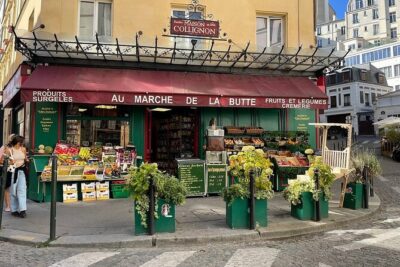
Montmartre Hill French Gourmet Food and Wine Tasting Walking Tour
Read our review →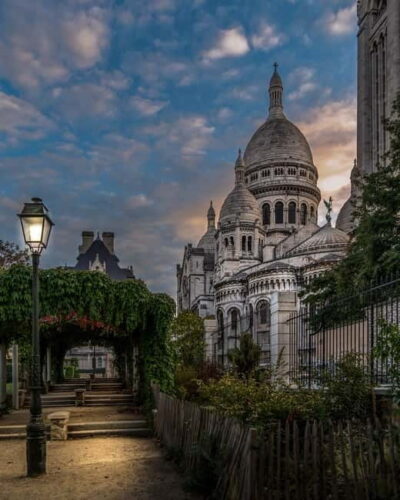
Montmartre Highlights Walking Tour with a Local Guide
Read our review →
Montmartre Cheese, Wine & Pastry Guided Walking Tour
Read our review →
Private Montmartre Food Tour with Wine, Cheese & Pastries
Read our review →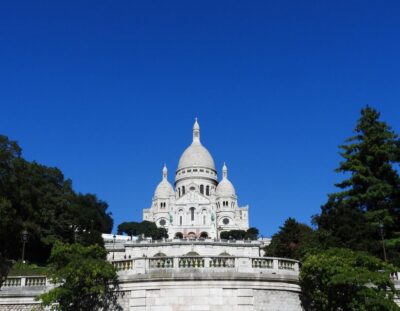
Sacré-Coeur and Montmartre Tour with Expert Guide
Read our review →
Paris Montmartre Food Tour – A Full French Meal by Do Eat Better
Read our review →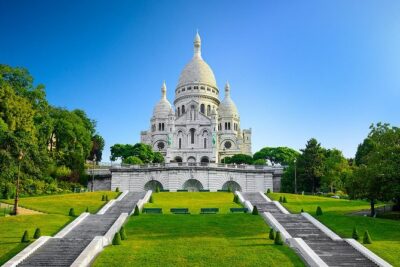
Browse the lists this tour appears in