
Reviewed · PALACE OF VERSAILLES TICKETS
Versailles Revolution Tour – 1789
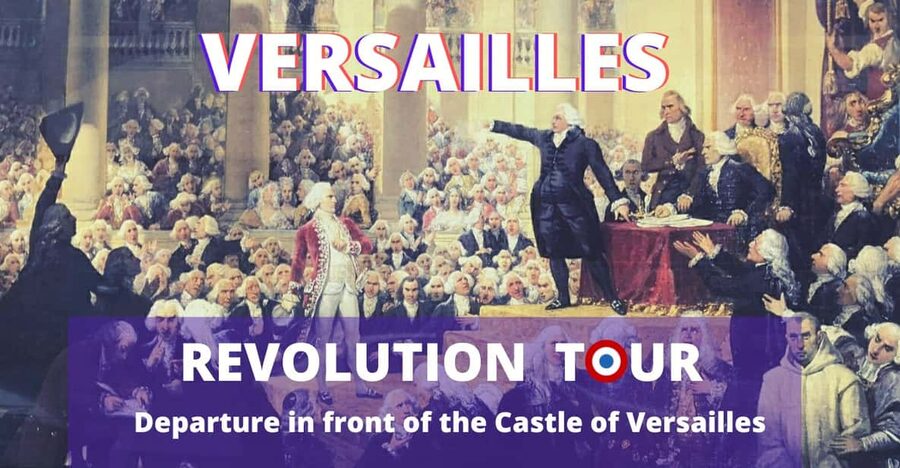
You will feel Versailles as a political stage, not a museum. This Versailles Revolution Tour 1789 turns famous names into a clear, walkable timeline you can picture street by street.
What I like most is the way the route focuses on the key turning points that set the French Revolution in motion. I also really enjoy the guide style, especially Baptiste Barennes, who brings context without turning it into a lecture.
One thing to consider: this is a walk through Versailles town areas near the palace, and it does not include access to the Château of Versailles itself. If you want inside rooms, you will need a different tour for that.
In This Review
- Key points worth knowing before you go
- Where the 1789 story starts: Louis XIV statue and Arms Square
- Arms Square procession: seeing the opening of the General Estates unfold
- Hôtel des Menus-Plaisirs: how the Revolution gets its first ignition at Versailles
- Royal Tennis Court and the June 20 oath, where deputies rethink legitimacy
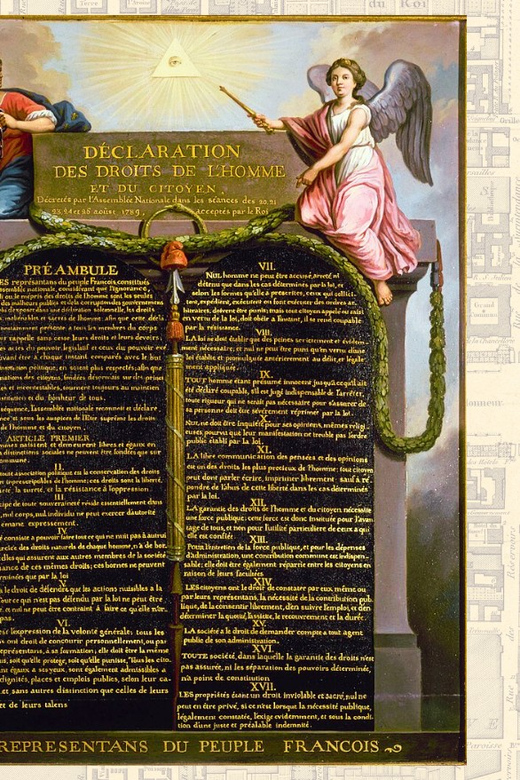
- Declaration of the Rights of Man and the Citizen: the tour keeps returning to the words
- Hôtel de Madame du Barry: a favorite’s house becomes political contrast
- Paris Avenue and the Women March: movement, pressure, and the public voice
- Former Foreign Affairs Hotel and the Treaty of Versailles: Versailles meets American Independence
- Marie Antoinette and Louis XVI: how the guide keeps characters usable
- The ending, the map engraving, and why a small souvenir helps
- Price and value: is $41 worth 2 hours near Versailles?
- Who this tour is best for, and who might want something else
- Practical tips to make your 2-hour walk better
- Should you book the Versailles Revolution Tour 1789?
- FAQ
- Where does the Versailles Revolution Tour 1789 start?
- How long is the tour?
- Is the tour inside the Château of Versailles?
- What language is the live guide offered in?
- What is included in the price?
- What are the main historical topics covered?
- Which specific places are visited during the walk?
- Is the tour wheelchair accessible?
- Is there a cancellation option?
Key points worth knowing before you go
- A story-first 2-hour route that stays close to the castle area but does not require castle entry
- Estates opening to the final impact of Versailles, including the Declaration of the Rights of Man and the Citizen
- June 20 Tennis Court Oath explained with the idea of deputies and citizenship in mind
- American Independence ties via the Treaty of Versailles and figures like Lafayette
- Interactive moments with a role-play style discussion where you can actually participate
- Small-group feel at times, including runs where you are effectively with the guide alone
Other ways into Versailles and its grounds:
- Paris: Versailles Palace and Gardens Full Access Ticket
★ 4.6 · 41,579 reviews - Versailles: Skip-the-Line Tour of Palace and Gardens Access
★ 4.7 · 10,429 reviews - From Paris: Versailles Palace & Gardens with Transportation
★ 4.6 · 6,222 reviews - Versailles: Skip-the-Line Guided Palace Tour and Full Access
★ 4.6 · 5,214 reviews
Where the 1789 story starts: Louis XIV statue and Arms Square
Your tour begins right in the palace orbit, at the equestrian statue of Louis XIV. The meeting point is in front of the castle, at Arms Square, and there is only one big Louis XIV statue to look for.
This matters because it sets your frame fast. Versailles in 1789 is not just about grand buildings, it is about decisions, crowds, and pressure building in the exact places where power tried to stay in control.
If you are trying to fit this into a busy day, the timing also helps. The tour runs about 2 hours, which makes it a strong add-on if you are already planning to spend time around Versailles.
Arms Square procession: seeing the opening of the General Estates unfold
The first stop area you walk through is the Arms Square zone, tied to the procession for the opening of the General Estates. Even if you only know the French Revolution from school highlights, this beginning helps you understand the problem the kingdom faced in 1789.
Think of it like this: the General Estates are where tension turns into a public event. You get a sense of why Versailles matters, because this is not happening in a distant capital, it is happening in the same place where court life and political life collide.
This is also where an interactive tone starts to make sense. You are not only watching history, you are moving through the roles people were trying to play, deputy included.
Hôtel des Menus-Plaisirs: how the Revolution gets its first ignition at Versailles
Next comes Hôtel des Menus-Plaisirs, connected with the start of revolutionary events. The big idea here is that the Revolution did not flip on overnight. It built momentum through moments when normal rules stopped working, then people tested new ones.
If you are the type who likes cause and effect, this stop gives you a clean thread. The tour is designed to keep returning to the same theme, power tries to manage the crisis, then the crisis manages power.
You can expect explanations that connect people and documents too. The guide also points you toward what comes next, so the timeline feels like one story instead of a set of stops.
Royal Tennis Court and the June 20 oath, where deputies rethink legitimacy
The Royal Tennis Court stop centers on the Tennis Court Oath on June 20. This is one of those moments everyone knows the name of, but fewer people understand how radical it was in practice.
Here, you get the oath through the lens of who was claiming authority. You are walking the idea of deputies who decide they represent something bigger than the court’s permission.
For me, this is where the interactive style pays off. When you talk about deputies, rights, and legitimacy, the guide naturally ties the political language to what people were physically doing around you in 1789.
Also, if you are visiting with kids or teens, this kind of concept usually lands better on a walk than in a room full of labels.
If this one is booked out, Paris has these too:
- Paris: 1-Hour Seine Cruise departing from the Eiffel Tower★ 4.4 · 77,472 reviews
- Disneyland® Paris 1-Day Ticket★ 4.6 · 49,412 reviews
- Paris: Arc de Triomphe Rooftop Tickets★ 4.6 · 34,264 reviews
- Paris: Orsay Museum Entry Ticket★ 4.7 · 25,647 reviews
Declaration of the Rights of Man and the Citizen: the tour keeps returning to the words
A key highlight is the Declaration of the Rights of Man and the Citizen. This is more than a name drop. It is the Revolution’s attempt to put principles into public language.
Even without memorizing articles, you will get the point: the French Revolution tried to define who counts and what rights should mean when the old hierarchy collapses. The guide uses the route to show how those ideas connect back to the events at Versailles.
I like that the tour does not treat the document as a distant artifact. Instead, it connects it to street-level political pressure and public expectation.
Hôtel de Madame du Barry: a favorite’s house becomes political contrast
Then you hit Hôtel de Madame du Barry, the last favorite of Louis XV. This stop works because it creates a contrast you can feel.
On one side is the court culture, on the other side is the resentment that grew around it. You are not just learning about a person, you are seeing how symbolism and anger can share the same address.
This is a strong stop if you want color, but it still stays tied to politics. The guide uses these palace-adjacent sites to explain why people saw the court as out of touch.
And if you like fun details, this is also the type of moment where role-playing and imagination show up. One recent booking appreciated the more playful approach, like leaning into the character energy rather than treating every minute as solemn.
Paris Avenue and the Women March: movement, pressure, and the public voice
The tour includes Paris Avenue, connected to the walk of the women arriving. This is where the Revolution stops feeling like an elite affair and starts looking like a crowd with goals.
Even if you already know the headline, the walk context helps. You understand that political change in 1789 was not only about debates. It was also about bodies moving through space, forcing attention.
This is also where the guide’s interaction can shift from story mode to participation mode. When you are thinking like a deputy, you start paying attention to how people persuade, not just how they vote.
Former Foreign Affairs Hotel and the Treaty of Versailles: Versailles meets American Independence
One of the most interesting segments is the Former Foreign Affairs Hotel, tied to the Treaty of Versailles at the end of the American Independence war. Yes, Versailles matters to the American story too, and this tour makes that connection in a grounded way.
Why it’s valuable is simple: revolutions borrow ideas from each other. The tour helps you connect Lafayette and the wider circle of people shaping both sides of the Atlantic.
So you get more than French history in isolation. You get a sense of Versailles as a diplomatic machine, and also as a place where the political math becomes global.
If American Independence is part of what sparked your interest in 1789, this stop will feel like a payoff.
Marie Antoinette and Louis XVI: how the guide keeps characters usable
The tour highlights Marie-Antoinette and Louis XVI, but the real trick is how they get used. Instead of focusing on gossip alone, the guide links their presence to the political environment around them.
That approach helps you avoid the usual trap. A lot of Versailles experiences either go full court spectacle or full classroom seriousness. This one balances both, and it keeps characters anchored to actions people take and choices they refuse to make.
I also like that the narration makes these figures part of the same timeline as deputies and rights. You stop thinking of royalty as separate from politics.
And if you enjoy role energy, you might be inspired by the playful suggestions some guides pick up from guests, like requests to dress the part or imagine scenes. Even if you just enjoy the vibe, it helps the era stick.
The ending, the map engraving, and why a small souvenir helps
At the end, you receive a reproduction of an engraving of Versailles. It is described as an old Versailles map that was redesigned, and it’s included in the price.
I like souvenirs that work as a memory tool. This one helps you remember the walk you just did, especially because the route is specific and not just a generic Versailles stroll.
The tour also wraps with discussion in a role-play style format, where you can participate as a deputy. In one recent run, that kind of discussion worked even for teenagers, because it stayed cool and tied to the subject instead of getting preachy.
Price and value: is $41 worth 2 hours near Versailles?
At $41 per person for about 2 hours, the price is competitive for a live, English and French guided experience in the Versailles area.
Here is why I think it’s good value. You are not paying for palace entry you cannot get anyway. Instead, you are paying for interpretation of specific sites tied to 1789, plus the interactive approach that makes the story easier to track.
Also, the guide has deep Versailles experience, including time as a 10-year Versailles experience guide and 5 years guiding in the castle gardens. That kind of experience usually shows up in two places: route flow and the ability to explain the meaning behind each stop.
If you want a high-impact history walk without committing half a day, this fits.
If you want to spend hours inside rooms, this does not replace that. It is its own thing, street-level and story-driven.
Who this tour is best for, and who might want something else
This works great if you:
- Like the French Revolution but want it organized by place and movement
- Enjoy interactive history where you answer questions or step into roles
- Plan to visit Versailles anyway and want a smart use of your time near the palace
- Want the American Independence connection with Lafayette and the Treaty of Versailles
You might want a different option if you:
- Only want indoor palace highlights and photo-heavy interior sights
- Prefer a standard lecture format with no participation
Practical tips to make your 2-hour walk better
A few small things can make your experience smoother.
First, wear shoes you trust. Versailles town areas are best walked slowly, and you will be shifting focus from street corners to political meanings.
Second, arrive a few minutes early and stand where you can clearly see the Louis XIV equestrian statue. The statue is big, and there is only one, but the crowd around the palace area can still be busy.
Third, bring your curiosity. This is the kind of tour where questions help. The guide answers in context, and the whole point is to help you see why people in 1789 acted the way they did.
Finally, if you can handle a bit of role-play discussion, do. It is not just a gimmick, it’s how the tour keeps rights, deputies, and legitimacy from staying abstract.
Should you book the Versailles Revolution Tour 1789?
I recommend it if you want a focused, 2-hour walk that explains why Versailles in 1789 changed so fast. The strongest part is the combination of specific sites and the way the guide ties them to the Revolution’s major ideas, like the Tennis Court Oath and the Declaration of the Rights of Man and the Citizen.
Book it with confidence if you also care about the American Independence angle, because the Treaty of Versailles and Lafayette connection add real depth. And if you value a guide who brings energy and keeps the discussion flowing, this is a great match.
Skip it if you expect access to the Château interiors. This tour stays close to the palace area but does not include castle entry, so plan another activity if that is your priority.
FAQ
Where does the Versailles Revolution Tour 1789 start?
You meet in front of the castle of Versailles at the equestrian statue of Louis XIV. This is the Louis XIV statue at Arms Square.
How long is the tour?
The tour lasts about 2 hours.
Is the tour inside the Château of Versailles?
No. The tour does not include access to the castle. It takes place in the town of Versailles close to the castle.
What language is the live guide offered in?
The live tour guide is available in English and French.
What is included in the price?
The price includes the guided tour and, at the end, you receive a reproduction of an engraving of Versailles.
What are the main historical topics covered?
The tour focuses on the French Revolution, including the Declaration of the Rights of Man and the Citizen, and it also includes Marie-Antoinette and Louis XVI. It also covers the American Independence connection through the Treaty of Versailles.
Which specific places are visited during the walk?
Stops include Arms Square, Hôtel des Menus-Plaisirs, the Royal Tennis Court (Tennis Court Oath, June 20), Hôtel de Madame du Barry, Paris Avenue, and the Former Foreign Affairs Hotel.
Is the tour wheelchair accessible?
Yes, the tour is listed as wheelchair accessible.
Is there a cancellation option?
Yes. You can cancel up to 24 hours in advance for a full refund.
Newest write-ups from Paris






Palace of Versailles Tickets, compared.
Versailles Palace and Gardens Full Access Ticket
Read our review →
Skip-the-Line Tour of Palace and Gardens Access
Read our review →
Versailles Palace & Gardens with Transportation
Read our review →
Skip-the-Line Guided Palace Tour and Full Access
Read our review →
Versailles Palace Guided Tour & Gardens Access
Read our review →
Versailles Palace and Gardens Tour from Paris
Read our review →
Versailles Palace Bike Tour with Market & Marie-Antoinette hamlet
Read our review →
Versailles Guided Tour with Skip-the-Line Entry
Read our review →Browse the lists this tour appears in