Reviewed · 1-DAY TOURS
WWI Private Day Trip with Ypres Salient Battlefield in Flanders from Paris
WWI sites have a way of sticking with you. This private day trip from Paris takes you to the Ypres Salient landscape of memorials and cemeteries at a humane pace, with hotel pickup and a guide who can shape the day to your questions. I love the mix of big, iconic stops (like Tyne Cot and Menin Gate) plus room to breathe in Ypres on your own. The one real drawback to consider is that it is a long day, and the road time is a factor, so the vehicle comfort matters if you are sensitive to cramped seating.
This is set up for people who want more than a drive-by lesson. You get English commentary, admission included at multiple sites, and you can linger independently when the emotion of the place asks for it. If you want a quiet, thoughtful WWI day without the big-group churn, this hits the sweet spot.
In This Review
- Key highlights
- Why Ypres Salient Feels Different From A Usual Day Trip
- Paris Pickup, Long Drive North, and How to Make the Most of It
- Tank Memorial and the Ypres Salient Setting: Poelkapelle’s Quiet Impact
- St Julien Memorial and Polygon Wood: The Canadian and Australian Markers
- Essex Farm Cemetery and John McCrae: The Poppy Story at Source
- Hill 60: Why Underground Fighting Changes What You See
- Tyne Cot Cemetery and the Missing Wall: Names That Don’t End
- Ieper (Ypres) Free Time and Menin Gate: Reading Memory in the Town
- What Makes This Private Format Worth Paying For
- Price and Value From Paris, and When It Feels Right
- Practical Prep: What to Bring and How to Stay Comfortable
- Should You Book This WWI Private Trip From Paris?
- FAQ
- What time does the WWI day trip start?
- How long is the trip?
- Is pickup available from Paris hotels?
- What language is the tour offered in?
- Are admissions or tickets included?
- Is food included?
Key highlights
- Hotel pickup and drop-off in central Paris for a smoother start (arrondissements 1 to 18 listed)
- Private format meaning your group stays together, with guide commentary tailored to your interests
- Canadian and Australian memorials such as the St Julien Memorial and Polygon Wood
- John McCrae and the poppy story at Essex Farm Cemetery, plus surviving bunkers
- Tyne Cot Cemetery and Menin Gate where missing names become the main event
- Free time in Ypres for lunch on your own and a little self-guided wandering
A handful more Paris options to weigh up
- Louvre Museum Paris Essential Guided Tour Semi-Private 6ppl Max
★ 5.0 · 3,807 reviews - SUV Private Transfer: Paris to Charles de Gaulle Airport (CDG)
★ 4.0 · 3,091 reviews - Paris: Private Photoshoot at the Eiffel Tower
★ 4.7 · 2,636 reviews - Top Private Cruises in Paris with French Champagne and surprises
★ 5.0 · 1,553 reviews
Why Ypres Salient Feels Different From A Usual Day Trip
I have done my share of long travel days, but WWI memorial touring has its own rhythm. Here, you spend less time chasing sights and more time reading the human scale of sacrifice. The Ypres Salient is not one battlefield you quickly tick off. It is an area where the war’s weight shows up again and again, in cemeteries laid out like orderly rows of consequence, in stone names, and in monuments built to keep memories from drifting away.
The private approach matters. You can move at a pace that matches your mood, slow down when a grave line makes you stop, or ask the guide to explain something you did not know you were curious about. And instead of being forced to listen for a full day of history with no off-ramps, you get actual breathing room in Ypres town.
One more reason this trip works: the guide commentary is paired with the ability to look around independently. That combination helps history turn into something you can feel, not just memorize.
Paris Pickup, Long Drive North, and How to Make the Most of It
Your day starts early, around 6:30 a.m., with pickup available in a defined set of Paris arrondissements (1 through 18). That helps because you avoid the stress of coordinating trains or rides before the tour even begins. You also get return drop-off to your original departure point, so the logistics do not eat your energy.
Once you head north into France and then into Belgian Flanders, you are on the road for hours. That is normal for any Paris to Ypres Salient outing, but it is worth planning for. One past traveler noted the vehicle felt tight when the group was larger, in a smaller van. You should assume the drive is a real part of the experience, so plan accordingly: bring a layer for comfort, keep your essentials within reach, and decide ahead of time how you handle sitting for a long stretch.
The good news is that the transport is air-conditioned and geared for day trips. When the day is this long, air-conditioning and punctual driving do more than convenience. They protect the mood you will need later at the memorial sites.
Tank Memorial and the Ypres Salient Setting: Poelkapelle’s Quiet Impact
Your first stops put you in the battlefield geography. You will visit the Tank Memorial at Poelkapelle, a key entry point into the Ypres Salient, an area tied to some of the heaviest World War I fighting.
The important idea here is scale. The region saw massive loss across multiple countries tied to the conflict, including Commonwealth forces as well as Germany, France, and Belgium. Cemeteries and memorials now dot the land, but you still get the sense that this was not fighting in one clean location. It was continuous pressure on ground that repeatedly changed hands.
Why I like starting here: it gives you a mental map for the stops to come. When you later see specific memorials for specific national forces, you already understand the shared setting that made those memorials necessary. It turns the day from a string of sites into a story you can follow.
Admission is included at this stop, which is handy because you will not lose time tracking tickets or lines before the emotion-heavy parts begin.
St Julien Memorial and Polygon Wood: The Canadian and Australian Markers
Next you move to the St Julien Memorial, including the monument sometimes referred to as the Brooding Soldier. This is dedicated to Canadian soldiers, and that dedication shows up in the tone and focus of the memorial.
Just as important, you do not only see a sculpture and move on. With your guide, you also learn about context, including how the memorial connects to the wider battlefield story in the area.
Then the itinerary includes Polygon Wood, tied to the 5th Australian Division Memorial. This matters because so many WWI stories get told through one country’s lens. Here, you get a clearer picture of how different Commonwealth units experienced the same overall war landscape, with memorials placed where remembering becomes part of the terrain.
A practical benefit: when memorials are spaced across the day, you can compare them. You notice how different nations choose different ways to record meaning, from sculpted figures to names and inscriptions.
If you care about Canadian, Australian, or Commonwealth involvement, this set of stops is usually the part people remember most clearly, because it is not generic. It is specific.
If this one is booked out, Paris has these too:
- Paris: 1-Hour Seine Cruise departing from the Eiffel Tower★ 4.4 · 77,472 reviews
- Disneyland® Paris 1-Day Ticket★ 4.6 · 49,412 reviews
- Paris: Versailles Palace and Gardens Full Access Ticket★ 4.6 · 41,579 reviews
- Paris: Arc de Triomphe Rooftop Tickets★ 4.6 · 34,264 reviews
Essex Farm Cemetery and John McCrae: The Poppy Story at Source
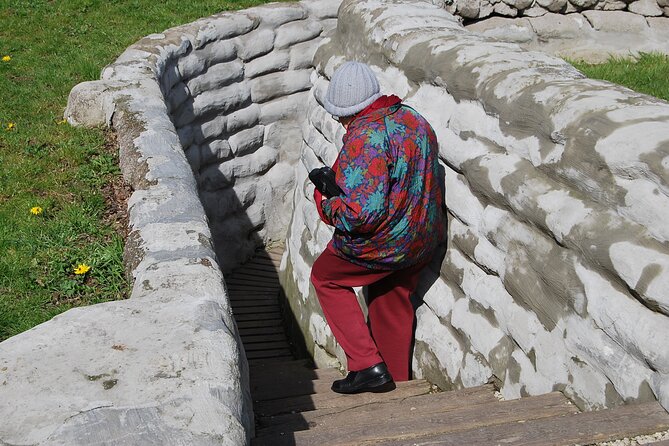
The day turns more personal at Essex Farm Cemetery. This site is dedicated to John McCrae, a Canadian soldier who wrote the poem In Flanders Fields. The trip explains how that poem helped the poppy become an international symbol honoring fallen soldiers.
This is one of those moments where the “learning” sticks because it connects a person, a text, and a later symbol you likely already recognize from elsewhere. You will hear the poem tied directly to this place, not treated as a random cultural reference.
You also visit the area with British bunkers that still remain from the war. That small detail is more than cool scenery. It anchors the story in physical remnants, so the war feels less like an abstract timeline and more like a location where real men moved, waited, and endured.
If you want to understand why memorial traditions matter, spend extra time here. You are not just looking at stones. You are seeing how remembrance gets built into language, symbols, and the act of returning to specific ground.
Hill 60: Why Underground Fighting Changes What You See
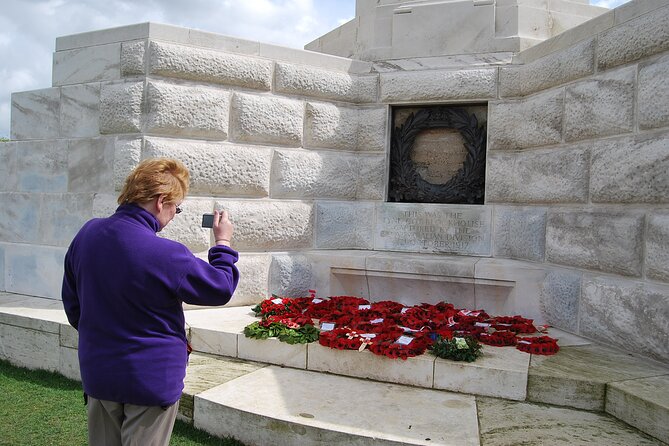
From cemeteries and monuments, you then shift into a battlefield concept. You will walk up to Hill 60, a famous WWI battlefield site known for heavy fighting and especially for what happened underground.
The key detail: unlike many other sites in Belgian Flanders, Hill 60 saw fighting using tunnels created by mines. That changes your perspective. It is not only about what you might picture as artillery lines and trenches on the surface. It also suggests another layer of danger and strategy, with war happening below ground where the landscape itself hides violence.
Walking up to Hill 60 gives you that subtle change in experience. Even if you are not a battlefield reenactor in your head, the physical act of climbing forces you to register the shape of the ground. Then the guide’s explanation helps you understand why the ground mattered so much.
Admission is included, so you are paying less attention to logistics and more attention to meaning.
Tyne Cot Cemetery and the Missing Wall: Names That Don’t End
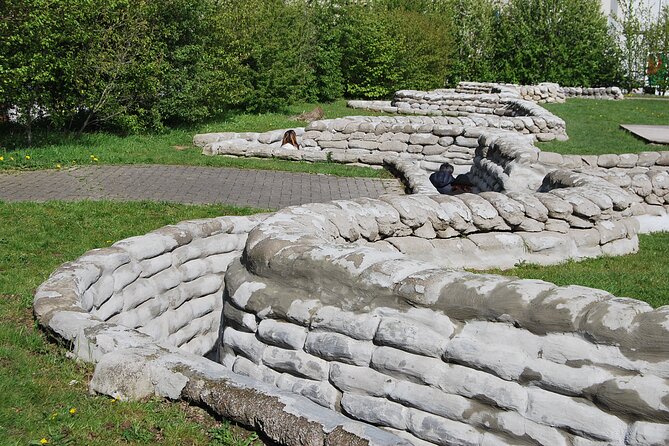
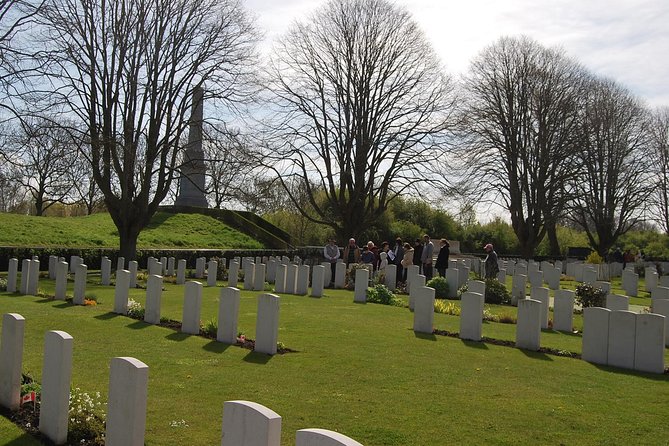
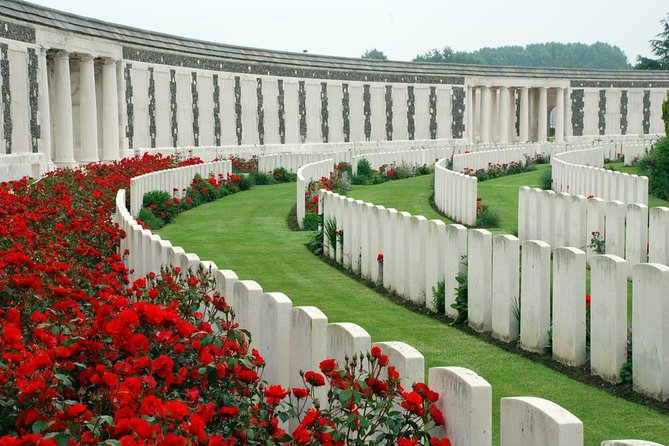
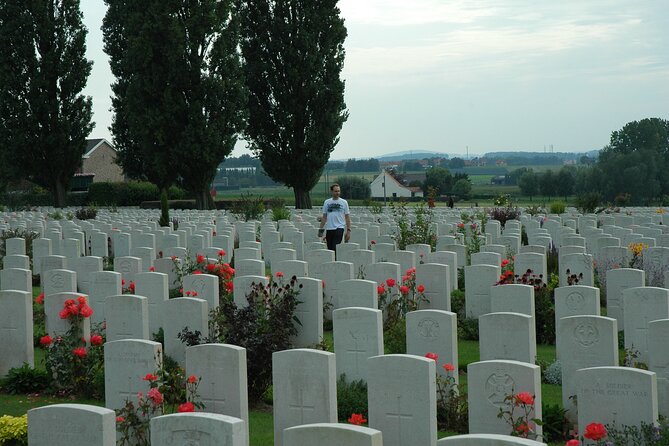
At Tyne Cot Cemetery, you enter one of the most powerful parts of the day. This is where many soldiers who died in the Ypres Salient are buried. The scale of the cemetery can be overwhelming in a way that feels different from a museum. Here, you are looking at actual graves and actual losses.
The standout feature is Tyne Cot Memorial to the Missing, a stone wall that lists names of missing soldiers from the UK and New Zealand. That “missing” concept is emotionally heavy, and it is also historically crucial. It is a reminder that not every story ends with a body identified and a grave marker placed.
I like that the itinerary connects the battlefield to burial and then to the missing. That sequence makes the war’s human aftermath easier to understand. You see loss as both presence and absence.
If you are touring with family ties, this is often where the day becomes most meaningful. One past traveler specifically came to find a relative’s grave at Tyne Cot. The guide support and ability to find requested areas of interest can matter a lot in moments like that.
This stop is also included for admission, so you keep momentum through the most emotionally intense sites.
Ieper (Ypres) Free Time and Menin Gate: Reading Memory in the Town
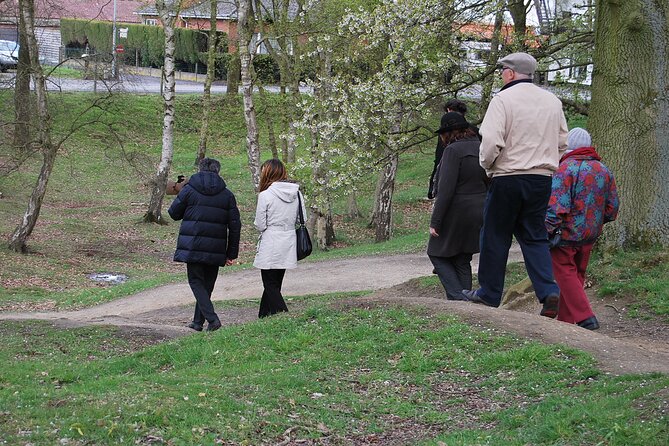
After the memorial and cemetery sequence, you get a shift from guided stops to free time in the town of Ieper (Ypres). You will have time to explore at your own pace and a lunch break where food is on you.
This is a smart design. The guided part teaches you what to look for. Then free time lets you decide how to process it. If you want to keep the theme going, you can spend time around the Menin Gate area. If you need a pause from the WWI focus, you can wander through the town streets and reset your senses.
One practical tip from past experiences: if the museum and cathedral are on your mental list, the free time is a good chance to check them out. Even a quick look can help turn the day from “only battlefield” into a fuller sense of the town that lives beside the war memory.
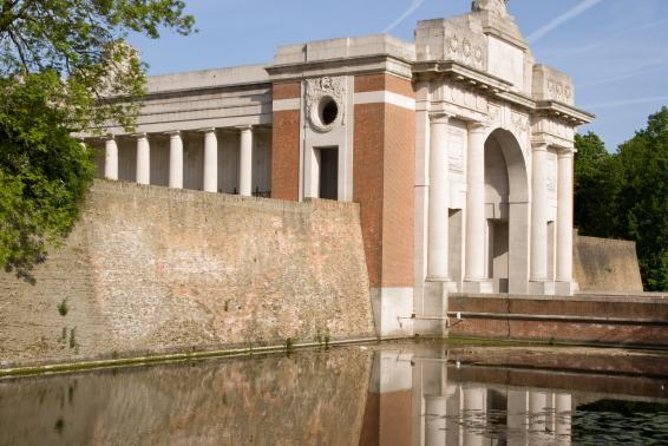
Then you finish with Menin Gate Memorial. This is the place where thousands of names of missing Commonwealth soldiers are inscribed. The writing itself is the feature. You do not need dramatic interpretation to feel the weight of it, but the guide’s explanation can help you understand the larger Commonwealth connection and why this site matters so much.
Admission is included for the memorial stops and it ends the day with a strong, clear emotional finish.
What Makes This Private Format Worth Paying For
The obvious benefit is simple: you have your own group and your guide can respond in real time. In the past, guides mentioned in feedback include Jacques Migneaux, Silvan, Sylvain, Nicola, Sebastien, Bertram, and Noel. Not every guide will be the same person, but the pattern is clear: strong commentary and adaptability.
Some people come with very specific interests, like Canadian or Australian sites, while others arrive with a general desire to understand WWI in the Ypres Salient. A good private guide does both jobs, explaining what happened in plain language and also helping you connect the facts to what you are standing next to.
One more underrated value point: small-group days usually help you find the exact grave or section that matters to you. If you are researching where a relative served, you want time, not just a quick photo at the entrance.
And yes, you still get to be a tourist. The independent time in Ypres gives you a chance to eat, walk, and see a living town, not only a curated memorial circuit.
Price and Value From Paris, and When It Feels Right
The price is listed as $1,180.72 per person for this private WWI day trip from Paris, about 12 hours total. That number can look intimidating at first.
Here is how I judge value for a trip like this. You are paying for four things at once:
- A long-distance day trip that includes transport by air-conditioned minivan
- Hotel pickup and drop-off in central Paris areas
- Private guide time in English
- Admission tickets included for multiple memorial sites
Food is not included, so you will add lunch costs in Ypres.
For solo travelers or small groups, it can still feel pricey because private service always costs more than shared coaches. But if you care about WWI context, want a guide to explain how memorials and cemeteries connect, and want time to explore Ypres without rushing, it can feel worth it. If you are primarily chasing cheap transportation, a shared day trip may be a better fit.
This is also one of those experiences where your money can buy something less tangible: not having to compete for attention while you process a family story or a personal question about the war. That matters more than many people expect until they are standing in the quiet rows.
Practical Prep: What to Bring and How to Stay Comfortable
This trip has walking and a full day schedule, so plan like you are combining history touring with real outdoor time. Bring comfortable shoes you can stand in for memorial browsing and a layer you can adjust if the weather changes.
One past traveler said rain spoiled the day a bit, even with a capable guide. That is a good reminder to pack a light rain jacket or poncho. Flanders weather can be moody, and being wet makes everything slower, including your ability to focus.
Also think about your lunch strategy. Lunch is on your own in Ypres, so decide whether you want something quick to keep going, or something longer to help you decompress. If you like a sweet treat, there is a local waffle suggestion that came up in feedback from a prior visitor, and Ypres is the kind of town where a simple break can be part of the memory.
Should You Book This WWI Private Trip From Paris?
Book it if you want a WWI day trip that feels thoughtful, not rushed. You should especially consider it if:
- You care about Canadian and Australian WWI commemoration
- You want to visit cemeteries and memorials where the names and the missing matter
- You value pickup and drop-off so you can focus on the sites
- You want free time in Ypres to reset and wander
Skip it or rethink it if:
- You know long road time and a full day will make you miserable
- You need a very flexible schedule because you dislike early starts
- You are looking mainly for low cost, since the private format plus admissions pushes the price up
If you are the type of traveler who wants to understand what you are seeing, not just where to stand for photos, this is a strong choice. It gives you the structure of major stops and the freedom to carry the story with you as you explore Ypres on your own.
FAQ
What time does the WWI day trip start?
The start time is 6:30 a.m.
How long is the trip?
The duration is about 12 hours (approx.).
Is pickup available from Paris hotels?
Yes. Pickup and drop-off are available if you are staying in certain Paris arrondissements: 75001 through 75018.
What language is the tour offered in?
The tour is offered in English.
Are admissions or tickets included?
Yes. Admission tickets are included for the listed memorial and battlefield stops, and there are also stops where entry is free (such as parts of Ypres and Menin Gate).
Is food included?
No. Food and drinks are not included, and lunch in Ypres is on your own expense.
Newest write-ups from Paris







1-Day Tours, compared.


Normandy D-Day Sites & Cemetery Day Trip from Paris with Lunch
Read our review →

Disneyland® Paris 1-Day Flexible Date Ticket
Read our review →
Loire Valley Castles Day Trip from Paris with Complementary Wine
Read our review →
Giverny, Monet’s Home & Gardens Half-Day Trip
Read our review →
Normandy D-Day Small-Group Day Trip with Omaha Beach, Cemetery & Cider Tasting
Read our review →