
Reviewed · PASTRY AND MACARON CLASSES
All about meringue: a pastry & culinary arts workshop in Paris
Meringue is your passport to Paris flavor. This All about meringue pastry workshop in Paris mixes hands-on technique with culture, so you learn French, Swiss, and Italian meringue at the counter and then connect it to stories behind famous desserts like Pavlova.
I also love how the class is built around making real desserts, not just watching, including Pavlova and a lemon-forward meringue pie. The second big win is the teaching style, led by pastry instructors like Evelyne, who keep explanations clear and practical.
One thing to consider: it is only about 3 hours, so it is not the kind of experience where you can take your time on every tiny detail from start to finish.
In This Review
- Key Highlights You Will Care About
- Why This Meringue Workshop Fits Paris Perfectly
- What You Make in the Workshop (Pavlova, Lemon Meringue, Meringuettes)
- French, Swiss, and Italian Meringue, and Why It Matters
- The Pavlova Story, Plus the Cultural Anecdotes You Actually Remember
- Creams, Lemon, Whipped Cream, and the Assembly Skill People Skip
- Meet Your Instructors, and Why Clear Explanations Make Baking Easier
- Timing and Group Size, How to Plan Your Afternoon
- What You Should Bring (and What You Can Skip Thinking About)
- Is This Good Value? The Real Reason It Feels Worth It
- Who This Workshop Is Best For
- Should You Book All About Meringue With iN ARTS?
- FAQ
- How long is the meringue workshop?
- What desserts will I learn to make?
- Is the workshop offered in English?
- How many people are in the group?
- When will I get confirmation after booking?
- Can I cancel for a full refund?
Key Highlights You Will Care About
- French, Swiss, and Italian meringue, side-by-side: you compare methods and textures, not just ingredients.
- Three dessert targets: Pavlova, lemon meringue pie, and meringuettes.
- Creme and assembly training: you practice the “fill it, top it, finish it” parts that make the dessert.
- Small class size (max 8): you get attention and feedback.
- Culture built into the bowl: Pavlova history and meringue history anecdotes are part of the session.
- English instruction: you can follow along without needing French pastry vocabulary.
Other kitchens for macarons and pastry:
- Paris: Montmartre Cheese, Wine & Pastry Guided Walking Tour
★ 4.8 · 2,255 reviews - Paris: Macaron Class at Galeries Lafayette
★ 4.2 · 1,196 reviews - Award-Winning Paris French Bakery Experience — Le Marais, 4th Arr
★ 4.5 · 1,186 reviews - Private Montmartre Food Tour with Wine, Cheese & Pastries
★ 5.0 · 1,027 reviews
Why This Meringue Workshop Fits Paris Perfectly
Paris can be a lot of everything at once, museums, monuments, long walks, big opinions. This workshop flips the script and makes you slow down in a very tasty way. You spend a focused 3 hours with one theme, meringue, and you learn it like a craft, not a trivia topic.
What makes it especially appealing is the blend of technique and story. You are not only figuring out how to whisk or shape, you are also hearing why these styles matter, how trends moved through pastry over time, and how Pavlova became the dessert people talk about. That cultural layer is also what keeps the class from feeling like a generic cooking show.
And the small group size helps. With a maximum of 8 travelers, the atmosphere stays friendly and you are more likely to get direct help when your meringue behaves differently than you expected.
What You Make in the Workshop (Pavlova, Lemon Meringue, Meringuettes)
This is a dessert-making session built around multiple meringue styles and the accompaniments that make them feel finished.
Here is the practical output:
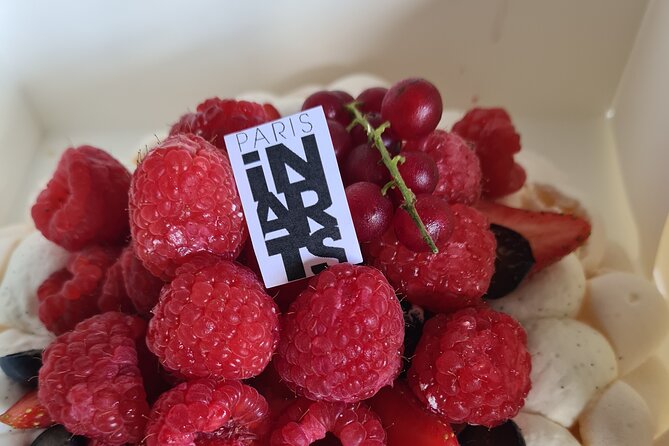
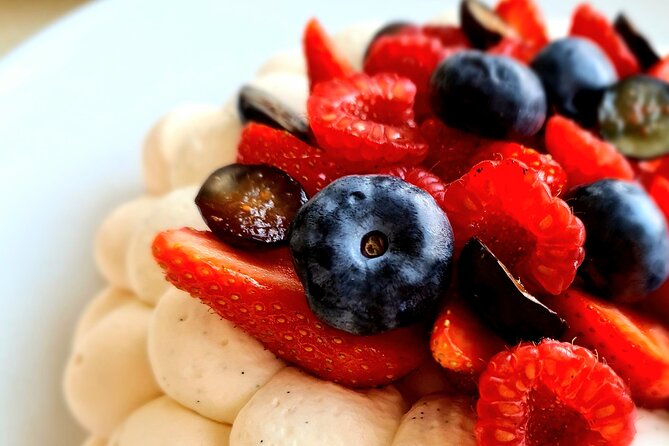
- Pavlova: a classic that shows what meringue can do when you aim for contrast, crisp outside with a softer center.
- Lemon meringue pie: where the lemon component matters as much as the meringue topping.
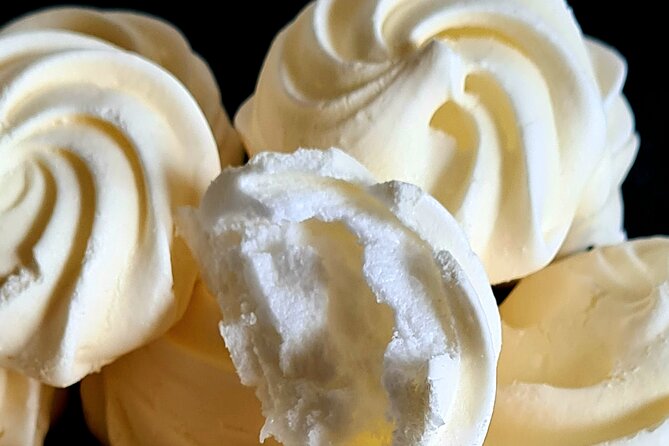
- Meringuettes: smaller meringue treats that help you practice shape and bake results.
The class also covers the supporting pieces, because meringue desserts are rarely just one technique. You will work with creams that pair with the meringue, including lemon and whipped cream, and you will learn how to do the assemblies that turn components into a plated dessert.
If you like the idea of leaving with skills you can reuse later, this format is strong. You are practicing multiple “moves,” not just one big finale.
French, Swiss, and Italian Meringue, and Why It Matters
Most people think of meringue as one thing. In real life, it is more like a family. In this workshop you compare French, Swiss, and Italian meringue, which is a shortcut to understanding what changes the texture and stability.
French meringue is usually associated with a simpler approach, but what you learn here is how that choice affects the finished dessert. Swiss and Italian methods are different in how the sugar is incorporated and how the mixture reaches structure, which shows up in how the meringue behaves during baking and afterward.
For you, the payoff is not memorizing names. It is understanding why one method is often chosen for certain results. That turns meringue from a mystery into a set of decisions you can make next time you bake.
And since the class is hands-on, you see and feel the differences rather than reading about them.
The Pavlova Story, Plus the Cultural Anecdotes You Actually Remember
Pavlova is famous, but the reason it holds attention goes beyond the dessert itself. In the workshop, you hear about the history of Pavlova and other cultural anecdotes connected to these desserts.
That kind of background changes how you experience the cooking. When you understand why a dessert became a symbol, you pay attention to details you might otherwise rush. You start treating texture and timing as part of the story, not just steps in a recipe.
The workshop also touches on the history of French pastry and major trends that traveled through time. Even if you are not a pastry historian, you will likely appreciate the big-picture logic, how techniques spread, how tastes shifted, and why some combinations stuck.
This is the part that turns a baking class into a real Paris experience. You are not just making dessert, you are connecting it to the city’s long pastry tradition.
Other Paris ateliers to spend an afternoon in:
- Fragonard Paris: Mini Perfume Workshop★ 4.5 · 1,924 reviews
- Paris Cooking Class and Lunch with Wine plus Market Visit Option★ 5.0 · 1,024 reviews
- Paris Croissant Small-Group Baking Class with a Chef★ 5.0 · 910 reviews
- Paris: 2-Hour Perfume Creation Workshop★ 4.8 · 731 reviews
Creams, Lemon, Whipped Cream, and the Assembly Skill People Skip
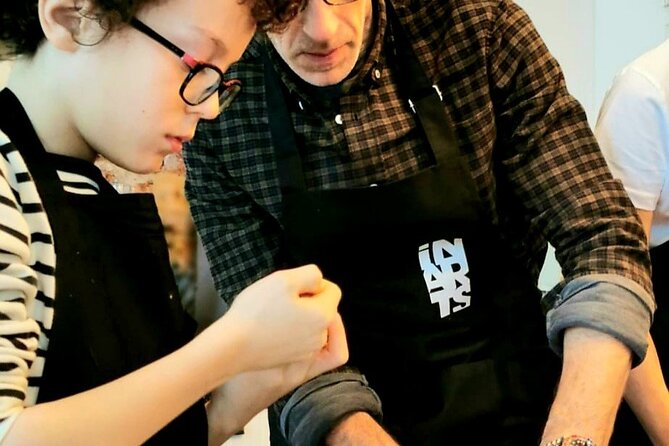
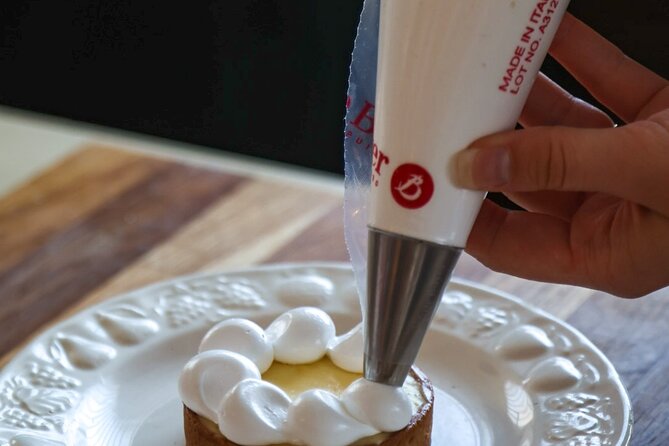
Meringue gets the spotlight, but assembly is where the dessert becomes a dessert instead of a pile of components. This workshop explicitly includes the creams that accompany meringues, including lemon and whipped cream, and it includes how to build the final structure.
That matters for two reasons.
First, lemon adds brightness and balance. Without it, meringue can feel too sweet or too flat. The workshop’s focus on lemon-forward elements helps you learn how acid and sweetness work together.
Second, whipped cream and proper assembly teach you restraint. You want definition, not chaos. You also learn that spacing, spooning, and topping strategy can change how your dessert looks and tastes by the first bite.
This is also where the instructor attention shows. In small groups, you can actually get corrections, like how to handle the cream, when to add toppings, or how to avoid collapsing textures.
Meet Your Instructors, and Why Clear Explanations Make Baking Easier
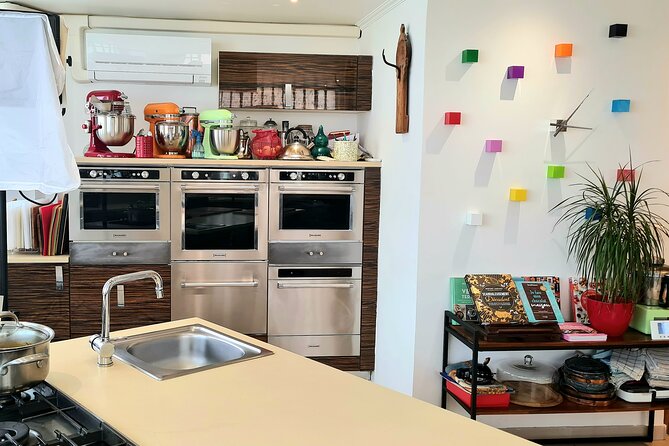
The energy from instructors is one of the most repeated strengths in the experience. Evelyne shows up in participant feedback as a warm presence and a strong teacher, with advice that helps you move from confusion to confidence.
You should expect more than generic instructions. The teaching approach seems designed for real humans who are learning at speed, with guidance that is clear and practical. That is huge in pastry, because meringue can go off track if you miss a step or misread a texture.
Also, the workshop is described as friendly and convivial. In plain terms, that means you are not stuck in a stiff classroom. You can ask questions, and you can relax while learning something that normally feels intimidating.
Timing and Group Size, How to Plan Your Afternoon
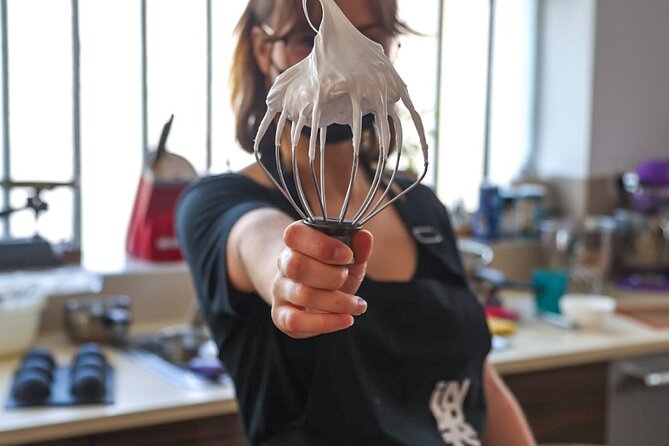
This experience runs about 3 hours, with a start time of 3:00 pm, and it ends back at the meeting point. It is offered in English, and there is a maximum of 8 travelers.
For your planning, the 3 pm slot is convenient. It lines up nicely with a late lunch and makes it easy to turn the class into the centerpiece of your afternoon. You can then decide how full you want dinner to be, because your hands will likely be busy and you may be tasting along the way.
Near public transportation also helps. You are not relying on taxis and you can build in a buffer if your morning plans run long.
One more practical point: bring your curiosity. Meringue is very teachable, but it rewards attention. If you show up ready to taste, adjust, and ask, you will get more from the time you spend there.
What You Should Bring (and What You Can Skip Thinking About)
The key details given are that you get a mobile ticket and that confirmation comes within 48 hours of booking, subject to availability. Beyond that, the experience is centered on what you make and learn during the session.
So instead of worrying about carrying lots of stuff, focus on comfort and readiness. You might want to wear clothes you do not mind getting splattered, since meringue and cream can be messy in any kitchen setting. You may also find it helpful to have a good attitude about learning at a hands-on pace.
If you are the type who likes photos, you might want to be ready to capture moments, but keep in mind that pastry is all about process, not perfect plating.
Is This Good Value? The Real Reason It Feels Worth It
There is no single price detail here, so I will judge value by what you actually get in the time.
In 3 hours, you cover multiple meringue styles, and you do it in a way that includes:
- multiple finished desserts (Pavlova, lemon meringue pie, meringuettes)
- creams like lemon and whipped cream
- assembly technique, the part that makes desserts feel complete
- cultural context (Pavlova history and broader French pastry trends)
That is a lot of learning for one session. Many cooking classes either focus only on technique or only on theme. This one ties technique to the culture around the dessert, which makes the skills feel more meaningful and easier to remember.
Also, the max of 8 travelers is a value multiplier. Small groups usually mean more attention and fewer people competing for help.
Who This Workshop Is Best For
This is a great match if you:
- love desserts and want a hands-on skill, not just a tasting
- enjoy learning the story behind food, especially French pastry culture
- want an English-friendly class in a small group
- are curious about the differences between French, Swiss, and Italian meringue
It is also a solid choice for couples or friends who want a shared activity that feels special without being too intense. The friendly, relaxed vibe reported in participant comments suggests it is not the kind of class that makes you feel judged.
If you are coming only for a quick snack or a long sightseeing tour, you might be happier with a different kind of experience. This workshop is about making and learning.
Should You Book All About Meringue With iN ARTS?
If you want a Paris experience that feels personal, small, and genuinely useful afterward, I think you should book it. The mix of hands-on meringue technique and the culture around Pavlova and French pastry gives you more than one kind of souvenir, a skill and a story.
You should especially book if you like clarity. The class is known for experienced teaching, with instructors such as Evelyne offering advice and anecdotes that connect the why to the how. That makes it easier to trust what you are doing at the bowl.
Skip it only if you are looking for a long, multi-stop city tour, or if you know you will hate a hands-on cooking format where you have to focus for a few hours.
FAQ
How long is the meringue workshop?
It lasts about 3 hours.
What desserts will I learn to make?
You will make Pavlova, lemon meringue pie, and meringuettes, using different meringue styles and the creams that go with them.
Is the workshop offered in English?
Yes, it is offered in English.
How many people are in the group?
The workshop has a maximum of 8 travelers.
When will I get confirmation after booking?
Confirmation is received within 48 hours of booking, subject to availability.
Can I cancel for a full refund?
Yes. You can cancel for a full refund up to 24 hours in advance. If you cancel less than 24 hours before the start time, the amount paid is not refunded.
French Kitchens to Cook In
- Paris: French Croissant Baking Class with a Chef
★ 4.9 · 712 reviews - Paris Cooking Class: Learn How to Make Macarons
★ 5.0 · 634 reviews - Paris Culinary Tour: 11 Tastings & 2 Wines in Le Marais
★ 4.8 · 625 reviews - Paris: French Macaron Culinary Class with a Chef
★ 4.9 · 591 reviews
Newest write-ups from Paris



Pastry and Macaron Classes, compared.
Montmartre Cheese, Wine & Pastry Guided Walking Tour
Read our review →
Award-Winning Paris French Bakery Experience — Le Marais, 4th Arr
Read our review →
Private Montmartre Food Tour with Wine, Cheese & Pastries
Read our review →
Paris French Sweets Tasting Tour with Pastries and Chocolates
Read our review →
Paris Croissant Small-Group Baking Class with a Chef
Read our review →
Browse the lists this tour appears in