
Reviewed · LOUVRE MUSEUM TICKETS
Closing Time at the Louvre: The Mona Lisa at her Most Peaceful
The Louvre can feel like a crowd sport, but this tour aims for calmer art time. You get a small-group walkthrough with an English guide who links the big masterpieces, including the Mona Lisa, to the stories and details that make them click. I especially like the timing: you hit the museum late, so the rooms feel less chaotic and you can actually linger at the art instead of sprinting past it.
Two more things I really like: headsets keep the narration clear even when you’re moving through busy galleries, and the focus is on the essential highlights you’d otherwise struggle to prioritize in a single visit. One consideration, though, is that “peaceful” depends on the day and season, and some departures can still be crowded if it’s peak time or the timing is earlier than you hoped.
In practical terms, you’ll meet at Arc de Triomphe du Carrousel, take a guided route to the Louvre, and finish inside around closing time. It’s a walking tour for moderate walkers, about three hours, and it keeps the group moving with smart stops.
In This Review
- Key things that make this tour work
- Meeting at Arc de Triomphe du Carrousel, then walking into the Louvre mood
- Getting oriented inside: moats, classics, and why the Louvre isn’t just paintings
- The sculpture rooms: Venus de Milo and Winged Victory up close
- Painting highlights you won’t accidentally skip: Caravaggio, Raphael, da Vinci
- The Mona Lisa, at closing time: what to expect and what makes it feel different
- How the small-group setup makes the Louvre less stressful
- Exterior stops: Louvre Pyramid and the squares you’ll recognize later
- Timing matters: what works best for a calmer Mona Lisa
- Price and value: what you’re paying for besides entry
- Who should book this tour
- The bottom line, should you book?
Key things that make this tour work
- Last-entry vibe: You’re inside when many day-trippers have drifted out, so the museum feels more manageable.
- Small group (max 20): Easier pacing, more question time, and less threading through people.
- Art-focused routing: You don’t try to see everything, you see the key works with context.
- Headsets included: Makes it easier to hear your guide and follow the thread.
- Mona Lisa near the end of the day: The goal is to see her with more breathing room than you’d get earlier.
- Flexibility for closures: If areas are temporarily closed, the guide may adjust what you see.
More routes through the Louvre:
- Paris: Louvre Guided Tour with Reserved Access & Boat Cruise
★ 4.3 · 16,353 reviews - Louvre Museum Masterpieces Guided Tour with Access
★ 4.5 · 12,023 reviews - Paris: Louvre Overview, Exploration tour and Reserved Entry
★ 4.1 · 10,145 reviews - Paris: Louvre Museum Entry Ticket With Host and River Cruise
★ 4.6 · 9,926 reviews
Meeting at Arc de Triomphe du Carrousel, then walking into the Louvre mood
You start at Arc de Triomphe du Carrousel at Pl. du Carrousel. This is a good anchor point because it puts you near the Louvre without you guessing where the group is gathering. Then you head toward the museum complex, with the tour set up for an easy flow rather than a frantic scramble.
This approach matters because the Louvre is huge, and arriving without a plan usually means you end up chasing whatever room looks shortest at that moment. Here, you’re guided from the start, so you build the museum in your head as you walk.
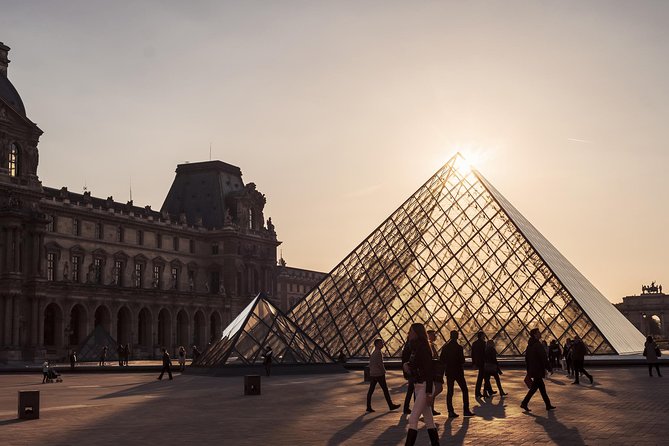
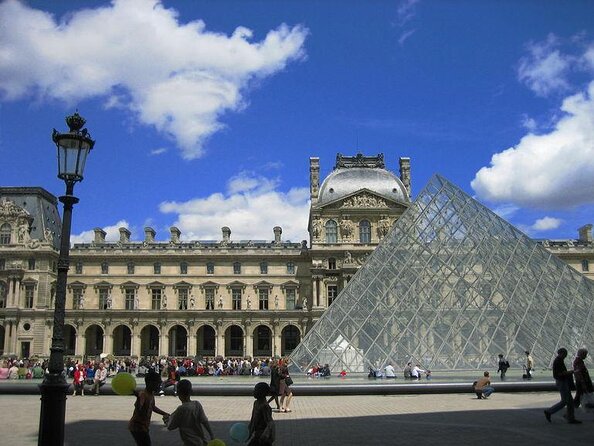
One small bonus: the tour includes time around the Louvre’s central area, including the Louvre Pyramid and nearby squares like Place des Pyramides and Place du Carrousel. It helps you orient yourself in a place that is otherwise all glass, marble, and directions signs you might not get to read.
Getting oriented inside: moats, classics, and why the Louvre isn’t just paintings
Once inside, the route begins with the Louvre as a building and a site, not just a gallery. You’ll spend time around the palace foundations near the moat area, and that quick foundation lesson helps you understand why the museum feels like a layered story. It also keeps the tour from starting with “okay, now find the Mona Lisa,” which is what usually creates stress.
Then you move into galleries featuring Classical Greek statues. This is a smart choice for a late-day tour because these rooms still deliver wow factor even when you’re not in a “must photograph everything” mode. You’ll be directed to major works like Venus de Milo and the Winged Victory of Samothrace, so you aren’t stuck scanning for the famous names without context.
A practical note: the Louvre is a long walk and a lot of standing. The tour is designed at a moderate pace, but it still helps to wear comfortable shoes and expect museum walking, not city stroll walking.
The sculpture rooms: Venus de Milo and Winged Victory up close
Here’s why I like this part of the route: those statues aren’t just iconic, they’re also physically commanding. When you see Venus de Milo framed by the gallery space, you start noticing details you miss in quick museum self-guided visits, like the way posture and lighting shape the emotion.
Winged Victory of Samothrace is even more striking when you’re not fighting a thick crowd. In late-day timing, you can often get your bearings and look long enough to feel the sculpture’s movement rather than just snap a photo and move on.
Guides often add extra context to these works, and the best part is that it tends to connect back to the rest of the tour. Even if you love painting, this “start with form” strategy makes the later masterpiece rooms more meaningful.
Painting highlights you won’t accidentally skip: Caravaggio, Raphael, da Vinci
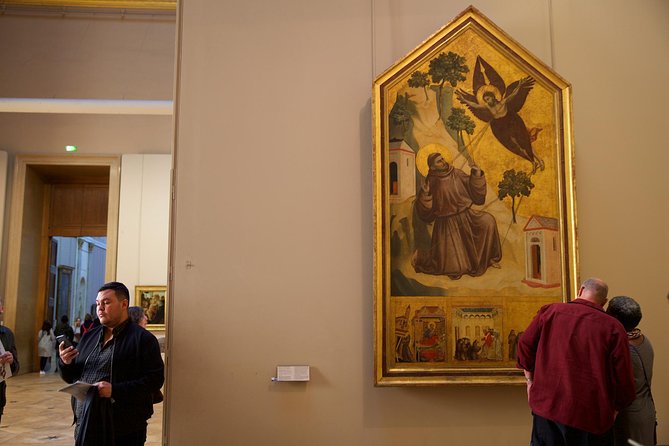
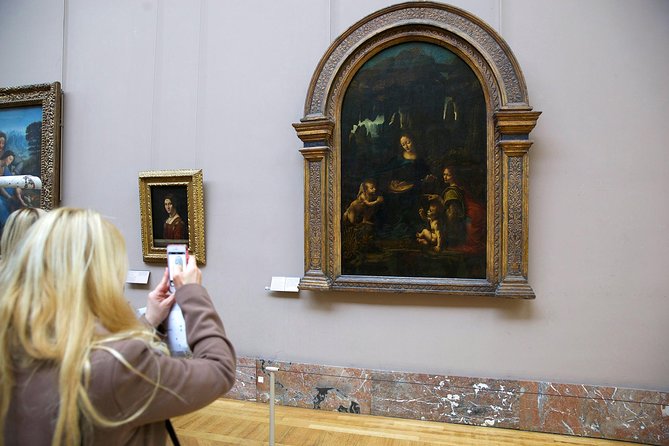
After the classical rooms, the tour shifts to the paintings everyone comes for, and then some. You’ll see major figures like Caravaggio, Raphael, and da Vinci. The value here is not just seeing them, it’s how the guide frames what you’re looking at.
For example, you’ll also spend time with Géricault’s The Raft of the Medusa, a piece that brings emotion and drama into the mix. This variety helps you avoid the common Louvre problem: only remembering the one painting you rushed toward. When the tour threads together different styles and periods, your “mental map” lasts longer after you leave.
Also, the Louvre provides practical seating like folding stools in some areas, and it makes a real difference when your guide slows down for detail. If you’re the type who enjoys reading visual clues, that pause is gold.
If this one is booked out, Paris has these too:
- Paris: 1-Hour Seine Cruise departing from the Eiffel Tower★ 4.4 · 77,472 reviews
- Disneyland® Paris 1-Day Ticket★ 4.6 · 49,412 reviews
- Paris: Versailles Palace and Gardens Full Access Ticket★ 4.6 · 41,579 reviews
- Paris: Arc de Triomphe Rooftop Tickets★ 4.6 · 34,264 reviews
The Mona Lisa, at closing time: what to expect and what makes it feel different
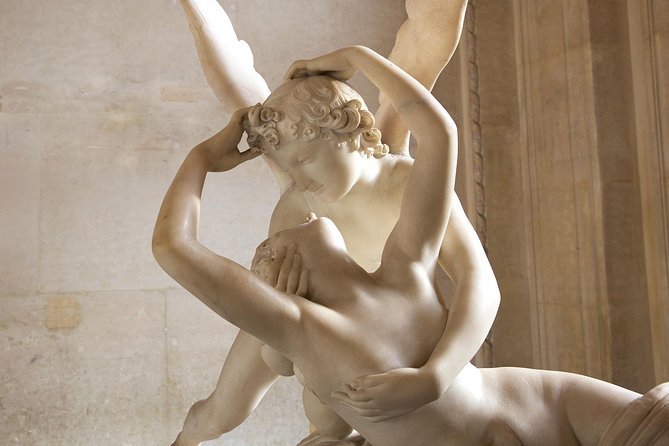
The headline is Mona Lisa at her most peaceful. The idea is simple: go close to closing, so you face fewer bottlenecks and have less of the usual crowd wall forming in front of her.
Guides are part of the equation. People often rave about guides such as Adam, Julie, Nancy, Felix, Ahmed, Omar, and Nazli for keeping the experience both smooth and thoughtful. The consistent theme in the guide style is pacing. You’re taken to the right spot at the right moment, and you’re not stuck in a long line of people standing shoulder-to-shoulder with nothing to do but wait.
Now, be honest about expectations. You likely still will not have your own private room. Even on a good timing day, you’re in one of the world’s most famous paintings. But late-day timing plus an efficient route can mean you’re able to get right up near the painting, take your time, and actually look.
One more consideration from real-world experience at the Louvre: the museum can feel warm, since the building has limited air conditioning. If you’re going in hot weather, expect that and dress smartly. It can be a factor in how “peaceful” the mood feels, especially if your tour starts earlier than expected.
How the small-group setup makes the Louvre less stressful
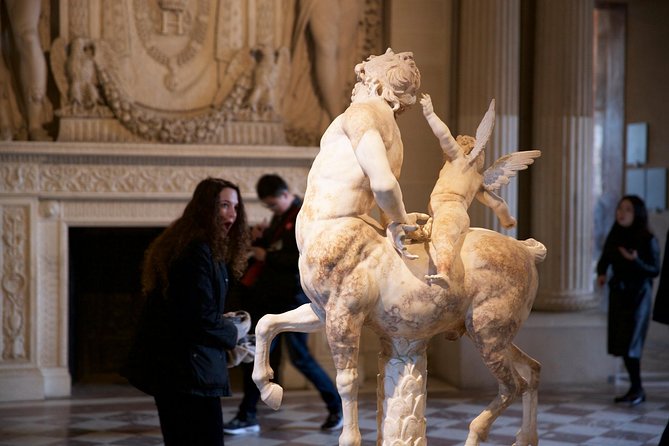
This is capped at 20 travelers, and that’s not a small detail. With larger groups, you tend to get pulled along like a school field trip. With a small group, you get more control over your experience: questions can land, your guide can adjust pacing, and you spend less time stuck behind someone’s camera setup.
The tour also includes headsets. That means you can focus on your guide without losing important info to the sound of foot traffic. It helps a lot when you’re moving through quieter galleries, or when you need the guide’s narration to keep the story straight.
You also get a kind of built-in “efficiency coach.” A good tour guide doesn’t just tell you what’s famous, they help you understand why it matters. That’s where you start feeling the Louvre as more than a list of must-sees.
Exterior stops: Louvre Pyramid and the squares you’ll recognize later
Between museum time and photo moments, you’ll see the Louvre Pyramid and walk through areas like Place des Pyramides and Place du Carrousel. These stops aren’t random. They help you connect the inside museum layout with the outside spaces you’ll notice as you wander later.
And if you’re thinking ahead about photos, these exterior views can save you time. You’re not trying to squeeze pictures in between museum crowd management.
It’s also a mental reset. Sculpture and painting galleries are long. A quick exterior moment lets you regroup without losing the flow of the tour.
Timing matters: what works best for a calmer Mona Lisa
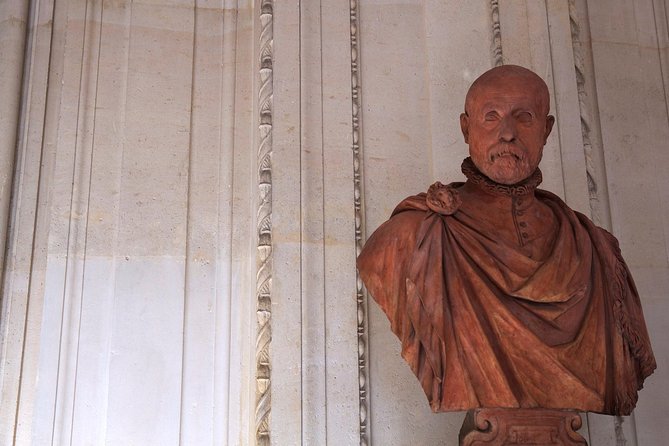
This tour is built for late-day entry, which is the biggest lever you have for a calmer Louvre. If you’re flexible, I’d aim for the later departures because the theme is built on reduced crowds closer to closing.
That said, the Louvre is an unpredictable beast. Areas visited are subject to closures, and if something is shut, your guide will modify the route. The museum can also close due to strikes, and if time allows they’ll reach out before the tour. For last-minute closures, cancellation messages may be given at the meeting point.
That uncertainty is worth planning for. You’ll have a better time if you treat this as a guided highlights route rather than a guarantee of one exact room at one exact second.
Price and value: what you’re paying for besides entry
The price is $101.58 per person, and it includes a €22 entrance ticket. That means you’re not paying only for museum access. You’re paying for a guided route that gets you through key areas with context, plus headsets, and a focused focus on major works within a short timeframe.
Is it worth it? For most people who only have one day at the Louvre, yes. The museum is too big to plan perfectly without help. The tour gives you prioritization, and it reduces time lost to bottlenecks. If you love art history and want the Mona Lisa with fewer stress points, the value is even clearer.
If you already know exactly which galleries you want and you don’t care about guided interpretation, you might prefer a self-guided ticket. But if you want to walk out feeling like you understood what you saw, this kind of guided last-entry experience often just makes the day easier.
Who should book this tour
I’d steer you toward this tour if:
- you want a high-impact Louvre visit without trying to cover everything
- you love seeing the famous works but also care about the story behind them
- you prefer a less crowded feeling and a late-day rhythm
- you want a guide who can manage pacing in a huge museum
It can also work well for couples and solo travelers who want shared attention without feeling like they’re part of a big herd. Families can enjoy it too, especially if your guide keeps things lively and handles kid energy well, and several guides here are noted for being good with children.
If you dislike walking or standing for long periods, this might be tougher. The tour is a walking tour with a moderate pace, and it’s about three hours.
The bottom line, should you book?
If your goal is to see the Louvre’s hits with less crowd pressure, I think this is a smart booking. The combination of late timing, small-group size, headsets, and an art-historian approach is exactly what turns the Louvre from overwhelming into understandable.
Book it if you’re the kind of traveler who wants your time to count, especially for Mona Lisa. Consider a different plan if you’re going during periods when crowds still feel heavy, or if you’re highly sensitive to heat, because the museum can run warm. And if your schedule is strict, keep in mind that closures can happen, and the guide may adjust what you see.
Overall: this is one of those rare Louvre experiences that targets the real problem, too many visitors, and gives you a route that feels calmer when it matters.
Newest write-ups from Paris


Louvre Museum Tickets, compared.
Louvre Guided Tour with Reserved Access & Boat Cruise
Read our review →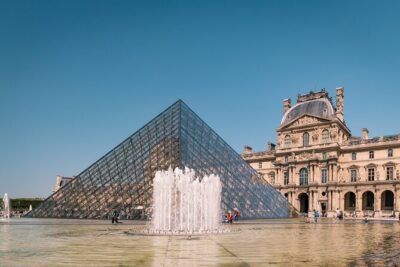
Louvre Museum Masterpieces Guided Tour with Access
Read our review →
Louvre Overview, Exploration tour and Reserved Entry
Read our review →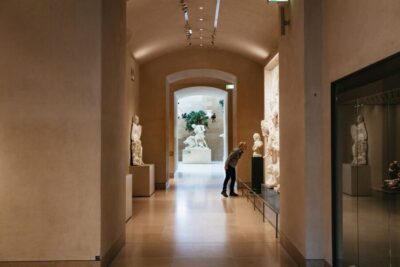
Louvre Museum Entry Ticket With Host and River Cruise
Read our review →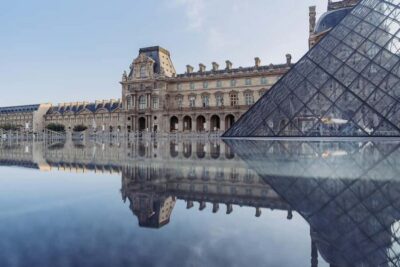
Mona Lisa & Louvre Masterpieces Tour with Reserved Access
Read our review →
Louvre Museum – Exclusive Guided Tour (Entry Included)
Read our review →
Louvre Museum Hosted Entry and Mona Lisa Audioguide
Read our review →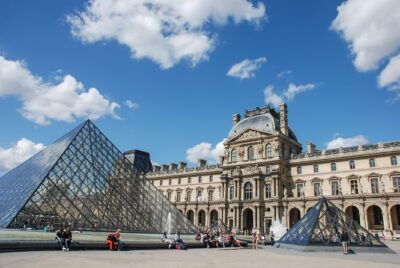
Louvre Access with Mona Lisa Escort or Guided Option
Read our review →Browse the lists this tour appears in