
Reviewed · MONTMARTRE HILL TOURS
German private Walking Tour through Montmartre & Passages
Montmartre works best when you have a plan. This private German walk threads together Moulin Rouge, Sacré-Cœur, and the city’s quieter corners, plus 19th-century passages you can actually slow down in. It is an efficient way to see the headline sights and still feel like you found something yourself.
What I really like: you get a focused private guide in German, so the details land fast, not after you translate everything in your head. And the route also includes the Passages between big landmarks, which is where Paris feels most characterful and least like a checklist.
One consideration: the pace can include longer stops to sit and recharge, so if you are traveling with very small kids and need a quick bite, tell your guide up front so you do not lose time you wanted for the walk.
In This Review
- Key highlights at a glance
- Starting at Blanche, right in front of Moulin Rouge
- Moulin Rouge, then straight into the artists’ quarter
- Sacré-Cœur Basilica, a viewpoint with a backstory
- Place du Tertre, where artists’ Paris is still visible
- Montmartre beyond the crowds, with quiet side streets
- Grands Boulevards and the long view of Paris
- Passage Jouffroy and Passage Verdeau, Paris under glass and stone
- Opéra Garnier finish, plus the Phantom connection
- Price and value for a 4-hour private German walk
- Who this tour suits best
- Should you book? My practical take
- FAQ
- Is the tour only in German?
- How long is the private walking tour?
- Where does the tour meet?
- What does the tour include?
- Where does the tour end?
- How much does it cost?
- Can children join for free?
- Is there free cancellation?
Key highlights at a glance
- Private German-speaking guide who can shape explanations to your questions and interests
- Moulin Rouge to Montmartre with context for the artists who worked there at the turn of the 20th century
- Sacré-Cœur and Place du Tertre focused on what you are looking at, not just where to stand
- Hidden 19th-century passages like Passage Jouffroy and Passage Verdeau, perfect for photos and shelter
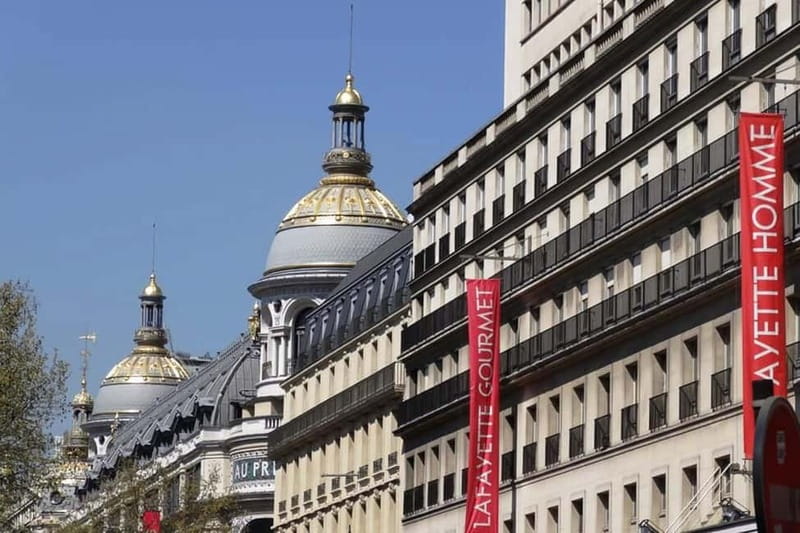
- Grands Boulevards viewpoints plus a historic stroll past major Paris landmarks
- Opéra Garnier finish with a story tie-in to the Phantom of the Opera
Other climbs up the Butte:
- Montmartre Hidden Gems and Scenic Highlights Walking Tour
★ 5.0 · 2,684 reviews - Montmartre Hill French Gourmet Food and Wine Tasting Walking Tour
★ 5.0 · 2,588 reviews - Paris: Montmartre Highlights Walking Tour with a Local Guide
★ 4.9 · 2,318 reviews - Paris: Montmartre Cheese, Wine & Pastry Guided Walking Tour
★ 4.8 · 2,255 reviews
Starting at Blanche, right in front of Moulin Rouge
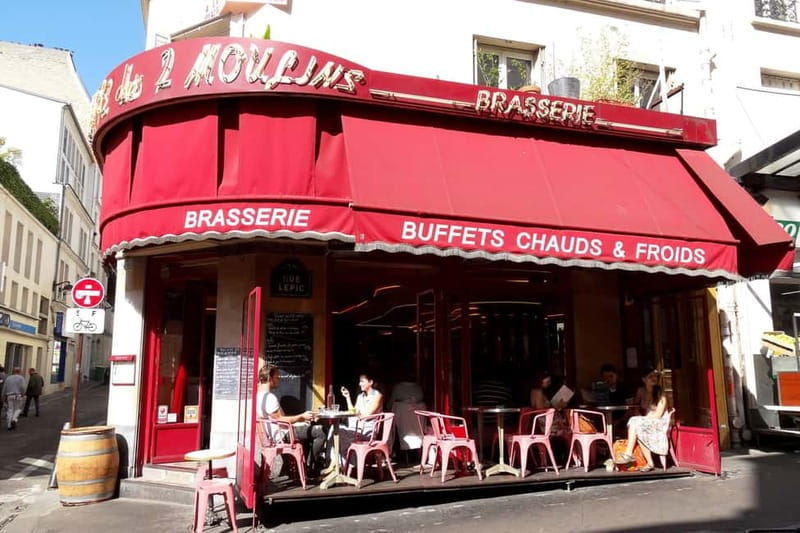
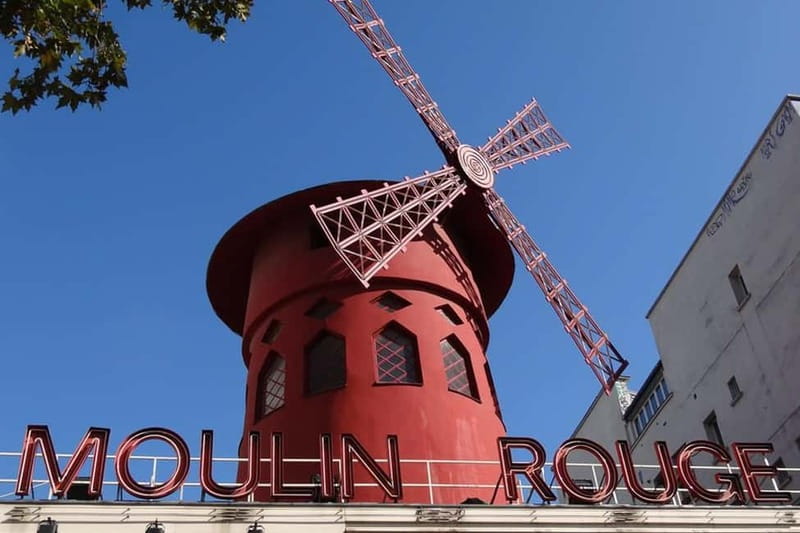
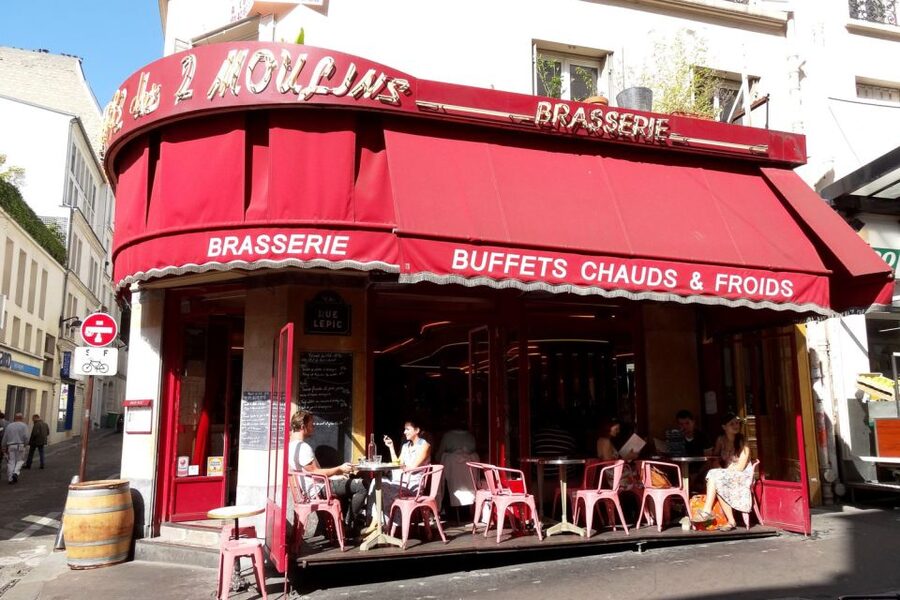
You start at Metro Blanche (Line 2), in front of Moulin Rouge. The meeting spot is the small traffic island, so you can orient quickly, then look for your guide with a HelpTourists bag.
This is a smart start for a walking tour because Moulin Rouge is loud, obvious, and easy to find. You also get a natural transition from the big, showy Paris that most visitors know, into the more layered Paris that Montmartre offers.
If you want this to feel smooth, arrive a bit early and take two minutes to check your shoes and your plan for the day. Montmartre streets are not hard in the way some hills are, but they do demand decent walking footwear if you want to enjoy the viewpoints rather than just survive the climb.
Moulin Rouge, then straight into the artists’ quarter
From Moulin Rouge, the tour moves into Montmartre, the northern quarter that became a magnet for artists around the late 1800s and early 1900s. You will hear stories about the history of the area and the creative lives tied to Montmartre.
I like this approach because it avoids treating Montmartre like a theme park. Instead, you get a sense of why these streets gathered painters and performers in the first place, and how the neighborhood’s identity grew from that creative mix.
Your guide speaks German, which is a big part of the value. Even if your German is basic, hearing names, dates, and explanations out loud helps you follow the flow. If you do not speak German well, you may still enjoy the visuals, but you will get the most out of the tour when you can track the spoken narrative.
Sacré-Cœur Basilica, a viewpoint with a backstory
Next up is Sacré-Cœur Basilica. You get to see it as more than the postcard dome. The tour frames the basilica and its surroundings in the larger Montmartre story, including how the neighborhood changed over time.
At this kind of stop, timing matters. You want to stand where you can see the city and still hear what your guide is saying. With a private format, you can usually adjust where you stop, rather than being pulled along by a group that must keep moving.
This is also where Montmartre starts to feel like a city from above. If the sky is clear, the views are one of the strongest reasons to pick this route. If the weather is grey, the stories and the atmosphere still work, because you are not just waiting for a photo moment.
Place du Tertre, where artists’ Paris is still visible
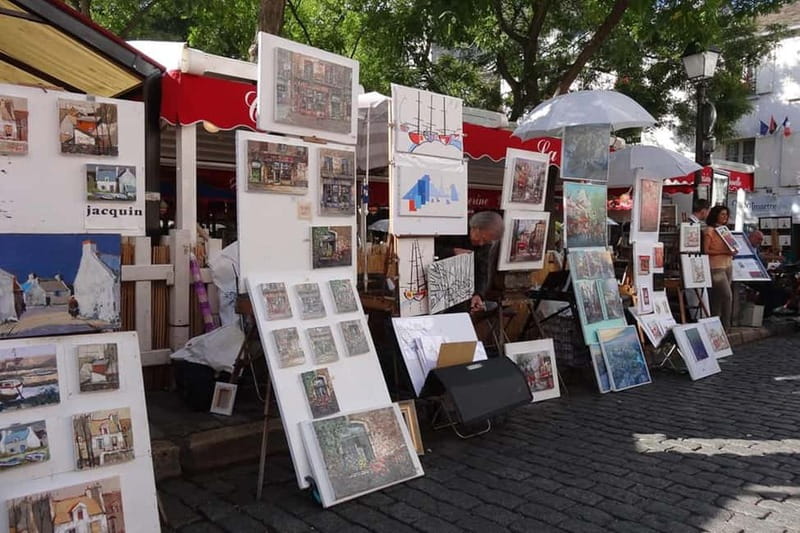
Then you move to Place du Tertre, the square that many visitors recognize immediately. The tour spends time here with insider-style context about what makes the artists’ square special.
What I like is that you are not only told that artists were there. You are guided toward noticing details around the square that connect the present scene to the neighborhood’s artistic reputation. That makes the place feel less like a performance for tourists, and more like a living continuation of what came before.
Place du Tertre can be busy, so a private tour helps. You can linger at the best angles, step back when it gets crowded, and keep the walk feeling calm rather than rushed. Bring a little patience and you will be rewarded with a more human view of the area.
Other arrondissements taken at walking pace:
- Paris Top Sights Half Day Walking Tour with a Fun Guide★ 5.0 · 2,893 reviews
- Paris Île de la Cité and Notre-Dame Walking Tour With Crypt★ 5.0 · 2,272 reviews
- Paris in a Day: Louvre or Orsay, Eiffel Tower, City Walk & Cruise★ 5.0 · 1,956 reviews
- Paris City Center Free Walking Tour (Tip-Based)★ 5.0 · 1,340 reviews
Montmartre beyond the crowds, with quiet side streets
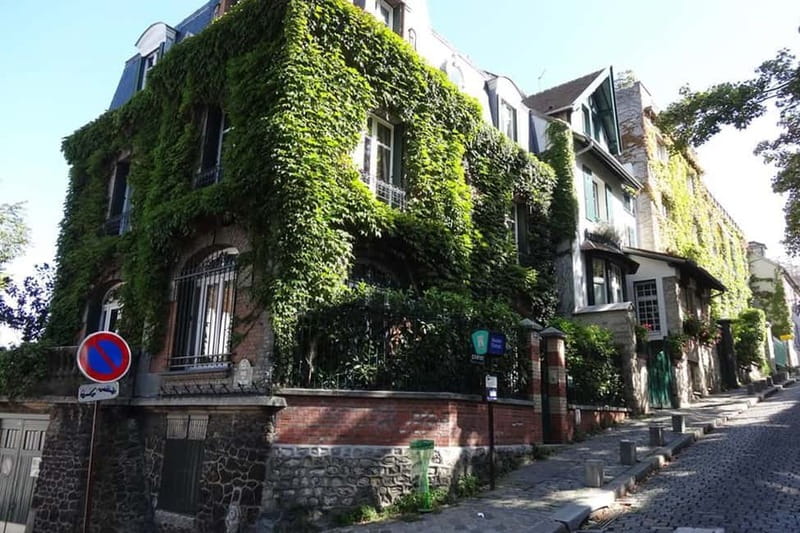
After the major sights, you shift toward the lesser known side of Montmartre. This is where you start to feel the neighborhood’s texture, not just its fame.
Your guide will take you along beautiful places away from the thickest visitor clusters. Expect photo stops and short pauses that help you see how the streets connect, and why Montmartre feels different from central Paris.
One practical tip: if you want good photos, think about shade and light. Streets can look similar in the moment, but the angle can change everything. With a private tour, you can ask your guide to point out where the view or façade is best from your exact spot.
Also, because the tour is 4 hours, your guide can keep moving without dragging you. It is long enough to cover a meaningful arc, but short enough that you still feel like you finished your day with energy left.
Grands Boulevards and the long view of Paris
Later you continue toward the Grands Boulevards, including time on some of the oldest boulevard sections in the city. These wide streets bring a different kind of energy than Montmartre, more open and more urban.
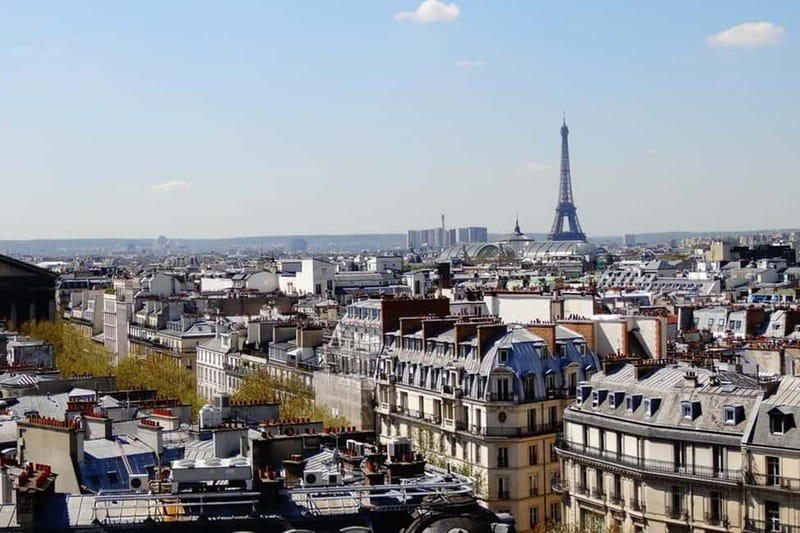
The tour includes opportunities for city views, which is important here. On big boulevards you can actually pick out where landmarks sit, and you start to understand how the city’s geography supports the way Paris looks from different neighborhoods.
If you like architecture and street-level details, this part of the walk is usually the payoff. You pass major Paris landmark areas and keep your eye on transitions, like how a view can change when you turn a corner or step onto a wider street.
If you are the type who wants structure, the boulevards segment is your anchor. It makes the whole half-day feel coherent, not like a list of disconnected stops.
Passage Jouffroy and Passage Verdeau, Paris under glass and stone
Now for one of the most memorable parts of the experience: the 19th-century passages. These covered passages are built for walking, browsing, and unexpected corners, and they feel like little worlds tucked between bigger streets.
You visit Passage Jouffroy and Passage Verdeau. You will be guided through what to look for in these passages, and how they fit into Paris street life when they were first created.
What I love about passages is the contrast. Outside, the city can feel loud and fast. Inside, you slow down because the space encourages it. You also get more forgiving light for photos, especially if you are lucky with weather.
If you want to make the most of this segment, take a moment to notice how you move. Walk with intention, look slightly up as well as straight ahead, and do not rush. This is where you get that Paris feeling that is hard to bottle in a single viewpoint.
Opéra Garnier finish, plus the Phantom connection
You end at Opéra Garnier. Along the way, you also pass Palais Garnier and learn more about the history connected to the Phantom of the Opera.
This ending works well because it gives you a dramatic finale without forcing you into an all-day museum visit. You finish at a landmark that is instantly recognizable, and your guide ties the building to the story people associate with it, so it feels less random.
One nice bonus: even if you are not planning to go inside the opera house, you still get a better sense of why it matters. The site becomes part of your Paris understanding, not just a photo stop at the end of a tour.
If you still have time after the walk, this is a good area to continue exploring. You are in a central zone with lots of transport options, so you can extend the day without complicated planning.
Price and value for a 4-hour private German walk
At $189 per person for 4 hours, this is not a budget tour. But it is also not overpriced for what you get, especially if you care about language and context.
You are paying for:
- a private walking format, meaning your guide can pace the stops for your group
- a German-speaking city guide, so you get the story in real time
- a route that combines Montmartre sights with passages and a grand finish at Opéra Garnier
Private tours are often the sweet spot when you do not want to compete with a crowd for attention. Here, you get that attention during the most information-heavy stops, places where hearing the story makes a big difference.
You also get strong value in the route design. Most Montmartre tours over-repeat the same handful of viewpoints. This one includes the 19th-century passages and the boulevards segment, so your walking day feels fuller without feeling rushed.
If you are traveling with school-age kids, note that children under 12 can join for free. That can turn the per-adult cost into a smarter deal for families.
Who this tour suits best
This is best for you if:
- you want Montmartre explained in German, not just pointed at
- you like walking neighborhoods with a story thread, artists to boulevards to passages
- you appreciate quieter details, especially the passages that most people skip
If you only want the most famous photo spots with minimal talking, you might prefer a shorter or more standard highlights tour. But if you want to walk with meaning and learn what you are looking at, this format fits.
Also, if you have a family rhythm, plan your needs with your guide early. One caution from a past booking experience: when there was a plan for a quick meal break with small children, it turned into a long sit-down stop that ate up valuable time. So if you need short breaks only, say so at the start.
Should you book? My practical take
I think you should book this tour if you want a private, German-guided Montmartre and you enjoy the in-between spaces of Paris. The combination of headline sites like Sacré-Cœur and Place du Tertre, plus the covered 19th-century passages, is a strong value mix for a 4-hour window.
You will also like it if your travel style is part sightseeing, part story time. A private guide makes the difference in how the route feels, and German narration helps you stay connected to the history instead of translating on the fly.
If you are traveling with very small kids and you are strict about meal timing, choose this tour only if you communicate your preferred pace up front. Otherwise, it can drift into a slower rhythm that you might not want.
FAQ
Is the tour only in German?
Yes. The live guide language is German.
How long is the private walking tour?
The duration is 4 hours.
Where does the tour meet?
The meeting point is Metro station Blanche (Line 2), on the small traffic island in front of Moulin Rouge. Look for your guide with a HelpTourists bag.
What does the tour include?
It includes a private guided walking tour with a German-speaking city guide.
Where does the tour end?
The tour finishes at Opéra Garnier.
How much does it cost?
The price is $189 per person.
Can children join for free?
Children younger than 12 can join the tour free of charge.
Is there free cancellation?
Free cancellation is available up to 24 hours in advance for a full refund.
Newest write-ups from Paris

Montmartre Hill Tours, compared.

Montmartre Hidden Gems and Scenic Highlights Walking Tour
Read our review →
Montmartre Hill French Gourmet Food and Wine Tasting Walking Tour
Read our review →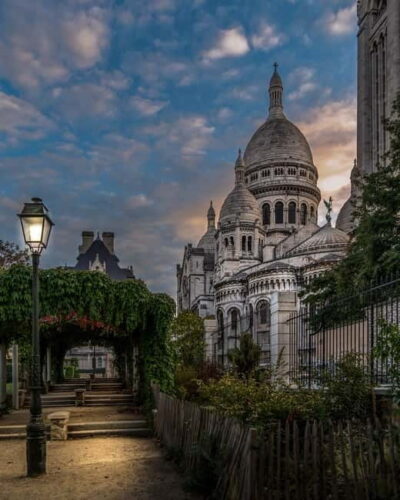
Montmartre Highlights Walking Tour with a Local Guide
Read our review →
Montmartre Cheese, Wine & Pastry Guided Walking Tour
Read our review →
Private Montmartre Food Tour with Wine, Cheese & Pastries
Read our review →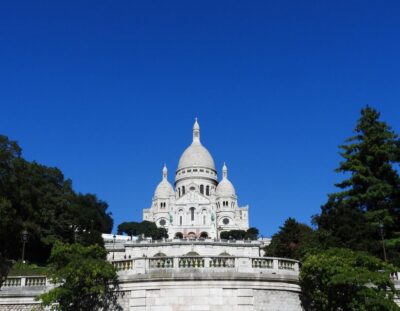
Sacré-Coeur and Montmartre Tour with Expert Guide
Read our review →
Paris Montmartre Food Tour – A Full French Meal by Do Eat Better
Read our review →Browse the lists this tour appears in