
Reviewed · LE MARAIS WALKING TOURS
Le Marais/Paris – The Historic, Trendy, Jewish, LGBT district
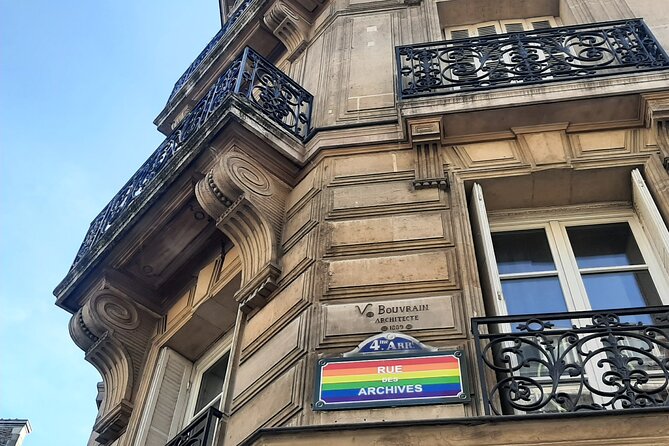
Paris hides in plain sight. This 1.5 to 2 hour Le Marais walk links Place des Vosges, the Jewish district, and LGBT Paris threads, all with a real guide and room to ask questions. You move through courtyards, gardens, and narrow streets where the architecture tells a story long before the photo spots.
I especially love how the route keeps you off the most obvious tourist tracks, then drops you into places you would not find on your own, like the quiet rhythm of the Marais and the Hotel Particuliers-style streets. I also like that you are not stuck with a script, guides such as Jill and Eric adjust to what you care about, from architecture details to Jewish and LGBT culture context.
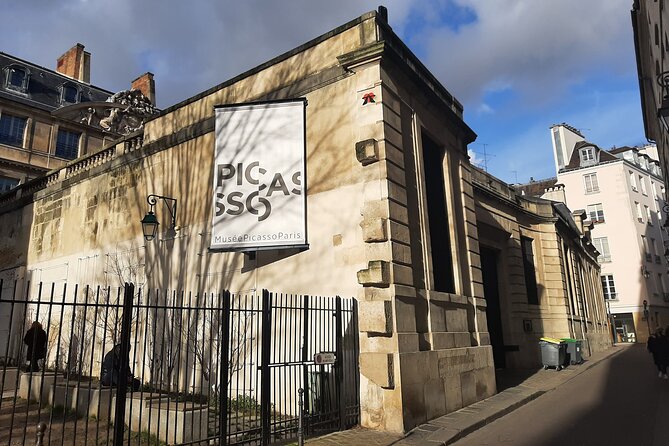
One possible drawback: it is a walking tour with no snacks or coffee included, so if you get hungry, plan ahead or you may feel it before the finish near Musée des Archives Nationales, Hôtel de Soubise.
In This Review
- Key things to know before you go
- Entering Le Marais the smart way, from Saint-Paul Saint-Louis to Hôtel de Soubise
- Stop 1: Place des Vosges and the Victor Hugo thread you cannot miss
- What to watch for at Place des Vosges
- Stop 2: Le Marais streets and Hotel Particuliers, where the architecture does the talking
- A practical note on pace here
- Stop 3: The Jewish Quarter with courtyards, gardens, and food culture
- LGBT Paris context is part of the story
- How to make the most of this stop
- Jill or Eric: why small-group guides can change the entire walk
- Price and value of about $48.39 for 2 hours of street-level storytelling
- What you should bring, and the small choices that make or break comfort
- Who this tour suits best in real life
- Should you book this Le Marais tour? My practical recommendation
- FAQ
- How long is the Le Marais walking tour?
- Is the tour offered in English?
- What is included in the ticket price?
- Where does the tour start and end?
- How many people are in the group?
- What is the cancellation policy?
Key things to know before you go
- Max 10 people means you get real interaction, not just a lecture from the back.
- A guided route through three distinct zones gives you a clean storyline of the neighborhood.
- Place des Vosges + Victor Hugo connection gives you instant historical context.
- Courtyards and gardens in the Jewish Quarter keep the walk calm and interesting.
- English tour with a mobile ticket makes last minute reconfirming easier.
- Guides like Jill and Eric tailor the pace when your interests shift.
Other walks through the Marais:
- Award-Winning Paris French Bakery Experience — Le Marais, 4th Arr
★ 4.5 · 1,186 reviews - Paris Le Marais Food Tour With 10+ Tastings, Cheese, Wine & More
★ 5.0 · 985 reviews - Paris Le Marais District Original Food and Wine Tasting Tour
★ 4.5 · 880 reviews - Paris Bike Tour Hidden Secrets in the Latin Quarter & Le Marais neighborhoods
★ 5.0 · 766 reviews
Entering Le Marais the smart way, from Saint-Paul Saint-Louis to Hôtel de Soubise
This is a point-to-point walking tour, not a loop. You start at Paroisse Saint-Paul Saint-Louis, 99 Rue Saint-Antoine, 75004, and you end at Musée des Archives Nationales, Hôtel de Soubise, 60 Rue des Francs Bourgeois, 75003. That matters because you can plan the rest of your day without guessing how you will get back across the center of Paris.
Expect about 1 hour 30 minutes to 2 hours total. It sounds short, but Le Marais is dense. In that time you cover enough ground to feel like you actually got oriented, not just ticked off a plaza or two. The tour also caps at 10 travelers, which is a big deal in Paris, because small groups move faster, ask better questions, and can step into quieter side areas when the guide knows the flow.
A mobile ticket is part of the deal, and the tour is offered in English. Confirmation is received at the time of booking, and the tour is close to public transportation. Service animals are allowed, and most travelers can participate, which makes it a solid choice if you want history plus street life without signing up for a full day.
Finally, one practical heads up: the neighborhood can be crowded. Starting at the right place at the right time helps. If you want a specific slot, I would book ahead, because on average this one is booked about 47 days in advance.
Stop 1: Place des Vosges and the Victor Hugo thread you cannot miss
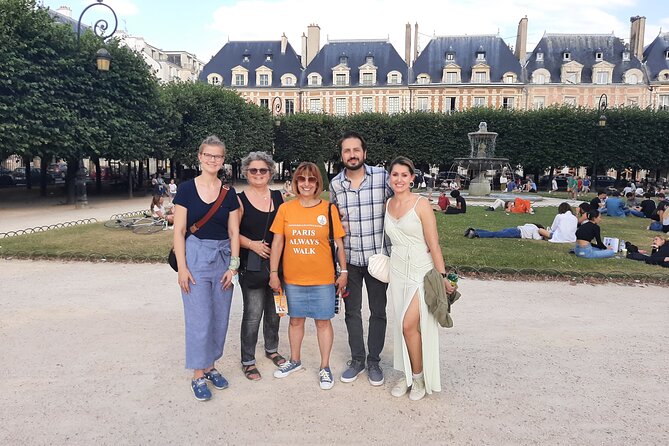
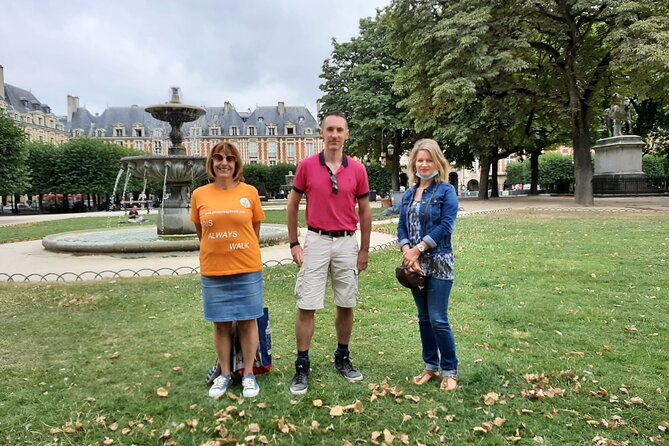
Your first stop is Place des Vosges, roughly 20 minutes with no admission ticket needed. If you have only ever seen Place des Vosges from postcards, a guided look changes it. This square is one of those rare urban spaces that feels designed, not accidental. It has the symmetry and formality of royal Paris, but the corners also create small pockets where you can slow down and really take in the buildings.
Here is what makes this stop more than a quick photo break. The square used to be Place Royale, and it connects to writer Victor Hugo, who lived and wrote in the area. Even if you do not binge French literature, that link is useful because it gives you a framework for how the neighborhood developed. You see how the city’s power and culture shaped the blocks around the square.
The setting also matters for the rest of the walk. Place des Vosges is like a reference point. Once you understand the square, the maze of lanes off it starts to make sense. The guide can then point out what to watch for as you head into the tighter streets of the Marais.
What to watch for at Place des Vosges
- Look at how the square’s layout shapes movement into side streets.
- Let the guide point out which details signal royal-era design.
- Use this stop to ask questions about what you want next: architecture, Jewish history, or LGBT Paris context.
Stop 2: Le Marais streets and Hotel Particuliers, where the architecture does the talking
Next you move into Le Marais proper for about 15 minutes (also free admission). This is where the tour starts feeling like Paris instead of a checklist. The guide focuses on the French architecture tied to aristocracy and royalty, with special attention to the way the neighborhood is built around Hotel Particuliers, those grand private urban mansions you find in old districts like this.
Why I like this section: you learn to read the city. You start noticing the rhythm of entrances, the scale of courtyards, and how side lanes can feel narrow while the buildings still have a sense of order. This is the kind of information that helps you after the tour, because you stop walking past facades like they are background scenery.
This stop also helps you understand why Le Marais became a magnet for makers and trendsetters. Big streets may get all the attention in Paris, but districts like this earn their charm through the small-scale transitions, like turning down a lane and suddenly getting a quieter courtyard view.
A handful more Paris options to weigh up
- Paris: Dark History and Ghostly Guided Walking Tour★ 4.7 · 1,000 reviews
- Paris City of Fashion History Private Guided Walking Tour★ 5.0 · 221 reviews
- History of Paris City Center w/ Notre Dame Semi-Private 12ppl Max★ 5.0 · 194 reviews
- Paris: Le Marais & Montmartre Jewish History Walking Tour★ 4.8 · 170 reviews
A practical note on pace here
Le Marais streets can be tight. If your legs are sensitive to walking, tell the guide early. In small groups, they can adjust where you linger and where you simply glance before moving on. That tailoring is a big reason this walk scores so high.
Stop 3: The Jewish Quarter with courtyards, gardens, and food culture
Your final featured area is the Marais Jewish Quarter, about 20 minutes (no ticket required). This is the section that turns the neighborhood from beautiful to meaningful. The guide leads you toward off-tourist spots, including courtyards and gardens, then connects them to the Jewish community presence in the area. You also get a clear sense of the food culture, including refined casher pastry and everyday food stores.
Even if you already know the basics about Jewish life in Paris, this part helps you place it into the geography you are walking through. Courtyards and gardens matter because they show how community life can exist behind street-facing walls. You understand that the district is not just a shopping corridor. It is also a place where people historically built spaces for daily rhythm.
LGBT Paris context is part of the story
The tour is described as covering the historic, trendy, Jewish, LGBT district of Paris, and you will hear LGBT and Jewish threads woven together while you walk the Marais. One review specifically mentioned time depth reaching back to very early centuries, plus attention to LGBT and Jewish culture and history. The takeaway for you: you are not only learning French political history or architecture. You are also getting the social layers that people carried through the decades.
The guide can point out where to look for LGBT-related context in the area, even if it is not always a single obvious monument you can spot from the street.
How to make the most of this stop
- If you are interested in culture and community, ask the guide what to look for next time you return on your own.
- Plan to use your phone camera sparingly. Courtyards and gardens look good, but you want to slow down enough to understand what you are seeing.
Jill or Eric: why small-group guides can change the entire walk
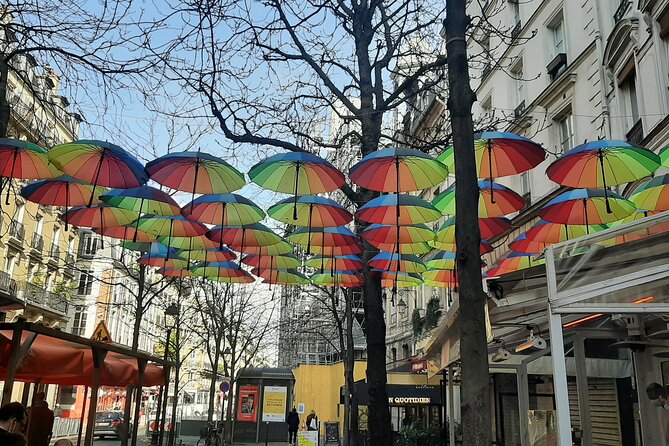
This tour is built around your guide. And the names that come up again and again are Jill and Eric, both described as high energy and very responsive. What matters is not just that the guide knows facts, it is how they use those facts.
In practice, you can expect the guide to set expectations early, then steer the route based on your interests. If you care about architecture, you will get more specifics about what to notice in buildings and plazas. If your focus is Jewish history and LGBT Paris context, the guide shifts emphasis toward those stories and the neighborhood’s development.
I also think the best sign of a good walking guide is how they handle small moments. In the feedback I saw, guides brought snacks for the group (like a Christmas cookie), made adjustments for a one-person booking, and even changed the itinerary when the group wanted more attention on the Jewish area. That is how you know the tour is not rigid.
So when you book, treat it like a conversation. If you only want highlights, say so. If you want to linger at Place des Vosges for details, tell them. The tour can move, but it is not meant to rush you through.
Price and value of about $48.39 for 2 hours of street-level storytelling
At $48.39 per person, you are not paying for admission tickets. Most stops are free, and the key included element is the tour guide. That makes the price all about interpretation and route design.
For me, this is good value because you get:
- A structured walk across three major parts of the Marais (square, neighborhood lanes, Jewish Quarter)
- A guide who can answer questions as you go
- Small group size, which helps you interact instead of just listening
If you try to do Le Marais on your own, you might spend your time searching for context that does not show on the street. The guide saves you time by pointing out what to notice, and why it matters. It also helps if you are the type who likes to understand how one Paris district connects to broader history, rather than only chasing landmarks.
If you are the type who hates walking tours, this might feel pricey for a short distance. But if you like moving at a human pace, asking questions, and learning how to read a neighborhood, it is a fair spend.
What you should bring, and the small choices that make or break comfort
This is a walking tour with no snacks or coffee included. That one detail can affect your experience. If you are sensitive to hunger or temperature, bring a small bite you can eat discreetly, or plan to stop for food right after the tour ends near Hôtel de Soubise.
Also, wear shoes that handle old sidewalks and frequent turning. The Marais is charming, but it is still Paris foot traffic and tight lanes.
For timing, plan around the tour duration. Do not schedule something that demands you immediately be in motion right at the end. The finish is at a museum building, Musée des Archives Nationales, Hôtel de Soubise, and it is a good place to continue on foot for a while if you want to keep momentum.
If weather is bad, ask the guide how they tend to handle it. You cannot predict rain, but small groups can often keep things flexible, and the best guides keep the energy up without wasting time.
Who this tour suits best in real life
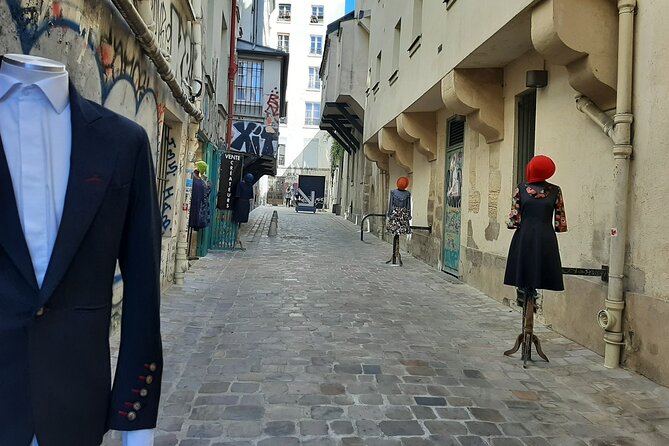
This one fits best if you want:
- A first or second visit to Paris neighborhoods, where guidance helps you get oriented fast
- A walk that mixes architecture with Jewish Quarter context and LGBT Paris threads
- A small-group format, where you can ask questions and get tailored answers
It is also a good option if you are traveling with kids or mixed ages. Several comments singled out how well guides handled families, including a 10-year-old, by keeping the story engaging while still covering history.
If you are chasing only shopping time or only trendy cafe hopping, you might prefer a food-focused tour. This walk is more about understanding the neighborhood’s layers, then letting you explore on your own afterward with better bearings.
Should you book this Le Marais tour? My practical recommendation
I would book this if you want a guided, small-group walk that gives you a map in your head, not just a handful of sights. The combination of Place des Vosges, Le Marais architecture, and the Jewish Quarter with courtyards and food culture is a smart way to understand the district. Add the LGBT Paris context, and you get a fuller picture than a standard sightseeing stroll.
Book it especially if:
- You like questions and interaction
- You care about architecture and urban design
- You want a clearer sense of how Jewish and LGBT history fits into the Marais streets
Skip it if:
- You dislike walking tours, even short ones
- You want lots of stops for food and drinks during the tour itself
- You prefer independent wandering with zero structured guidance
If you are on the fence, here is my simplest tie-breaker: if you want to return to the Marais after this and feel like you understand what you are seeing, this guide-led format is exactly the kind of shortcut you want.
FAQ
How long is the Le Marais walking tour?
It runs about 1 hour 30 minutes to 2 hours.
Is the tour offered in English?
Yes, it is offered in English.
What is included in the ticket price?
You get a tour guide. Snacks and coffee or tea are not included.
Where does the tour start and end?
You start at Paroisse Saint-Paul Saint-Louis, 99 Rue Saint-Antoine, 75004 Paris. You end at Musée des Archives Nationales, Hôtel de Soubise, 60 Rue des Francs Bourgeois, 75003 Paris.
How many people are in the group?
The tour has a maximum of 10 travelers.
What is the cancellation policy?
You can cancel for a full refund if you cancel at least 24 hours before the experience starts. If you cancel less than 24 hours before, the amount paid is not refunded.
Newest write-ups from Paris



Le Marais Walking Tours, compared.

Award-Winning Paris French Bakery Experience — Le Marais, 4th Arr
Read our review →
Paris Le Marais Food Tour With 10+ Tastings, Cheese, Wine & More
Read our review →
Paris Le Marais District Original Food and Wine Tasting Tour
Read our review →
Paris Bike Tour Hidden Secrets in the Latin Quarter & Le Marais neighborhoods
Read our review →
Paris Culinary Tour: 11 Tastings & 2 Wines in Le Marais
Read our review →

Le Marais District Food Tour with 10+ Tastings & Wine
Read our review →
Browse the lists this tour appears in