
Reviewed · LOUVRE MUSEUM TICKETS
Louvre : Tuesday Exterior Walking Tour with Guide
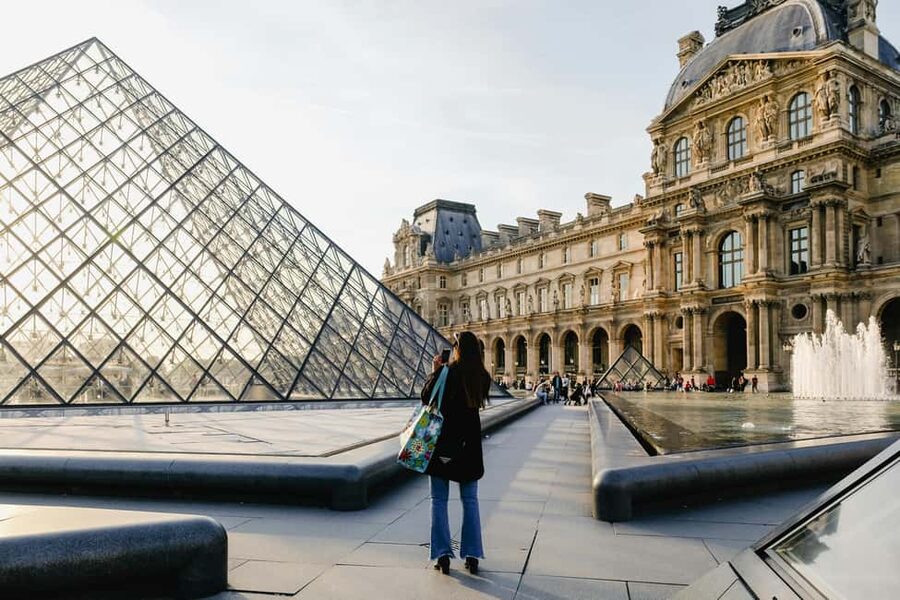
The Louvre is easier to read from outside. This Tuesday exterior tour is built for the glass pyramid, giving you great photo angles and a guided story of the palace becoming the museum. I also like how the route makes you understand the layout, not just admire random buildings. One drawback to plan for: it is outdoor only, and the Louvre is closed on Tuesday, so you will not enter galleries.
I found the focus on how the complex evolved from a fortress to a royal residence especially satisfying. You will also follow the Da Vinci Code thread in a playful, non-combative way, including how parts of the film were shot around the Louvre. If you already know the plot by heart, you might still enjoy the reframing as an art and architecture story.
Because it runs rain or shine, wear shoes you can stand in. The time is tight, too, at 90 minutes, so think of this as a fast orientation and photo-friendly primer for your next day inside.
In This Review
- Key things I would highlight before you go
- Tuesday Louvre exterior tour: why this plan makes sense
- Getting to the meet point at 162 Rue de Rivoli (and keeping the start stress low)
- Cour Napoléon: the palace courtyard that teaches the Louvre’s “why”
- Cour Carrée: classical balance, and why it still matters today
- The glass pyramid and photo stops: the easiest way to “orient” fast
- Tuileries Gardens: a calmer chapter after palace stone
- Following the Da Vinci Code thread, without getting stuck in arguments
- What you learn, and how it helps on your Louvre interior day
- Price and value: what $29 buys you on a closed-day Louvre
- Who this tour is best for
- Practical tips I would use for your own Tuesday
- Should you book the Louvre Tuesday exterior walking tour?
- FAQ
- Is this tour inside the Louvre museum?
- How long is the Louvre Tuesday exterior tour?
- Where do I meet the guide?
- What languages are available for the guided tour?
- Is the tour wheelchair accessible?
- What is the cancellation and refund policy?
Key things I would highlight before you go
- Fortress to royal palace clarity, explained while you walk the exteriors
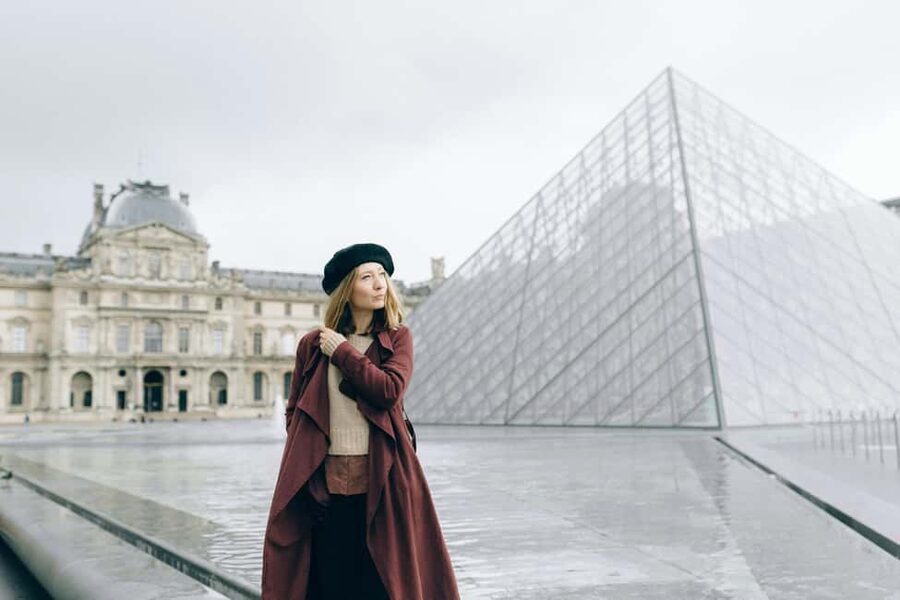
- Glass pyramid photo stops designed for clean views
- Cour Napoléon and Cour Carrée as real, walkable space, not just postcards
- Tuileries Gardens pacing that cools down the palace-stone intensity
- The Da Vinci Code angle as a light cultural guide, not a debate
- Ivan’s guide style in one booking, described as an art history lesson with passion
More routes through the Louvre:
- Paris: Louvre Guided Tour with Reserved Access & Boat Cruise
★ 4.3 · 16,353 reviews - Louvre Museum Masterpieces Guided Tour with Access
★ 4.5 · 12,023 reviews - Paris: Louvre Overview, Exploration tour and Reserved Entry
★ 4.1 · 10,145 reviews - Paris: Louvre Museum Entry Ticket With Host and River Cruise
★ 4.6 · 9,926 reviews
Tuesday Louvre exterior tour: why this plan makes sense
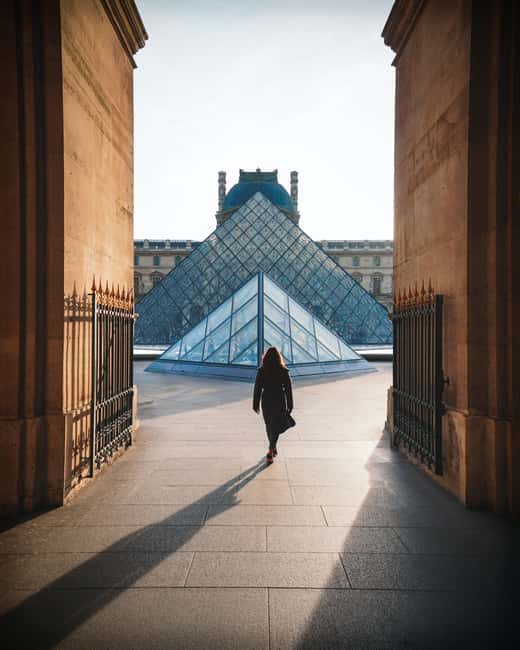
Most people think the Louvre only makes sense once you buy a timed ticket and step through the doors. That is true, but it also hides the real magic. From the outside, you can see the architecture and the big idea of the place: layers of power, renovation, and style stacked into one site.
This tour works especially well on a day the museum is closed. Since you cannot go inside on Tuesday, the experience leans into what you can do that day: understand the palace shell, locate the key spaces, and get your bearings for when you return to the galleries. I like tours that respect your time, and this one gives you a focused 90 minutes instead of pretending you can do everything in one go.
It is also good value for the money because you are paying for a live guide plus practical “what next” help. You are not just getting a walk past pretty walls. The guide adds recommendations for cafés and gardens, and tips for visiting the Louvre interior on another day.
Getting to the meet point at 162 Rue de Rivoli (and keeping the start stress low)
You meet at 162 Rue de Rivoli, 75001 Paris, at the Boutique Souvenirs. It is on the left of the foreign exchange counter, so you can use that as your visual anchor when you arrive.
This matters more than it sounds. The Louvre area is busy, and your first job is to find the group quickly so the tour starts on time. I recommend giving yourself a little buffer, especially if you are walking over from central Paris or switching from metro lines.
The tour runs in English or French, and it is live-guided. In one booking, the guide was Ivan, and the experience was described as a kind of art history course, delivered with real passion. That is the vibe to expect: not a rushed recitation, but an explanation you can actually follow while you look up at the stone.
Cour Napoléon: the palace courtyard that teaches the Louvre’s “why”
The Cour Napoléon is one of those spaces where your brain switches from looking at buildings to understanding an institution. You are moving through a courtyard that belongs to the Louvre’s royal-era thinking. It is also close enough to the main entrance area that you feel how the site was designed to be seen.
This is where the “fortress to royal residence” story clicks. The Louvre started as a fortress, then shifted roles as France’s power and tastes changed. Standing in the open space of the courtyard helps you grasp that the Louvre was never just one museum. It was a strategic complex that kept reinventing itself.
What you should do here is simple: slow down for a few minutes and match the architectural features the guide points out to the spaces you can see around you. Courtyards are visual tools. They show hierarchy, movement, and how people were meant to approach the palace.
If you are a photo person, this stop also helps you frame later shots. You will be thinking in terms of sightlines, not just monuments.
Cour Carrée: classical balance, and why it still matters today
From Cour Napoléon, you move into the Cour Carrée. This is where the Louvre’s classic, symmetrical energy becomes harder to ignore. The courtyard layout gives you a clean sense of structure, and you can see how formal design creates order, even at huge scale.
I like Cour Carrée because it is the courtyard that makes the Louvre feel like a palace again, not just a museum brand. The building language here is deliberate. Even if you never study French architecture, you can sense how designers used symmetry and scale to project authority.
This stop also supports a practical goal for your next day inside. When you walk the courtyard exteriors now, you will later recognize parts of the museum layout more easily. It reduces the “Where am I?” feeling that hits hard once you step into gallery corridors.
One small consideration: if you hate standing still, you might want to plan for short bursts. Courtyard storytelling often means you pause to see the same façade from different angles. That is part of the point, but it helps to go in with patient feet.
Other arrondissements taken at walking pace:
- Paris Top Sights Half Day Walking Tour with a Fun Guide★ 5.0 · 2,893 reviews
- Montmartre Hidden Gems and Scenic Highlights Walking Tour★ 5.0 · 2,684 reviews
- Montmartre Hill French Gourmet Food and Wine Tasting Walking Tour★ 5.0 · 2,588 reviews
- Paris: Montmartre Highlights Walking Tour with a Local Guide★ 4.9 · 2,318 reviews
The glass pyramid and photo stops: the easiest way to “orient” fast
Since it opened in 1989, the Louvre pyramid has become the main entry point for millions of visitors. The tour is built around that reality, and it makes the pyramid feel less like a logo and more like a piece of museum infrastructure with a strong visual impact.
You are guided to admire the glass pyramid and the surrounding architecture. One of the highlights is that you get unobstructed photo opportunities of this iconic monument. Translation: you are not just hearing about it, you are actually positioned for the shot.
If you care about photos, here are the best habits to use on this part:
- Take one wide shot first, then one tighter shot of architectural details.
- Try a couple angles from different sides of the courtyard area, since the glass catches light differently as you move.
- Give yourself time to let your eyes adjust. The pyramid is easy to photograph badly if you treat it like a normal building.
The payoff is that your pyramid shots will feel connected to the place around them. You will not only have images, you will have context.
Tuileries Gardens: a calmer chapter after palace stone
After courtyards and façades, the Tuileries Gardens bring you back to human scale. This is not just scenery. Gardens act like pacing between monumental architecture. They also help you see the Louvre as a component of a larger Paris landscape.
The tour route includes the Tuileries Gardens, which is great if you want your Louvre day to feel less like standing in a crowd and more like learning outdoors. Even if you are visiting in peak season, this kind of segment tends to feel more breathable than indoor lines.
I also like that gardens give you a natural moment to reset your brain. In 90 minutes, you can only absorb so much. The gardens help you store the “main ideas” so they do not evaporate once you leave.
If you are thinking ahead to a future interior visit, the gardens offer a mental map. You will remember which direction you were heading, and that makes it easier to plan your museum routes without constantly checking your phone.
Following the Da Vinci Code thread, without getting stuck in arguments
The tour has an alternative storytelling angle based on The Da Vinci Code. It connects the site to the film production and uses themes from the novel and movie to frame art, symbolism, and the way famous collections are discussed.
This is not presented as a debate. The goal is to re-frame key themes and correct some of the exaggerated interpretations people bring in from the movie and book. If you have read the story or seen the film, you will recognize the different parts the tour plays with. If you have not, you can still follow along because the real backbone is art and architecture.
I like this approach because it does two useful things at once. First, it keeps the walk lively. Second, it helps you move from plot points to visual literacy. You start noticing patterns, materials, and design choices rather than only chasing celebrity scenes.
One thing to keep in mind: this is an exterior walk, and the tour is not a substitute for reading wall labels inside the galleries. Think of it as a bridge. It gets you interested and oriented, then you verify and expand when you return for interior time.
What you learn, and how it helps on your Louvre interior day
On this tour, you cover the Louvre’s evolution, you see major courtyards, and you spend time at the pyramid and classical architectural areas. That combination matters because the Louvre interior can feel like a maze if you do not anchor it first.
Here is how this exterior prep tends to pay off:
- You can recognize the pyramid area when you arrive inside, which helps you orient immediately.
- You understand courtyards and palace layout, so galleries feel connected rather than random rooms.
- The Da Vinci Code framing gives you a starting lens for thinking about artworks and themes.
You also get practical add-ons. The tour includes recommendations for cafés and gardens, plus tips for visiting the Louvre interior on another day. That is a real benefit, especially if you only have one full museum day. The guide can point you toward a plan that fits how you actually travel.
I also appreciate that this is a Tuesday plan. If your schedule forces you into a closed-day scenario, you still get a structured, guided experience instead of walking the grounds alone with a half-formed idea of what you are seeing.
Price and value: what $29 buys you on a closed-day Louvre
At $29 per person for 90 minutes, you are paying for a guided story, not museum access. That sounds obvious, but it is the key to judging value.
If you are already going inside on another day, this price buys you:
- A live expert guide
- A guided walking tour focused on exterior highlights
- Tips and recommendations that help your next day go smoother
If you were paying $29 and expecting entrance tickets, you would feel disappointed. But if you treat it as a smart orientation and photo-friendly prequel, it feels fair. In a place like the Louvre, learning the structure first saves time later.
It is also multilingual, with the tour offered in English or French. One booking included Spanish, delivered by Ivan, which suggests the guide team can be flexible. Still, you should plan based on the language options listed when you book.
Who this tour is best for
This tour is a strong match if you:
- Are visiting on a Tuesday and want something structured anyway
- Want good glass pyramid and courtyard photo opportunities
- Like guided stories that connect art, architecture, and pop culture
- Prefer walking with clear stops over wandering alone
It is also a great “warm up” if this is your first Louvre trip. You will get a palace-to-museum story before you tackle the galleries.
If you hate crowds but are fine outdoors, this can be a calmer option than what you might find inside on open days. If you want only inside time, though, you will need to plan a separate museum visit.
Practical tips I would use for your own Tuesday
The tour is outdoors only and runs rain or shine, so dress like you mean it. Bring a light rain layer if weather looks uncertain, and wear shoes you can handle on Paris pavement.
Also, give yourself time in your day for photos. The highlight promises unobstructed pyramid views, but good photos take a minute or two. If you rush, you will miss the best angles.
Finally, think about follow-through. The tour is designed as prep for an interior visit. If you can, book your museum day for a different day when the Louvre is open, so you can turn all that exterior context into actual gallery time.
Should you book the Louvre Tuesday exterior walking tour?
I’d book it if your schedule includes Tuesday and you still want a guided Louvre experience. It is a smart way to make a closed day useful, and the courtyard and pyramid focus gives you both context and photos.
I’d skip it if you are only willing to pay for museum entry, or if you want to spend your limited time inside rather than outside. In that case, put your money toward a full Louvre interior visit on an open day.
If you do book, plan to treat it as orientation plus storytelling. Then, when you return inside, you will navigate with more confidence, not just awe.
FAQ
Is this tour inside the Louvre museum?
No. It is an outdoor tour only. The Louvre is closed on Tuesday, so this experience does not include entry to galleries.
How long is the Louvre Tuesday exterior tour?
The duration is 90 minutes.
Where do I meet the guide?
You meet at 162 Rue de Rivoli, 75001 Paris, at the Boutique Souvenirs on the left of the foreign exchange counter.
What languages are available for the guided tour?
The tour is offered with a live guide in English and French.
Is the tour wheelchair accessible?
Yes, the experience is wheelchair accessible.
What is the cancellation and refund policy?
You can cancel up to 24 hours in advance for a full refund. You can also reserve now and pay later to keep plans flexible.
Newest write-ups from Paris





Louvre Museum Tickets, compared.

Louvre Guided Tour with Reserved Access & Boat Cruise
Read our review →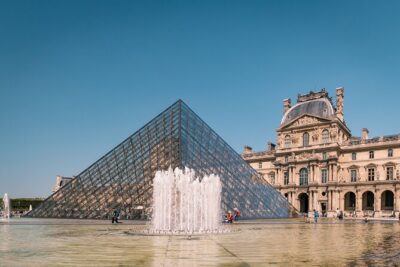
Louvre Museum Masterpieces Guided Tour with Access
Read our review →
Louvre Overview, Exploration tour and Reserved Entry
Read our review →
Louvre Museum Entry Ticket With Host and River Cruise
Read our review →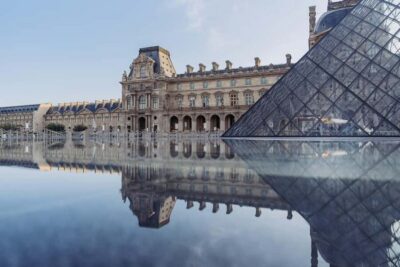
Mona Lisa & Louvre Masterpieces Tour with Reserved Access
Read our review →
Louvre Museum – Exclusive Guided Tour (Entry Included)
Read our review →
Louvre Museum Hosted Entry and Mona Lisa Audioguide
Read our review →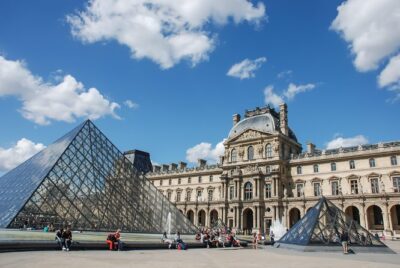
Louvre Access with Mona Lisa Escort or Guided Option
Read our review →Browse the lists this tour appears in