
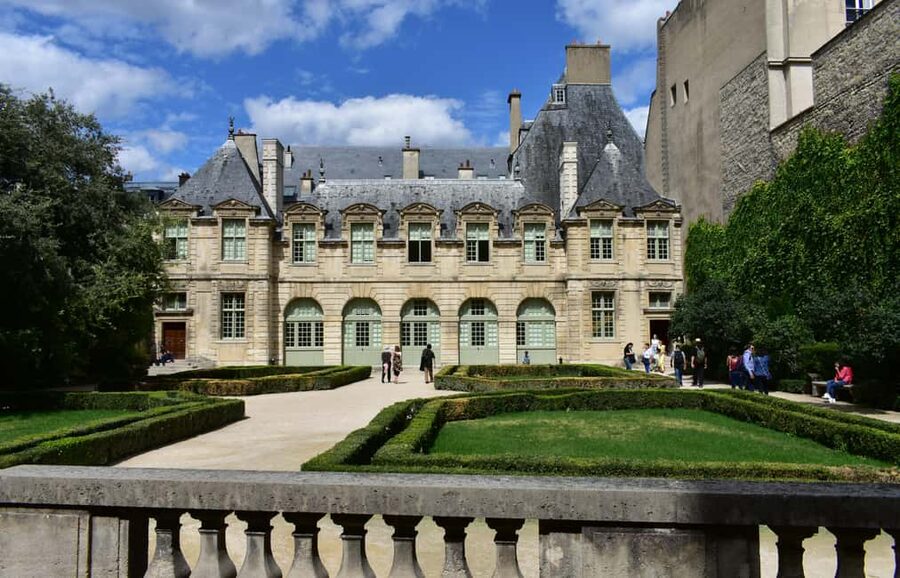
Reviewed · LE MARAIS WALKING TOURS
Marais: Discover the Medieval Heart of Paris
The Marais tells stories in every doorway. I love starting at Place des Vosges, with its oldest-square feel, and I love the Rue des Rosiers street food stop that connects you to Jewish life. This tour also threads in Victor Hugo and the kind of hidden corners you would miss on your own.
What really makes it work is the professional local guide who can connect buildings to people. On this route, you may get guides like Max, energetic and quick with big-picture context, or Sacha, who can answer questions and spot secret gardens even on a gray day. Even in rain and cold, Malakas has a knack for keeping the story moving.
One drawback to plan for: it is a 150-minute walk with multiple stops, so pack for comfort. Wear comfortable shoes, and bring what you need for weather, including water and an umbrella.
In This Review
- Key things to look forward to
- Marais in 150 Minutes: Medieval Spine, Modern Pulse
- Meeting at Bastille, then walking your way into the old town
- Place des Vosges and the medieval streets that still follow the old plan
- Maison de Victor Hugo: France’s iconic writer, in a real apartment
- Hôtel de Sully and the mansions where power used to live
- Rue des Rosiers and synagogues, from oldest to Art Deco
- Masonic temples, secret stops, and hidden spaces you cannot find casually
- Modern Marais: UNIQLO, Picasso Museum, National Archives garden, and Pompidou views
- Price and value: why $50 for 150 minutes can be a smart deal
- Should you book this Marais tour?
- FAQ
- How long is the Marais tour?
- Where does the tour start?
- What metro lines can I use to reach the meeting point?
- What is included in the price?
- What languages is the tour offered in?
- What should I bring?
- Is the tour focused on medieval Paris?
- Does the tour include any food stop?
- What is the cancellation policy?
- Can I book without paying right away?
Key things to look forward to
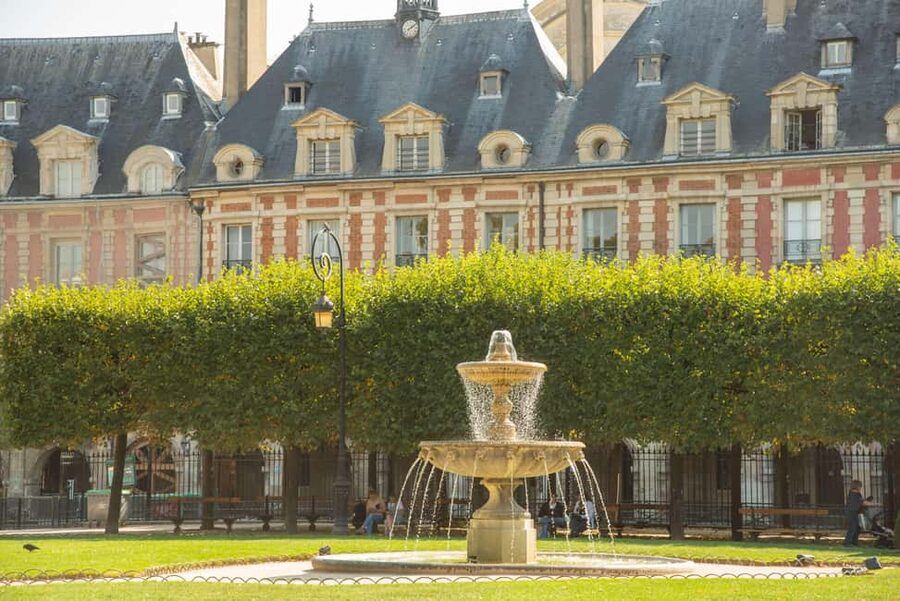
- Templar drainage origins, a swamp drained in the 13th century that shaped the whole quarter
- Old Paris to modern Marais, from medieval squares and mansions to designer streets and nightlife energy
- Jewish landmarks, including the oldest synagogue in Paris and an Art Deco synagogue
- Secret stops inside the neighborhood, photo moments and hidden spaces you would not find casually
- Victor Hugo’s flat, a real place tied to France’s best-known writer
- Street food in Rue des Rosiers, with classic picks like falafel and Hanukkah sweets mentioned on the route
Other walks through the Marais:
- Award-Winning Paris French Bakery Experience — Le Marais, 4th Arr
★ 4.5 · 1,186 reviews - Paris Le Marais Food Tour With 10+ Tastings, Cheese, Wine & More
★ 5.0 · 985 reviews - Paris Le Marais District Original Food and Wine Tasting Tour
★ 4.5 · 880 reviews - Paris Bike Tour Hidden Secrets in the Latin Quarter & Le Marais neighborhoods
★ 5.0 · 766 reviews
Marais in 150 Minutes: Medieval Spine, Modern Pulse
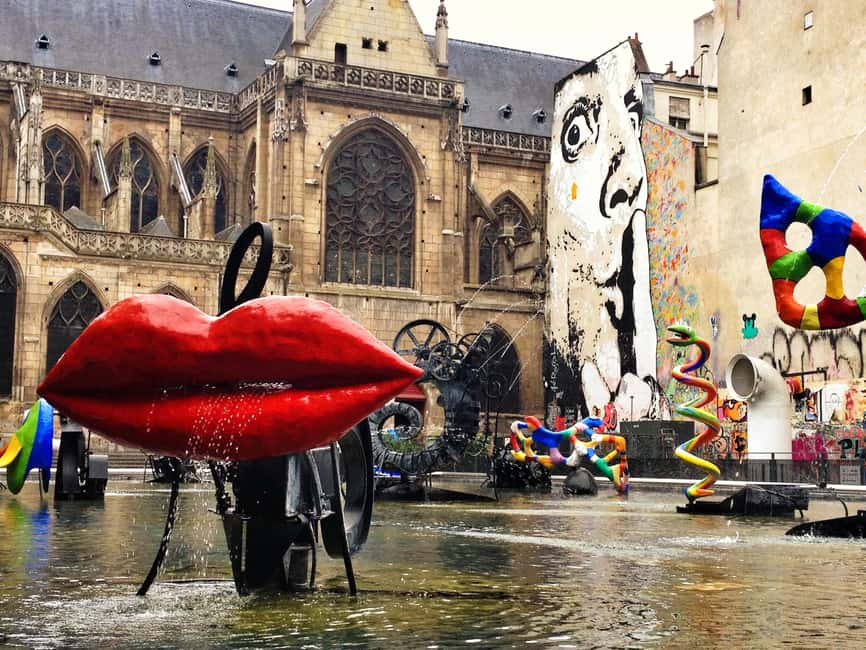
The Marais is one of the only parts of Paris where you can still feel the old medieval layout while shopping feels entirely modern. That blend is the point of this tour. You start with foundations and street plans, then you move into courtyards, mansions, synagogues, and designer shopping blocks without it feeling like whiplash.
You’ll also get a clear sense of why the area has always been a magnet for different communities. The tour frames the quarter as a meeting place, with Jewish life, LGBT history and spaces, and creative fashion and design showing up side by side. Even if you only know the Marais as a day-trip shopping area, this route helps you see it as a neighborhood with layers, not just postcards.
The time is tight in a good way. One hour and change is enough to get your bearings fast, then keep your afternoon open for browsing on your own. If you’re the type who likes structure, this will feel satisfying. If you hate walking, consider that this is built around multiple sites and short guided stops.
Meeting at Bastille, then walking your way into the old town
The tour meets at 3bis Pl. de la Bastille, near the metro Bastille at exit 7 (sortie 79). The guide waits with a sign that says My Super Tour at the station exit. It helps to arrive a few minutes early, so you are not hunting the meeting spot when you are already ready to start.
From there, you do an easy walk to the first main stop around Rue des Tournelles. After that, the day rhythm is simple: walk, look, listen, short photo pauses, and a couple of longer visits.
Practical note: this is Paris, so expect changing weather. The info specifically calls out bringing water and using an umbrella for security. In other words, plan for the kind of rain that turns sidewalks into ice-slick surprises. And yes, you will walk enough that comfort matters more than style.
Place des Vosges and the medieval streets that still follow the old plan
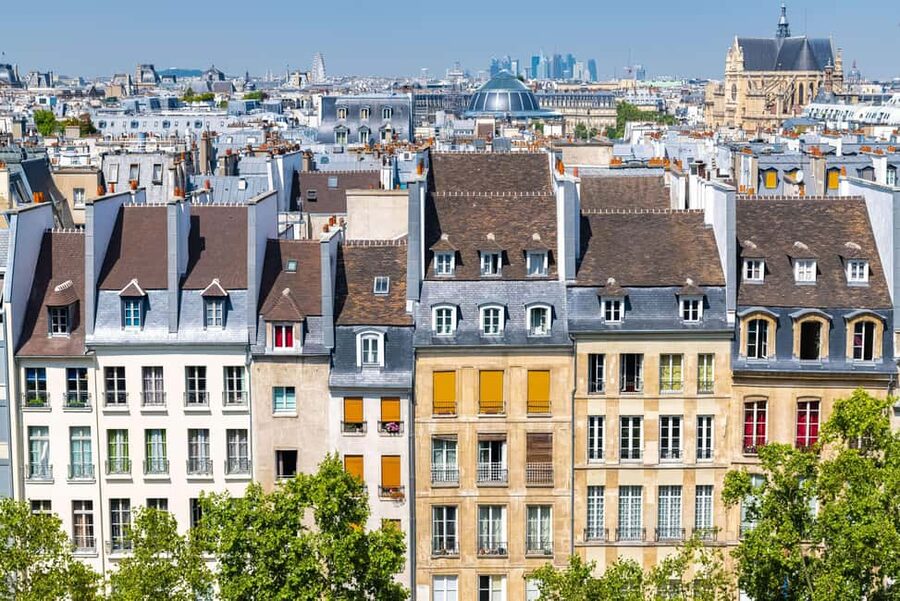
One of the best ways to understand the Marais is to start with its anchor. Place des Vosges is not just a pretty square, it is also your time machine. The tour treats it as a turning point, a place where the old quarter feels organized and intentional rather than random.
From there, you trace the medieval story underneath the streets. The tour’s big origin line is the 13th-century drainage of a swamp linked to the Templar Knights. It’s a reminder that the city you see now was not always dry, orderly, and built up. That context changes how you interpret everything after, especially the scale of the mansions and the tightness of the streets.
You’ll also hear how the neighborhood developed into a place for noble inhabitants during the 14th and 15th centuries. That matters because the Marais does not feel like a single era. It feels like people kept adapting the same physical space, generation after generation, while the neighborhood’s bones stayed in place.
If you like architecture and urban history, you’ll enjoy the way the tour gives meaning to what you are looking at. If you mostly care about food and shopping, you can still follow the story, then shift your attention when it reaches the Rue des Rosiers stops.
Maison de Victor Hugo: France’s iconic writer, in a real apartment
At Maison de Victor Hugo, the tour connects the Marais to one of the country’s most famous literary names. This is a guided visit stop, and it’s designed to make Victor Hugo feel specific, not just like a schoolbook. You are not only hearing about him as an author, you’re getting that sense of place that makes famous figures feel human.
The value here is simple: it turns the Marais from a pretty district into a lived-in one. Once you see a writer’s home base in context, the rest of the tour clicks. You start noticing how the quarter historically attracted power, art, and big personalities.
There’s also a practical benefit. A stop like this is a breather inside a walk-heavy itinerary. You’re still sightseeing, but the environment gives you a chance to slow down and look at details instead of just scanning storefronts.
If this one is booked out, Paris has these too:
- Paris: 1-Hour Seine Cruise departing from the Eiffel Tower★ 4.4 · 77,472 reviews
- Disneyland® Paris 1-Day Ticket★ 4.6 · 49,412 reviews
- Paris: Versailles Palace and Gardens Full Access Ticket★ 4.6 · 41,579 reviews
- Paris: Arc de Triomphe Rooftop Tickets★ 4.6 · 34,264 reviews
Hôtel de Sully and the mansions where power used to live
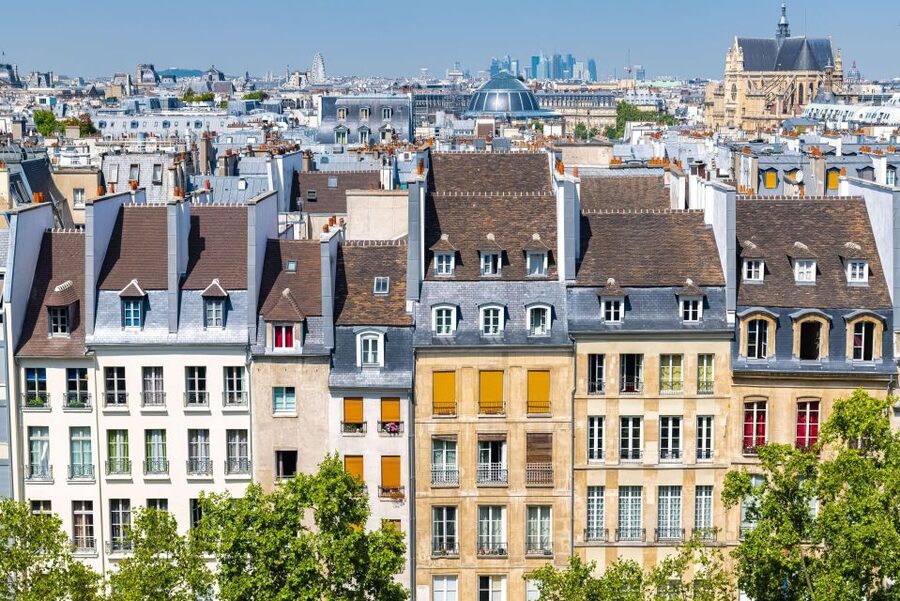
Next you shift into the world of grand Paris. Hôtel de Sully is another guided visit and photo stop, and it supports the tour’s theme of aristocratic presence. This is the Marais as a seat of authority, not just a place where artists and boutiques now flourish.
The tour also frames how these opulent mansions once hosted different kinds of influential figures, including royal ministers and courtesans, plus French aristocrats. That’s one of the more interesting ideas in the route: it’s not only a straight line of winners and nobles. It includes the people who were close enough to power to profit from it, even if their status was complicated.
As you move along, you’ll also pass addresses that feel small on the map but huge in atmosphere, like 99 Rue Saint-Antoine and later 30 Rue Sainte-Croix de la Bretonnerie. Those are the kinds of streets where the vibe changes by block, and the guide helps you see why.
One consideration: if you prefer a museum-heavy day, remember this is still a street tour. Some stops are visits, others are photo stops. You’re getting a guided story, not a full day of ticketed sightseeing.
Rue des Rosiers and synagogues, from oldest to Art Deco
This is the part of the tour that gives the Marais its local soul. Rue des Rosiers is where the quarter shows its Jewish character in everyday life. The route includes street food and guided explanation, plus time to look around as the guide points out key gathering spots.
The tour highlights classic foods and sweets you’ll associate with Jewish traditions, including falafel, hamantaschen, and Hanukkah jelly donuts. Even if you do not buy anything, the walk teaches you where people actually go, what the storefronts signal, and how the neighborhood supports community life.
You also get synagogue-focused history, including the oldest synagogue in Paris and the only Art Deco synagogue in the city. That combination is smart storytelling. Instead of treating religious landmarks as static monuments, the tour shows how the community’s identity has been expressed through architecture styles over time.
If you care about the overlap between religion, culture, and modern city life, this section is a win. It also helps you understand why the Marais is sometimes called a melting pot, because you’re seeing more than one layer of identity at work.
Masonic temples, secret stops, and hidden spaces you cannot find casually
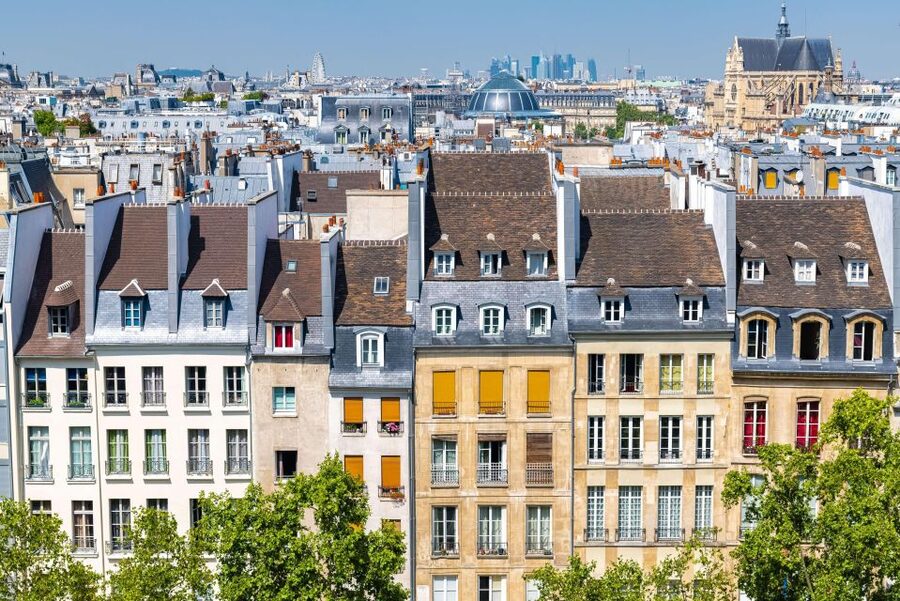
A big reason to book a guided walk here is the access. The tour includes a secret stop designed as a photo moment plus guided context, and it also points out enigmatic Masonic temples and lodges tied to the area’s past.
This is where the Marais becomes fun, not just educational. Paris is full of historic buildings, but many are hard to interpret without a guide who knows what to notice. Here, you are getting cues about what matters, what’s symbolic, and why certain hidden spaces were built into the neighborhood’s fabric.
You’ll also visit Halle des Blancs Manteaux, which the tour treats as another clue in the puzzle. Markets and covered gathering areas are often where neighborhoods reveal how they function day to day. Even if you only spend a few minutes here, it gives you that neighborhood texture that photos alone will never do.
And because the guide is local, you get the kind of small directional help that saves time. The point is not just to see places. The point is to make the street plan stick in your mind, so your next hour of wandering feels easier.
Modern Marais: UNIQLO, Picasso Museum, National Archives garden, and Pompidou views
After the medieval core and Jewish landmarks, the tour shifts to modern Paris, while still staying in the same neighborhood. That transition is one of the most practical parts of the experience, because it shows you how to move from sightseeing mode to shopping and nightlife mode without having to change districts.
You’ll pass UNIQLO LE MARAIS as a straightforward stop on the modern side, plus a guided visit to Picasso Museum Paris. Whether you are a die-hard Picasso fan or just want a taste, it’s a nice pivot after the older streets. It keeps the afternoon from turning into only architecture and religious sites.
There’s also a photo stop and guided tour connection around the National Archives Garden. A garden pause matters because it gives you breathing space from the dense street layout. It also reinforces a theme some guides highlight, that Paris has small pockets of calm if you know where to look.
The route ends with a Centre Pompidou photo stop and more walking toward 30 Rue Sainte-Croix de la Bretonnerie, where you get a visit, guided tour, and shopping time. This is the Marais as a contemporary playground, with design stores and nightlife energy tied closely to LGBT community life.
One small practical tip: if you want to shop seriously, bring a short list in your head. Otherwise, the modern streets can chew up time fast after the structured tour ends.
Price and value: why $50 for 150 minutes can be a smart deal
At $50 per person for 150 minutes, the best value is not the individual sites. It’s the way the guide strings them together into a story you can remember. You’re paying for context, pacing, and access to hidden spaces.
Here’s what you get that’s hard to replicate on your own:
- A guided explanation that connects medieval origins, noble mansions, and later religious architecture
- Synagogue stops framed by both age and style, including the oldest synagogue and the Art Deco one
- Secret and hidden stops that are unlikely to appear in casual wandering
- A route that intentionally blends Jewish, LGBT, and modern designer Marais life into one flow
Also, guided touring saves time. In a district like the Marais, you can easily spend 30 to 45 minutes just figuring out where you are and what’s worth your attention. This itinerary keeps you moving with structure, so you spend your time looking at the good stuff.
If you are the type who loves doing everything yourself, you can still explore the Marais without a guide. But if you want the deeper connections, this price feels reasonable for a focused 150-minute window.
Should you book this Marais tour?
Book it if you want a guided walk that covers more than the usual highlights. This one is built to show how the oldest medieval Paris quarter and the modern Marais overlap in the same streets. You’ll get Victor Hugo, synagogues, Place des Vosges, mansions like Hôtel de Sully, plus secret stops and Masonic sites. That combination is hard to assemble alone in one efficient outing.
Skip it if you dislike walking and prefer long, independent museum time. This is not a slow sit-and-stare day. It’s a structured neighborhood tour where you move often and keep your eyes on what the guide is pointing out.
If you book, do two things to get the most out of it: wear comfortable shoes, and come ready to ask questions. Guides like Max and Sacha tend to respond well when you engage, and you’ll leave with a clearer sense of how the Marais works as a real living neighborhood, not just a pretty postcard zone.
FAQ
How long is the Marais tour?
The tour lasts 150 minutes.
Where does the tour start?
The meeting point is 3bis Pl. de la Bastille. The guide waits with a My Super Tour sign at the exit of the metro station Bastille, exit 7 (sortie 79).
What metro lines can I use to reach the meeting point?
Metro station Bastille can be reached by line 1, 5, and 8.
What is included in the price?
The tour includes an experienced professional local guide.
What languages is the tour offered in?
The live tour guide is available in English and Russian.
What should I bring?
Bring comfortable shoes, and also bring water. An umbrella is recommended for security.
Is the tour focused on medieval Paris?
Yes, it highlights the medieval origins of the Marais, including the 13th-century drainage story linked to the Templar Knights, along with medieval architecture and mansions.
Does the tour include any food stop?
Yes, the route includes a street food stop in Rue des Rosiers, and the tour mentions options like falafel and traditional Hanukkah sweets.
What is the cancellation policy?
Free cancellation is available up to 24 hours in advance for a full refund.
Can I book without paying right away?
Yes, there is reserve now & pay later, meaning you can book and pay nothing today.
Newest write-ups from Paris





Le Marais Walking Tours, compared.

Award-Winning Paris French Bakery Experience — Le Marais, 4th Arr
Read our review →
Paris Le Marais Food Tour With 10+ Tastings, Cheese, Wine & More
Read our review →
Paris Le Marais District Original Food and Wine Tasting Tour
Read our review →
Paris Bike Tour Hidden Secrets in the Latin Quarter & Le Marais neighborhoods
Read our review →
Paris Culinary Tour: 11 Tastings & 2 Wines in Le Marais
Read our review →

Le Marais District Food Tour with 10+ Tastings & Wine
Read our review →
Browse the lists this tour appears in