
Reviewed · PASTRY AND MACARON CLASSES
Paris: Baguette and French Breads Class
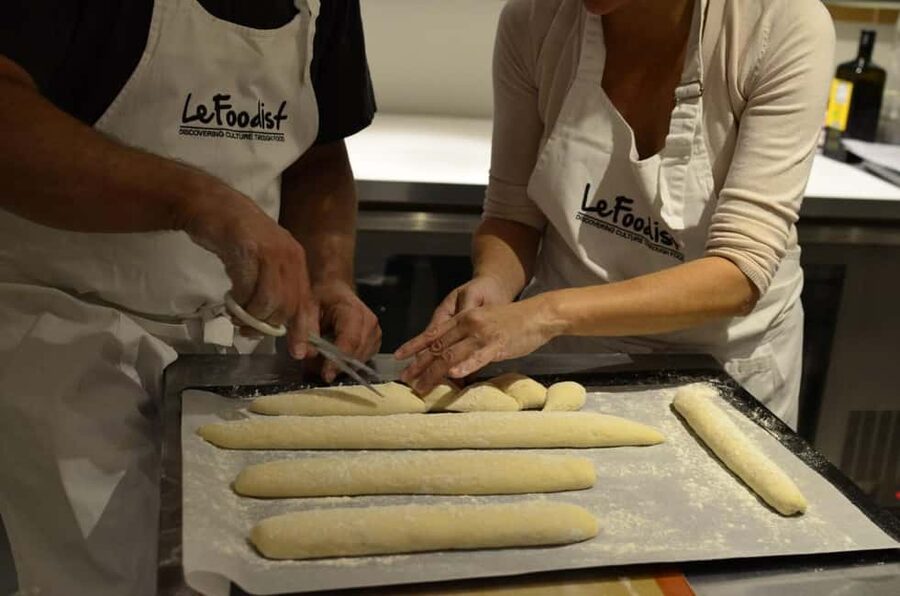
Fresh bread, serious technique, Paris style. In this 4-hour Paris bread class, I like that you go beyond eating and actually make baguette and French breads step by step with an English-speaking teacher, often including instructor Florence.
I especially enjoy starting from scratch with the four basics: flour, water, salt, and yeast, then learning how small decisions change the dough. You also get to shape, proof, and bake in one go, then leave with a bag full of your own results.
One possible drawback to keep in mind: even though the class is hands-on, you might wish for more direct time seeing specific dough mixing, the oven action, and clearer bake labeling for each pair, based on notes from past students.
In This Review
- Quick highlights that matter
- Why Bake Bread in Paris, Instead of Just Eating It
- The Core Lesson: Flour, Water, Salt, Yeast
- Mixing Dough Like a Parisian: Texture Clues You Can Reuse
- Proofing, Deflating, and Shaping: Where Bread Becomes Bread
- The “Sign” Step: Making Bread Look Like It Belongs in France
- Baking Skills: Temperature, Time, and Humidity
- Tasting Like a Local: Cheese, Jam, Wine, and Pain Perdu
- The Value Question: Is $175 for 4 Hours Fair?
- Small Group Energy: What the 8-Person Limit Changes
- Who Should Book This Paris Bread Class
- Should You Book It?
- FAQ
- How long is the Paris Baguette and French Breads class?
- Is the instructor teaching in English?
- How many people are in the group?
- What breads will we make or work with?
- Do I take bread home at the end?
- Can I get a refund if I cancel?
Quick highlights that matter
- Small group, limited to 8: more attention, less waiting, better pace for hands-on work
- English instruction: taught clearly for home bakers who want real technique
- You learn the full bread rhythm: mix, proof, shape, sign, bake, taste
- Technique focus by bread type: baguette tension and brioche rolling both get specific attention
- You take bread home: a bag of creations for sharing, or keeping for a later picnic
- Tasting with simple French pairings: butter, cheese, jam, and even wine in the wrap-up
Other kitchens for macarons and pastry:
- Paris: Montmartre Cheese, Wine & Pastry Guided Walking Tour
★ 4.8 · 2,255 reviews - Paris: Macaron Class at Galeries Lafayette
★ 4.2 · 1,196 reviews - Award-Winning Paris French Bakery Experience — Le Marais, 4th Arr
★ 4.5 · 1,186 reviews - Private Montmartre Food Tour with Wine, Cheese & Pastries
★ 5.0 · 1,027 reviews
Why Bake Bread in Paris, Instead of Just Eating It
Paris bread culture is built on tiny details. This class helps you understand those details in a way that a bakery stop never can, because you feel the dough change under your hands. Instead of chasing the look of a perfect baguette, you learn why it turns out that way.
I like that the experience is practical. You measure, mix, proof, shape, and bake within a single session. You also taste your own breads with toppings that fit French eating habits, so you leave with both skills and a “how to eat it” mindset.
The Core Lesson: Flour, Water, Salt, Yeast
You start with four ingredients: flour, water, salt, yeast. This part sounds basic, but it matters because it sets the ceiling for everything that comes after. Once those ingredients are correct, you can tweak fat with a little butter or a little oil and still get consistent results.
Here’s what you should pay attention to during the measuring and mixing phase. Dough is not just a doughy blob. It is a living system that responds to hydration, mixing effort, and timing. If you keep that in your head, the rest of the class becomes easier to follow.
This is also where technique beats guesswork. The instructor guides you through what to look for while mixing. You learn do’s and don’ts, like what changes when the dough is under-mixed or over-handled, and why your next step depends on how the dough looks and feels.
Mixing Dough Like a Parisian: Texture Clues You Can Reuse
After you measure, you mix your doughs first. The class doesn’t treat mixing like a throwaway step. It’s the moment where you start training your eyes and hands.
In a small group, you can actually see what different doughs look like as they come together. That helps if you bake at home later, because you’ll recognize the same visual cues again. One student note also pointed out that you might want to see even more of the dough mixing and ingredient weigh-ins directly, so it’s worth showing up ready to watch closely and ask questions.
Even with that minor concern, the structure is solid. You mix doughs, learn what to aim for, then move on to proofing. That flow is important because proofing is where yeast really starts working.
Proofing, Deflating, and Shaping: Where Bread Becomes Bread
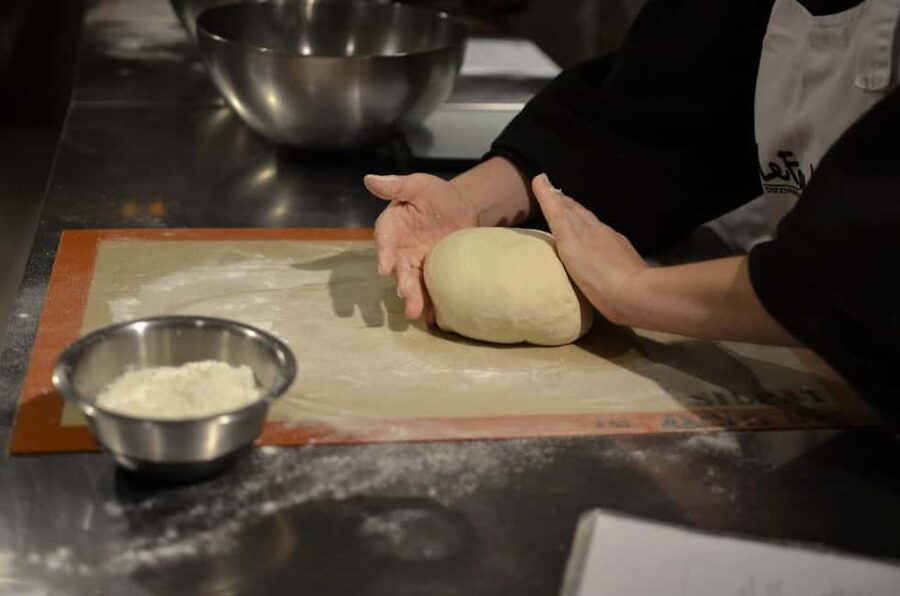
Proofing is the part where time does the heavy lifting. You let the dough rise, then you deflate it before shaping. The class may handle these as one or several steps, but either way, you learn that proofing is not just waiting. You learn to connect proofing to texture and structure.
Then comes shaping, and this is where the lesson gets specific. Different breads need different forms, and the instructor guides you through the technique each bread requires.
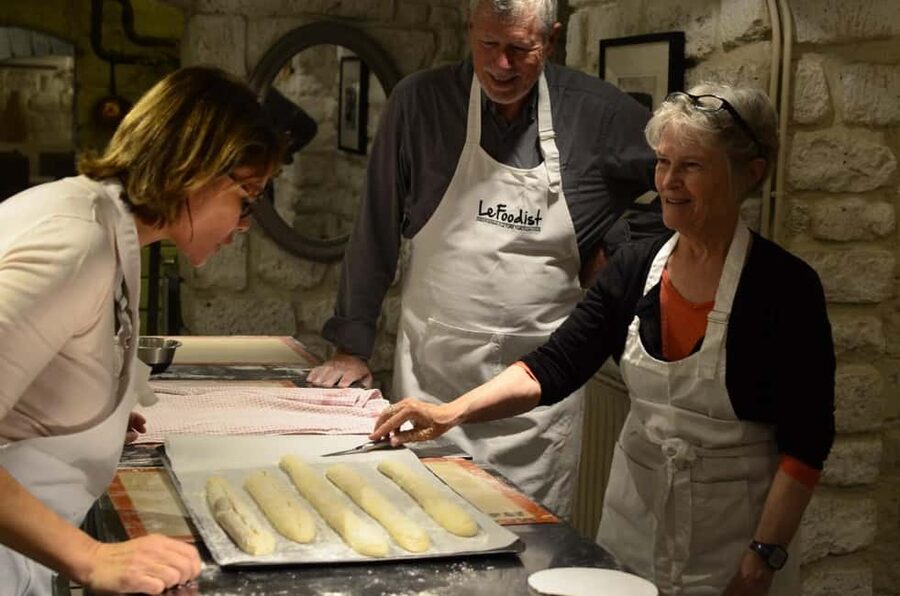
- Baguette shaping: tension is critical. You shape with enough surface tension so the loaf can expand well in the oven. If tension is weak, you lose the classic baguette structure.
- Brioche shaping: you roll to build that rich bread form. Brioche is softer, richer, and more forgiving in some ways, but it still needs clean technique.
Even if you do not yet feel like a master, you will leave with a working mental map. Proof, deflate, shape, repeat if needed, then rest again. This is a big deal because at-home baking usually fails when the baker skips one of these rhythm points.
Other Paris ateliers to spend an afternoon in:
- Fragonard Paris: Mini Perfume Workshop★ 4.5 · 1,924 reviews
- Paris Cooking Class and Lunch with Wine plus Market Visit Option★ 5.0 · 1,024 reviews
- Paris Croissant Small-Group Baking Class with a Chef★ 5.0 · 910 reviews
- Paris: 2-Hour Perfume Creation Workshop★ 4.8 · 731 reviews
The “Sign” Step: Making Bread Look Like It Belongs in France
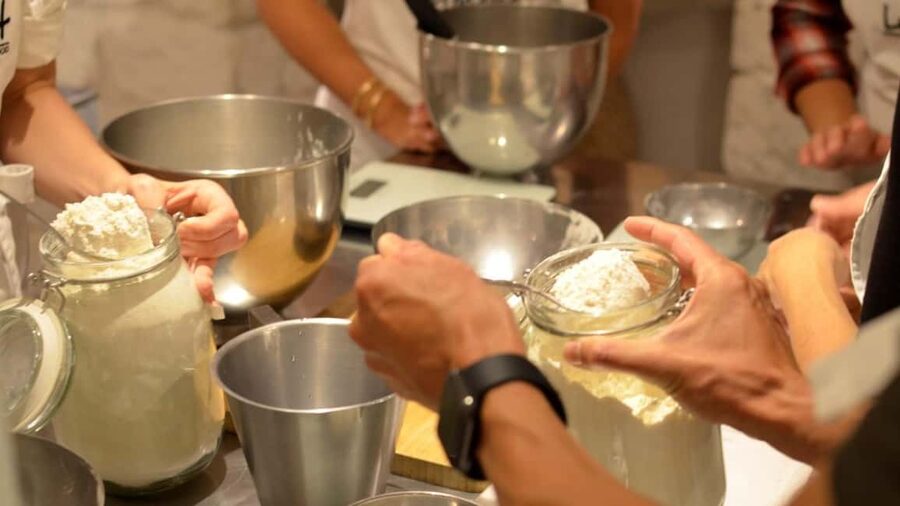
After the dough is rested, you proof again and also “sign” your bread. Yes, it’s aesthetic, but it’s also practical.
Scoring affects oven spring, expansion, and how the loaf opens. If you score too shallow or in the wrong place, bread can burst unpredictably. If you score correctly, it opens where you want it and looks like the bread you see in French shops.
The instructor guides you through this moment, so you are not guessing. This is one of those small technique lessons that pays off immediately, because you can usually see the results right after baking.
If you want one at-home tip to remember: take the signing step seriously. Use steady hands and focus on placement and depth more than speed.
Baking Skills: Temperature, Time, and Humidity
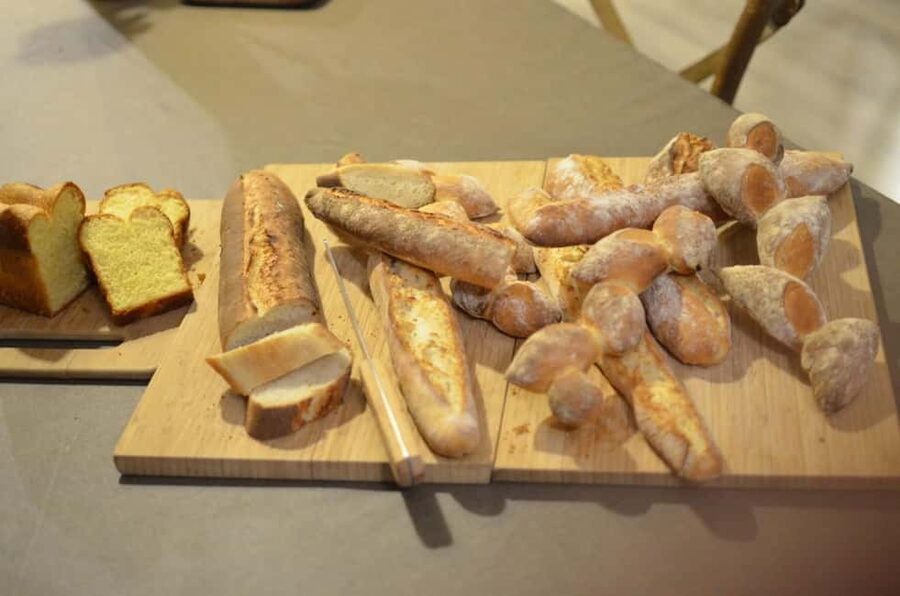
Then you bake. And this is where the class turns from “bread theory” into real results.
The instructor emphasizes that temperature, time, and humidity impact the final bread. That’s not just trivia. In real ovens, moisture and heat management affect crust color, crack formation, and how the loaf expands.
At this stage, you’re tasting the payoff of earlier steps. If you mixed well, shaped with enough tension, and scored correctly, you get a loaf that looks and smells right. If any part fell behind, you’ll often see it in the crust or how the bread opens.
This is also where some students said they wanted more hands-on viewing of the bakes in the oven. You can compensate by paying extra attention during the baking window, watching how the breads change as they roast, and asking the instructor what they’re looking for as they watch the oven activity.
Tasting Like a Local: Cheese, Jam, Wine, and Pain Perdu
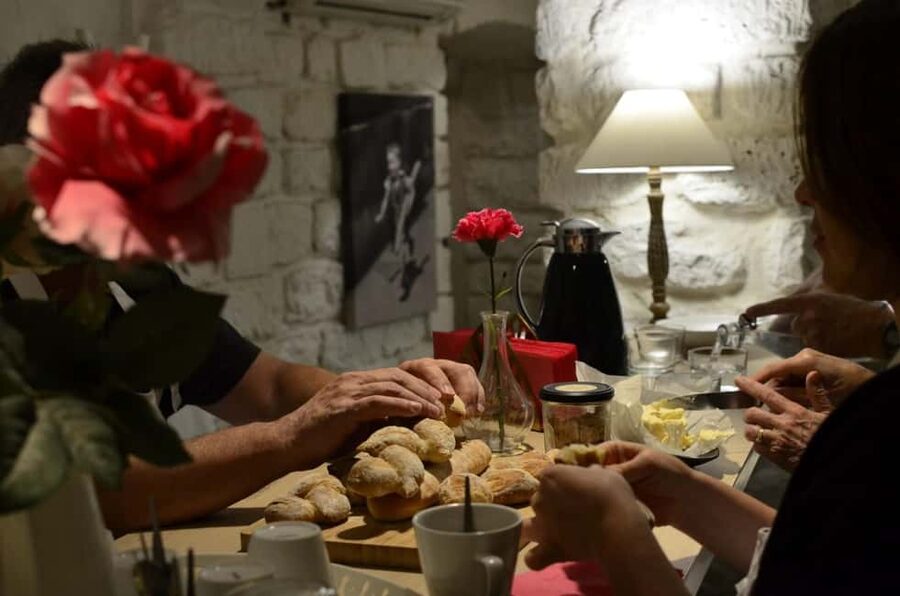
The class doesn’t end when the oven door closes. You taste the breads you made, and you do it with French-style pairings.
You might enjoy your breads with:
- French cheese
- Jam
- Butter
- Cooking ideas that include Pain Perdu, which is a classic way to use bread in a savory or sweet context
- Wine in the group tasting moment
This part is surprisingly valuable. It teaches you how to eat bread properly, not just how to bake it. Paris bread is often treated as something to combine with a few good things, not a complicated production.
If you’re planning to bring bread home, this also helps you decide how you want to use it. That bag of creations can become breakfast toast, a snack with cheese, or the start of a simple picnic later.
The Value Question: Is $175 for 4 Hours Fair?
The price is $175 per person for 4 hours, and that’s not a bargain-basement workshop. For value, I look at three things: how much you actively do, what skill transfer you get, and whether the food experience feels complete.
Here, you are not just watching. You learn full bread technique from the core ingredients to shaping, signing, baking, and tasting. You also leave with a bag full of what you made. For many home bakers, being able to take home real proof, not just recipes, is where the value lands.
You also get a small group size, limited to 8 participants. In a class like this, small group attention matters because dough technique depends on tiny coaching moments. One student favorite point was the small size and working in pairs, which usually means more practice time rather than long lecture segments.
Could it feel slightly less hands-on for some people? Possibly, based on a note about wanting more direct time seeing dough mixing, oven results, and better labeling of bakes by pair. If you’re the kind of learner who wants maximum observation plus maximum participation, it’s worth setting your expectation that part of the process runs on instructor-led steps and timed baking.
Small Group Energy: What the 8-Person Limit Changes
A limited group of 8 is the right size for bread classes. Too big, and you lose time standing around while someone else bakes. Too small, and you might not get enough variety in doughs or bread types.
In this class, a few students highlighted that you work in pairs and eat what you make as a group. That matters because bread is one of those crafts where repetition helps. Pairing you up also means you can compare results and troubleshoot faster, like noticing a dough texture difference early.
The wrap-up tasting also becomes more social. One review mentioned sitting together at the end with butter, cheese, and wine. That’s a nice way to turn your baking work into an experience, not just a lesson.
Who Should Book This Paris Bread Class
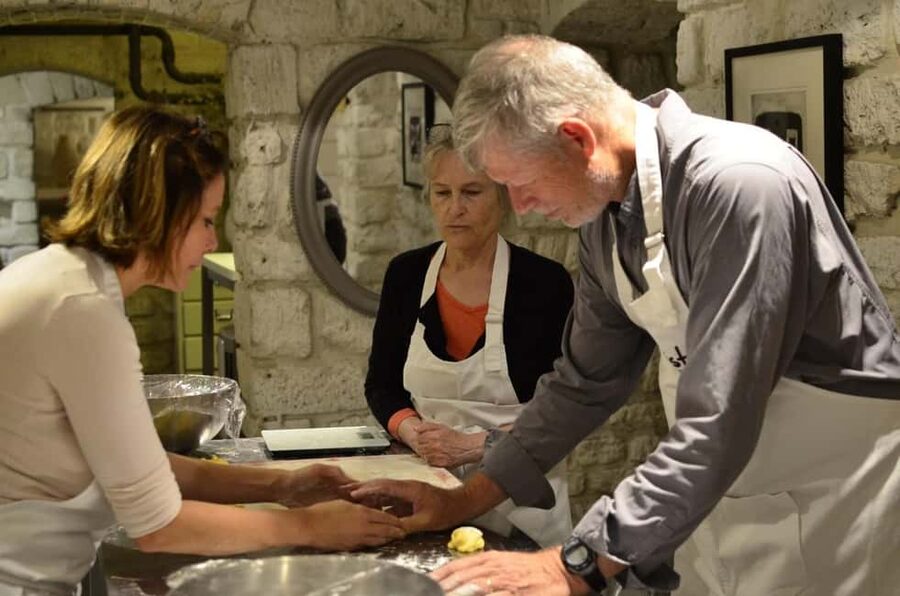
This is a great fit if you:
- Want a hands-on French cooking class focused on bread, not a general food tour
- Love baguettes and want to understand the mechanics of tension and shaping
- Are curious about brioche and ciabatta and want to practice the differences
- Prefer English instruction and small group teaching
- Want to bring something real home, not just photos
It may be less ideal if you:
- Need maximum oven-side attention and very clear labeling of each pair’s finished loaves
- Prefer a longer class with more repetition of each step
If you’re an experienced baker, you’ll still find value in the method coaching, especially the emphasis on signing and the oven factors like humidity. If you’re a beginner, you’ll likely appreciate that the class guides you through the entire workflow.
Should You Book It?
Yes, I think you should book this if your goal is to learn bread technique you can actually repeat later. The combo of English instruction, small group size (limited to 8), and a full 4-hour run from dough basics to baking and tasting is the kind of structure that sticks.
Book it especially if you want your Paris souvenir to be edible and skill-based. You’ll leave with baguette, brioche, and ciabatta from scratch in the class flow, plus a tasting that helps you understand how French bread fits with simple flavors like cheese, jam, butter, and even wine.
If you’re very observation-driven and you want every minute of mixing and oven action clearly shown for your pair, consider that one past note suggested the class could feel less hands-on in those specific moments. Still, with strong instructor teaching and a strong pace, this remains a standout bread experience for people who want the real Parisian approach.
FAQ
How long is the Paris Baguette and French Breads class?
The class lasts 4 hours.
Is the instructor teaching in English?
Yes. The instructor is English-speaking.
How many people are in the group?
The class is a small group limited to 8 participants.
What breads will we make or work with?
You will make breads including baguette and French breads such as brioche and ciabatta, and you will taste breads during the session, which can include options like Pain Perdu.
Do I take bread home at the end?
Yes. You leave with a bag full of your creations to share, or enjoy later (including as a picnic).
Can I get a refund if I cancel?
You can cancel up to 24 hours in advance for a full refund.
Newest write-ups from Paris




Pastry and Macaron Classes, compared.
Montmartre Cheese, Wine & Pastry Guided Walking Tour
Read our review →
Award-Winning Paris French Bakery Experience — Le Marais, 4th Arr
Read our review →
Private Montmartre Food Tour with Wine, Cheese & Pastries
Read our review →
Paris French Sweets Tasting Tour with Pastries and Chocolates
Read our review →
Paris Croissant Small-Group Baking Class with a Chef
Read our review →
Browse the lists this tour appears in