Reviewed · PARIS
Paris: Baking Insider Experience
Paris smell of fresh dough is hard to beat. This Paris baking insider experience teaches bread-making and croissant dough skills in a real boulangerie with a French baker, capped at 8 people. I love how you get hands-on right away, and I especially like that you leave with a bag of what you made. One thing to plan for is the physical part: there are 15 steps to reach the second-floor bakery with no elevator.
If you want a class that feels like French daily life, this is that. You’ll learn how to tell baguettes apart, understand flour types, and get practical guidance on dough lamination and shaping. The guides you might meet, like Priya or Salome, are often praised for clear coaching and a friendly pace, so even first-timers can keep up.
In This Review
- Key Things You Will Notice From the Start
- Two Hours in a Working Paris Boulangerie, Not a Demo
- Bread-Making Basics You Can Use the Next Time You Cook
- Baguettes: How Bakers Tell One Style From Another
- Croissant Dough and Laminating Skills, the Real French Magic
- Tastings That Turn Technique Into Flavor
- Your Guide Makes the Difference, and You Might Recognize Some Names
- What You Should Take Home (And What Might Change by Timing)
- Price and Value: Why $106 Can Make Sense for This Class
- Who This Is Best For (And Who Should Skip It)
- The Practical Stuff That Will Help You Enjoy the Class
- Should You Book This Paris Baking Insider Experience?
- FAQ
- How long is the Paris baking insider experience?
- What is the group size?
- What language is the guide?
- What will I learn to make during the class?
- Is the activity hands-on?
- Is it suitable for children?
- Is it wheelchair accessible?
- What is the price per person?
Key Things You Will Notice From the Start
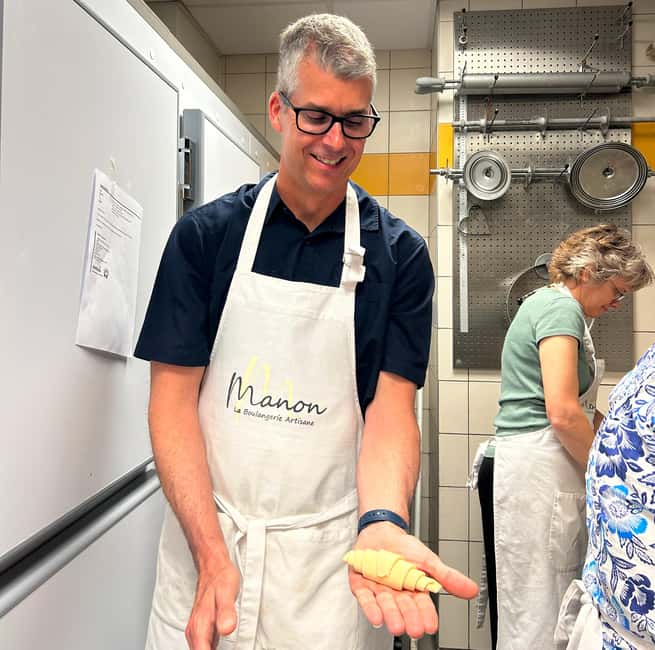
- Small group, real bakery workflow: max 8 people, in an active shop, not a classroom set up for tourists
- Bread plus pastry techniques: you work with both bread dough and croissant-style lamination methods
- Flour and yeast basics that matter: you learn the difference between bread flours, yeast, and sourdough
- Baguette shaping you can repeat at home: you practice shaping techniques and compare styles
- Tastings built into the lesson: you taste as you go so flavor makes sense, not just steps on paper
Worth a comparison before you book. Others in Paris covering the same ground:
- Paris: 1-Hour Seine Cruise departing from the Eiffel Tower
★ 4.4 · 77,472 reviews - Disneyland® Paris 1-Day Ticket
★ 4.6 · 49,412 reviews - Paris: Versailles Palace and Gardens Full Access Ticket
★ 4.6 · 41,579 reviews - Paris: Arc de Triomphe Rooftop Tickets
★ 4.6 · 34,264 reviews
Two Hours in a Working Paris Boulangerie, Not a Demo
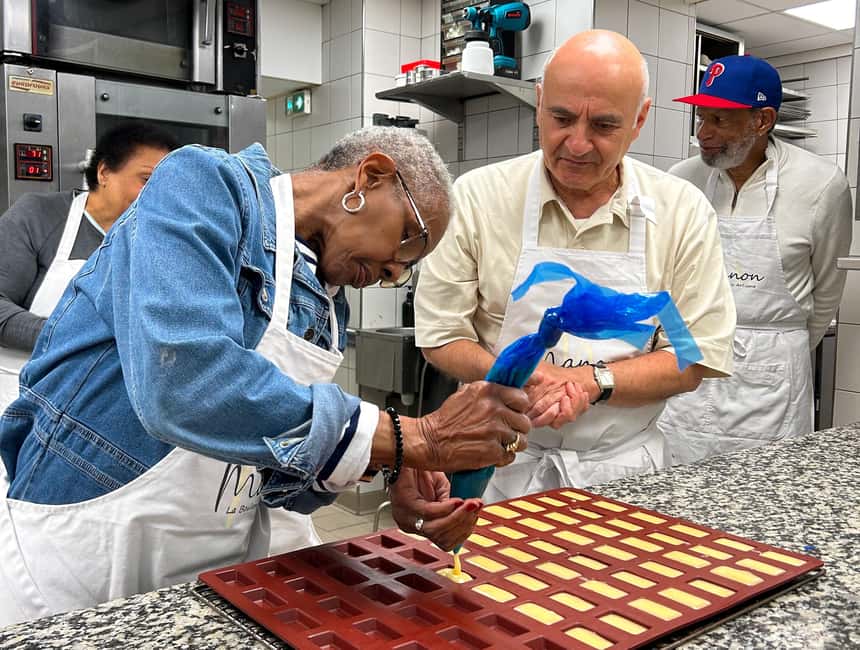
This is the kind of food experience that makes Paris feel like it is running on butter and patience. In about 2 hours, you move through the core skills behind everyday French baking: dough handling, shaping, and understanding what changes when you switch ingredients or technique.
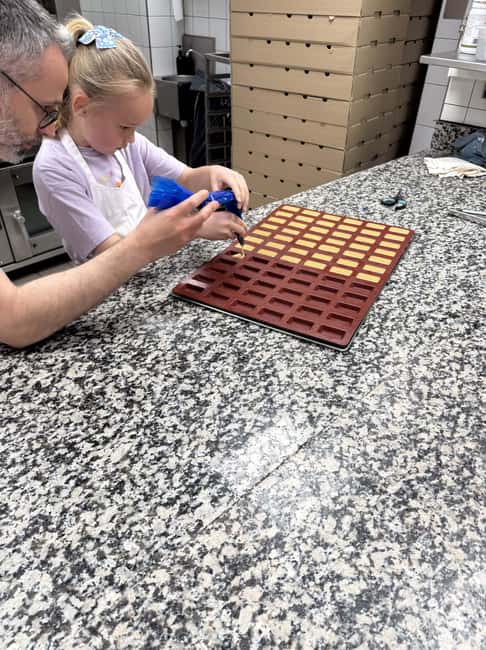
The format matters. With a max group size of 8, you are not watching from the sidelines. Most people leave saying the lesson felt guided and personal, not chaotic. You also get to see how a bakery actually functions while you work, which is a big difference from classes where everything is staged, quiet, and controlled.
You will likely visit one or two traditional Paris bakeries depending on the option you book. Either way, expect the same idea: hands-on mixing and shaping, plus a guide who talks through what makes French bread and pastries different.
Bread-Making Basics You Can Use the Next Time You Cook
Bread sounds simple until you see how many small choices affect the final loaf. In this class, you learn the art of bread-making firsthand in a Paris bakery, and you get the reasoning behind the steps.
Here are the bread concepts that are taught in a way you can apply later:
- Bread flours are not all the same. You learn that flour choice changes dough behavior and final texture, not just the flavor.
- Yeast and sourdough are different systems. You get clarity on what each one does and why recipes treat them differently.
- Dough handling is the real skill. Mixing, resting, and shaping are taught as practical actions, not vague tips.
One underrated benefit is that you practice during the time you are learning. That makes it easier to remember what a baker means when they say something feels right. You start to notice dough elasticity and how it responds under your hands.
And yes, you should be ready for French bakery pace. This is not a slow craft retreat. It is a working environment, with real-time movement and real-time timing. If you like active learning, you will love it.
Baguettes: How Bakers Tell One Style From Another
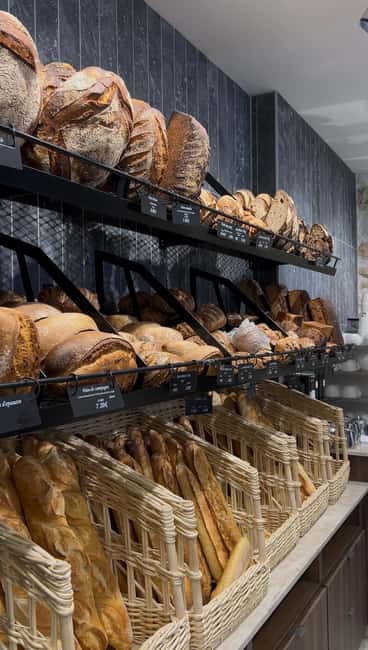
Baguettes are where many people start, and where most people realize there is more going on than length and crunch.
You’ll learn how to differentiate one baguette from another, and you practice baguette-shaping techniques with guidance from your baker. That includes the kind of shaping that helps dough expand properly and form that classic crust.
Why this part is so valuable: baguette quality is mostly about structure. When you understand how shaping affects that structure, you stop guessing at home. You learn what bakers look for, and you gain a mental checklist you can reuse.
Some sessions also include creating additional bread forms beyond baguettes. One common pattern is that you shape bread plus one or more other items, so you get variety instead of only one dough.
Croissant Dough and Laminating Skills, the Real French Magic
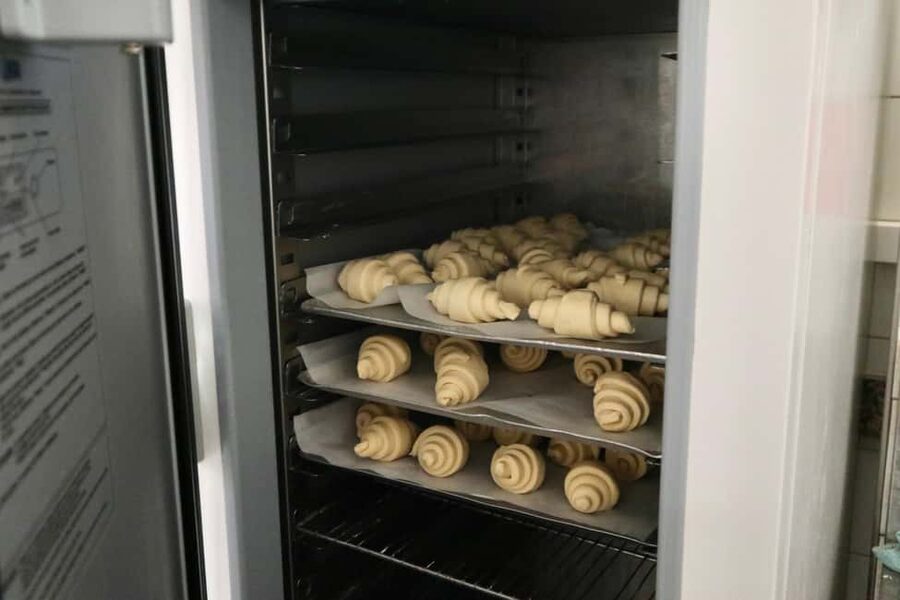
Croissant dough is famous for being difficult, and that reputation is not totally unfair. The technique, lamination, is where beginners usually feel lost.
Here, you learn how to laminate dough and what the dough should feel like as you work. You also get hands-on practice so you understand how layers get built and maintained during rolling.
Even if croissant baking itself takes time, the lesson focuses on technique. You’ll roll croissant dough as part of the process and learn what makes it work. Some people leave wishing they could take fully baked croissants home, because the timing can vary. If taking home finished croissants is your top goal, I recommend asking your guide on the day how much time your session allows for take-home baking.
Still, even without a full take-home finish, the value is real. You are learning the mechanics of lamination and how to avoid the most common beginner mistakes.
If this one is booked out, Paris has these too:
- Paris: Orsay Museum Entry Ticket★ 4.7 · 25,647 reviews
- Paris: Evening River Cruise with Music★ 4.4 · 22,721 reviews
- Paris: Eiffel Tower Entry Ticket with Optional Summit Access★ 4.4 · 20,035 reviews
- Eiffel Tower Dedicated Reserved Access Summit or 2nd Floor★ 4.3 · 18,352 reviews
Tastings That Turn Technique Into Flavor
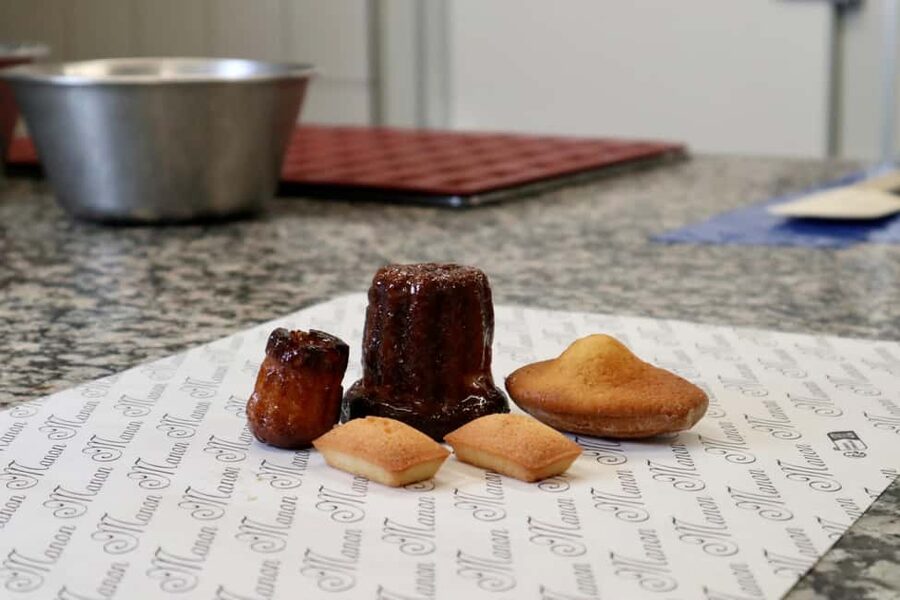
Food classes that skip tasting are missing half the point. Here, tastings happen along the way so you can connect the sensory result to the technique you just used.
You’ll taste a variety of sweet and savory French flavors. That includes items tied to the baking skills in your hands-on work. The tastings help you learn what different doughs and fillings taste like and how texture and flavor change with method.
A few details that show up repeatedly in how people talk about the experience:
- you start with bakery treats and coffee or a free drink, depending on your session
- you snack as you work, so you are never just waiting
That makes the experience feel like France in motion: bake, taste, adjust, repeat.
Your Guide Makes the Difference, and You Might Recognize Some Names
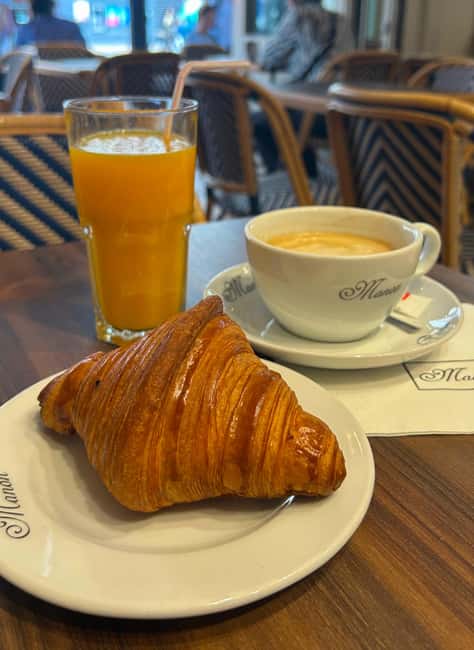
This is a live, English-language experience with a French baker guiding you. The small size means you get direct attention when you need it.
Across recent sessions, guides like Priya, Salome, Pierre, David, Nisha, Igor, Martin, and Valentina have been praised for teaching in a way that keeps beginners comfortable. Many also get compliments for sharing stories behind what you are making and for keeping the tone fun in a working kitchen.
One practical takeaway for you: if you ask specific questions while you work, you can usually get a better explanation than you would from a typical classroom. People tend to leave feeling proud because the guide can spot what is going wrong and correct it fast.
What You Should Take Home (And What Might Change by Timing)
A highlight of this experience is that you take home what you bake. Many people leave with lots of bread and pastries, sometimes enough for multiple days.
That said, timing can affect which items are take-home. Some sessions include croissant shaping, but fully baked croissants can be limited by rise and baking windows. If your ideal souvenir is a full batch of baked croissants, plan your expectations and keep an open mind that you might be taking home breads and pastries more reliably than fully baked croissants, depending on the day’s flow.
Also, note that some people mention they leave with items plus additional bakery treats. That is part of the fun of working in a busy boulangerie.
Price and Value: Why $106 Can Make Sense for This Class
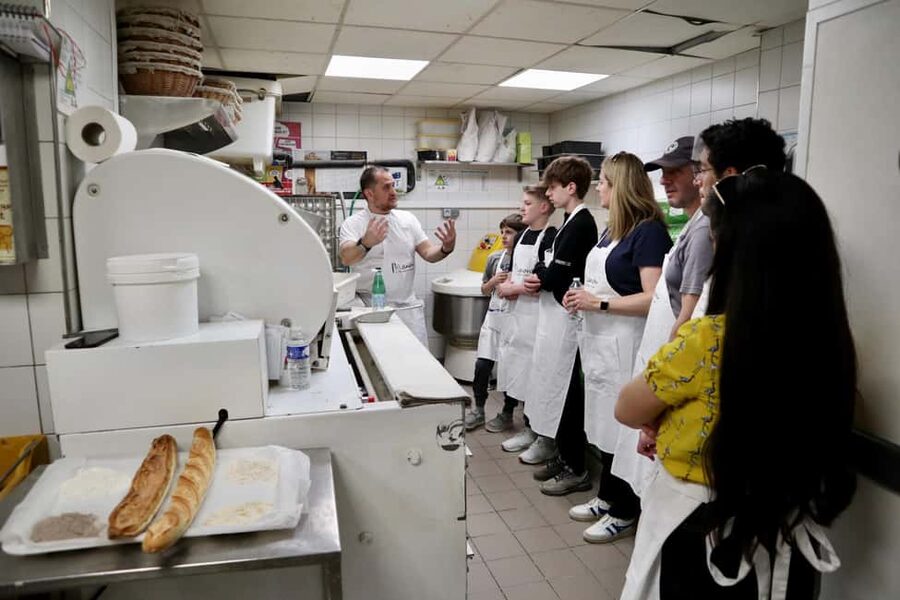
At $106 per person for 2 hours, you are paying for more than ingredients. You are paying for:
- a French baker with hands-on coaching in an active bakery setting
- small-group attention, max 8
- technique-focused teaching, not just a tasting menu
- the fact that you leave with edible results you made
If you compare it to a standard food tour, this is a different type of value. You are not only consuming, you are practicing. And if you plan to bake later at home, the technique helps you avoid wasting time and ingredients.
The only time value might not feel great is if you want a purely relaxed sightseeing experience. This is a hands-on workshop. You should go hungry and prepared to stand.
Who This Is Best For (And Who Should Skip It)
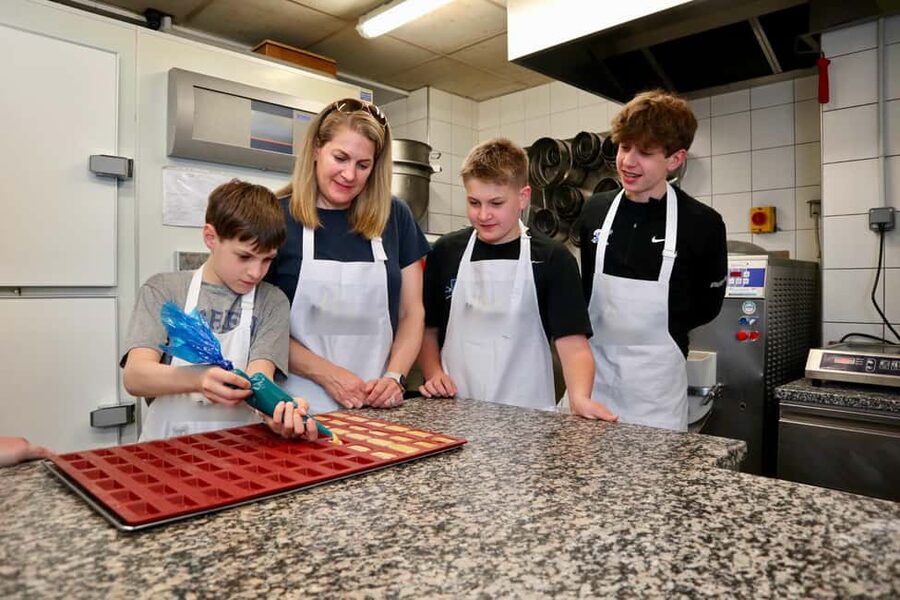
This class fits best if you like interactive food experiences and you want a real slice of Paris bakery life.
It is a strong choice for:
- couples and friends who want a shared skill, not just a photo
- solo travelers who want guidance and conversation in a small group
- families with older kids who can follow safety and kitchen instructions
It is less suitable if:
- you need wheelchair access. The tour requires climbing 15 steps to the second floor with no elevator, and it is not wheelchair-friendly
- you want minimal standing. You should be comfortable standing for an extended time
- you are traveling with kids under 5. Kids under 5 can join for free, but they cannot participate in the hands-on baking due to safety concerns
The Practical Stuff That Will Help You Enjoy the Class
Wear shoes you can stand in for the full session. Bakery floors can be busy, and the work is active. Bring a curious attitude and expect to get flour on your sleeves if you end up doing dough work.
If you are a complete beginner, this still works. Many participants describe the coaching as clear and paced, including sessions where the group was very small, sometimes just one person plus a friend. That tends to make the experience feel less intimidating.
If you already bake at home, you may enjoy the technique focus. The class covers the fundamentals that matter for French results, like lamination and shaping, plus ingredient differences like flour and yeast versus sourdough.
Should You Book This Paris Baking Insider Experience?
I think you should book it if you want an authentic Paris food moment that leaves you with real skills and real pastries. The big win is the mix of hands-on baking, small-group coaching, and tastings that connect what you do to what you taste.
Skip it if stairs and standing are a problem, or if you expect a fully relaxed show-and-tell. Also, if you want guaranteed take-home baked croissants, ask how your specific session handles timing.
If you decide to go, plan on being present for the whole 2 hours. The best outcome is when you treat it like a working bakery lesson, because that is exactly what it is.
FAQ
How long is the Paris baking insider experience?
It lasts 2 hours.
What is the group size?
It is a small group capped at a maximum of 8 participants.
What language is the guide?
The live tour guide speaks English.
What will I learn to make during the class?
You will learn authentic French baking techniques, including bread-making and croissant dough skills, with topics like baguette shaping, dough lamination, and differences between bread flours, yeast, and sourdough.
Is the activity hands-on?
Yes. It includes a hands-on baking lesson with personal guidance from a French baker.
Is it suitable for children?
Children can join if accompanied by an adult. Kids under age 5 can join for free, but they cannot participate in the hands-on baking due to safety concerns.
Is it wheelchair accessible?
No. The tour requires climbing about 15 steps to reach the bakery on the second floor with no elevator, and it is not suitable for wheelchair users.
What is the price per person?
The price is $106 per person.