
Reviewed · PASTRY AND MACARON CLASSES
Paris: French Pastry and Baking Workshop
Sweet smells start before you even mix batter. In this French pastry and baking workshop at Boulangerie Bistrot Baguette, you learn classic French techniques in a small, interactive class that actually gets your hands involved, not just your eyes. I love that you can make recognizable treats like madeleines and chouquettes, and you also leave with a take-home box of what you made.
One thing to keep in mind: the class runs somewhere between 1 and 2 hours depending on the number of people in the session and how quickly the hands-on steps move. If you want a long, slow pace with lots of extra instruction time, you may want to choose a less busy time slot if that option is available.
In This Review
- Key Highlights to Look For
- Why This Workshop Feels More Like Baking Than a Class
- Meeting at Boulangerie Bistrot Baguette and Getting Set Up
- The Workshop Flow: From French Baking Basics to Apron-On Action
- What You Will Make: Madeleines, Chouquettes, Fondant, and More
- How Long It Takes, and How to Fit It Into a Paris Day
- Instructor Energy: Language Support and Keeping Everyone on Track
- What Comes Home With You, and Why the Diploma Matters
- Comfort Tips That Actually Help (Shoes, Clothes, and Timing)
- Is It Worth $88? A Value Look at the Real Payoff
- Who This French Baking Workshop Suits Best
- Should You Book This Workshop at Bistrot Baguette?
- FAQ
- How long is the French pastry and baking workshop in Paris?
- Where do I meet for the class?
- What kinds of pastries and baked goods will I learn to make?
- Is the class suitable for beginners?
- What languages is the instructor able to teach in?
- How many people are in each class?
- Can I cancel my booking?
- What should I wear or bring?
- Is it suitable for young children?
- Is the workshop wheelchair accessible?
Key Highlights to Look For
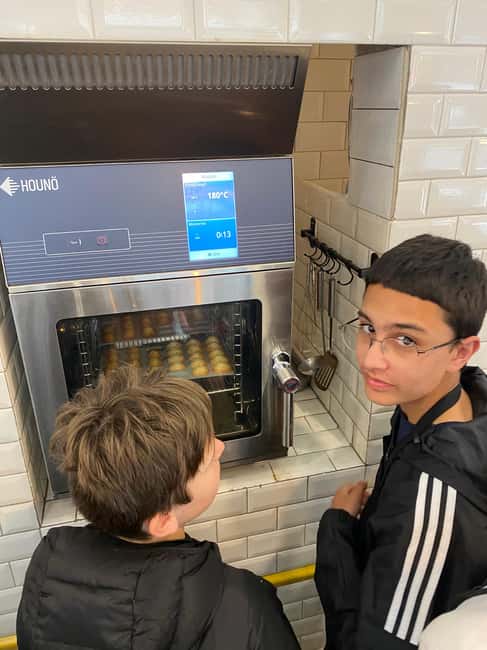
- Hands-on baking, not a demo. You mix, form, and work through French favorites using the provided tools and guidance.
- A small group size. Maximum of 15 participants, which helps keep the workshop practical and interactive.
- A mix of pastries and baked goods. You might make madeleines, chocolate fondant, chouquettes, cookies, brownies, apple pies, and more.
- Instruction in multiple languages. The instructor supports French, English, and Spanish.
- You take your work with you. Your finished pastries and baked goods are yours to pack and enjoy later.
- Bonus value in the shop. You get 10% off products that day, plus a diploma tied to the workshop.
Other kitchens for macarons and pastry:
- Paris: Montmartre Cheese, Wine & Pastry Guided Walking Tour
★ 4.8 · 2,255 reviews - Paris: Macaron Class at Galeries Lafayette
★ 4.2 · 1,196 reviews - Award-Winning Paris French Bakery Experience — Le Marais, 4th Arr
★ 4.5 · 1,186 reviews - Private Montmartre Food Tour with Wine, Cheese & Pastries
★ 5.0 · 1,027 reviews
Why This Workshop Feels More Like Baking Than a Class
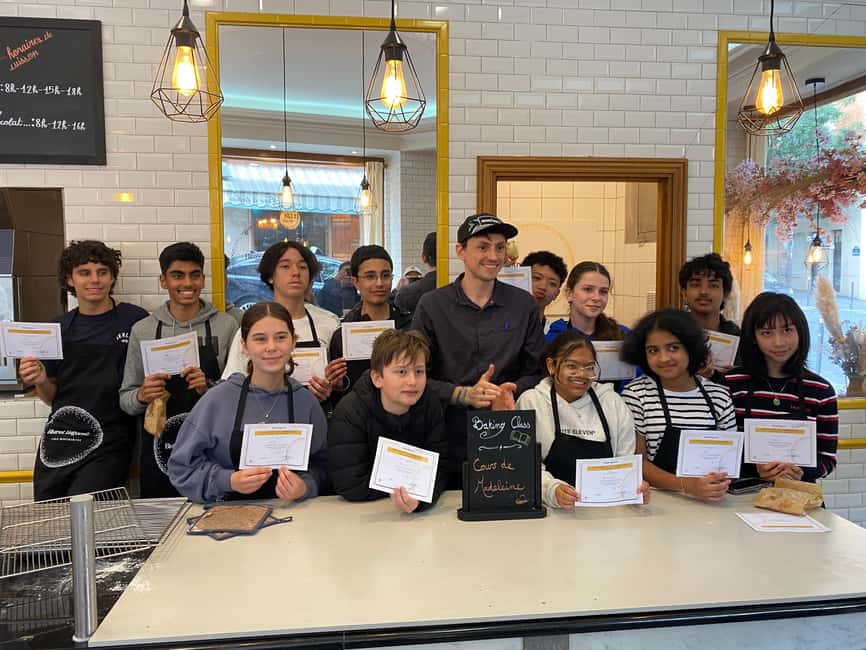
Paris pastry classes can swing either way: fun but shallow, or technical but hard to follow on vacation. This one lands on the practical side. You meet at Boulangerie Bistrot Baguette, go straight into a dedicated workshop area, and get set up for real production work, not just a quick taste-and-leave.
I especially like the way the format supports different comfort levels. The workshop is suitable for all skill levels, which matters because not everyone travels to France ready to knead dough like a pro. The fact that it is a private group also helps, since you are not fighting the pace of a crowd.
There is also a human side to it. In similar sessions at this location, instructors have been described as warm, patient, and attentive, including names like Anastasia and Chef Sylvan from past bookings. You should expect guidance that keeps you moving and answers questions as you go.
Meeting at Boulangerie Bistrot Baguette and Getting Set Up
Your start point is simple: Boulangerie Bistrot Baguette. From there, you head to the dedicated section set aside for the baking workshop. The goal here is to keep the activity separate from the regular bakery flow, so your ingredients, tools, and station steps stay organized.
What you will probably notice first is how “working kitchen” the setup feels. You are not standing in a showroom. You have a place to work and instructions timed to what your station is doing.
Also, you can show up without overthinking a bunch of extras. The class is designed with a straightforward structure: you get the workshop area, the tools, and the ingredient workflow, plus the lesson pieces that connect techniques to French baking traditions. If you like structured activities during a trip, this delivers.
The Workshop Flow: From French Baking Basics to Apron-On Action
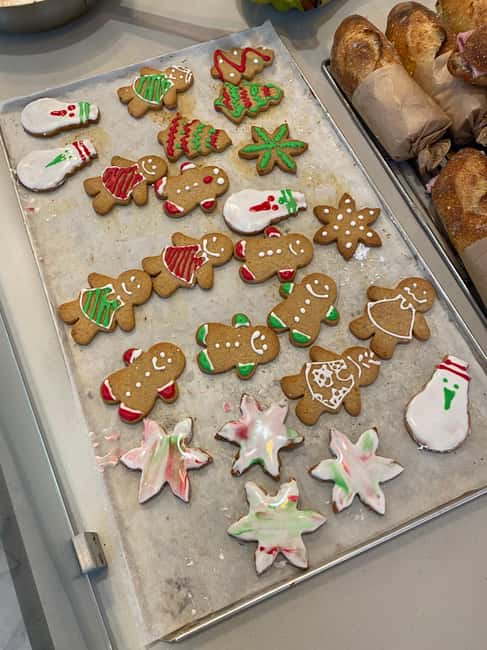
Even though every session can shift a little depending on the group, the rhythm is consistent. You typically start with an orientation and a short look at the history of French culinary specialties, then you move into hands-on steps.
That history piece is short, but it helps. When you understand where a cookie style or a pastry concept comes from, your baking feels less random. It turns the session into more than a one-off snack-making event.
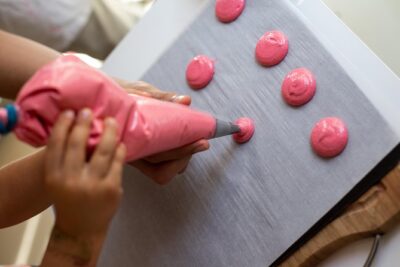
Then you get cooking. You might start with batter or dough, learn how to portion or shape, and practice the steps that make French desserts feel “correct.” The instructor support matters here because small details, like texture and timing, are what separate a good try from a great one.
In past classes, instructors have also leaned into storytelling and light conversation, and people have mentioned picking up a few French words along the way. Even if your French is limited, this is the kind of experience where the language feels useful rather than academic.
What You Will Make: Madeleines, Chouquettes, Fondant, and More
The best part of this workshop is that your menu is made for variety. The class can include a range of French pastries and baked goods, and you often get a selection rather than one single recipe.
Here are the items you may make, based on the workshop description:
- Madeleines
- Chocolate fondant
- Chouquettes
- Cookies
- Brownies
- Apple pies
- And more French-style baked goods
Madeleines are a great first taste of French technique because the batter handling and baking cues matter. You get to see how a small cake can be picky, and then you learn how to adjust through practice. Chouquettes are another smart choice for learning, since they connect pastry structure with topping and baking behavior.
Chocolate fondant also has that classic “French dessert” reputation, and the hands-on part is where you actually understand it. You are not just hearing that it is about timing and texture. You learn how the steps influence the final center.
Apple pie gives you another kind of skill practice. Even without being the traditional French version you might picture from old cookbooks, it still teaches the logic of fruit prep and pastry assembly.
Reality check: the exact set and sequence can shift based on class size and timing. The important takeaway is that you will leave with multiple items and a better sense of how French baking works across different categories: small cakes, pastries, dough-based treats, and richer desserts.
Other Paris ateliers to spend an afternoon in:
- Fragonard Paris: Mini Perfume Workshop★ 4.5 · 1,924 reviews
- Paris Cooking Class and Lunch with Wine plus Market Visit Option★ 5.0 · 1,024 reviews
- Paris Croissant Small-Group Baking Class with a Chef★ 5.0 · 910 reviews
- Paris: 2-Hour Perfume Creation Workshop★ 4.8 · 731 reviews
How Long It Takes, and How to Fit It Into a Paris Day
The workshop is advertised as 2 hours, but the real duration can be between 1 and 2 hours. The reason is simple: it depends on how many people are interacting and how quickly the class moves through the steps.
Plan your day with that flexibility. Build in time before or after so you are not rushing to a museum ticket, a dinner reservation, or a long walk to another neighborhood. If you are tight on schedule, it is smarter to treat this as a main event, not a small stop.
I also think the “shorter session possibility” is a key consideration for adult groups. If you want extra theory, heavy technique drills, or long plating time, you might feel the clock more. The class is built around making and taking home, so the focus stays on action.
If you are visiting with kids, the timing variance often becomes less of an issue because the activity itself keeps energy high. In several experiences from the same type of booking, families reported that the class felt dynamic and engaging.
Instructor Energy: Language Support and Keeping Everyone on Track
You do not need to speak French to join. The instructor supports French, English, and Spanish, and that matters because baking instructions are detail-heavy. When you can understand the cues clearly, your results improve fast.
What really makes the class work is attention. In past sessions tied to this workshop, instructors have been described as attentive and patient, including names like Anastasia and Chef Sylvan. The best part is not just friendliness. It is the fact that they guide you through the steps while you are actively doing them.
That also explains why the class tends to work for both adults and kids. A good instructor can adjust their explanations without slowing everyone down. The goal is to keep you producing, not watching.
If you prefer lots of interaction, a small group helps. With a maximum of 15 participants, you are more likely to get your questions answered without waiting for a crowd moment.
What Comes Home With You, and Why the Diploma Matters
This is one of those experiences where “take home” is not a marketing line. Your products are yours. That means you can pack your baked goods and enjoy them later, even after you leave the store.
There is also a diploma, which sounds small until you realize it changes the vibe. It turns the class into a mini achievement. For families, that often becomes a fun souvenir. For adults, it is a nice way to mark that you did something hands-on beyond the usual Paris checklist.
On top of that, you get 10% off products in the shop that day. This is practical value, not just a discount. If you want to build on your baking mood, you can pick up additional French pastries or bread while the experience is still fresh in your mind.
Comfort Tips That Actually Help (Shoes, Clothes, and Timing)
You will stand and move a bit. Wear comfortable shoes and clothes you do not mind getting flour or sweet scents on. This is a baking workshop, so perfect outfits are not the goal.
It also helps to keep your expectations aligned with the hands-on format. You will not just observe. You will be doing tasks like mixing, portioning, shaping, or assembly steps. Having comfortable clothing and supportive shoes makes the experience more enjoyable and less fussy.
If you are traveling with a backpack, think about storage. Your finished pastries are yours, and you will want a way to keep them safely packed for the next stop in your day.
Finally, consider whether you are going for confidence or novelty. If you want confidence, arrive ready to follow instructions closely. If you want novelty, lean into trying recipes you might not bake at home.
Is It Worth $88? A Value Look at the Real Payoff
At $88 per person for a roughly 1 to 2 hour workshop, value depends on what you want from the experience. If you are only interested in a quick snack, you can find cheaper options in Paris.
But if you want a hands-on skill moment, the value is easier to justify. You get:
- a dedicated workshop area
- all necessary equipment
- instruction in multiple languages
- multiple recipe experiences (often more than one treat)
- your finished baked goods to take home
- a diploma and a 10% shop discount
The “take-home” part is a big deal. Even if you do not become a home baker overnight, you are effectively buying edible results plus the lesson that helps you repeat the process later.
The small group size also affects value. With a maximum of 15 participants, you should get more practical guidance per person than you would in a large public class.
Is it expensive compared with buying pastries? Yes. Is it expensive compared with tours where you mostly watch? Often no. This is priced for doing.
Who This French Baking Workshop Suits Best
This class is a good fit if you want a fun cultural activity that still feels like you accomplished something. It works well for:
- families who want an interactive, kid-friendly French experience
- adults who learn best by doing, not by reading
- mixed groups with different skill levels, since the workshop is suitable for all levels
- travelers who like small group attention and clear instruction
Age note: it is not suitable for children under 4. For very young kids, that guideline matters more than anything else.
If you are expecting a long, highly technical masterclass with advanced pastry chemistry, you might find the format more practical than academic. This workshop is built for making and finishing, which is exactly why many people love it.
Should You Book This Workshop at Bistrot Baguette?
Yes, I think you should book it if you want a hands-on Paris experience that is not just eating, and you care about taking home what you made. The combination of small group size, multi-language instruction, and a menu that can include madeleines, chouquettes, fondant, and more makes it feel like a real activity rather than a quick show.
Book it particularly if:
- you enjoy learning by doing
- you want a family activity that still feels French and meaningful
- you like the idea of a short workshop you can fit into a travel schedule
Skip it or consider another option if:
- you need a guaranteed full 2 hours of instruction pace, since the session can run closer to 1 hour depending on the class flow
- you want advanced pastry theory more than baked results
If you come with comfortable shoes, a curious mindset, and a willingness to get a little flour on your sleeves, you will get a memorable slice of French baking in a way that lasts past your last Paris meal.
FAQ
How long is the French pastry and baking workshop in Paris?
The workshop lasts about 2 hours. The actual time can run somewhere between 1 and 2 hours depending on how many people are interacting in the class.
Where do I meet for the class?
You meet at Boulangerie Bistrot Baguette.
What kinds of pastries and baked goods will I learn to make?
You may make items such as madeleines, chocolate fondant, chouquettes, cookies, brownies, and apple pies, plus other French pastry or bread options depending on the session.
Is the class suitable for beginners?
Yes. The workshops are suitable for all skill levels.
What languages is the instructor able to teach in?
The instructor supports French, English, and Spanish.
How many people are in each class?
There is a maximum of 15 participants per class.
Can I cancel my booking?
Yes. Free cancellation is available up to 24 hours in advance for a full refund.
What should I wear or bring?
Wear comfortable shoes and comfortable clothes.
Is it suitable for young children?
It is not suitable for children under 4 years.
Is the workshop wheelchair accessible?
Yes, the workshop is wheelchair accessible.
Newest write-ups from Paris


Pastry and Macaron Classes, compared.
Montmartre Cheese, Wine & Pastry Guided Walking Tour
Read our review →
Award-Winning Paris French Bakery Experience — Le Marais, 4th Arr
Read our review →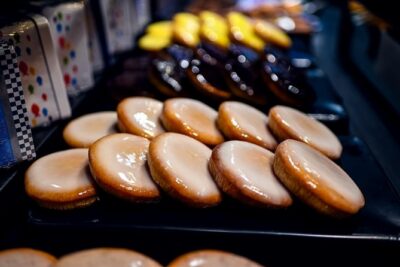
Private Montmartre Food Tour with Wine, Cheese & Pastries
Read our review →
Paris French Sweets Tasting Tour with Pastries and Chocolates
Read our review →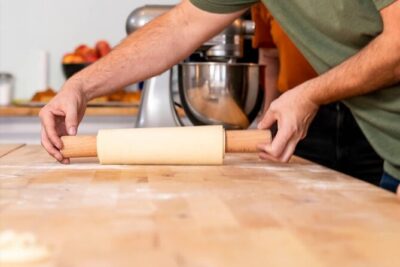
Paris Croissant Small-Group Baking Class with a Chef
Read our review →
Browse the lists this tour appears in