
Reviewed · MONTMARTRE HILL TOURS
Paris: Charms of Montmartre Guided Walking Tour
Montmartre is small, steep, and endlessly story-shaped. This guided walk strings together Moulin Rouge history and the working-art-world of Picasso and Van Gogh, with real places you can still see today. I especially love how the tour doesn’t just point at landmarks, it explains why they mattered, and you finish with a big payoff view from the hill.
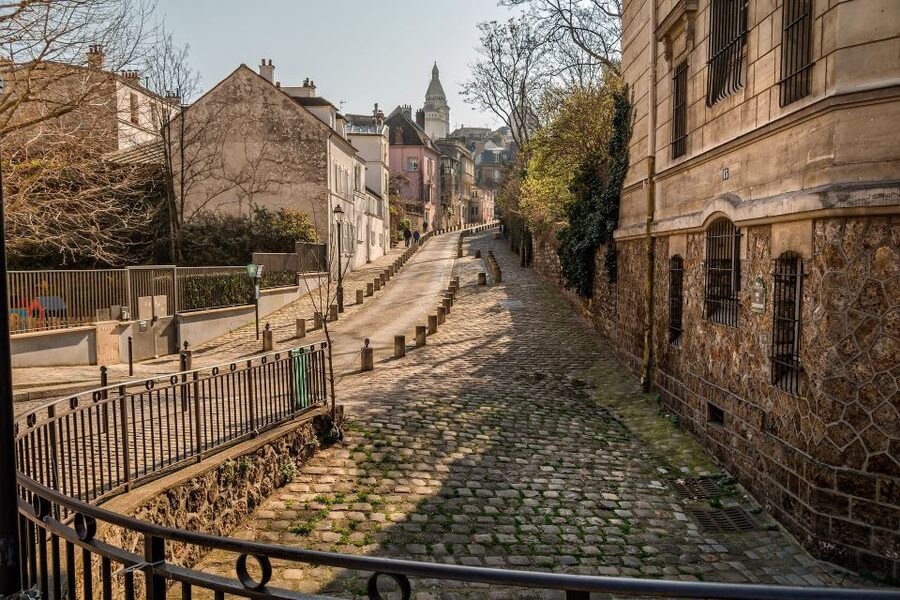
My other favorite part is the way the route feels like a bohemian village. You go from cobblestone lanes and leafy squares to a panoramic end at Sacré Coeur, plus stops tied to art hangouts, cabaret life, and even a film location from Amélie. The one drawback to consider is simple: this is a moderate hill walk with stairs and slopes, and you should wear comfortable shoes.
Even when the weather is bad, you still get the stories and the key sights. Just plan for rain or shine, since the tour runs unless it’s really pouring.
In This Review
- Key things to notice before you go
- Starting at the Moulin Rouge, then climbing into Montmartre’s mood
- Moulin Rouge history, plus the route’s big advantage: you’re never just looking
- Place des Abbesses: film vibes, love notes, and classic Montmartre street life
- Picasso’s studio and what it teaches you about art in real life
- Guinguette culture: where weekend art, dancing, and painting meet
- The last vineyard in Paris, still producing vino today
- A tiny cabaret favorite of Picasso, and the fun origin story vibe
- Outdoor artists square: choose a one-of-a-kind souvenir the honest way
- Sacré Coeur at the finish: the view you climb for
- Price and value: is $57 for 2 hours a fair deal?
- Rain or shine, and why timing can change how the tour feels
- Who this Montmartre tour suits best
- Should you book this Montmartre guided walking tour?
- FAQ
- Where does the tour meet?
- How long is the Montmartre walking tour?
- Is this tour in English?
- Is food or drinks included?
- What should I wear or bring?
- What is the difficulty level?
- Does the tour run in bad weather?
- What is the cancellation policy?
- What is the price and can I pay later?
- Are there any items I can’t bring?
Key things to notice before you go
- Moulin Rouge as the starting spark, with a saucy past that sets the tone before you climb
- Place des Abbesses highlights, including the I Love You Wall stop
- Picasso and the art-scene stops, from a famous studio to the weekend guinguette atmosphere
- Guinguette life details, where artists drank, danced, and worked out ideas on site
- A last-vineyard moment, still producing vino and adding real neighborhood charm
- Sacré Coeur at the finish, with panoramic views that make the climb feel worth it
Other climbs up the Butte:
- Montmartre Hidden Gems and Scenic Highlights Walking Tour
★ 5.0 · 2,684 reviews - Montmartre Hill French Gourmet Food and Wine Tasting Walking Tour
★ 5.0 · 2,588 reviews - Paris: Montmartre Highlights Walking Tour with a Local Guide
★ 4.9 · 2,318 reviews - Paris: Montmartre Cheese, Wine & Pastry Guided Walking Tour
★ 4.8 · 2,255 reviews
Starting at the Moulin Rouge, then climbing into Montmartre’s mood
Your tour begins in front of the Moulin Rouge, and that first step matters. It’s not just a famous facade, it’s a story machine. Your guide sets the stage with tales about its scandalous, saucy reputation, so when you walk away from it, you’re already tuned in to Montmartre’s mix of art, theatre, and mischief.
From there, you start the ascent. You’ll be walking uphill with stairs and slopes, so it helps to move at a steady pace and not fight the hill. I like that the tour keeps its focus on a tight area, so the “effort to views” ratio stays high.
One practical note from experience with this kind of route: if your legs are sensitive, plan for short pauses. Montmartre’s streets are charming, but you’ll feel every grade. This is one of those Paris walks where your shoes do a lot of the work before your camera does.
Moulin Rouge history, plus the route’s big advantage: you’re never just looking
A guided walk changes everything when you’re in a dense neighborhood like Montmartre. Instead of seeing a list of attractions, you get a sequence. The guide’s job is to connect each stop to the bigger idea: why this hill attracted artists and outsiders, and how that carried into the look and feel of the streets today.
You start with the Moulin Rouge because it’s the loudest cultural landmark in the area. That makes it easier to understand later stops like the small cabaret tied to Picasso and the bohemian weekend culture described in the guinguette segment.
If you’ve ever been to places like this on your own, you know how easy it is to move through and forget. With a guide, you get the thread. And on one recent rainy run, the tour had only two guests, which made it feel extra personal and conversational.
Place des Abbesses: film vibes, love notes, and classic Montmartre street life
As you climb, you’ll hit a few spots that make Montmartre feel like more than just postcard views. One stop connects to an iconic location from the film Amélie, which is a fun way to anchor the neighborhood in something modern you may recognize immediately. It also helps you slow down and notice the angles of streets and façades, since filming often happens where the geometry looks right.
Then you reach Place des Abbesses. This is where the tour gets playful. You’ll hear details tied to the square, including the I Love You Wall, a charming homage to lovers from around the world. It’s the kind of stop that works for couples, but it also works if you travel solo, because it gives you a clear, photogenic waypoint without turning the whole tour into a selfie sprint.
A small drawback here is that Place des Abbesses can feel busy in general. The good news is your guide’s pacing helps you catch the moments without wasting time standing around.
Picasso’s studio and what it teaches you about art in real life
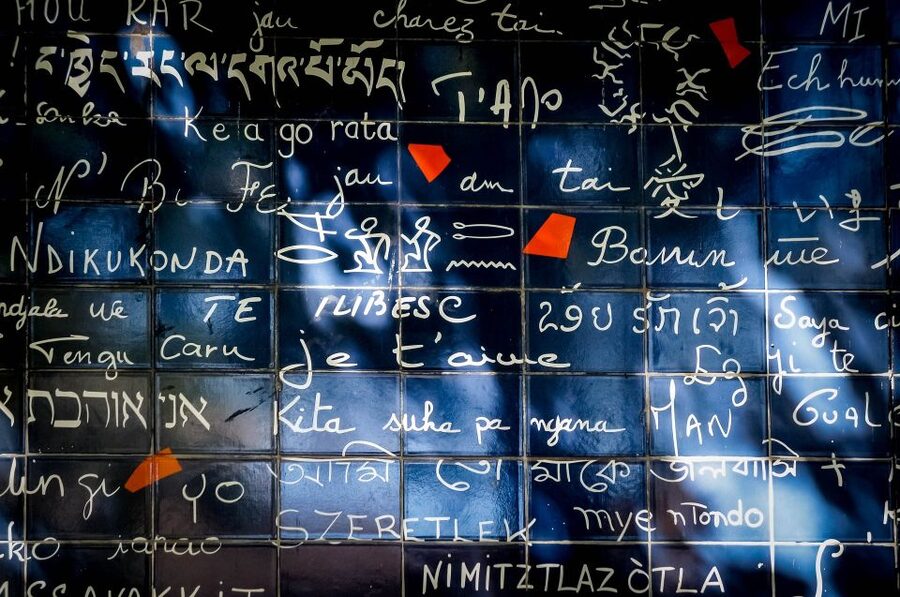
One of the headline stops is Picasso’s famous studio. You don’t just see the place, you talk about a momentous painting that changed the art world. This is where a guided Montmartre tour earns its keep. If you arrive knowing only the big names, you’ll still enjoy the streets, but you’ll miss the why behind the locations.
In this part of the walk, the focus shifts from the neighborhood as scenery to the neighborhood as a working environment. Picasso’s studio stop gives you context for how artists used Montmartre not just for inspiration, but for community, production, and experimentation.
For me, the best value of this kind of stop is that it turns a single building into a story you can carry forward. Later, when you hear about other artists and weekend scenes, it all clicks into a consistent picture: Montmartre wasn’t only romantic. It was practical, busy, and hands-on.
Other arrondissements taken at walking pace:
- Paris Top Sights Half Day Walking Tour with a Fun Guide★ 5.0 · 2,893 reviews
- Paris Île de la Cité and Notre-Dame Walking Tour With Crypt★ 5.0 · 2,272 reviews
- Paris in a Day: Louvre or Orsay, Eiffel Tower, City Walk & Cruise★ 5.0 · 1,956 reviews
- Paris City Center Free Walking Tour (Tip-Based)★ 5.0 · 1,340 reviews
Guinguette culture: where weekend art, dancing, and painting meet
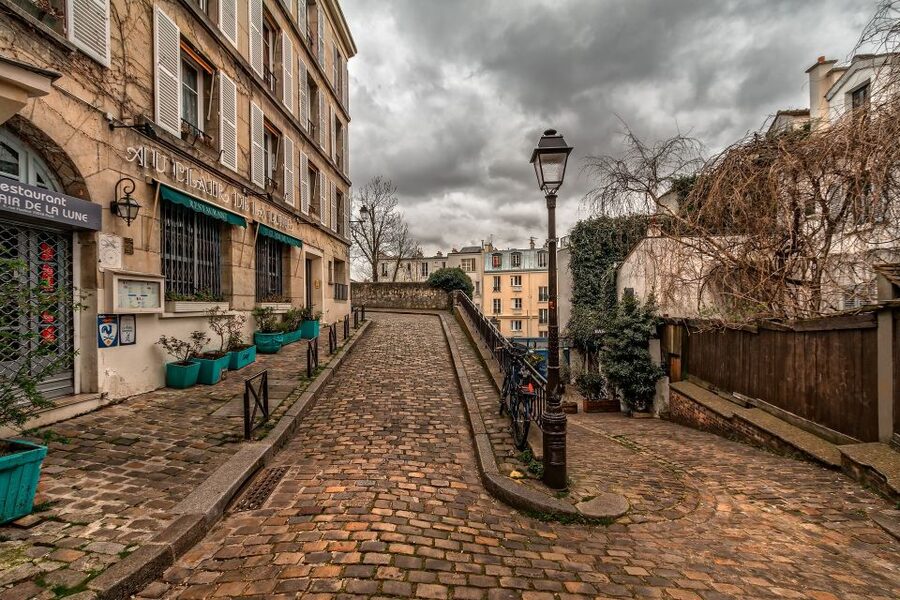
Next comes a classic guinguette stop, tied to the way artists gathered in this area to drink, dance, and set up their easels. This is one of those segments you can only understand by walking and listening. The idea is simple: the art wasn’t separate from the social scene. In this neighborhood, the party and the work were intertwined.
Your guide shares how works done on site by Renoir, Van Gogh, Picasso, and Toulouse-Lautrec helped immortalize fleeting scenes of exuberance that took place every weekend. Even if you only know these names from museums, the guinguette concept makes them feel connected to something human and immediate, not just poster-worthy genius.
And yes, there’s also an original windmill described on the route. Stops like that add texture. They remind you that you’re not only walking through an art museum. You’re moving through a neighborhood that has kept its shapes and surprises.
If you get even a little fatigue, this is where you’ll appreciate the pacing. It’s easier to keep going when you know the guide is building toward the next emotional payoff.
The last vineyard in Paris, still producing vino today
Montmartre has a reputation for being artistic and photogenic, but vineyards add a different kind of credibility. You’ll see the last vineyard in Paris, still producing vino today. That detail changes the feel of the walk.
Suddenly, Montmartre stops being just a stage set for artists and becomes a living neighborhood with older rhythms. A vineyard also gives you a sensory break from urban facades. Even if you’re not tasting anything on this tour, the idea of vines and production right here is a reminder that Paris grows food somewhere, not only monuments.
This section also supports the broader theme: the area has always been a mix of street life, craft, and creativity. That’s why the guinguette stories and studio history don’t feel random. They belong to the same place.
A tiny cabaret favorite of Picasso, and the fun origin story vibe
Further up, you’ll hear about a tiny cabaret that was a favorite of Picasso. Your guide shares that it was the origin of several outlandish adventures tied to the artist’s world.
This is more than trivia. Cabarets are part of how Montmartre’s creative ecosystem worked. They were social hubs, yes, but also places where stories circulated fast and ideas sparked in the same rooms as performances and late-night talk.
In a tour like this, cabaret details help you understand why the neighborhood attracted artists who wanted community and freedom. Even if you don’t care about nightlife, the cultural logic matters. It explains the energy behind the visual art.
Outdoor artists square: choose a one-of-a-kind souvenir the honest way
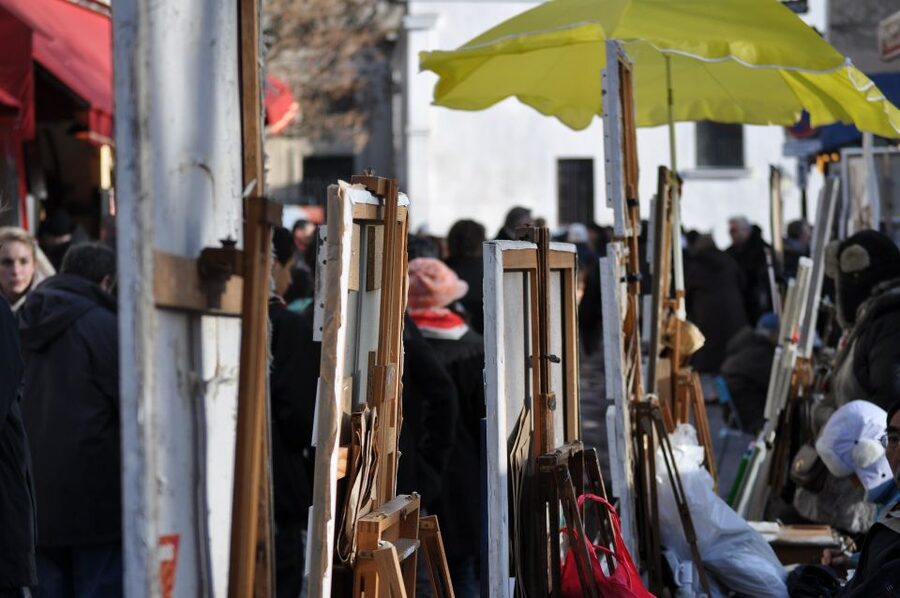
Near the top, you’ll reach a famous square filled with outdoor artists, each painting and drawing original artwork for sale. This is a smart stop to plan your budget around, because you’ll be tempted. The good part is that it’s not a souvenir trap that feels disconnected from art. The whole tour has primed you to notice craft.
If you want a take-home memory, this is the best time to do it. Earlier stops are great for photos, but the artists’ square is where you can actually buy something new, made in front of you.
Practical advice: if you do plan to purchase, carry cash if possible. The tour description doesn’t specify payment methods, so I’d rather you be prepared than stuck searching for an ATM while your group keeps moving.
Sacré Coeur at the finish: the view you climb for
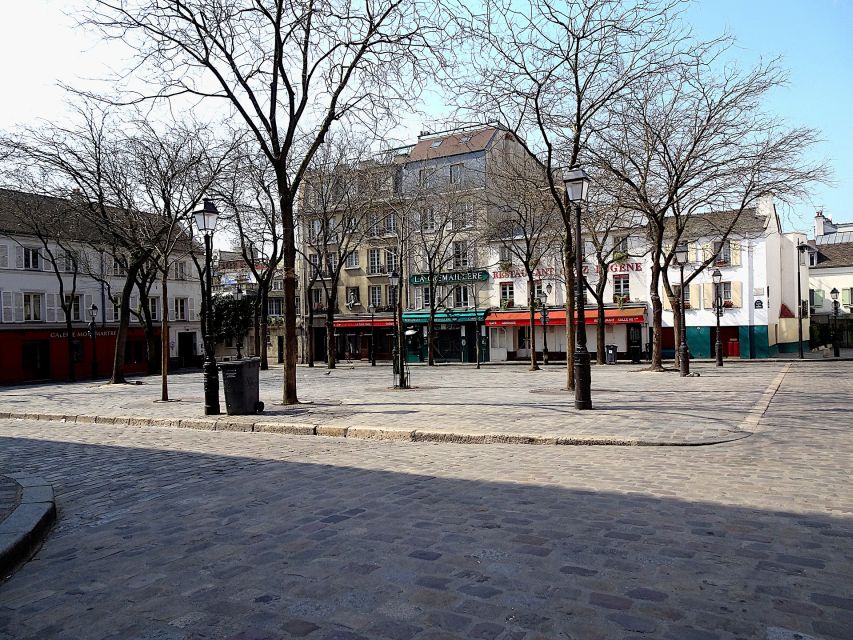
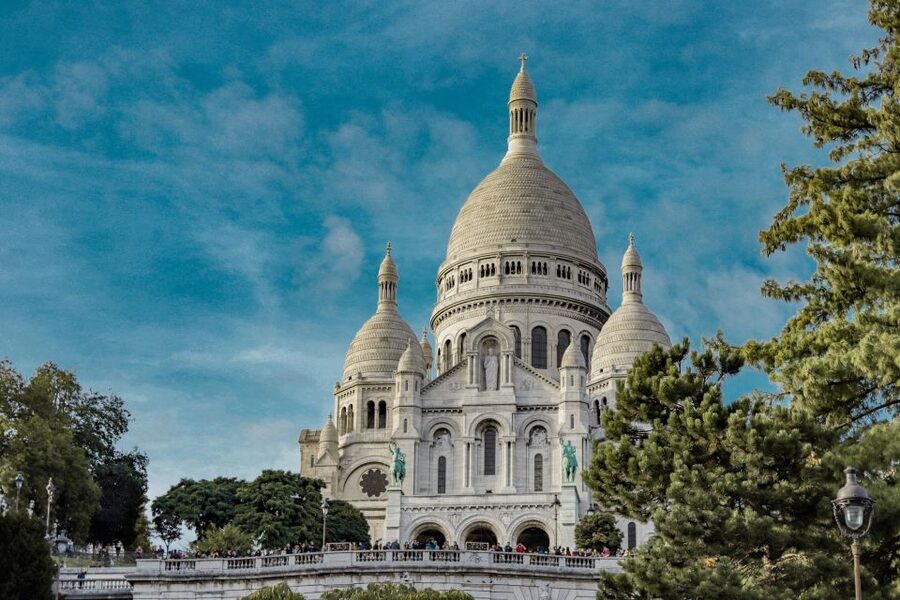
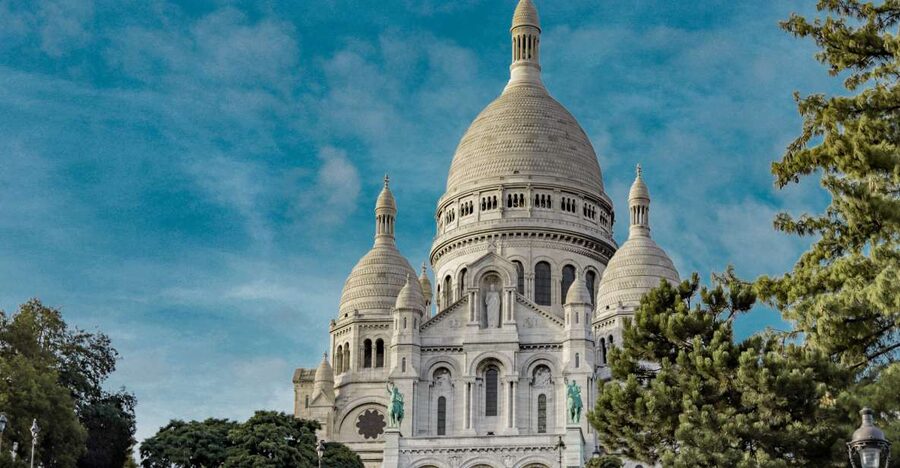
The walk ends in front of Sacré Coeur. This is the payoff moment. You’ll take in a breathtaking panoramic view of the city below, and the hilltop feel really does make Paris look different, more layered, more theatrical.
Sacré Coeur also adds the visual contrast your brain craves after a day of street textures. After cobblestones, leafy squares, and art stops tied to studios and cabarets, the large, shimmering presence of the basilica feels like a final chapter.
This finish works especially well because the tour keeps the pacing tight. You’re not spending hours traveling across the city. You’re earning your view with a focused climb, then enjoying the horizon.
Price and value: is $57 for 2 hours a fair deal?
At $57 per person for about 2 hours, you’re paying for two things: guided interpretation and an efficient route through Montmartre’s most story-rich corner. You’re not just paying for “sightseeing,” you’re paying for context at multiple stops, including Picasso-related material, a film tie-in from Amélie, guinguette culture, a last vineyard, and a cabaret origin story.
Is it cheap? No. But it also avoids some of the common self-guided headaches. Montmartre rewards knowing what you’re looking at. With a guide, you save time figuring out which lanes matter, and you get the human connections between places.
I also think this price makes sense if you’re the type who enjoys art stories but doesn’t want to spend your entire trip in a museum. You get names you recognize, plus neighborhood atmosphere, plus a view finale.
Rain or shine, and why timing can change how the tour feels
The tour runs rain or shine unless it’s really pouring rain. That matters because Montmartre weather can turn fast. One review mentioned a rainy day with a guide named Camille and only two guests, which made the tour feel especially interesting and informative.
You should not count on a private tour, but it’s reasonable to expect that bad weather can reduce crowd levels. If you hate big groups, that’s a good reason to consider a cloudy or rainy day booking, as long as you’re comfortable walking in wet conditions.
Also, the tour requires comfortable shoes because the hill and stairs come whether the sky cooperates or not. If it’s slick, walk slower than you think you need to.
Who this Montmartre tour suits best
This is a strong fit if you want:
- A compact Montmartre experience with art and culture stories
- Stops tied to big names like Picasso, Van Gogh, Renoir, and Toulouse-Lautrec
- The Sacré Coeur view without trying to plan a route alone
- A mix of photo-worthy landmarks and “why this place matters” explanations
It may be less ideal if:
- You dislike uphill walking with stairs and slopes
- You expect food or drinks to be included (they aren’t)
- You want a super flexible, wandering at your own pace style
The vibe is guided and story-forward. If that’s your style, you’ll probably enjoy how quickly Montmartre starts to make sense.
Should you book this Montmartre guided walking tour?
I’d book it if you want to understand Montmartre as an art neighborhood, not just a view. The combination of Moulin Rouge history, Picasso studio context, guinguette culture, a still-working vineyard detail, and a Sacré Coeur finish is a lot to pack into 2 hours, and the route is built for that payoff.
I’d skip it if your body doesn’t handle hills well, or if you’d rather build your own day with longer breaks and no fixed end point. For everyone else, this is a practical way to get the best of Montmartre’s stories and skyline without turning it into a half-day project.
FAQ
Where does the tour meet?
Meet your guide in front of the Moulin Rouge. The guide will be wearing a badge. If city works prevent meeting at the Moulin Rouge, the meeting point may move to the square facing the Moulin Rouge.
How long is the Montmartre walking tour?
The tour lasts 2 hours.
Is this tour in English?
Yes, the live guide provides the tour in English.
Is food or drinks included?
No. Food and drinks are not included.
What should I wear or bring?
Wear comfortable shoes, since you’ll be walking on cobblestones and climbing stairs and slopes.
What is the difficulty level?
It’s described as physically moderate, but Montmartre is a hill, so plan for some stairs and slopes.
Does the tour run in bad weather?
The tour takes place rain or shine unless it is really pouring rain.
What is the cancellation policy?
You can cancel up to 24 hours in advance for a full refund.
What is the price and can I pay later?
The price is $57 per person. You can reserve now and pay later, keeping your plans flexible.
Are there any items I can’t bring?
The tour does not allow weapons or sharp objects, and it also prohibits smoking, vaping, and alcohol and drugs.
Newest write-ups from Paris




Montmartre Hill Tours, compared.

Montmartre Hidden Gems and Scenic Highlights Walking Tour
Read our review →
Montmartre Hill French Gourmet Food and Wine Tasting Walking Tour
Read our review →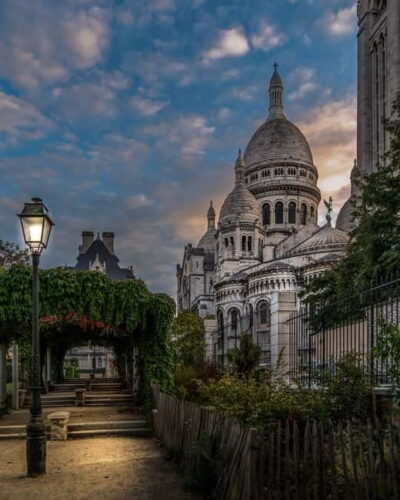
Montmartre Highlights Walking Tour with a Local Guide
Read our review →
Montmartre Cheese, Wine & Pastry Guided Walking Tour
Read our review →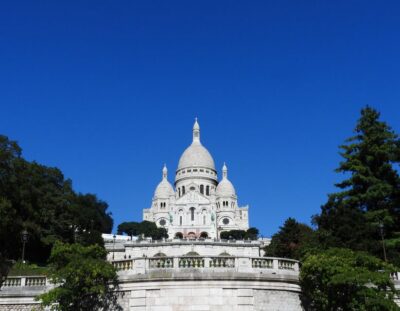
Sacré-Coeur and Montmartre Tour with Expert Guide
Read our review →
Private Montmartre Food Tour with Wine, Cheese & Pastries
Read our review →
Paris Montmartre Food Tour – A Full French Meal by Do Eat Better
Read our review →Browse the lists this tour appears in