
Reviewed · PASTRY AND MACARON CLASSES
Paris: French Croissant Baking Class at a Parisian Home
Fresh croissant dough smells like a small miracle.
This 90-minute class takes you into a real family kitchen where you learn the hands-on steps behind classic French croissants, not shortcuts. I love how personal it feels, and I love that the instruction explains the why as you work the dough. One possible drawback: with a 90-minute pace and a very small group, you may not get as much mixing time as you want.
You meet in front of the building and then step into Iveta’s home setting for a warm, friendly session built around her family recipe. In one booking, the class took place on her houseboat, which made the whole thing feel extra memorable. I appreciate the small group (up to 4) and the English-led guidance. If you want a more action-packed, do-everything-yourself workshop, come ready to be hands-on during shaping and lamination, but expect the host to guide the earlier steps.
In This Review
- Key Highlights You’ll Actually Care About
- Stepping Into a Real French Kitchen, Not a Classroom
- What makes it feel different
- The 90-Minute Flow, From Dough to First Bite
- When you arrive: get your bearings fast
- Dough Preparation: It’s More Than Mixing Ingredients
- Why this step pays off later
- Lamination by Hand: Folding Butter Like a French Habit
- What you should focus on during lamination
- Hand-Rolling the Crescent Shapes
- Shaping tips that actually help at home
- The Home-Oven Part: Getting That Golden Crunch
- How to use the tips when you bake again
- The Best Moment: Croissants Straight From the Tray
- Conversation adds real flavor
- Price and Value: Is $104 Worth It?
- Who This Croissant Class Suits Best
- Perfect matches
- Who might want to choose something else
- Tips Before You Go (So You Leave With Confidence)
- Should You Book This Paris Croissant Class?
- FAQ
- FAQ
- How long is the croissant baking class?
- What is the group size?
- Do I need professional baking experience?
- Is the class taught in English?
- What do I get to eat and drink at the end?
- Where do we meet?
Key Highlights You’ll Actually Care About
- Small group (up to 4): more hands-on attention while you roll, fold, and shape
- Real lamination by touch: you learn how butter layers behave, not just what to do
- Hand-rolling classic crescents: shaping practice without industrial equipment
- Home-oven golden crunch tips: practical advice so your results travel with you
- Fresh croissants at the table: you finish with warm pastries plus coffee or tea
- Stories of French life: the class comes with conversation, not just instructions
Other kitchens for macarons and pastry:
- Paris: Montmartre Cheese, Wine & Pastry Guided Walking Tour
★ 4.8 · 2,255 reviews - Paris: Macaron Class at Galeries Lafayette
★ 4.2 · 1,196 reviews - Award-Winning Paris French Bakery Experience — Le Marais, 4th Arr
★ 4.5 · 1,186 reviews - Private Montmartre Food Tour with Wine, Cheese & Pastries
★ 5.0 · 1,027 reviews
Stepping Into a Real French Kitchen, Not a Classroom
This is the kind of Paris food experience that makes you rethink what a cooking class can be. Instead of standing at a counter watching someone else work, you’re in the kitchen alongside Iveta, learning in a normal home environment with a family recipe at the center.
The best part is the tone. The session is friendly and easy to follow, and you get lots of information on why each step matters. One small detail I like: the communication is clear, so you spend less time guessing and more time doing.
What makes it feel different
Croissants are all about technique. Lamination, temperature, and handling make the difference between layered pastry and something denser. In a family kitchen, you’re shown the traditional approach, and that makes the “why” feel practical, not theoretical.
Also, you’re not stuck with industrial machinery or a commercial setup. That means what you learn is closer to what you can repeat back home in your own kitchen.
The 90-Minute Flow, From Dough to First Bite
Ninety minutes sounds short, but croissant making has a lot packed into it. In this class, the rhythm is built to get you through dough prep, lamination practice, hand shaping, and then the payoff at the table with coffee or tea.
You’ll move through the core steps with guidance, and you can ask questions as you go. The goal is not just to leave with a pastry in hand, but to leave knowing how the process works.
When you arrive: get your bearings fast
You’ll meet in front of the building. From there, you’ll be welcomed into a family kitchen where the masterclass is taught in English. Because the group is limited to 4, you should feel like a person, not a ticket number.
If you’re the type who likes clear roles, this will suit you. The instruction is structured, and you’re taught step-by-step through the family method, not random tips.
Other Paris ateliers to spend an afternoon in:
- Fragonard Paris: Mini Perfume Workshop★ 4.5 · 1,924 reviews
- Paris Cooking Class and Lunch with Wine plus Market Visit Option★ 5.0 · 1,024 reviews
- Paris Croissant Small-Group Baking Class with a Chef★ 5.0 · 910 reviews
- Paris: 2-Hour Perfume Creation Workshop★ 4.8 · 731 reviews
Dough Preparation: It’s More Than Mixing Ingredients
Croissants start with dough prep, and that’s where technique begins. You’ll be guided through preparing the dough for the process, learning what to watch for and how the dough should feel.
Since you don’t need professional baking experience, you can focus on learning the tactile cues. In butter dough work, visuals matter, but touch matters too. You’re shown how to tell when texture is right by hand, which is one of the most useful skills you can take home.
Why this step pays off later
If the dough starts off wrong, lamination gets frustrating fast. Too warm, too stiff, or handled too roughly, and the butter layers won’t behave. The class approach helps you connect early handling with later results.
That is also where the warmth of the teaching shows. One review highlighted how there is lots of information on why you’re doing what you’re doing. That kind of reasoning helps you avoid repeating mistakes when you bake again on your own.
Lamination by Hand: Folding Butter Like a French Habit
Lamination is the heart of croissant making, and this class treats it like it deserves. You’ll learn the rhythmic process of folding layers of rich French butter into the dough, in the traditional way.
You won’t be relying on industrial tools or machines. Instead, you learn the “touch” and “feel” that professional pastry work depends on. That means you’re not just memorizing motions, you’re learning what the dough is telling you.
What you should focus on during lamination
Watch the feel of the dough as layers are folded. The class emphasizes getting the texture right, and you’ll learn to recognize it as you work. Even if you’re a beginner, this is where you’ll start understanding why croissants look the way they do when baked.
One more thing I love here: lamination instruction helps you see croissants as structured layers, not just shaped dough. Once you understand it as layers created by deliberate folds, shaping and baking become easier.
Hand-Rolling the Crescent Shapes
After dough and lamination practice, the class moves into hand-rolling and shaping. You’ll be taught how to roll and shape the classic crescent croissant form.
This is where you get real feedback from your instructor. Because the group is so small, you can adjust technique mid-process instead of waiting until the end. It’s also a relief to learn shaping without industrial equipment, because it gives you a plan you can repeat later.
Shaping tips that actually help at home
You’ll get guidance for rolling and forming the crescents. The biggest takeaway is likely how much pressure and consistency matter. Croissant shaping is not about speed, it’s about control.
Also, shaping becomes simpler once lamination makes sense. When you understand the layers you built, you can shape with confidence, knowing the layers need to stay intact.
The Home-Oven Part: Getting That Golden Crunch
The class doesn’t end at shaping. You’ll get tips for baking croissants in a home oven, with special focus on that golden crunch.
This is the practical bridge between French technique and your kitchen. Commercial kitchens bake differently, and home ovens vary a lot. Learning how to think about timing and browning helps you avoid the most common croissant problem, pale color with uneven results.
How to use the tips when you bake again
When you bake at home, you’ll want to stay attentive to how your oven behaves. The class gives you the guidance for achieving the golden exterior, so you’re not guessing from scratch next time.
If you love hands-on learning, this segment is where your new skills turn into a repeatable routine.
The Best Moment: Croissants Straight From the Tray
Then comes the payoff. You sit down together and enjoy the warm, flaky croissants straight from the baking tray. It’s served with coffee or tea, so it feels like a French family morning rather than a demo finish.
This part matters more than it sounds. Eating immediately connects the final result to the steps you just did. You can literally taste what lamination and shaping produce.
Conversation adds real flavor
You’ll also hear stories of French life during the session. That makes the class more than food instruction. You get context for the tradition behind the technique, and it’s easier to remember what you were taught when there’s a story attached.
In one review, the welcoming warmth stood out, along with communication and a relaxed atmosphere. In another, the tea moment after baking was a highlight, along with good conversation.
Price and Value: Is $104 Worth It?
$104 per person for a 90-minute, hands-on croissant class sounds like a splurge. But the value comes from what’s included, and from the small-group setup.
You’re paying for:
- hands-on masterclass instruction in a family kitchen
- guidance through a family recipe
- lamination and hand-shaping training
- tips for getting results in a home oven
- the experience of eating freshly baked croissants with coffee or tea
- a setting that is intimate and personal (small group, up to 4)
If you’ve ever tried learning croissants from a video and then wondered why your layers didn’t behave, you’ll understand why this kind of coaching is worth it. The class gives you technique, tactile understanding, and practical home-oven advice, not just a recipe sheet.
One balanced note: because the format is tightly timed, you might not get every minute spent doing every task solo. A review suggested it could be improved by letting participants mix ingredients together more. If you’re very hands-on and want full control from start to finish, be ready for guidance in the earlier steps, with more participation during lamination and shaping.
Who This Croissant Class Suits Best
This workshop fits people who want a genuine food moment in Paris, but with real instruction you can reuse. It also suits beginners. You do not need professional baking experience, which makes it a great choice if croissants intimidate you.
Perfect matches
- couples or solo travelers who want a quiet, personal Paris experience
- food lovers who like skill-based classes
- anyone who wants traditional lamination and shaping, explained in English
- travelers who prefer small-group settings over crowded tours
Who might want to choose something else
If you want a big sightseeing day, this is not that. This is about the kitchen and the craft. Also, if your main goal is to mix every ingredient yourself with minimal instructor involvement, you may find the pace and guidance style slightly less hands-on than you expect.
Tips Before You Go (So You Leave With Confidence)
Croissants reward calm focus. Come ready to learn by touch, not just by watching. Dress comfortably for a home kitchen setting, and be ready to engage in shaping and handling dough.
Since the class is in English, you can ask questions as you go. If something feels confusing, ask immediately rather than waiting. Getting clarity on technique in the moment is how this turns into real ability later.
Finally, plan to treat the experience like a process lesson. The point is not just finishing with a croissant. The point is understanding the method well enough to bake again at home.
Should You Book This Paris Croissant Class?
Yes, you should book it if you want hands-on French baking in a small-group, family-kitchen setting. At $104 for 90 minutes, the price makes sense because you’re not just tasting, you’re learning lamination, hand-shaping, and home-oven tips you can actually use again.
You’ll particularly like it if you value clear explanations and a warm atmosphere. Praise for Iveta’s friendliness, good communication, and lots of information on why each step happens shows that the teaching style works for beginners too.
I’d skip it only if you want a longer, free-form workshop where you do every step on your own with minimal guidance. For most people, the balance here is the sweet spot: friendly instruction, real technique, and a fresh croissant moment that feels truly Paris.
FAQ
FAQ
How long is the croissant baking class?
The class lasts 90 minutes.
What is the group size?
It is a small group limited to 4 participants.
Do I need professional baking experience?
No. No professional baking experience is required.
Is the class taught in English?
Yes, the instructor teaches in English.
What do I get to eat and drink at the end?
You enjoy freshly baked croissants with coffee or tea.
Where do we meet?
You meet in front of the building.
French Kitchens to Cook In
- Paris: French Croissant Baking Class with a Chef
★ 4.9 · 712 reviews - Paris Cooking Class: Learn How to Make Macarons
★ 5.0 · 634 reviews - Paris Culinary Tour: 11 Tastings & 2 Wines in Le Marais
★ 4.8 · 625 reviews - Paris: French Macaron Culinary Class with a Chef
★ 4.9 · 591 reviews
Newest write-ups from Paris




Pastry and Macaron Classes, compared.
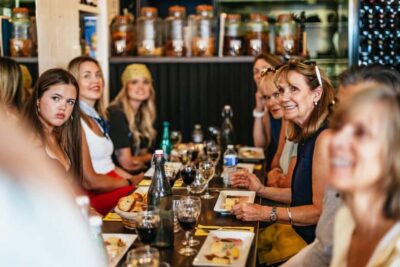
Montmartre Cheese, Wine & Pastry Guided Walking Tour
Read our review →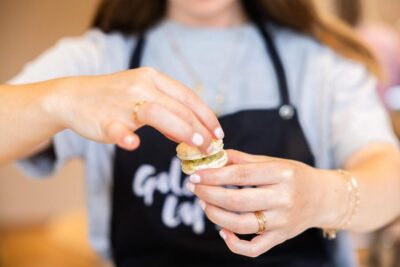
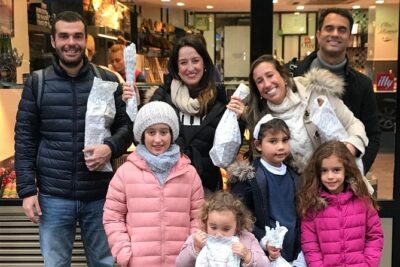
Award-Winning Paris French Bakery Experience — Le Marais, 4th Arr
Read our review →
Private Montmartre Food Tour with Wine, Cheese & Pastries
Read our review →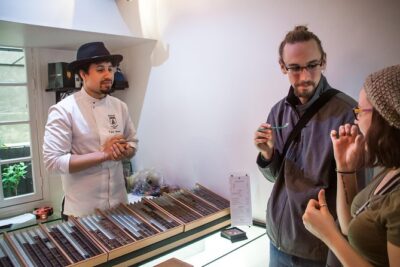
Paris French Sweets Tasting Tour with Pastries and Chocolates
Read our review →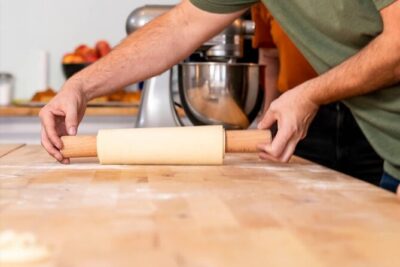
Paris Croissant Small-Group Baking Class with a Chef
Read our review →

Browse the lists this tour appears in