Reviewed · TOURS
Paris: French Revolution Tour Relive the 14th July 1789
Bastille Day comes from side streets. This ParisVu 14th July 1789 walking tour turns a textbook date into a street-level route, led by Robin who brings the day to life in plain, human terms. You trace how events unfolded around the places tied to the storming of the Bastille, while still keeping an eye on how the chaos spread beyond a single landmark.
I love two things most. First, the focus on working-class neighborhoods makes the uprising feel less random and more like something people felt in their daily lives. Second, the guide makes you notice how neighborhoods still hint at the 18th century. One drawback to consider, though, is that the tour strongly centers on the lead-up and July 14, 1789, so if you want a long, step-by-step follow-through to later revolution eras, you may feel it runs out of steam.
In This Review
- Key things to know before you go
- A Paris French Revolution tour that moves with the day
- Meeting Robin: the guide who tells it like a story
- From Pl. du Dr Antoine Béclère into Le Faubourg Saint Antoine
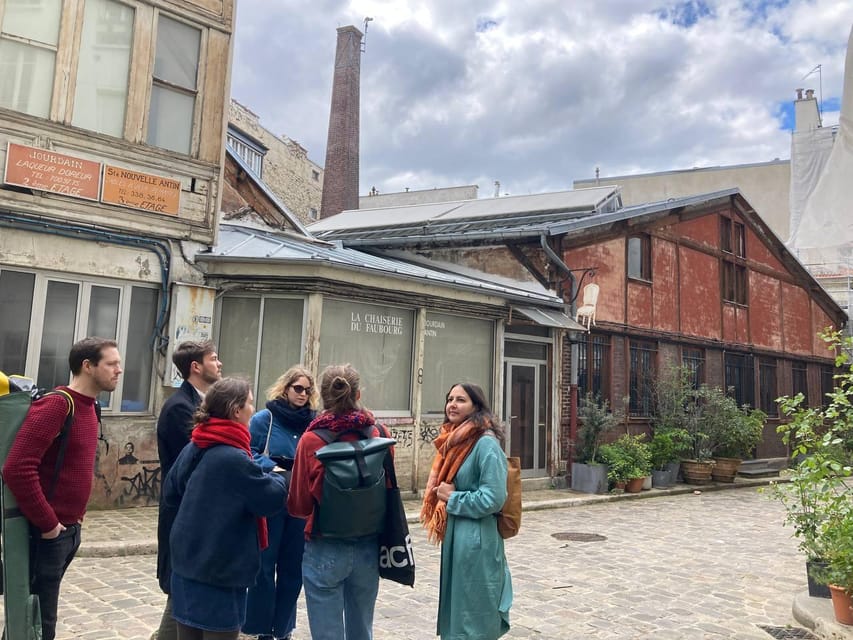
- La Folie Titon: why a lesser-known stop hits hard
- The passage de Lhomme and the power of narrow space
- A viewpoint photo stop, plus the clues you notice once you know
- Finish at Place de la Bastille: symbolism with street-level context
- Price, group size, and timing: why 90 minutes works
- Who should book this French Revolution walk
- Should you book ParisVu’s 14 July 1789 tour?
- FAQ
- FAQ
- How long is the French Revolution tour?
- Where does the tour start and where does it end?
- How much does it cost?
- What languages are available?
- Is it a small group?
- Are there any extra fees?
Key things to know before you go
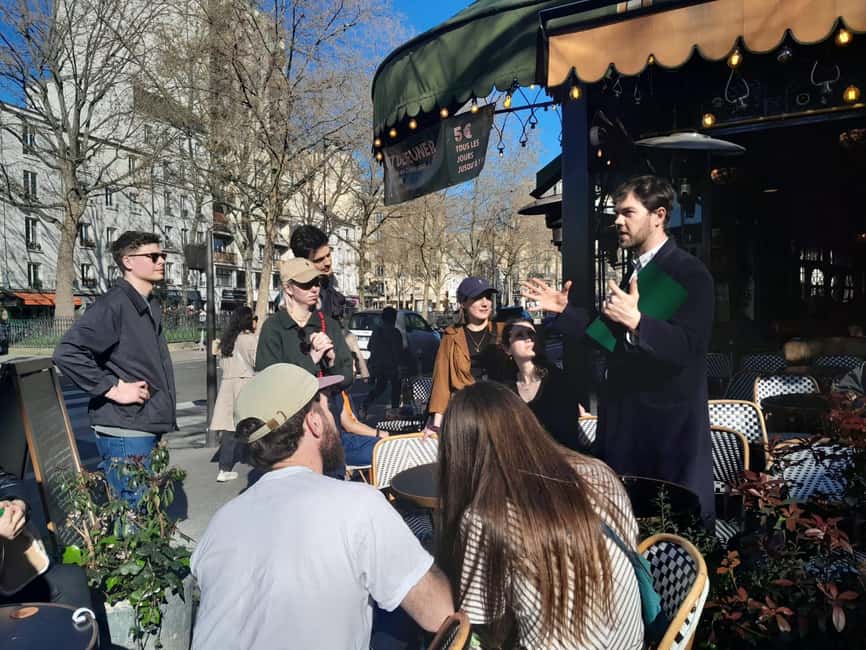
- Small group size (typically capped around 10 to 15) keeps questions in the conversation, not stuck at the back.
- Hour-by-hour storytelling for 14 July 1789 helps you follow the escalation without getting lost in dates.
- Le Faubourg Saint Antoine gets treated like a character, not just background scenery.
- La Folie Titon and passage de Lhomme show how side streets and smaller spaces matter in real history.
- One clear finish at Place de la Bastille, so you end where the symbolism peaks.
Worth a comparison before you book. Others in Paris covering the same ground:
- Paris: 1-Hour Seine Cruise departing from the Eiffel Tower
★ 4.4 · 77,472 reviews - Disneyland® Paris 1-Day Ticket
★ 4.6 · 49,412 reviews - Paris: Versailles Palace and Gardens Full Access Ticket
★ 4.6 · 41,579 reviews - Paris: Arc de Triomphe Rooftop Tickets
★ 4.6 · 34,264 reviews
A Paris French Revolution tour that moves with the day
Most Paris history tours stop at famous buildings. This one keeps moving, and that matters. When you’re walking, you can feel how a crowd could gather, how fast rumors travel, and how ordinary streets could become political stages.
The format is short too, about 90 minutes. That is long enough for context, but not so long that it turns into a lecture marathon. You also get the framing that the day matters not just as a battle moment, but as a chain of pressure, anger, and decision-making that built in the background.
At $37 per person, the value comes from the combo of a tight route, a small group, and the focus on a single day with clear story beats. There are no additional fees attached, so you can plan your budget without surprises.
Meeting Robin: the guide who tells it like a story
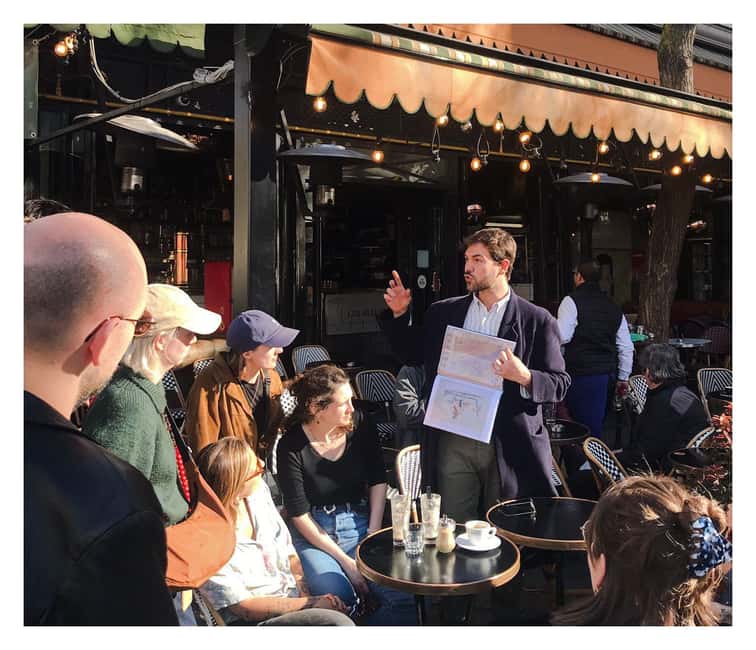
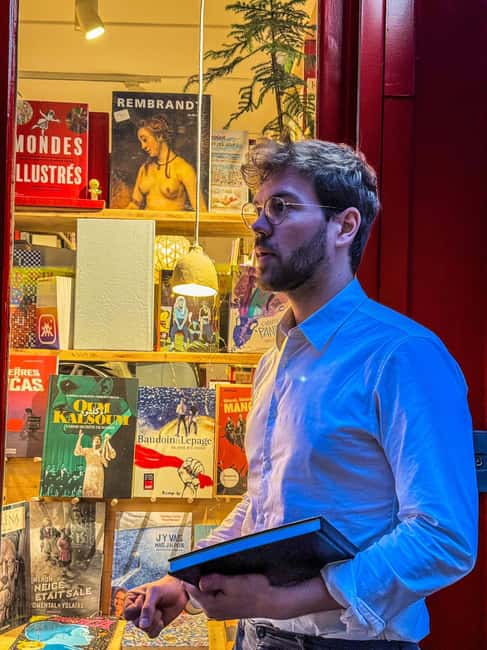
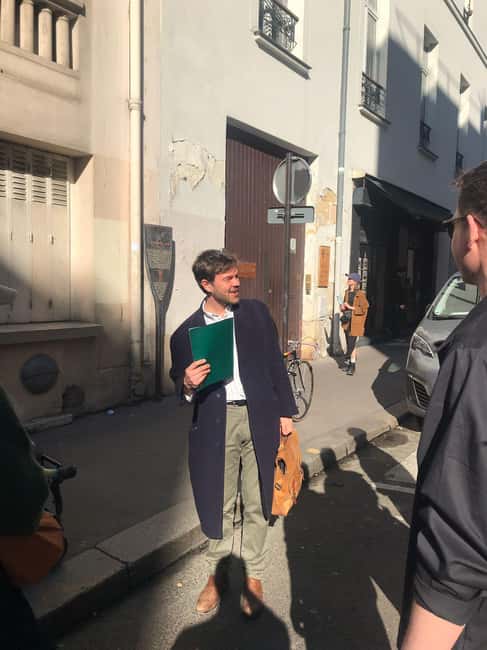
The biggest difference here is the guide. Robin is described in the strongest terms as funny, energetic, and able to answer questions without shutting people down. That style is not fluff. It is what keeps the details from turning into a dry list.
You also get what feels like a mix of street history and teaching skill. Several guests highlight that Robin’s explanations connect “what happened” with “why people acted.” One person even called him a history professor and said he used pictures to help you visualize the past, which is exactly what you want for 18th-century events.
English is offered, and so are French and German, which is a big plus if you’re traveling with friends who want the narration in their own language. A small-group format makes it easier to ask, “Wait, how did we get from there to the Bastille?”
From Pl. du Dr Antoine Béclère into Le Faubourg Saint Antoine
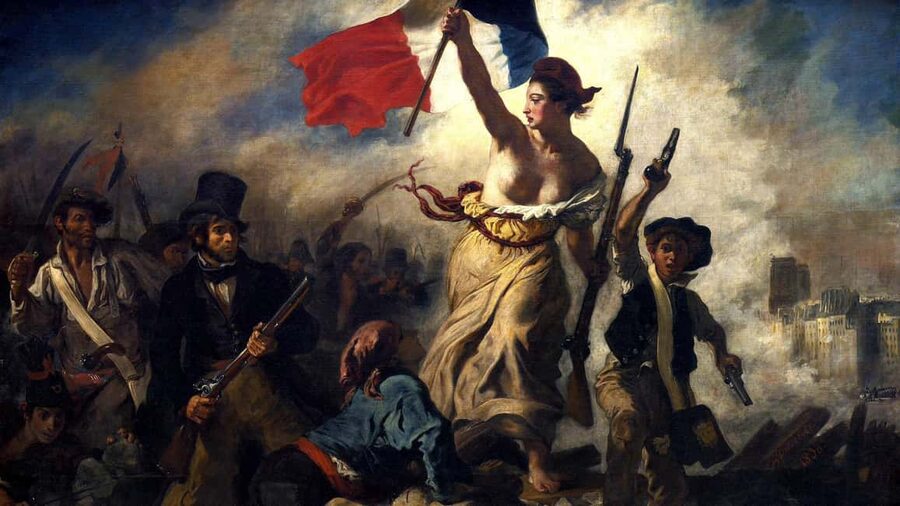
The tour starts at 1 Pl. du Dr Antoine Béclère, and from there it heads into the neighborhood side of the revolution. This is where the experience earns its keep: Le Faubourg Saint Antoine is not treated as a scenic detour. It is treated as part of the machine that made July 14 possible.
What I like about this approach is that it corrects a common Paris problem. You can spend days seeing monuments and still not understand what ordinary people were dealing with. In this neighborhood-focused route, you’re pushed to connect daily life with public anger, especially the social pressure building in working areas.
This is also where the tour feels more “Paris real” than “Paris postcard.” Instead of only big sights, you’re walking streets where the urban layout still gives clues. That helps you understand how people could move quickly when the moment arrived.
La Folie Titon: why a lesser-known stop hits hard
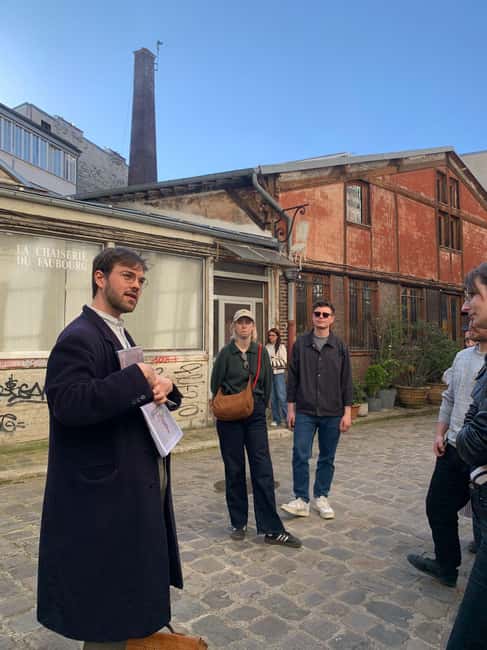
One of the standout named stops is La Folie Titon. The key word is “lesser-known.” Famous Revolution sites are everywhere, but spots like this one matter because they show the texture of the time.
When Robin points out these places, he is not just naming them. He is using them to explain how the city looked and worked when ordinary life sat close to political tension. Even if you do not know the story already, the tour makes it easier to see why these areas were primed for conflict.
Practical tip: if you like photos, this is the kind of stop where you can take a few minutes and look around slowly. Pay attention to street width, how people might have gathered, and how side entrances and courtyards change crowd movement. That is the kind of “small detail” several guests praised, and it is a big part of why this tour sticks in your head.
If this one is booked out, Paris has these too:
- Paris: Orsay Museum Entry Ticket★ 4.7 · 25,647 reviews
- Paris: Evening River Cruise with Music★ 4.4 · 22,721 reviews
- Paris: Eiffel Tower Entry Ticket with Optional Summit Access★ 4.4 · 20,035 reviews
- Eiffel Tower Dedicated Reserved Access Summit or 2nd Floor★ 4.3 · 18,352 reviews
The passage de Lhomme and the power of narrow space
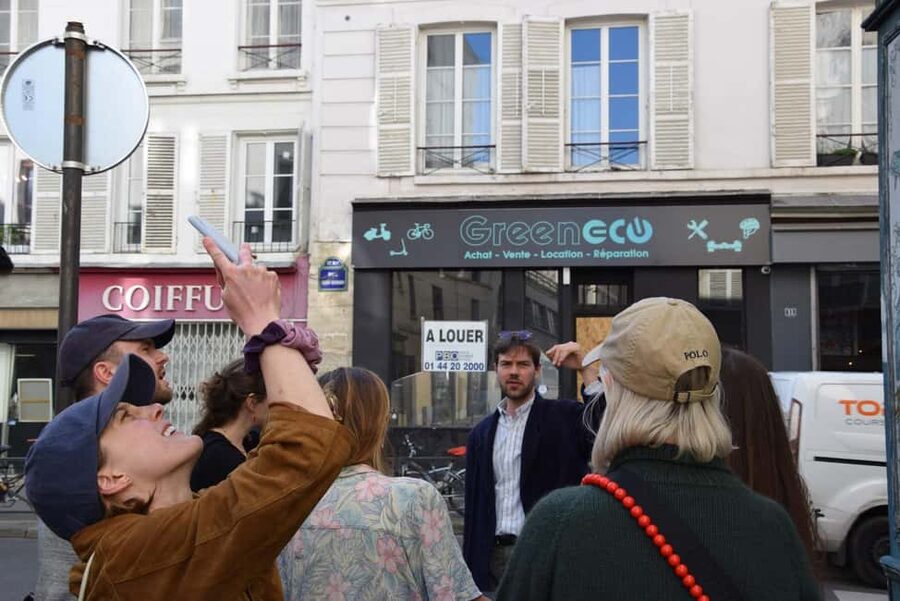
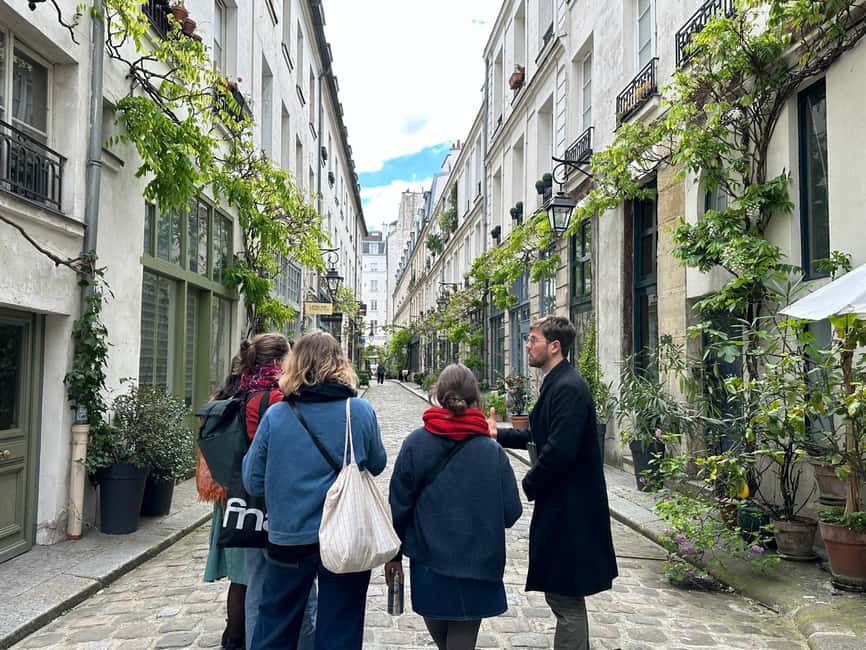
Another highlighted stop is passage de Lhomme. Passages in Paris are famous for a reason: they create hidden links between streets. In a revolution context, that kind of space is not random. It is exactly the sort of “in-between” area where news could spread, where people could cluster, and where tension could feel closer than you expect.
This is where the tour’s storytelling method pays off. You are not just hearing about the storming of the Bastille. You are getting help imagining what it meant to live in a dense city where movement channels could become pathways for collective action.
If you are the type who likes to picture scenes while you learn, this stop will feel satisfying. And if you are more skeptical about history tours, it still works because you can physically see why the layout matters.
A viewpoint photo stop, plus the clues you notice once you know
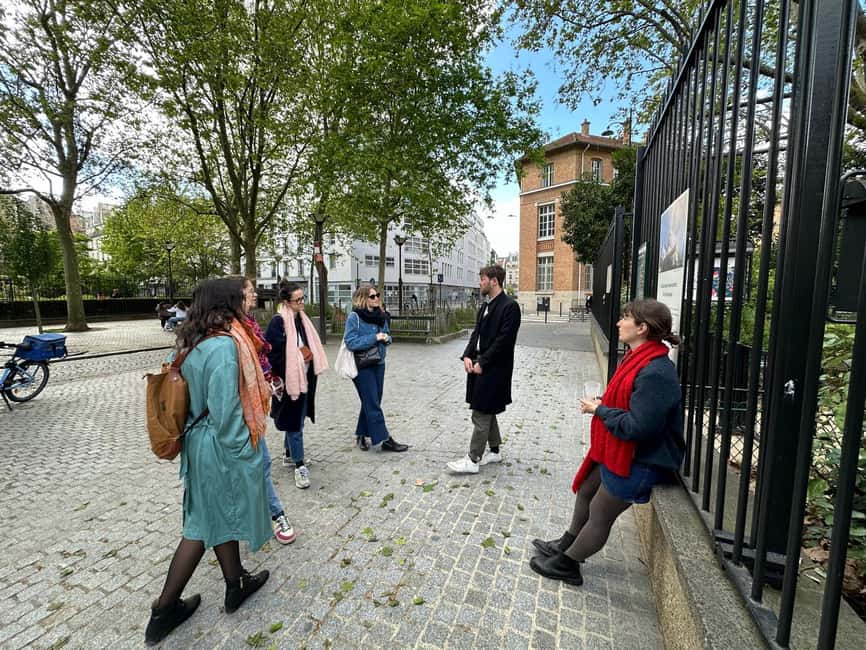
Halfway through, you hit a viewpoint photo stop, and then you keep walking. These photo pauses are not just for your camera roll. They are a chance to reset your brain and connect what you just learned with what you can see.
From a viewpoint, you can better understand the “shape” of the neighborhood. That helps you grasp why crowds could surge where they did. It also makes the route feel more coherent, like a story with cause and effect rather than a parade of stops.
This is also a good moment to ask questions. Multiple guests said Robin invited engagement, and the best questions tend to be simple ones: How did this area differ from other districts? Why did timing matter on the day? What did people expect to happen once the fighting began?
Finish at Place de la Bastille: symbolism with street-level context
The walk ends at 28 Pl. de la Bastille, so you get the big emotional payoff without dragging out the day. Bastille is famous, but it is also easy to treat it like a museum piece. The advantage of finishing here is that you arrive with context, not just curiosity.
What I like is that the tour does not leave you with only the moment of the storming. It frames the day as connected to what followed, and it gives you a better sense of how the revolution’s energy spread. That said, one note to keep expectations realistic: the tour is tightly focused on July 14 and the lead-up, and it may not provide a full, extended timeline after 1789.
So think of this as a “foundations” tour. You get the spark, the build-up, and the first major eruption. If you want to keep going chronologically through later revolution phases, you might pair this with another guided walk dedicated to what happened after.
Price, group size, and timing: why 90 minutes works
A lot of small-group walking tours either cram too much into too little time, or they feel stretched. This one lands in the sweet spot.
- Duration: about 90 minutes, so you stay focused.
- Group size: 10 to 15 max, so you get interaction.
- Cost: $37 per person, which is a fair trade for a tight historical route with a live guide and no extra add-ons.
The short format also helps if you are doing other Paris sightseeing the same day. Several guests said the tour gave them context for everything else they saw afterward. That makes sense. Once you understand why certain districts mattered, you start reading the city differently.
Timing note: you will be walking on city streets, so plan comfortable shoes and a pace you can sustain for an hour and a half. If you are hoping for a fully seated experience, this is not it.
Who should book this French Revolution walk
Book it if you want your Revolution history connected to real neighborhoods, not only monuments. It is especially good for history fans who also enjoy urban wandering, and for people who like guides who can tell a story with humor and clarity.
It also suits you if you are visiting Paris more than once in your life. Even if you have been to Bastille before, the neighborhood approach can change how you experience it. One guest even said they lived nearby and still learned new explanations, which is usually a strong sign the tour goes beyond the obvious.
Skip it or think twice if your main goal is a long, detailed tour that runs through every major phase after 1789. This one is about July 14 and the conditions behind it, and it is not trying to cover the entire sweep of the Revolution in one outing.
Should you book ParisVu’s 14 July 1789 tour?
Yes, if you want a small-group, street-level Paris French Revolution tour with clear storytelling and a strong focus on why July 14 happened. Robin’s style comes up again and again: funny, engaging, and able to explain social conditions in a way that makes the uprising feel real rather than abstract.
If you want the whole Revolution timeline in one sitting, you might still enjoy it, but you should plan to add another tour later. As a starting point, this one is a great choice. You finish at Place de la Bastille with your questions answered enough to keep exploring on your own.
FAQ
FAQ
How long is the French Revolution tour?
The tour lasts about 90 minutes.
Where does the tour start and where does it end?
It starts at 1 Pl. du Dr Antoine Béclère and ends at 28 Pl. de la Bastille.
How much does it cost?
It costs $37 per person.
What languages are available?
The live guide offers tours in English, French, and German.
Is it a small group?
Yes. The experience is listed as a small group, limited to about 10 to 15 participants.
Are there any extra fees?
There are no additional fees noted for the tour.
Newest write-ups from Paris


Tours, compared.
Louvre Guided Tour with Reserved Access & Boat Cruise
Read our review →
Big Bus Hop-On Hop-Off Tour with Optional Cruise
Read our review →
Louvre Museum Masterpieces Guided Tour with Access
Read our review →
Skip-the-Line Tour of Palace and Gardens Access
Read our review →
Louvre Overview, Exploration tour and Reserved Entry
Read our review →
Mona Lisa & Louvre Masterpieces Tour with Reserved Access
Read our review →
Paris Big Bus Hop-On Hop-Off Tour with Optional River Cruise
Read our review →