
Reviewed · WALKING TOURS
Paris History Walking Tour
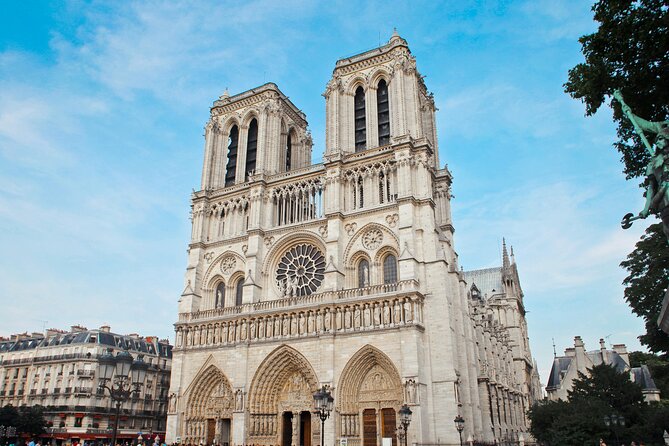
Start where Paris history starts, Notre-Dame. This 1 hour 30 minute walk strings together major landmarks and lesser-known corners in central Paris, so you can follow a real timeline without spending the whole day on one museum. You also get the kind of context that makes famous buildings feel personal, from early roots to the 20th century.
I especially like how the route keeps the pace brisk but still meaningful. You move through Roman and early Christian Paris, then fast-forward to later periods with clear, story-based explanations that help you understand what you are looking at. The small group size (max 15) also helps, because your guide can steer the walk instead of reading a script into the crowd.
One thing to consider: several stops require their own admission tickets not included, so the tour is best if you want the big overview first, then decide later what to enter on your own. If you are hoping for a fully ticketed sightseeing marathon, you might feel slightly time-limited at each location.
In This Review
- Key points before you go
- Why this 90-minute history loop works so well
- Starting at Parvis Notre-Dame, then going far back fast
- Notre-Dame to Sainte-Chapelle: faith, kings, and surviving conflict
- Staring at bridges like you mean it: Pont Saint-Michel and Pont Neuf
- The Louvre edge and Napoleon: church shadows to Arc de Triomphe du Carrousel
- Ending in Jardin des Tuileries: culture after the stone stories
- Price and pacing: what $36.12 buys you
- Who should book this tour, and who might not love it
- Should you book this Paris History Walking Tour?
Key points before you go
- A tight 90-minute timeline that covers medieval power, religious conflict, and 20th-century history
- Small group focus (up to 15) that makes the walk feel interactive, not chaotic
- Smart pairing of sites like Île de la Cité landmarks and Latin Quarter bridge stories
- Courtyard-level Louvre context without needing full museum time
- Easy finale in the Tuileries so you can keep your sightseeing going right away
Other arrondissements taken at walking pace:
- Paris Top Sights Half Day Walking Tour with a Fun Guide
★ 5.0 · 2,893 reviews - Montmartre Hidden Gems and Scenic Highlights Walking Tour
★ 5.0 · 2,684 reviews - Montmartre Hill French Gourmet Food and Wine Tasting Walking Tour
★ 5.0 · 2,588 reviews - Paris: Montmartre Highlights Walking Tour with a Local Guide
★ 4.9 · 2,318 reviews
Why this 90-minute history loop works so well
Paris can swallow time fast. One minute you are staring at stonework, the next minute you are lost in a museum wing and it is lunch. This tour is built to prevent that. In about 90 minutes, you get a linked route through the city’s most history-heavy zone, with just enough stop time to orient you.
What you get is not just a list of monuments. You get connections. For example, you will see how the center of Paris kept changing, from early religious foundations to later political and cultural shifts. That turns your first day into a map you can reuse for the rest of the trip.
And the pace is realistic. Each stop is short, around 10 minutes, which means you are moving, listening, and looking, without feeling stuck at one place.
Starting at Parvis Notre-Dame, then going far back fast
The walk begins at the Parvis Notre-Dame, Place Jean-Paul II (75004). This is a strong starting spot because the area around Notre-Dame has layers. Even before you focus on the cathedral itself, the guide’s stories typically set the stage with what came before, including prehistoric inhabitants of the region. That kind of opening is simple, but it changes how you look at the site.
From there, you start with the big emotional and political weight of the cathedral. You learn about Notre-Dame’s conception and the years of controversy and war the building has lived through. It helps you understand why this place is more than a postcard. It is a historical anchor in the middle of constant change.
If you are new to Paris, this start is a gift. It trains your eyes for the rest of the day, because you begin noticing how the city keeps rebuilding over older eras.
Notre-Dame to Sainte-Chapelle: faith, kings, and surviving conflict
Notre-Dame de Paris is your first stop, but you are not stuck there. You are using it as the entry point into a broader story about how religion and power shaped the city.
Next comes Eglise Saint Julien Le Pauvre. This is the kind of church that feels quieter than the headline sights, and that is exactly why it works on this route. You get evidence of Roman and early Christian Paris, plus a reminder of what the streets looked like before the Haussmann rebuilding in the 19th century. In other words, it is a chance to sense the city’s older bones before the “big boulevards” era took over.
Then you move to Sainte-Chapelle. Even if you do not go inside, you learn the story around saints, kings, and relics tied to the chapel’s reputation. It also sits in the heart of Île de la Cité, which is perfect for getting oriented in the geographic core of Paris.
At these stops, the short format is a plus. You get the context quickly, then you can decide later if a particular interior is worth your time and ticket cost.
Staring at bridges like you mean it: Pont Saint-Michel and Pont Neuf
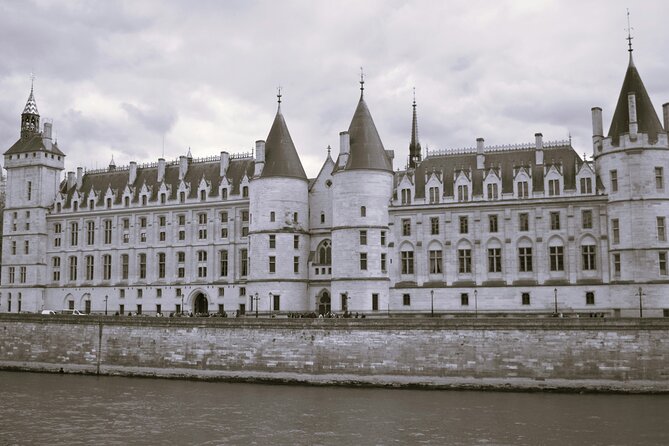
After the Île de la Cité landmarks, the tour shifts your attention outward, and that is where the walk becomes very “Paris.” You cross the water through two historic bridges, each with a different theme.
Pont Saint-Michel is where the story moves into the 20th century. You hear how WWII and the so-called Lost Generation connect to the Latin Quarter area nearby. This is a smart angle, because you are not just looking at architecture. You are learning how ordinary city spaces become part of national memory.
Then you reach Pont Neuf. The guide uses this vantage point to talk about Paris geography and its ancient beginnings. You also learn about one of France’s most famous kings, which helps you connect the bridge to the broader sweep of French history.
One practical note: bridges are outdoors and exposed. In good weather, they are great for seeing the city from angles you do not get from streets. In wind or rain, you may want to keep your outer layer ready.
A handful more Paris options to weigh up
- Paris: Dark History and Ghostly Guided Walking Tour★ 4.7 · 1,000 reviews
- Le Marais/Paris – The Historic, Trendy, Jewish, LGBT district★ 5.0 · 341 reviews
- Paris City of Fashion History Private Guided Walking Tour★ 5.0 · 221 reviews
- History of Paris City Center w/ Notre Dame Semi-Private 12ppl Max★ 5.0 · 194 reviews
The Louvre edge and Napoleon: church shadows to Arc de Triomphe du Carrousel

Next comes a pair of stops that feel like a contrast. You start with Eglise St-Germain l’Auxerrois, perched on the edge of the Louvre complex. This church is described as tied to some of the darkest moments in the French Wars of Religion, and that tone matters. It gives you a reminder that even “beautiful Paris” can include painful chapters.
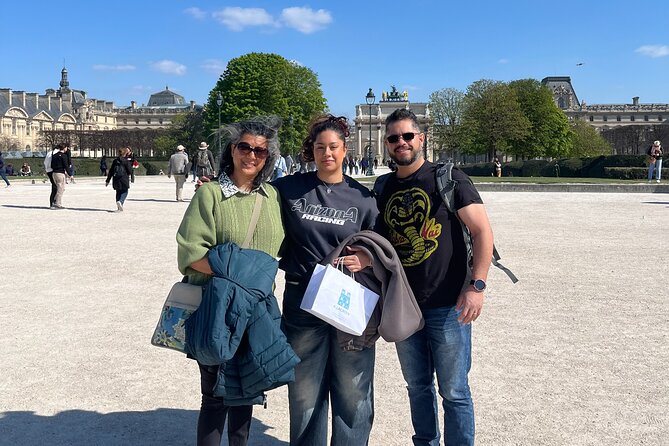
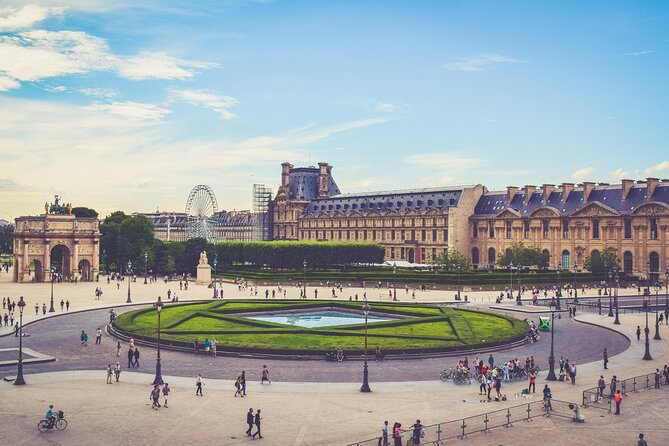
From there, the walk goes into Louvre territory, but at a light-touch level. Instead of trying to cover the whole museum, you walk through the courtyards of the Louvre complex. You learn about its history and catch glimpses of hidden iconography that you can miss when you treat the museum only as a ticket line and a list of must-sees.
Then you finish this arc at Arc de Triomphe du Carrousel, where you learn about Napoleon Bonaparte before entering the Tuileries Gardens. It is a nice shift, because Napoleon is the bridge between old empire stories and the way Paris later reorganized its public spaces.
If you like history that explains why buildings look the way they do, this section delivers. Courtyards and exterior monuments are often the quickest way to spot symbols and intent, and you get coached on what to notice.
Ending in Jardin des Tuileries: culture after the stone stories
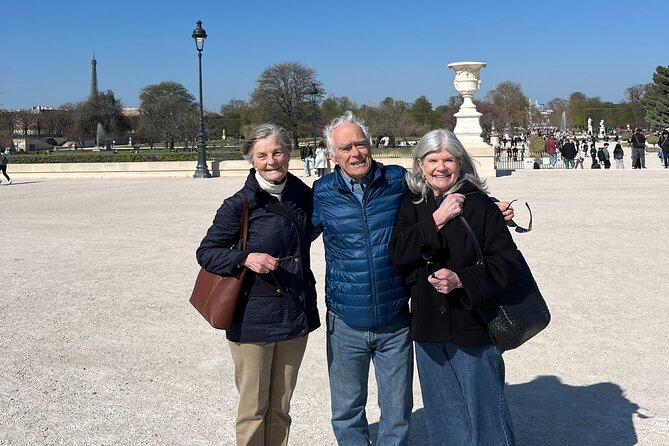
The tour ends in the Tuileries Gardens. This is a strong ending because the garden gives your feet a chance to rest while still letting you keep sightseeing.
Here, the guide shares stories about Parisian culture and life in the times of famous kings. You are no longer inside the “most famous structures” zone only, you are in a lived-in space where power and leisure overlap. It is also practical: there are two Metro stations within about a 3 minute walk, so you can hop to your next stop without backtracking.
If you plan your day smartly, you can treat this end point as your launchpad for afternoon plans near the Louvre, the Opéra area, or other central neighborhoods.
Price and pacing: what $36.12 buys you
At $36.12 per person for about 1 hour 30 minutes, you are paying mainly for two things: a guided storyline and a route that compresses lots of landmarks into one plan.
That value is strongest if you are time-pressed or you want a first-day orientation that helps everything else click. The tour is also small group (max 15), which usually means less time waiting and more time with your guide’s explanations.
The one cost watch-out is admissions. Several stops note admission tickets not included. So you should think of this as a history-and-orientation walk first. If you later decide to enter Notre-Dame areas, Sainte-Chapelle, or the Louvre interior, you will do that separately.
In simple terms, this price makes sense when you want the “why this matters” part right away, then you choose what to go deeper into on your own schedule.
Who should book this tour, and who might not love it
This tour fits best if you:
- want a fast first-day overview of central Paris history
- like walking and short, story-driven stops
- want help connecting landmarks to the bigger events behind them
- appreciate a small group format instead of a large, noisy bus-style experience
It may be less satisfying if you:
- prefer long time inside major attractions (this walk keeps stops around 10 minutes)
- hate paying separate entry fees later
- already know the history well and mainly want a self-guided route
One extra perk for planning: the guide recommendations can help you turn the Latin Quarter orientation into a good meal plan. For example, one recommended stop you might consider is La Petit Chatelet.
Should you book this Paris History Walking Tour?
Yes, if you want a focused, early overview of Paris built around a real timeline, not just photo ops. The route hits big names like Notre-Dame and Sainte-Chapelle, then balances them with smaller, older-feeling churches and two bridge stories that connect history to the streets you will keep walking.
Book it especially if you are visiting for the first time, or if you want to set your bearings fast. Just go in knowing this is an overview walk, with many sites outside or courtyard-level, and that admission may be something you add later based on your interests.
Newest write-ups from Paris






Walking Tours, compared.
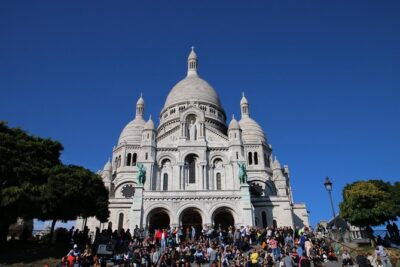
Paris Top Sights Half Day Walking Tour with a Fun Guide
Read our review →
Montmartre Hidden Gems and Scenic Highlights Walking Tour
Read our review →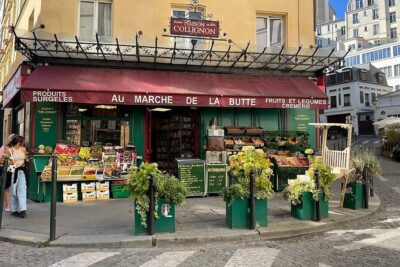
Montmartre Hill French Gourmet Food and Wine Tasting Walking Tour
Read our review →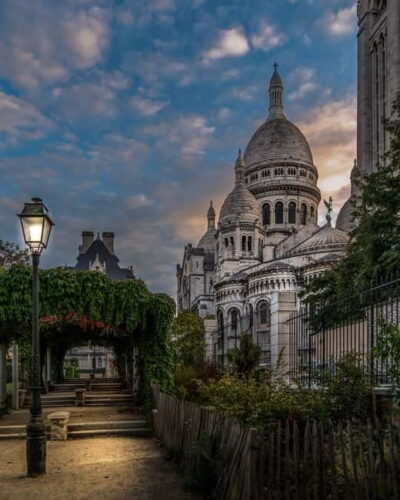
Montmartre Highlights Walking Tour with a Local Guide
Read our review →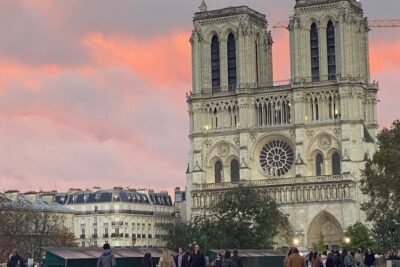
Paris Île de la Cité and Notre-Dame Walking Tour With Crypt
Read our review →
Montmartre Cheese, Wine & Pastry Guided Walking Tour
Read our review →
Paris in a Day: Louvre or Orsay, Eiffel Tower, City Walk & Cruise
Read our review →
Paris City Center Free Walking Tour (Tip-Based)
Read our review →Browse the lists this tour appears in