
Reviewed · PASTRY AND MACARON CLASSES
Paris: Kids in the Kitchen – Croissant
Paris gets serious about food, even for kids. This Kids in the Kitchen Croissant class takes place in a private apartment kitchen and keeps things hands-on with tools that match what you can use at home, not industrial gear. I like that it’s built for families starting at age 3, and that the lesson blends making croissants with a fun walk through how viennoiseries connect across time. One thing to consider: the meeting place is a 5th floor with no elevator, so plan for stairs if you have a stroller or mobility needs.
The experience runs 90 minutes and works best as a calm, small-group activity (limited to 4 participants). You’ll start with la mise en place, then move into the broader croissant and viennoiseries story, including the note that croissant was created in Austria. The price is $182 per person, so think of it as a personalized family cooking session more than a budget food stop.
In This Review
- Key Things That Make This Croissant Class Different
- A Private Apartment Kitchen, Built for Kids (Not a Warehouse)
- Meeting the Group and Getting Set Up with Materials
- From La Mise en Place to the Croissant and Viennoiserie Story
- Simple Tools You Can Reuse Back Home
- Language Comfort and Small-Group Attention
- Price and What You’re Really Paying For
- Who This Croissant Class Is Best For
- Quick Practical Notes Before You Go
- Should You Book This Croissant Experience?
- FAQ
- How long is the Paris Kids in the Kitchen Croissant class?
- Where does the class take place?
- What languages is the instructor available in?
- Is there a small group limit?
- What’s included in the price?
- What ages is it suitable for?
- Can I cancel or change my plans?
Key Things That Make This Croissant Class Different
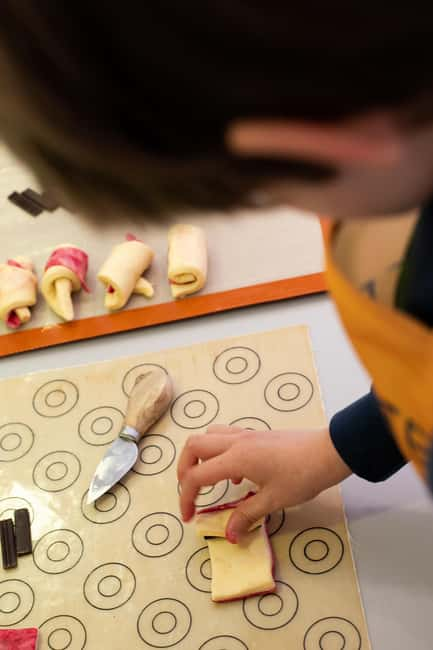
- Kid-first setup from age 3, with a format designed for small hands and attention spans.
- Home-style tools, so what you learn isn’t locked to fancy professional equipment.
- Mise en place at the start, teaching organization before anything gets messy.
- A Viennoiserie story, including the Austria origin detail for croissant.
- Small group limit of 4, which matters for pacing when kids want to ask questions.
- Instructor support in English or Spanish, helpful for mixed-language families.
Other kitchens for macarons and pastry:
- Paris: Montmartre Cheese, Wine & Pastry Guided Walking Tour
★ 4.8 · 2,255 reviews - Paris: Macaron Class at Galeries Lafayette
★ 4.2 · 1,196 reviews - Award-Winning Paris French Bakery Experience — Le Marais, 4th Arr
★ 4.5 · 1,186 reviews - Private Montmartre Food Tour with Wine, Cheese & Pastries
★ 5.0 · 1,027 reviews
A Private Apartment Kitchen, Built for Kids (Not a Warehouse)
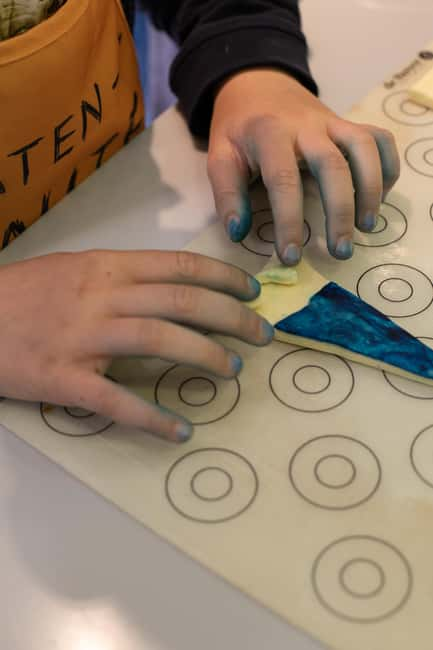
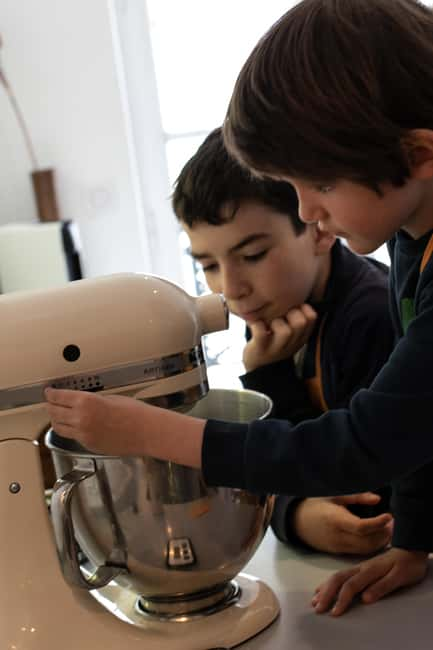
This class happens in a private Parisian apartment, not a commercial cooking school. For families, that change matters. In a home-style kitchen, the experience tends to feel more relaxed, and the instructor can guide each person without the noise and crowds you get in larger spaces.
You’ll be using simple tools that recreate the experience as much as possible using what most people can handle at home. That is a big deal for value, because a lot of cooking classes teach steps that only work with specialized equipment. Here, the message is clear: you should be able to repeat what you learn later.
The practical downside is the location setup. The apartment is on the 5th floor with no elevator. If you’re traveling with little ones, a stroller, or heavy bags, factor in extra time and some stairs fatigue. Also, if you’re bringing everyone in one group, you’ll want to arrive earlier than you think so the day stays smooth.
Meeting the Group and Getting Set Up with Materials
The class is designed for a small group, limited to 4 participants. That size is part of the whole point. When you only share the kitchen with a few people, kids get more direct attention, and you can keep the pace manageable.
Before cooking, you’ll get the foundation for how the session runs. The plan begins with la mise en place, which is a French cooking concept that basically means you set up what you need in an organized way before you start. For families, it helps in two ways: kids can see what comes next, and it reduces chaos when multiple people are learning.
Materials are included, and the class provides an apron to borrow. You also get coffee or tea. Those inclusions are not flashy, but they reduce the hassle of travel day shopping. You show up, you cook, and you don’t need to bring extra supplies just to participate.
From La Mise en Place to the Croissant and Viennoiserie Story
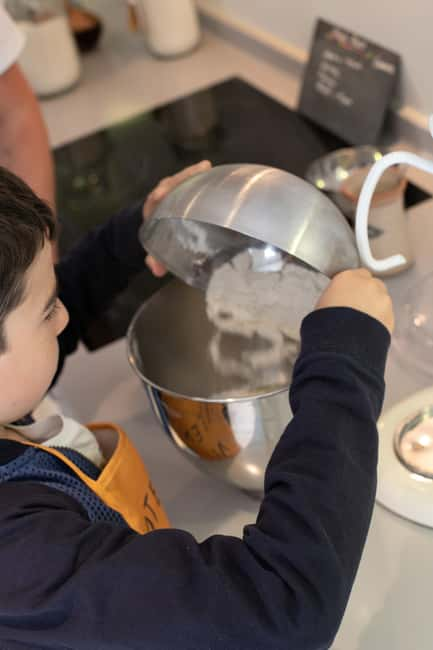
The session is structured around two parts: practical cooking basics and a guided explanation of what you’re making and why it matters.
First comes la mise en place. In real kitchens, this is the difference between a smooth session and a stressful one. It also teaches kids that cooking is more than mixing ingredients. It’s planning, measuring, and getting organized so the actual work is fun instead of frantic.
Then the class turns into a discovery journey: you’ll travel together over time to understand everything about croissant and viennoiseries. You also learn a specific origin detail, that croissant was created in Austria. That kind of fact sticks because it’s not just trivia. It gives a context for how pastries move across regions, kitchens, and styles.
For a kid-friendly class, this approach is smart. Kids often focus on what they can do, but a short, story-driven explanation keeps them engaged while you wait for dough moments or the next step.
Simple Tools You Can Reuse Back Home
One of the highlights is that you’ll recreate the experience with tools that are comparable to what you have at home. The class specifically avoids industrial-style equipment. That makes the lesson more transferable.
Here’s why that matters for you:
- You can practice again without hunting down specialized tools.
- Your kitchen setup is already good enough. You’re not dependent on a professional environment.
- Kids learn that cooking is possible beyond the class itself, not a one-time performance.
If you want the experience to pay off, that repeat-ability is where the value lives. I also like that the experience was developed for kids starting at 3 years old and for families. That suggests the teaching style and tool choices are meant to be practical, not overly technical.
If this one is booked out, Paris has these too:
- Paris: 1-Hour Seine Cruise departing from the Eiffel Tower★ 4.4 · 77,472 reviews
- Disneyland® Paris 1-Day Ticket★ 4.6 · 49,412 reviews
- Paris: Versailles Palace and Gardens Full Access Ticket★ 4.6 · 41,579 reviews
- Paris: Arc de Triomphe Rooftop Tickets★ 4.6 · 34,264 reviews
Language Comfort and Small-Group Attention
The instructor speaks English and Spanish. That is a major advantage if you’re traveling with grandparents, a bilingual family, or kids who understand one language more comfortably than the other.
The class also stays small, limited to 4 participants. With that setup, your questions get answered without rushing. For families with young kids, it’s the difference between feeling like you’re on a tight schedule and feeling like you can actually participate.
From the way the experience is described, the instructor approach is built around patience. With small kids, baking goes better when the guidance is calm and not rushed.
Price and What You’re Really Paying For
At $182 per person for a 90-minute session, it’s not the kind of activity you treat like an everyday snack stop. But it can be good value if you’re comparing it to other family activities in Paris that don’t include materials and dedicated instruction.
Here’s what you get that supports the price:
- All main materials for the experience
- A borrowed apron
- Coffee or tea
- A private apartment setting rather than a large shared space
- A small group (max 4), which boosts attention and pacing
- Instruction available in English or Spanish
- A format designed for families, including kids starting at age 3
So, the best way to judge value is this: if you want a guided family cooking memory and a practical skill you can repeat, the cost can make sense. If you’re just looking for a quick pastry tasting, you’ll likely do better spending less time and money elsewhere.
Who This Croissant Class Is Best For
This is a family-focused experience, especially for kids starting at 3 years old. It’s also ideal if you’re booking something private for family or friends gatherings, or if you want a birthday-style activity that feels a bit different than a standard outing.
It’s not suitable for children under 2. That rule is important because it protects the child and keeps the workshop workable for everyone else.
It also fits well if:
- You want an activity indoors in Paris
- You prefer small groups over big tours
- You like the idea of learning croissants in a structured, kid-friendly way
- You want a hands-on workshop with take-home usefulness (tools and skills you can repeat)
If your group includes older kids, they’ll likely enjoy the viennoiserie context too, since the class does not stop at just making. It adds story and explanation, like the Austria origin detail.
Quick Practical Notes Before You Go
- Plan for stairs. The meeting apartment is on the 5th floor with no elevator.
- Dress for hands-on cooking. You’ll get an apron, but kids will still get busy.
- Expect a 90-minute format. That’s long enough to learn and make progress, short enough for a family schedule.
- Come hungry for the dégustation moment. The class is framed around tasting and enjoyment, not just watching.
Should You Book This Croissant Experience?
Yes, I’d book it if you want a kid-friendly, small-group cooking class that teaches you how to make croissant in a way you can repeat at home. The biggest strengths are the family-first design starting at age 3, the small group limit, and the focus on simple tools rather than professional-only equipment.
I’d think twice only if stairs are a deal-breaker for your group. If you can handle the 5th floor walk up, this is the kind of Paris food activity that feels personal, practical, and genuinely made for families.
FAQ
How long is the Paris Kids in the Kitchen Croissant class?
The experience lasts 90 minutes.
Where does the class take place?
It takes place in a private Parisian apartment. The meeting point is on a 5th floor with no elevator, and you follow the posted instructions on atenteaute.com/coming-to-atente-aute-lemarais.
What languages is the instructor available in?
The instructor speaks English and Spanish.
Is there a small group limit?
Yes. The group is limited to 4 participants.
What’s included in the price?
The main materials for the experience are included, plus a borrowed apron and coffee or tea.
What ages is it suitable for?
Children under 2 years old are not suitable. The experience is developed for kids starting at 3 years old and for families.
Can I cancel or change my plans?
Free cancellation is available up to 24 hours in advance for a full refund. There is also a reserve now, pay later option to keep plans flexible.
Newest write-ups from Paris




Pastry and Macaron Classes, compared.
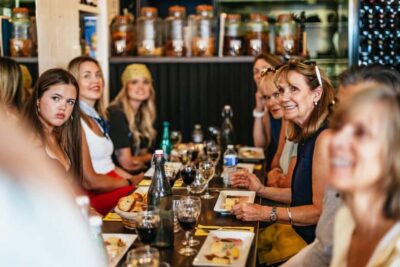
Montmartre Cheese, Wine & Pastry Guided Walking Tour
Read our review →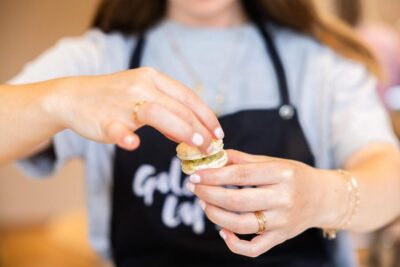
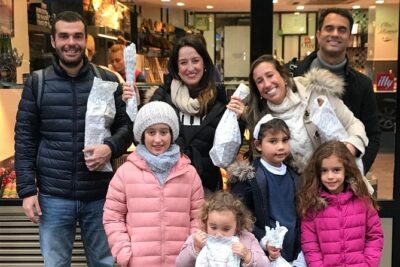
Award-Winning Paris French Bakery Experience — Le Marais, 4th Arr
Read our review →
Private Montmartre Food Tour with Wine, Cheese & Pastries
Read our review →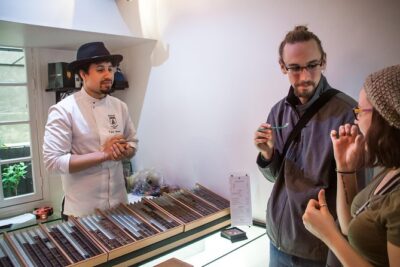
Paris French Sweets Tasting Tour with Pastries and Chocolates
Read our review →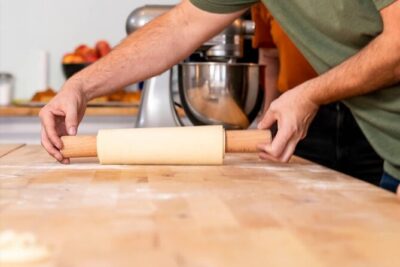
Paris Croissant Small-Group Baking Class with a Chef
Read our review →
Browse the lists this tour appears in