
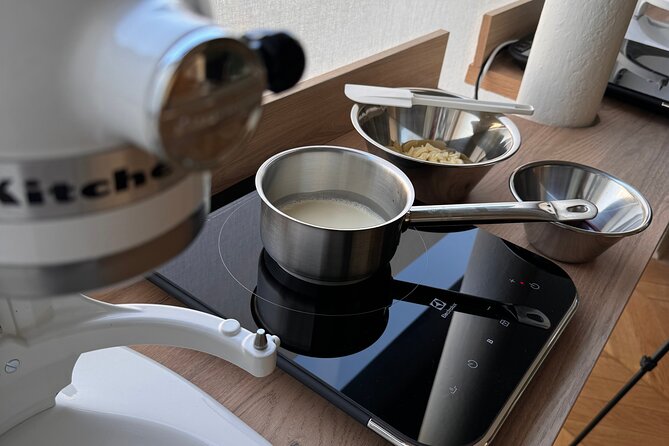
Reviewed · PASTRY AND MACARON CLASSES
Paris Macaron baking class with a Chef Patissier
Macarons get easier with the right coach. In this Paris workshop, you learn the exact steps behind macaron shells and fillings, led in English by a Chef Patissier with a small group. It also adds a cultural layer, with context on France’s culinary history and culture while you work.
I particularly like the tiny class size (max 10), because you get real attention while you pipe, mix, and troubleshoot. I also love that you leave with a box of macarons plus the chef’s secret recipe to make them again at home. One consideration: the meeting point is in the 17th arrondissement, and the start time is firm, so plan your route early.
In This Review
- Key Points at a Glance
- Paris Macaron Class With a Chef Patissier, What Makes It Worth Doing
- The 17th Arrondissement Meeting Point and How the 2.5 Hours Flow
- Macaronage and Shells: Where You Actually Learn the Skill
- Fillings and Flavor Choices: Making It Yours, Not Just Repeatable
- Coffee, Clean Setup, and the Small Details That Matter
- Who This Class Suits Best, and Who Might Want Something Else
- Price and Value in Paris: Is $113.20 a Fair Deal?
- Tips to Make Your Class Go Smoothly
- Final Thoughts: Should You Book This Paris Macaron Baking Workshop?
Key Points at a Glance
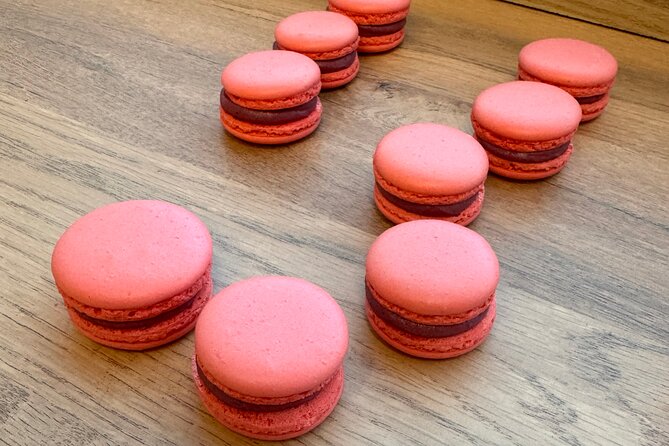
- Max 10 people, so your chef can actually watch your batter and piping
- Hands-on macaronage practice, not just a recipe handout
- Flavor choices for the filling, plus a chance to compare results
- Take-home box of macarons and the chef’s secret recipe
- English instruction with a calm, beginner-friendly approach
Other kitchens for macarons and pastry:
- Paris: Montmartre Cheese, Wine & Pastry Guided Walking Tour
★ 4.8 · 2,255 reviews - Paris: Macaron Class at Galeries Lafayette
★ 4.2 · 1,196 reviews - Award-Winning Paris French Bakery Experience — Le Marais, 4th Arr
★ 4.5 · 1,186 reviews - Private Montmartre Food Tour with Wine, Cheese & Pastries
★ 5.0 · 1,027 reviews
Paris Macaron Class With a Chef Patissier, What Makes It Worth Doing
If you’ve ever looked at macarons and thought, those look impossible, this is the kind of class that gives you traction. The goal here is not just to bake something sweet. It’s to learn what makes macarons work, especially the texture of the shells and the right approach to the filling.
The class is built around step-by-step guidance, with an emphasis on technique: mastering macaronage, then moving into piping and finishing with a filling. And because the group is kept small, it’s easier to get quick corrections when your batter looks a little too thick or your piping isn’t landing the way you want.
You’ll also get a bit of cultural context, since the experience includes France’s culinary history and culture alongside the practical skills. That matters because macarons are more than dessert decoration. They’re part of how French pastry culture got serious about precision, consistency, and repetition.
The 17th Arrondissement Meeting Point and How the 2.5 Hours Flow
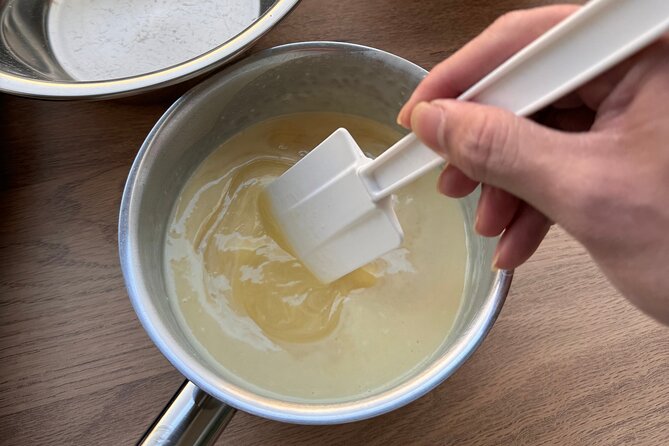
You meet at 85 Rue de Rome, 75017 Paris, and the class ends back there. The location is near public transportation, which is a big deal in Paris. You do not want to burn energy hunting for the place while your batter is supposed to be resting or timing is running.
The workshop runs about 2 hours 30 minutes. In real terms, that’s enough time to do real baking tasks, not just a demo. Expect a clear sequence: set up and ingredient handling, mixing and macaronage, then piping and finishing with a filling. Coffee or tea and soda/pop are included, which keeps the energy steady while you focus on the craft.
Also, plan on arriving a bit early. One review story flagged how tricky navigation can be when the directions link in an email does not match what people expect. The instructor is not trying to be difficult, but these are live, hands-on sessions with a set start time.
Macaronage and Shells: Where You Actually Learn the Skill
The headline skill in this class is macaronage, the mixing step that helps the batter reach the right texture for piping and that signature smooth top. This is the part most home bakers struggle with, because recipes often describe the stage without giving you a feel for what to look for.
Here’s what that lesson typically turns into during your session:
- You mix and work the batter in a controlled way, with coaching as you go
- You get guidance on how the batter should look and move before piping
- You practice a consistent piping rhythm so your shells come out more uniform
That small-group setup is key. With a class of up to 10, it’s realistic for a chef to notice small issues fast, like a batter that is still too stiff or bubbles that won’t settle. You’ll likely hear practical tips in plain language, since the point is to help you succeed in the next batch of cookies, not just in theory.
This is also where the chef’s personality matters. In this experience, you may meet instructors such as Vivian, Marie, Leo, or Maria. Across these different teachers, one theme shows up in the teaching style: clear step-by-step instructions, and lots of supportive guidance so non-bakers can follow along without feeling rushed or judged.
Fillings and Flavor Choices: Making It Yours, Not Just Repeatable
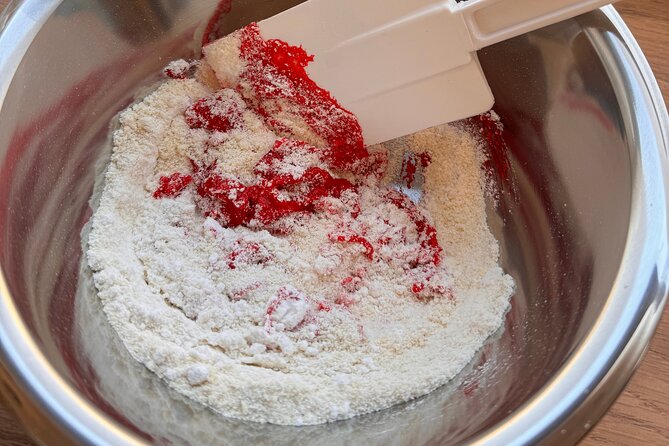
After you get the shells moving in the right direction, the class shifts to the filling. You’ll learn how to create a luscious filling, and in the process you’ll see how the final texture of a macaron depends on more than the shell.
Many classes focus on the shells, then give filling short shrift. This one treats the filling as part of the technique. That’s why it includes time and explanation for how to assemble the macaron sandwiches so they don’t fall apart and so the flavor feels balanced.
You also get flavor choices for the filling. In past sessions, people have mentioned options such as black currant and white chocolate, and that there are usually multiple filling options to choose from. If you’re picky, this is your moment. Pick flavors you genuinely want to taste, because you’ll be taking your results home.
One practical thing to consider: if your table involves sharing macaroons or swapping some for variety, clarify what feels comfortable for you. One participant had a negative experience with being pushed to trade, so if you prefer all your macarons to stay in your own box, it’s totally reasonable to ask how they handle distribution and whether you can keep everything separate.
Other Paris ateliers to spend an afternoon in:
- Fragonard Paris: Mini Perfume Workshop★ 4.5 · 1,924 reviews
- Paris Cooking Class and Lunch with Wine plus Market Visit Option★ 5.0 · 1,024 reviews
- Paris Croissant Small-Group Baking Class with a Chef★ 5.0 · 910 reviews
- Paris: 2-Hour Perfume Creation Workshop★ 4.8 · 731 reviews
Coffee, Clean Setup, and the Small Details That Matter
Baking classes live or die on the work area. Here, ingredients and utensils are provided, which means you don’t have to drag equipment across Paris with your backpack already full. That also lowers the barrier for beginners, because you can focus on technique instead of learning what tool does what.
Coffee and/or tea and soda/pop are included, which sounds simple, but it helps you keep your attention during the steps where timing matters. The class is also described as organized and clean, with instructors stepping in to keep the kitchen flowing. That kind of setup means fewer distractions and fewer moments where you’re wondering what happens next.
If you’re doing this with a child or teen, this “smooth and guided” style is especially useful. Multiple people have described the session as fun and not stressful, even for families. The small group size also makes it easier for kids to stay engaged, since it’s not a long, passive lecture.
Who This Class Suits Best, and Who Might Want Something Else
This is a good match if you want:
- A hands-on Paris food activity that actually teaches a repeatable skill
- A small class where you can ask questions and get real-time feedback
- A beginner-friendly lesson on a pastry that often feels intimidating
It’s also great for couples and friends who want a shared project, because you’ll be working side by side and then bringing home a box of what you made. And it’s even suited to travelers who think they are not “bakers.” The class is designed for all skill levels, and the instruction style is structured so you can follow without prior experience.
Who might want to think twice?
- If you strongly dislike the idea of any exchanging or sharing during the class, ask upfront how take-home distribution works and how “sharing” is handled.
- If you know you’ll have trouble getting to the 17th arrondissement on time, pick another day or build extra buffer. A firm start time means late arrivals can lose their spot.
Price and Value in Paris: Is $113.20 a Fair Deal?
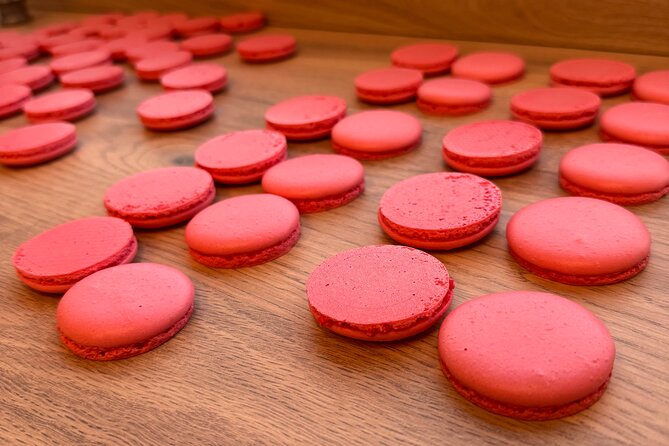
At $113.20 per person for about 2 hours 30 minutes, you are paying for three things: professional instruction, all the ingredients and tools, and the outcome you take home.
Let’s break down the value logic:
- Small group coaching: you are not just watching, you’re doing, and your chef can correct details
- Included ingredients and utensils: you avoid the hidden costs of buying supplies and baking tools
- Take-home results: you’ll leave with a box of macarons, with many participants describing results around a couple dozen each
- Chef’s secret recipe: you get a path to repeat success at home, not just a one-time souvenir
In other words, this isn’t only about buying macarons in Paris. It’s about buying the method. If you like baking, this class can quickly pay for itself in the next batch you make at home.
Tips to Make Your Class Go Smoothly
A few practical moves will help you get the best experience:
- Arrive early and map the walk. The meeting point is clear, but Paris navigation is tricky. Give yourself extra time so you are not rushing in.
- Pick filling flavors you truly like. You can choose options, so choose based on taste, not what sounds popular.
- Ask about what success looks like. When you’re doing macaronage, ask your chef what you should notice as the batter changes.
- Plan for transport. You’ll take your macarons home in a box. Keep it flat, and try not to cram it under heavier bags in your day pack.
- If you prefer separate take-home, say so kindly. If the class includes any sharing or swapping, a quick heads-up helps everyone stay comfortable.
Final Thoughts: Should You Book This Paris Macaron Baking Workshop?
I think you should book it if you want a high-skill activity without the stress. The small group size, the focus on technique like macaronage, and the chance to leave with a box of what you made make this a strong “do it in Paris” experience.
Skip it only if you know timing will be a struggle for you, or if you dislike any classroom swapping or sharing expectations. In those cases, the price is still fair, but the experience may feel less aligned with how you want the class to run.
If your goal is to come away with real technique plus a sweet souvenir you made yourself, this is an easy yes.
French Kitchens to Cook In
- Paris: French Croissant Baking Class with a Chef
★ 4.9 · 712 reviews - Paris Cooking Class: Learn How to Make Macarons
★ 5.0 · 634 reviews - Paris Culinary Tour: 11 Tastings & 2 Wines in Le Marais
★ 4.8 · 625 reviews - Paris: French Macaron Culinary Class with a Chef
★ 4.9 · 591 reviews
Newest write-ups from Paris




Pastry and Macaron Classes, compared.
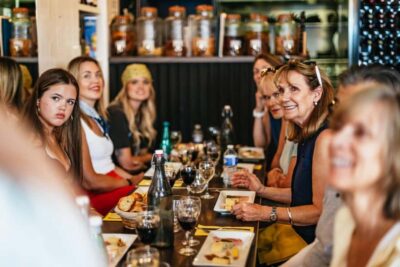
Montmartre Cheese, Wine & Pastry Guided Walking Tour
Read our review →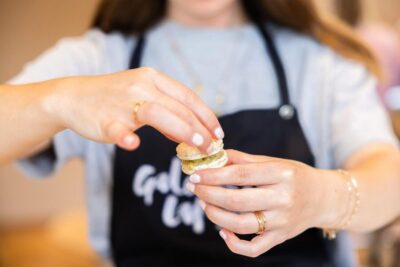
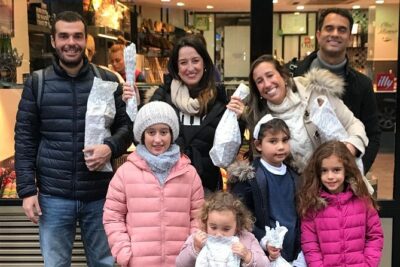
Award-Winning Paris French Bakery Experience — Le Marais, 4th Arr
Read our review →
Private Montmartre Food Tour with Wine, Cheese & Pastries
Read our review →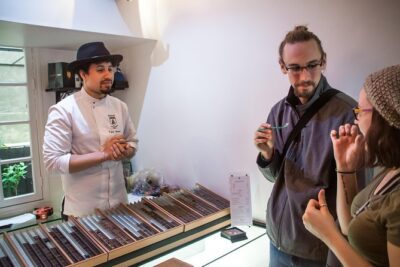
Paris French Sweets Tasting Tour with Pastries and Chocolates
Read our review →
Paris Croissant Small-Group Baking Class with a Chef
Read our review →
Browse the lists this tour appears in