
Reviewed · MONTMARTRE HILL TOURS
Paris: Montmartre Hill & Sacré-Cœur Guided Walking Tour
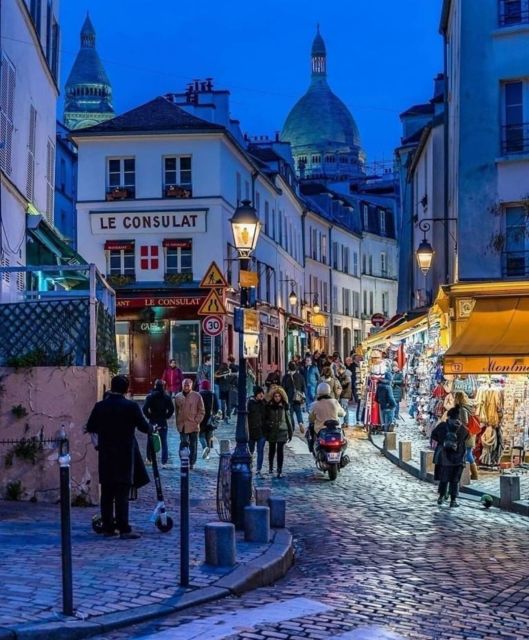
Montmartre feels like a Paris art studio. This guided walk is built around the streets, myths, and real locations that made the neighborhood famous, then caps it with a serious city view from Sacré-Cœur. You get more than pretty corners, you get the why behind them.
I especially like the way the tour focuses on artist and saint stories tied to specific streets, including the wild antics linked to Picasso, Van Gogh, and Toulouse-Lautrec. I also appreciate the small group size (limited to 10), which makes it easier for the guide to slow down, point things out, and answer questions.
One consideration: it is an uphill walk, and the pace can matter. If your body hates stairs on vacation, you may want to plan for the funicular as a backup for the steepest section.
In This Review
- Key highlights to look forward to
- Montmartre’s uphill walk is the point, not just the scenery
- Where the tour starts near Moulin Rouge (and why meeting matters)
- The Montmartre climb: narrow streets, real street-level history
- Rue Abbesses and Place du Tertre, where the neighborhood’s personality comes through
- Picasso, Van Gogh, and Toulouse-Lautrec stories you’ll remember at the next corner
- Sacré-Cœur: the panoramic payoff, plus the rules you must know
- Pace, stairs, and how to make the 2-hour walk feel worth it
- Price and value: what $50 buys you in Montmartre context
- Who should book this Montmartre Hill and Sacré-Cœur walk
- Should you book? My take
- FAQ
- How long is the Montmartre Hill and Sacré-Cœur guided walking tour?
- How much does it cost?
- Where do I meet the guide?
- Is the tour in English?
- How big is the group?
- What’s included in the price?
- Is the funicular included?
- Do I need to buy food or drinks during the tour?
- Can I take photos inside Sacré-Cœur?
Key highlights to look forward to
- Small group, limited to 10 so the guide can actually manage the pace
- Artist-street route through the neighborhoods connected to Van Gogh, Picasso, and Toulouse-Lautrec
- Rue Abbesses context that helps you understand what you’re seeing instead of just passing by
- Place du Tertre stop for the heart of the Montmartre square scene
- Sacré-Cœur panoramic finish with optional funicular help if the hill feels steep
- Photography support that varies by guide (some guides actively help you frame shots)
Other climbs up the Butte:
- Montmartre Hidden Gems and Scenic Highlights Walking Tour
★ 5.0 · 2,684 reviews - Montmartre Hill French Gourmet Food and Wine Tasting Walking Tour
★ 5.0 · 2,588 reviews - Paris: Montmartre Highlights Walking Tour with a Local Guide
★ 4.9 · 2,318 reviews - Paris: Montmartre Cheese, Wine & Pastry Guided Walking Tour
★ 4.8 · 2,255 reviews
Montmartre’s uphill walk is the point, not just the scenery
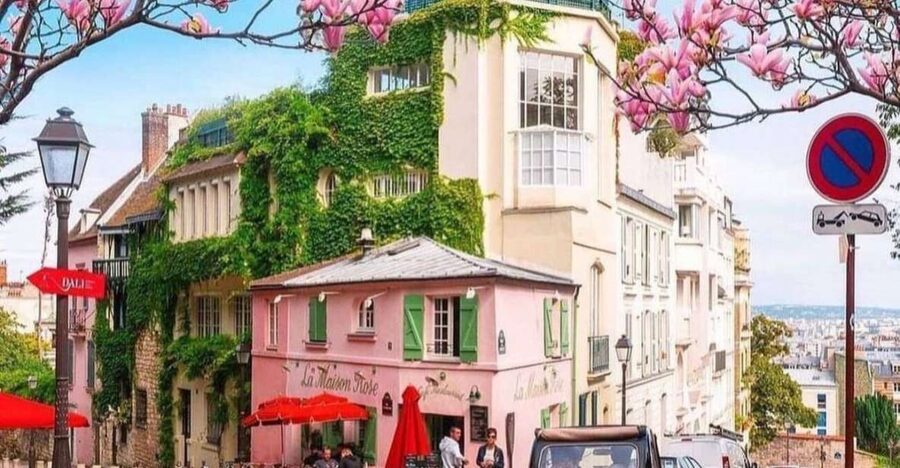
Montmartre is one of those neighborhoods where the view is the reward, but the walking is the lesson. The hill forces you to slow down, look up, and notice small details you’d normally miss when you rush between big sights.
This tour is interesting because it connects Montmartre’s looks to names you already recognize. You’ll hear stories tied to famous painters, singers, and saints, and then you’ll stand in places where those stories make sense.
And yes, the top matters. The final approach to Sacré-Cœur turns the neighborhood from cute and quirky into dramatic and panoramic, with Paris spread out under you.
Where the tour starts near Moulin Rouge (and why meeting matters)
You meet at Exit Via Blanche metro station, and the guide waits in front of the Moulin Rouge. That’s a good setup because it anchors you in a real, central landmark area before you start climbing into Montmartre’s older lanes.
With a walking tour, the start is more important than people think. If you show up a few minutes late, you might spend your first ten minutes hunting for the group while your legs warm up in the wrong direction.
The tour is also English and live, with a 2-hour duration. In that time window, you’ll want to show up ready to move, not to linger over espresso.
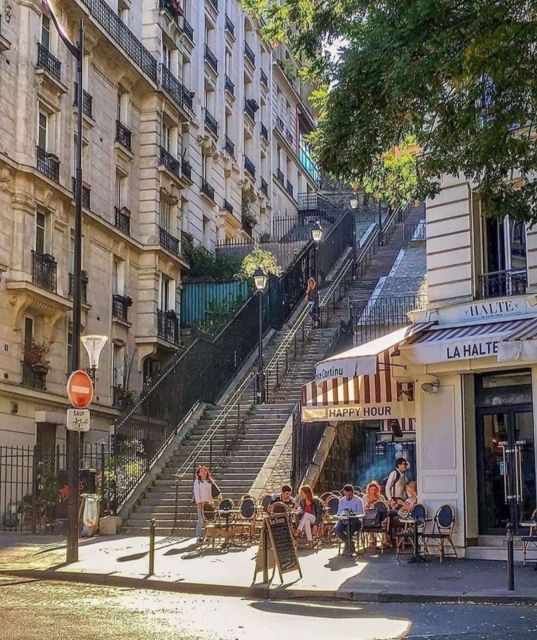
The Montmartre climb: narrow streets, real street-level history
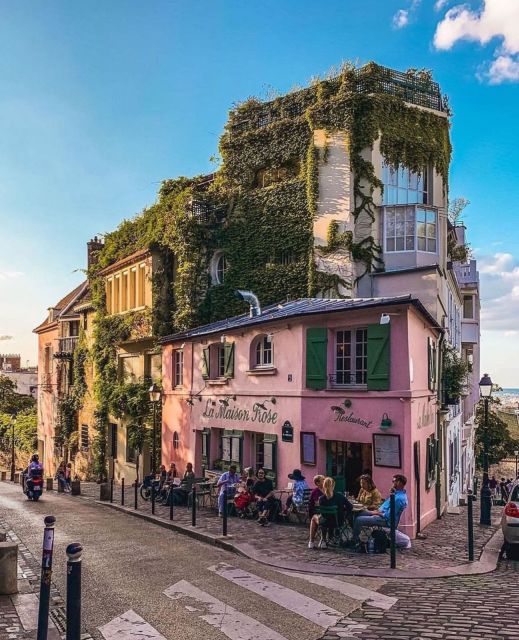
Once you’re moving, the experience centers on the climb through Montmartre’s narrow streets, the kind that make you feel like you’ve stepped into an older Paris. The guide’s job here is to keep the walk from becoming random wandering.
You’ll go uphill through streets tied to the neighborhood’s creative reputation. Expect context as you pass important-looking corners and blocks, not just a list of dates. The most useful parts are the quick explanations that help you read the neighborhood like a map.
Here’s what the route style usually means for you:
- You’ll feel the ascent early, so bring comfortable shoes.
- You’ll walk in tight lanes where it’s easier to hear your guide.
- You’ll get more meaning from street names like Rue Abbesses, because the guide can explain what makes them notable.
If you prefer fewer stairs, the tour description signals an optional funicular for the steepest part. That option is not just convenience, it changes how you experience the hill. Less time fighting steep steps means you can spend more energy soaking in details at street level.
Rue Abbesses and Place du Tertre, where the neighborhood’s personality comes through
The tour includes a stop at Place du Tertre, one of Montmartre’s most famous squares. This is where the neighborhood’s artist identity is easiest to see, with the kind of lively square energy that makes the area feel like it’s performing for the camera.
But Place du Tertre is also useful for understanding Montmartre historically. Even if you know the names already, it’s the location that ties the reputation to the geography. You can look around and realize why artists and performers liked these streets for visibility, inspiration, and a sense of crowd.
Next you’ll continue along Rue Abbesses. This is one of those areas where the guide’s anecdotes help you connect the dots. Without guidance, you might see a charming street. With guidance, you start to notice why that street became part of the neighborhood’s identity.
The key value here is direction. Your guide is helping you avoid the common trap of snapping photos while walking straight past what matters.
Other arrondissements taken at walking pace:
- Paris Top Sights Half Day Walking Tour with a Fun Guide★ 5.0 · 2,893 reviews
- Paris Île de la Cité and Notre-Dame Walking Tour With Crypt★ 5.0 · 2,272 reviews
- Paris in a Day: Louvre or Orsay, Eiffel Tower, City Walk & Cruise★ 5.0 · 1,956 reviews
- Paris City Center Free Walking Tour (Tip-Based)★ 5.0 · 1,340 reviews
Picasso, Van Gogh, and Toulouse-Lautrec stories you’ll remember at the next corner
This tour specifically calls out how the guide will share stories about the wild Paris antics connected to Picasso, Van Gogh, and Toulouse-Lautrec. That matters because those names can otherwise feel like museum labels.
Hearing their stories while you’re standing where the neighborhood grew around them changes the feeling. Suddenly the geography becomes a timeline, even if it’s not perfectly chronological. You start to understand how artists and entertainers clung to Montmartre’s creative atmosphere and how that atmosphere became part of the neighborhood’s brand.
You should treat these stories as guided context, not trivia for trivia’s sake. The best guide style here is when the anecdotes point to what you should look at next: street alignments, building edges, and the kind of corners that make you wonder how someone would have lived and worked there.
One practical detail from real experiences: some guides actively help with photos and framing, which is useful in places where everything is slanted, uphill, and easy to crop poorly. Other guides can vary. If photography matters to you, think of this tour as a chance to get pointers, then bring your own patience for the lighting and angles that come with a hill.
Sacré-Cœur: the panoramic payoff, plus the rules you must know
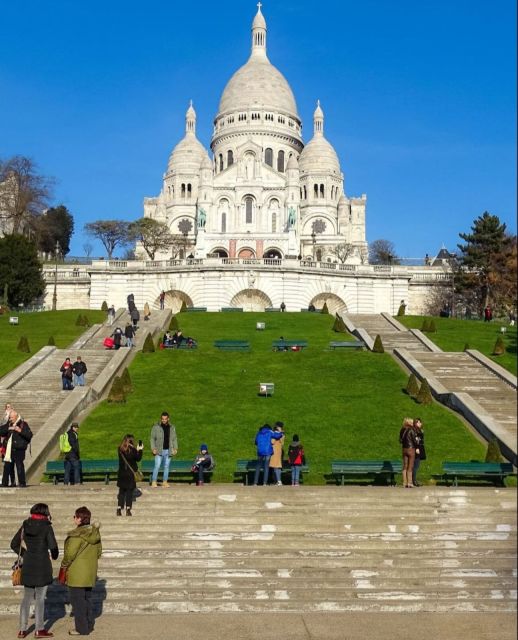
The walk culminates at the top of the hill with the Sacré-Cœur Basilica. This is the moment you’ll likely understand why you climbed. The panoramic view of Paris is the kind of reward that makes other travel plans feel temporarily less urgent.
Sacré-Cœur is also where the tour becomes more than a neighborhood walk. You’ll see how Montmartre’s identity turns into a monument, with the hilltop acting like a stage for the city below.
Two details matter most here:
- Photography is not allowed inside Sacré-Cœur church. Outside shots are your friend, but inside you’ll need to put the camera away.
- If the hill is too steep for you, you can use the funicular for the steepest part. That keeps the tour comfortable without giving up the top view.
Also keep your expectations realistic about time. The tour includes something described as skipping the ticket line, but popular locations can still mean some waiting for entry or security checks. Plan for a few minutes of patience at the end, not a perfectly smooth finish.
Pace, stairs, and how to make the 2-hour walk feel worth it
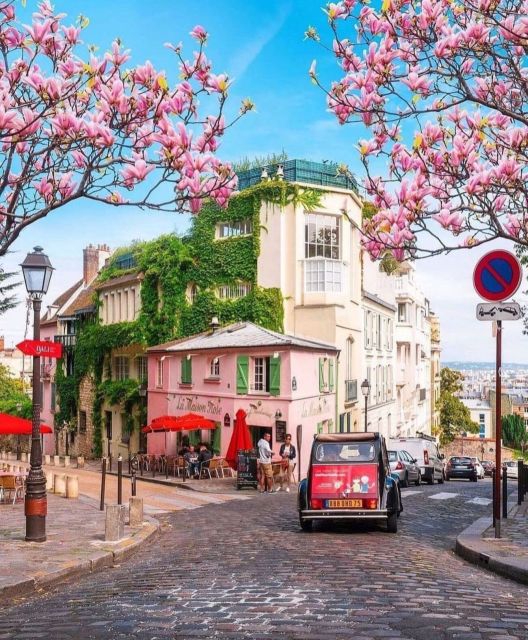
This is a 2-hour walking tour, and uphill walking is part of it. That means you should treat the schedule like an athletic plan, not like an easy stroll.
A big reason people love guided walks like this one is that the guide controls the flow. A well-run tour helps you avoid long stops and keeps everyone moving. Some negative experiences have involved pacing issues, late meeting mix-ups, and stepping more than expected. I can’t promise how your group day will go, but I can tell you how to protect your trip.
My practical advice:
- Bring comfortable shoes and expect some steep sections and stairs.
- If you know stairs can flare up knee or ankle pain, plan the funicular option in advance.
- Use your guide’s pauses to rest briefly, not to lag. You want to stay with the group so the tour stays in rhythm.
If you’re traveling with older relatives or anyone with limited mobility, this might still work if the funicular gets used strategically. If mobility is very limited, this is where the idea of a walking-first experience can become frustrating.
Price and value: what $50 buys you in Montmartre context
At about $50 per person for 2 hours, you’re paying for more than route planning. You’re buying the guide’s job: turning street-level walking into meaning.
For me, the value comes from two places:
- You get the stories tied to specific places, not just general facts about Paris.
- You get someone pointing out what to notice, so you spend less time guessing and more time understanding.
If you walk Montmartre on your own, you’ll still get the views. But you might miss why certain streets are important, why those names mattered, and how the neighborhood’s reputation formed. In other words, you’d see the scenery, but you might not fully feel the neighborhood’s logic.
Small group also helps value. With a group capped around 10 participants, the guide can keep people together and adjust if someone needs a slower pace.
So is it worth it? If you want the view plus the backstory, yes. If you only want a photo run and a quick look at Sacré-Cœur, you might prefer doing it self-guided and saving the cost.
Who should book this Montmartre Hill and Sacré-Cœur walk
This tour fits best if you like:
- walking through neighborhoods with specific street-level context
- learning how famous artists and performers shaped the area’s identity
- a short 2-hour window that still ends with a big payoff view
It may be less ideal if you:
- dislike uphill walking and stairs
- need a very predictable pace with minimal waiting at the end
- expect the tour to be mostly flat or mostly inside
It also helps to have a little curiosity. If you’re the type who likes to ask questions, you’ll likely get more out of it than someone who wants constant movement.
Should you book? My take
If you want Montmartre with explanations and a strong finish at Sacré-Cœur, I think this is a solid booking. The combo of Rue Abbesses, Place du Tertre, and artist-linked storytelling gives you structure, and the panoramic view is the kind of reward you’ll remember long after the walking shoes come off.
My one caution is simple: plan for the hill. Bring proper shoes, consider the funicular if stairs are a concern, and keep your expectations flexible about timing around entry.
If that sounds like you, book it and enjoy the ride. Montmartre is at its best when you’re walking it, not rushing through it.
FAQ
How long is the Montmartre Hill and Sacré-Cœur guided walking tour?
The tour lasts 2 hours.
How much does it cost?
It costs $50 per person.
Where do I meet the guide?
Meet at Exit Via Blanche metro station, and the guide meets you in front of the Moulin Rouge.
Is the tour in English?
Yes, the tour is in English.
How big is the group?
The tour is a small group, limited to 10 participants.
What’s included in the price?
The price includes a guide and the walking tour.
Is the funicular included?
No. The funicular ticket is optional and not included.
Do I need to buy food or drinks during the tour?
Food and drinks are not included.
Can I take photos inside Sacré-Cœur?
Photography is not allowed inside the Sacré-Cœur church.
Newest write-ups from Paris






Montmartre Hill Tours, compared.

Montmartre Hidden Gems and Scenic Highlights Walking Tour
Read our review →
Montmartre Hill French Gourmet Food and Wine Tasting Walking Tour
Read our review →
Montmartre Highlights Walking Tour with a Local Guide
Read our review →
Montmartre Cheese, Wine & Pastry Guided Walking Tour
Read our review →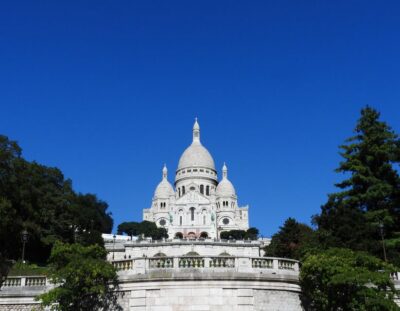
Sacré-Coeur and Montmartre Tour with Expert Guide
Read our review →
Private Montmartre Food Tour with Wine, Cheese & Pastries
Read our review →
Paris Montmartre Food Tour – A Full French Meal by Do Eat Better
Read our review →Browse the lists this tour appears in