
Reviewed · MONTMARTRE HILL TOURS
Paris: Montmartre & Sacre Coeur Guided Tour 12 guests 2,5h
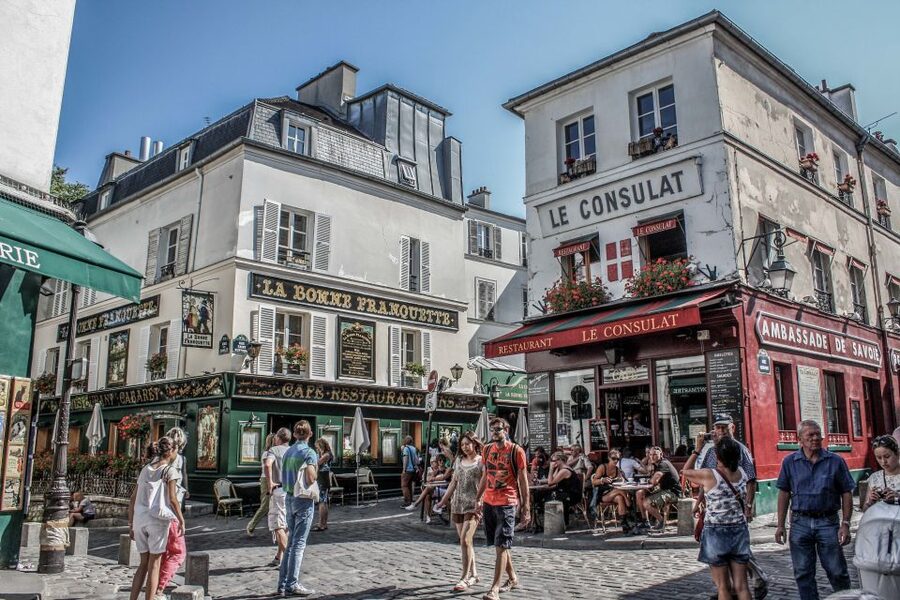
Montmartre feels like a film set. In a compact 2.5-hour walk, I like how this tour strings together artists, cabaret legends, and hilltop views into one clear route. You spend real time moving through the neighborhood instead of just stopping for photos, which is exactly how Montmartre should be experienced.
I also like the focus on Sacré-Cœur Cathedral plus the classic Montmartre stops, like Place du Tertre and the area around Moulin Rouge. One heads-up, though: the route has hills and a moderate walking pace, so it may not be comfortable if you have mobility limits or prefer flatter ground.
In This Review
- Key highlights worth your attention
- Why Montmartre and Sacré-Coeur feel better with a guide
- Is the $61 price a good value for a 2.5-hour tour?
- Starting at the right place, and what to expect from the pace
- The Montmartre lanes: where the artist legends start making sense
- Moulin Rouge and the cabaret stories you can picture
- Van Gogh’s former home, plus the art trail that keeps moving
- Dalida and the statues and squares that shape modern Montmartre
- Gardens, vineyards, and the Montmartre “small pleasures” stop
- Le Bateau-Lavoir and the feeling of creative streets
- Sacré-Cœur Basilica: the big view payoff and what to notice inside
- Place du Tertre and the artist square vibe
- What kind of traveler should book this Montmartre tour?
- My verdict: should you book this Montmartre and Sacré-Coeur guided tour?
- FAQ
- How long is the Paris Montmartre and Sacré-Coeur guided tour?
- What is the group size for this tour?
- Which sights are included on the walking route?
- Is Sacré-Cœur Cathedral included?
- What is the price per person?
- What should I bring with me?
- Is food or transportation included?
- Are large bags or luggage allowed?
- Is this tour suitable for people with mobility impairments?
- What languages are available for the guide?
Key highlights worth your attention
- Small group size (max 12) helps your guide keep the pace human and the stories personal.
- Sacré-Cœur Cathedral visit included means you are not just looking at it from outside.
- Artist trail on foot hits landmarks tied to Vincent Van Gogh, Pablo Picasso, and Henri de Toulouse-Lautrec.
- Cabaret and Belle Époque context turns Moulin Rouge from a name into a story you can picture.
- Photo-ready viewpoints come late enough to matter, especially as you look over Paris.
- Montmartre’s quieter corners show up along the walk, not just the busiest streets.
Other climbs up the Butte:
- Montmartre Hidden Gems and Scenic Highlights Walking Tour
★ 5.0 · 2,684 reviews - Montmartre Hill French Gourmet Food and Wine Tasting Walking Tour
★ 5.0 · 2,588 reviews - Paris: Montmartre Highlights Walking Tour with a Local Guide
★ 4.9 · 2,318 reviews - Paris: Montmartre Cheese, Wine & Pastry Guided Walking Tour
★ 4.8 · 2,255 reviews
Why Montmartre and Sacré-Coeur feel better with a guide
Montmartre is one of those Paris neighborhoods where the streets look cute, but the meaning is hiding in plain sight. Without a guide, it can turn into a checklist. With a guide, you start seeing patterns: why certain buildings cluster where they do, how artists shaped the neighborhood’s reputation, and how the hilltop became a symbol of devotion.
This tour is a smart length for first-time visitors who want the Montmartre vibe without burning a whole day. You get a guided walking rhythm that keeps you moving through the cobbled lanes and steps, then finishes at Sacré-Cœur for the payoff. The best part is that the guide translates all the famous names into street-level reality, so you are not just hearing history, you are spotting it.
The group size is capped at 12 guests, which tends to keep things conversational. It also means your guide can adjust if you are taking photos, stopping to read a plaque, or asking a question about art, architecture, or the cabaret scene. That matters in a place with crowds and tight sidewalks.
Is the $61 price a good value for a 2.5-hour tour?
At $61 per person for about 150 minutes, the price makes sense mainly because this is not just a scenic walk. You are paying for a live guide and for an included visit to Sacré-Coeur Cathedral. That is a key difference versus cheaper “walk and point” tours that never get inside.
You should also think about what you are saving: you are not arranging separate tickets or juggling multiple tour stops. And since transportation is not included, you are responsible for getting to the meeting point, but you can keep the trip simple and stick to a walk-first plan.
What is not included is equally important. There is no food or drinks, so build in your own snack plan before or after. Also, it is a walking tour, not a ride. If you dislike stairs or hills, you will feel that quickly in Montmartre.
Bottom line: if you want the highlights plus real context, this is solid value for a half-afternoon investment in one of Paris’s most storied neighborhoods.
Starting at the right place, and what to expect from the pace
The meeting point can vary depending on the option you book, so plan to arrive a few minutes early and bring your passport or ID card. You will also want to travel light. Luggage or large bags are not allowed, and that rule is there for a reason: you are moving through narrow streets where big bags become a hassle fast.
The walking is described as moderate, and the tour is not available for people with walking disabilities or wheelchair users. Even if you are generally fine on foot, Montmartre’s terrain can surprise you. Expect changes in elevation, steps, and uneven cobblestones. Good shoes are not optional here, they are the difference between enjoying the hill and swearing at it under your breath.
Because this is a semi-private format with up to 12 guests, you are also dealing with a “small crowd” rather than “no crowd.” Some spots get busy, especially near the famous viewpoints and central squares. A good guide helps you time your steps and move as a group without turning it into a slow traffic jam.
The Montmartre lanes: where the artist legends start making sense
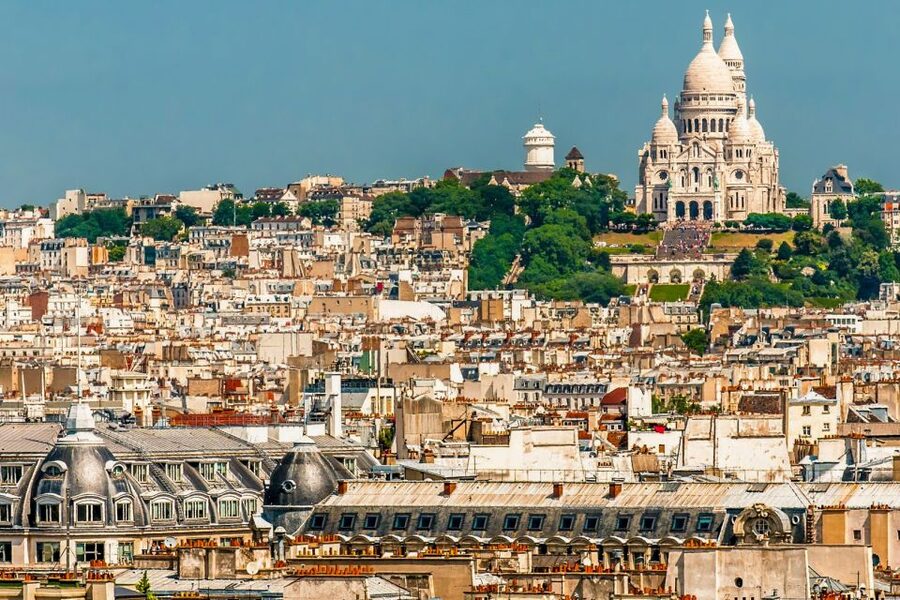
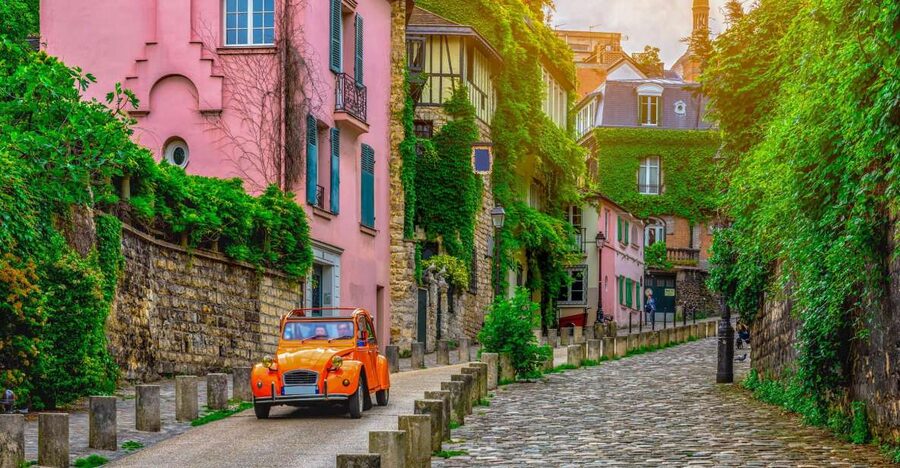
Your walk spends a big share of the time in Montmartre itself, the hilltop neighborhood with a village feel inside a major city. This is where the tour earns its keep: the guide helps you connect landmarks to the people who lived, worked, or performed here.
You start moving through the area like you are learning the neighborhood’s “logic.” The cobbled streets are charming, yes, but the real magic is how the guide explains why artists were drawn to these streets in the first place, and how that creative community shaped Montmartre’s identity. You also hear about Belle Époque life and the cabarets that helped build Montmartre’s fame.
Along the way, you get built-in context for multiple famous names:
- You see or pass by spots tied to Vincent Van Gogh, including his former home.
- You also hear about artists connected to Pablo Picasso and Henri de Toulouse-Lautrec.
- The stories often connect what you see today to what the area felt like when these creatives were part of the scene.
In plain terms: I like that the tour does not treat art history like a lecture. It treats it like map reading. You look around, your guide anchors the scene with names and stories, then you move on.
A handful more Paris options to weigh up
- Paris: Louvre Guided Tour with Reserved Access & Boat Cruise★ 4.3 · 16,353 reviews
- Louvre Museum Masterpieces Guided Tour with Access★ 4.5 · 12,023 reviews
- Louvre Museum – Exclusive Guided Tour (Entry Included)★ 5.0 · 6,296 reviews
- Versailles: Skip-the-Line Guided Palace Tour and Full Access★ 4.6 · 5,214 reviews
Moulin Rouge and the cabaret stories you can picture
Then comes the part many people recognize instantly: the Moulin Rouge area. The tour does not ask you to admire it from far away like it is some distant landmark. Instead, you walk past it and your guide gives you the background that turns it from a postcard into a cultural machine.
The key value here is the guide’s ability to explain the neighborhood’s reputation for nightlife and performance. You learn how cabaret culture built the glamour Montmartre is famous for, and you get the kind of details that help the place feel lived-in rather than museum-still.
If you like history you can see, this is one of the stops that really clicks. You start noticing how the area’s layout supports nightlife energy: foot traffic, visibility, and the way streets funnel you toward iconic façades. Even if you never attend a show, you come away understanding why Moulin Rouge became shorthand for Montmartre’s entertainment era.
Van Gogh’s former home, plus the art trail that keeps moving
Next you are routed toward Van Gogh’s house area, a quick walk-by moment that carries a lot of emotional weight if you care about art. This is one of those “you are near the right door” experiences. Your guide connects the address to the wider story of what Montmartre meant for artists and how the neighborhood shaped creative life.
Around this section of the walk, you also pass by other art-related landmarks and references that keep the neighborhood’s creative thread alive. You are not doing one single stop and calling it a day. Instead, the route layers meaning: one famous artist, then another connection, then a change in scene that makes the whole artistic map feel intentional.
You should also be ready for quick moments. Some stops are described as brief pass-by segments, which means you need to be mentally set for “look fast, listen closely.” If you are slow to walk, you may feel rushed. If you are comfortable moving steadily, this section flows nicely.
Dalida and the statues and squares that shape modern Montmartre
Montmartre is not only about the 1800s and early art giants. The walk also includes modern references, and that is a good thing. It keeps Montmartre from becoming a theme park.
You pass by the Dalida statue, which gives the neighborhood a different kind of celebrity energy. From there, you continue through smaller streets and viewpoints that feel more like you are wandering with purpose than following a rigid script.
The tour also includes stops like Place des Abbesses, which matters because it broadens the Montmartre story beyond the headline attractions. This is where you start to feel the neighborhood as a place where people actually live, shop, and move through the day, even if you came for the famous art references.
Gardens, vineyards, and the Montmartre “small pleasures” stop
One of my favorite ways to understand a neighborhood is to look at its food chain of place-making: gardens, vineyards, and calm public corners. This tour includes several of those softer moments.
You walk past:
- Sauvage Saint-Vincent Garden
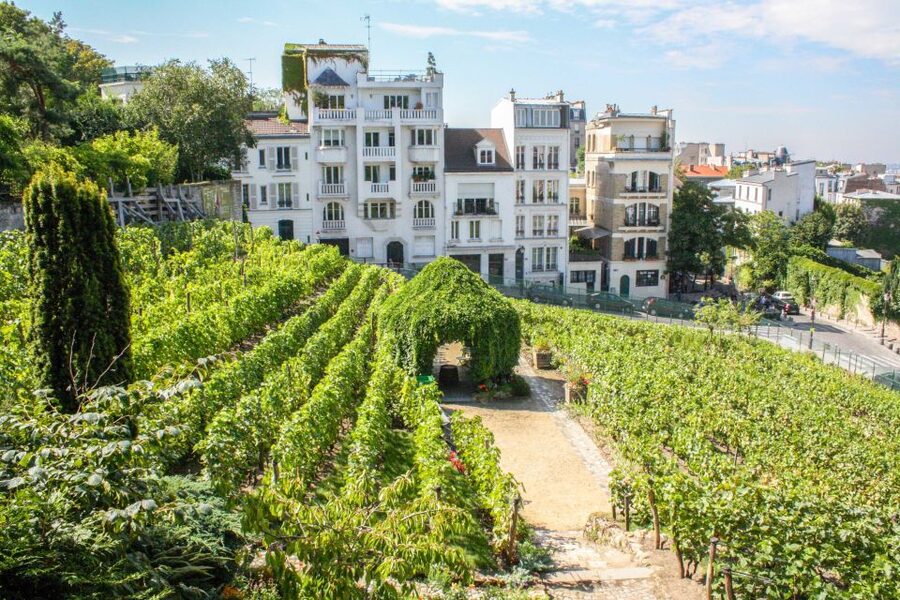
- Vigne du Clos Montmartre
- Lapin Agile
These are short, pass-by stops, but they add variety to the walk. The garden and vineyard references remind you that Montmartre’s identity is not only artistic names and cabaret signs, it is also the hill’s relationship to land and community. The Vigne du Clos Montmartre connection is especially memorable because it shows you that the neighborhood still holds onto older traditions even after centuries of fame.
And then Lapin Agile gives you another angle on Montmartre’s performance culture. It is the kind of name that sounds like a character, and the guide helps explain why places like this became part of the myth of the hill.
Le Bateau-Lavoir and the feeling of creative streets
As you move through the later part of the walk, the route takes you near Le Bateau-Lavoir and other artist-linked sites like Place du Tertre and Dali-related landmarks (including Dalí Paris, and Maison de Dalida).
This section works well if you want to understand Montmartre as a network, not a single spot. The guide’s job here is to connect the dots between locations so the creative story feels like a neighborhood-wide atmosphere. When it goes well, you stop seeing the hill as a pile of sights and start seeing it as an environment that attracted talent.
Some guides are also praised for using tools that make comparisons easier. One guide, Felix, has been mentioned for using a tablet with before-and-after style context. That is helpful because it shows how the streets have changed while the neighborhood’s identity stayed recognizable.
Sacré-Cœur Basilica: the big view payoff and what to notice inside
No Montmartre tour feels complete without Sacré-Cœur. This tour includes a visit to Sacré-Coeur Cathedral, so you are not just climbing for the photo. You get a chance to see the cathedral as an actual place of architecture and atmosphere.
The hilltop setting is the main reason this stop matters. You finish the walk with spectacular panoramic views over Paris, timed well for the moment when the city looks its best. Even if you do not care about skylines, being up here gives you a sense of scale. You understand why Montmartre was a natural stage for art and performance. You can almost see the neighborhood’s role as a lookout and a symbol.
What should you focus on at Sacré-Cœur? Follow what your guide points out: the white stone presence, the cathedral’s visibility from so much of Paris, and the way light changes the look of the buildings as the day shifts. You may also find your guide adding context about why Sacré-Cœur became so tied to the identity of the hill.
Place du Tertre and the artist square vibe
Finally, you reach Place du Tertre, one of the most famous artist squares in the city. It can feel crowded and touristy, but with a guide, it becomes more than a backdrop. You learn why this square became a magnet for artists and visitors looking for a traditional Montmartre experience.
In practice, this part of the tour is great for:
- People-watching (in a good way)
- Quick photos without stress
- A last round of stories before you head off on your own
You also pass by additional references like the Dalí Paris area and other nearby stops listed in the route. The point is to keep the creative theme present until the end, so you leave Montmartre understanding the neighborhood’s dual personality: art hub and lived-in neighborhood.
What kind of traveler should book this Montmartre tour?
This tour is a strong fit if you want:
- A short, structured way to see Montmartre’s most important sights
- Context around Van Gogh, Picasso connections, Toulouse-Lautrec, and the Belle Époque cabaret scene
- A small-group atmosphere with a real guide instead of a bus tour
- A hilltop finish at Sacré-Cœur with panoramic views
You might want to skip it if you:
- Need step-free routes or wheelchair access (the tour is not suitable)
- Dislike moderate walking and hills
- Travel with large luggage or expect to store it during the walk
If you are a first-timer in Paris, this is also a great “orientation tour.” It helps you learn the geography of Montmartre so you can explore on your own afterward with confidence.
My verdict: should you book this Montmartre and Sacré-Coeur guided tour?
If you are choosing one Montmartre plan for a half-afternoon, this is one of the better ways to do it. The big reasons are simple: Sacré-Cœur Cathedral is included, you get a max 12 guest group size, and the guide ties together the neighborhood’s art and cabaret myths with the actual streets you walk.
The only real warning is physical. Wear good shoes, plan for hills, and keep your expectations realistic about how much time you will spend at each spot. If you do that, you will leave with more than photos. You will leave with a working mental map of Montmartre, and a story you can point to every time you see something painted, performed, or perched on the hill.
FAQ
How long is the Paris Montmartre and Sacré-Coeur guided tour?
The tour lasts about 150 minutes, or roughly 2.5 hours.
What is the group size for this tour?
The tour has a maximum of 12 guests per guide for a more intimate experience.
Which sights are included on the walking route?
You will see or pass by major Montmartre landmarks such as Place du Tertre, Moulin Rouge, Van Gogh’s house, Lapin Agile, Le Bateau-Lavoir, Place des Abbesses, and Sacré-Cœur Basilica.
Is Sacré-Cœur Cathedral included?
Yes. The tour includes a visit to Sacré-Cœur Cathedral.
What is the price per person?
The price is listed as $61 per person.
What should I bring with me?
Bring your passport or ID card.
Is food or transportation included?
No. Food and drinks, and transportation, are not included.
Are large bags or luggage allowed?
No. Luggage or large bags are not allowed.
Is this tour suitable for people with mobility impairments?
No. The tour is not suitable for people with mobility impairments or wheelchair users, and it involves a moderate amount of walking.
What languages are available for the guide?
The guide is available in French, English, Spanish, Italian, Russian, and German.
Newest write-ups from Paris




Montmartre Hill Tours, compared.

Montmartre Hidden Gems and Scenic Highlights Walking Tour
Read our review →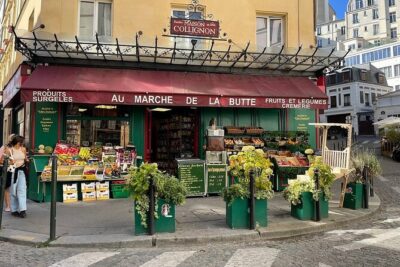
Montmartre Hill French Gourmet Food and Wine Tasting Walking Tour
Read our review →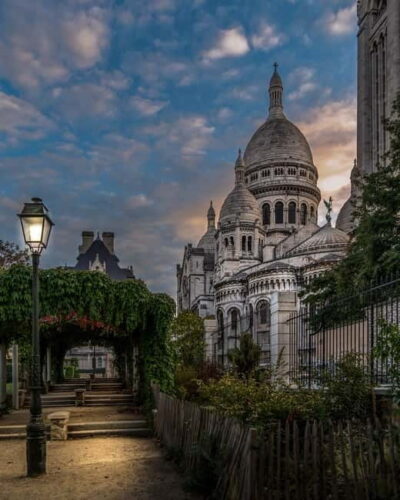
Montmartre Highlights Walking Tour with a Local Guide
Read our review →
Montmartre Cheese, Wine & Pastry Guided Walking Tour
Read our review →
Private Montmartre Food Tour with Wine, Cheese & Pastries
Read our review →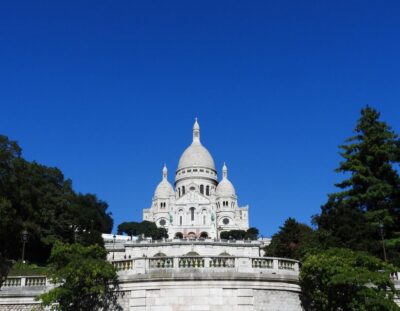
Sacré-Coeur and Montmartre Tour with Expert Guide
Read our review →
Paris Montmartre Food Tour – A Full French Meal by Do Eat Better
Read our review →Browse the lists this tour appears in