
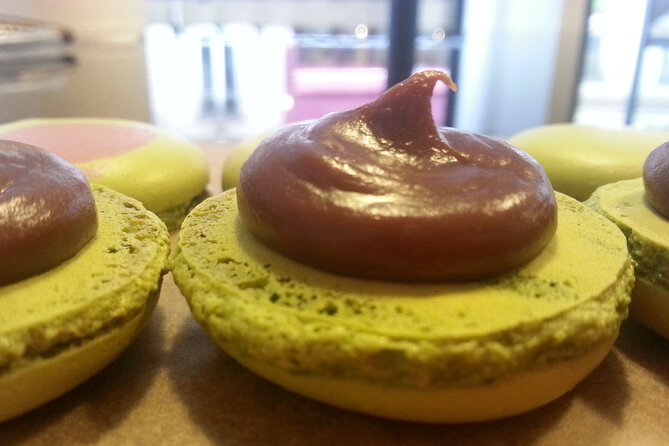
Reviewed · PASTRY AND MACARON CLASSES
Paris Small-Group Macaron Making Class with a French Chef
Macarons are finicky. This 2.5 hour small-group Paris class is where you learn the precision without the stress. I like the max 6-person size, which means real help while you pipe and judge doneness by touch, and I also like that you leave with a recipe in English plus take-home bags filled with what you make on site. The only downside to plan for is that this can feel a bit more technical and intense than a casual cooking demo, so it helps to come ready to focus.
You’ll work at a proper patisserie-style station in Paris, not at a generic classroom bench. Expect hands-on steps from mixing to finishing, with tea and coffee included to keep the pace human. One more consideration: the class runs about 2.5 hours, so it’s not a quick bite between museums.
Key Points to Know Before You Go
- Small group (max 6) for hands-on attention while you pipe and fill
- Italian meringue method plus a practical way to test readiness by touch
- Ganache technique lessons including how to hold the whisk for a silky result
- Multiple garnish options like pistachios, vanilla, raspberries, chocolate shavings, and passionfruit
- Gluten-free macarons made in the same step-by-step format
- Take-home success with macarons you can bring with you right after baking
In This Review
- A Paris Macaron Class That Feels Like Real Patisserie Work
- Arriving at Patisserie a la Carte on Rue Thimonnier
- The Heart of It: Italian Meringue and Perfect Macaron Shells
- Ganache Filling Skills, Including a Surprisingly Specific Whisk Tip
- Garnishes and Flavor Mixes: Chocolate, Fruit, and Crunchy Extras
- What You Eat Now and Take Home Later
- Instructors, Group Energy, and the Realistic Pace
- Who This Macaron Making Class Is For
- Should You Book This Paris Macaron Class?
- FAQ
- How long is the Paris macaron making class?
- What group size is it?
- Is the class offered in English?
- Is the class gluten-free?
- What’s included in the price?
- What is the minimum age for participants?
A Paris Macaron Class That Feels Like Real Patisserie Work
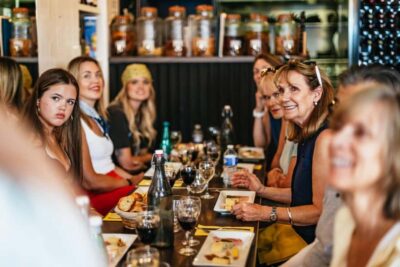
Paris is full of food tours. This one stands out because it is built around technique, not just tasting. You show up to bake, not to watch. And with a small group of up to 6, you get closer to what it’s like in a professional kitchen, just scaled for visitors.
I also appreciate that the class is designed for people who actually want to repeat the results at home. You get an English language copy of the recipes, plus aprons and all the equipment you need. That matters because macarons live or die by details, like texture and timing, not by luck.
One possible drawback is the level of focus. A couple of people in the reviews felt it was more advanced and very hands-on. If you’re hoping for a relaxed, low-effort class, you may find yourself concentrating more than expected.
Other kitchens for macarons and pastry:
- Paris: Montmartre Cheese, Wine & Pastry Guided Walking Tour
★ 4.8 · 2,255 reviews - Paris: Macaron Class at Galeries Lafayette
★ 4.2 · 1,196 reviews - Award-Winning Paris French Bakery Experience — Le Marais, 4th Arr
★ 4.5 · 1,186 reviews - Private Montmartre Food Tour with Wine, Cheese & Pastries
★ 5.0 · 1,027 reviews
Arriving at Patisserie a la Carte on Rue Thimonnier
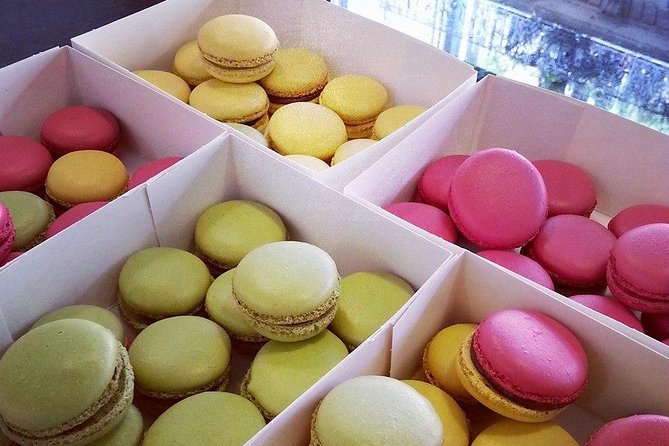
Your class start point is 9 Rue Thimonnier, 75009 Paris, and the activity ends back at the meeting point. That simple “start and finish nearby” setup is helpful when you’re mapping your day around Metro lines and walking time.
Once you’re inside, the flow is straightforward: you move through the macaron-making process step by step with your chef. This is not a passive tasting. It’s a working session where you learn what to do, then practice it.
Also keep in mind the class is offered in English, and you’ll be using recipe instructions in English. Reviews praise the teachers for clear direction and strong English, which is a big deal when you’re dealing with technical baking steps.
The Heart of It: Italian Meringue and Perfect Macaron Shells
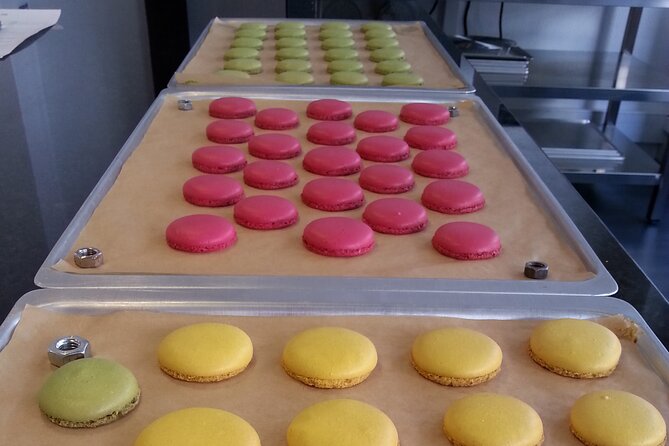
The main skill you learn is how to make macarons using the Italian meringue method. It’s more technical than some other approaches, but the payoff is consistency. Your chef guides you through the reasoning behind the steps, not just the steps themselves.
You’ll work on macaronage, meaning the mixing process that helps the batter flow into that smooth, characteristic shell. The class description also highlights an important practical skill: learning how done the batter is by touch. That’s the kind of tip that sounds small until you try to bake macarons later and realize you never had a real way to check progress before.
You’ll also learn how to pipe them correctly. Piping is where a lot of home bakers get stuck, because it’s not only about squeezing a bag. It’s about uniform rounds and the right batter consistency so the shells bake evenly.
If you’ve attempted macarons before and had disappointment, this is the kind of class that can reset your technique. Multiple reviews mention people who finally succeeded after earlier failed tries, usually because the guidance removes the guesswork.
Ganache Filling Skills, Including a Surprisingly Specific Whisk Tip
Macarons are a shell plus filling. This class treats the filling seriously, and you learn more than just how to spoon ganache in.
The course covers how to get a silky ganache result, including a very specific technique related to whisking. In the class description, you’ll learn there is only one good way of holding your whisk to achieve that smooth texture. That kind of detail is exactly what makes a difference at home, where you might otherwise blame the recipe when the real issue is the mixing method.
You also pick up “little tricks” for a can’t-miss ganache filling. While the exact tricks aren’t listed line by line in the materials you provided, the theme is consistent: you’re learning how to manage texture so your filling isn’t too loose, too stiff, or prone to not pairing correctly with the shells.
Then comes the satisfying part, assembling macarons with a filling that matches the shell. And yes, you’ll learn how to finish them in ways you can actually replicate later.
Garnishes and Flavor Mixes: Chocolate, Fruit, and Crunchy Extras
You don’t just make one plain batch. You learn about different garnish and flavor options that can change the whole personality of the final cookie.
The class covers combinations like chocolate ganache, pistachios, and vanilla. It also includes fruit-forward ideas such as raspberries and passionfruit. For texture and presentation, you’ll hear about choices like chocolate shavings.
This matters for two reasons. First, you can build variety without needing a separate recipe for each flavor. Second, it helps you understand how toppings and fillings behave, which is useful if you start improvising at home.
If you’re someone who likes to customize desserts, you’ll probably enjoy this part the most. It’s also a good way to make the class feel less like a one-note tutorial and more like learning a flexible system.
Other Paris ateliers to spend an afternoon in:
- Fragonard Paris: Mini Perfume Workshop★ 4.5 · 1,924 reviews
- Paris Cooking Class and Lunch with Wine plus Market Visit Option★ 5.0 · 1,024 reviews
- Paris Croissant Small-Group Baking Class with a Chef★ 5.0 · 910 reviews
- Paris: 2-Hour Perfume Creation Workshop★ 4.8 · 731 reviews
What You Eat Now and Take Home Later
You’ll enjoy what you make on the spot, or you can take it with you. That’s one of the best features of this type of class in Paris. You’re not stuck with raw ingredients and vague “maybe it’ll turn out” hope. You see results quickly, then you get to eat them while they’re at their best.
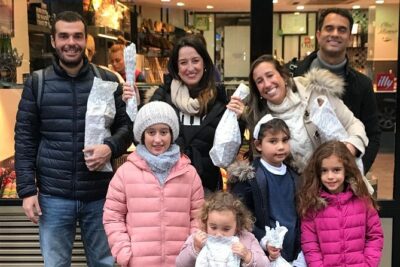
Take-home bags are included, so you can prolong the pleasure later. That’s especially nice for families, because you’re not trying to transport delicate cookies without help.
Price-wise, the value is strongest when you compare what you receive to the cost of trying this at home. You’re paying for a chef, a small group format, equipment, English recipes, and instruction on techniques that are usually hard to learn from a video. At $114.65 per person for about 2 hours 30 minutes, you’re also paying for the chance to build skill while avoiding the waste that comes with botched macarons.
Tea and coffee are included too, which keeps the class comfortable and helps when the session is hands-on and focused.
A nice bonus: to celebrate their 10th anniversary, you’re also given an Everyday Gourmet French Tarts eBook. It’s not required to enjoy the macaron class, but it’s a thoughtful extra if you want more recipe inspiration afterward.
Instructors, Group Energy, and the Realistic Pace
The reviews give you a good sense of what teaching style can feel like. Names that come up include Hiba, Gaëlle, Marie, and Julie. While you can’t guarantee which chef you’ll get, you can look for the qualities that repeat: patience, clear step-by-step direction, and a strong focus on technique.
Most people praise the individual attention. Several reviews mention that with a small group, everyone got the help they needed, especially for first-time bakers. People also mention that teachers explain the why behind the process, which is the only way technique actually sticks.
One review note that stands out as a potential drawback: one person found the instructor’s vibe a bit all-business and less energetic than they wanted. Another felt it was more advanced and intense. So I’d frame this as a precision class, not a party class.
Also, the class is hands-on, and for certain preparations, participants may work in pairs. That usually helps keep everything moving and gives you a chance to learn by doing in a natural way.
Who This Macaron Making Class Is For
This is a great match for two types of people.
First, it fits bakers and visiting food lovers who want hands-on technique, not just a tasting walk. The course teaches macaronage, piping, and ganache filling with enough explanation that you can try again later.
Second, it works well for families with older kids. The minimum age is 12 and up, and children must attend with a registered adult (1 adult per child). Reviews include multiple teenager experiences where the class felt fun and doable, especially because the chef can guide you through steps instead of leaving you to struggle.
If you’re a complete beginner, you still have a shot, but come prepared to follow directions closely. One big theme in the feedback is that success improves when you respect measurements and timing. The class even helps you avoid common errors by walking you through what’s happening at each stage.
If you’re traveling on a busy day, you’ll want to give it the space it deserves. Two and a half hours goes fast, but it is not a filler activity.
Should You Book This Paris Macaron Class?
If your goal is to learn the real method behind macarons, not just eat them, then yes, I’d book it. The standout value is the combination of small-group size, hands-on coaching, and English recipes so you’re not left translating “why did mine fail?” back at home.
I’d also book if you want gluten-free macarons without sacrificing the lesson plan. The class specifically notes it is gluten-free, and that’s a big plus if you deal with dietary restrictions and don’t want to compromise.
I’d think twice only if you dislike structured, technical cooking classes. This is precise baking work, and even people who loved it described it as intense or more advanced than some classes. If you want something more casual and purely social, it may not match your mood.
FAQ
How long is the Paris macaron making class?
The class runs about 2 hours 30 minutes.
What group size is it?
It is a small-group class with a maximum of 6 participants.
Is the class offered in English?
Yes. You get an English language copy of the recipes, and the class is offered in English.
Is the class gluten-free?
The macarons are stated to be gluten-free.
What’s included in the price?
The class includes the professional French pastry chef, aprons, recipe instructions in English, all cooking equipment, take-home bags, tea and coffee, and an Everyday Gourmet French Tarts eBook for their 10th anniversary.
What is the minimum age for participants?
The minimum age is 12. Children must attend with a registered adult (1 adult per child).
Newest write-ups from Paris


Pastry and Macaron Classes, compared.
Montmartre Cheese, Wine & Pastry Guided Walking Tour
Read our review →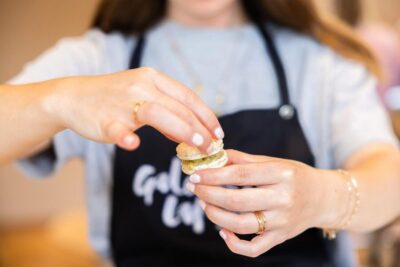
Award-Winning Paris French Bakery Experience — Le Marais, 4th Arr
Read our review →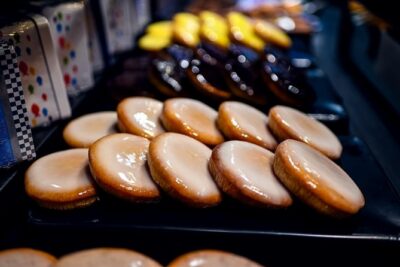
Private Montmartre Food Tour with Wine, Cheese & Pastries
Read our review →
Paris French Sweets Tasting Tour with Pastries and Chocolates
Read our review →
Paris Croissant Small-Group Baking Class with a Chef
Read our review →
Browse the lists this tour appears in