
Reviewed · MONTMARTRE HILL TOURS
Paris: The Ultimate Wine Tour of Montmartre – 7 Guests max
Montmartre wine tasting turns Paris into a classroom. This small-group walk through Montmartre wine bars mixes city stories with real wine skills, then ends with a blind tasting format that helps you taste with intent. I like how the pace stays personal, max 7 people, so questions do not get pushed to the back of the line.
I also like the hands-on structure, including a workshop focused on wine aromas and perception, plus tastings paired with local French bites. One consideration: it is adult-focused (not suitable for children under 18), and non-alcoholic drinks are basically only water, so plan your pace if you prefer lighter sipping.
In This Review
- Key things you’ll notice right away
- Montmartre Wine Tour, what makes this one different
- Meeting at Place Blanche, start with the right energy
- The first guided stretch, why the city lessons matter before you sip
- Stop one, tasting wine in a small bar setting
- The second Montmartre walk, building taste memory with context
- Restaurant stop, learning balance with food and French bites
- Final bar tasting and blind test, where your new skills get tested
- What you actually learn, beyond just drinking wine
- Food and wine included, and how to plan for it
- Price and value, what $128 is buying
- Who this Montmartre wine tour suits best
- Should you book it?
- FAQ
- How long is the Montmartre wine tour?
- How many people are in the group?
- What is included in the tastings?
- Are non-alcoholic drinks included?
- Where do I meet the guide?
- Is this tour suitable for children?
Key things you’ll notice right away
- Max 7 person format means you actually hear the details and try the tasting steps
- 4 French wines paired with French food, so you learn balance, not just flavors
- Aroma and perception workshop that turns smelling into a technique
- A blind tasting (two wines) that tests what you picked up during the walk
- Montmartre hidden side-streets plus planned stops, rather than a random bar crawl
- English live guide who links winemaking to the neighborhood you are walking through
Other climbs up the Butte:
- Montmartre Hidden Gems and Scenic Highlights Walking Tour
★ 5.0 · 2,684 reviews - Montmartre Hill French Gourmet Food and Wine Tasting Walking Tour
★ 5.0 · 2,588 reviews - Paris: Montmartre Highlights Walking Tour with a Local Guide
★ 4.9 · 2,318 reviews - Paris: Montmartre Cheese, Wine & Pastry Guided Walking Tour
★ 4.8 · 2,255 reviews
Montmartre Wine Tour, what makes this one different
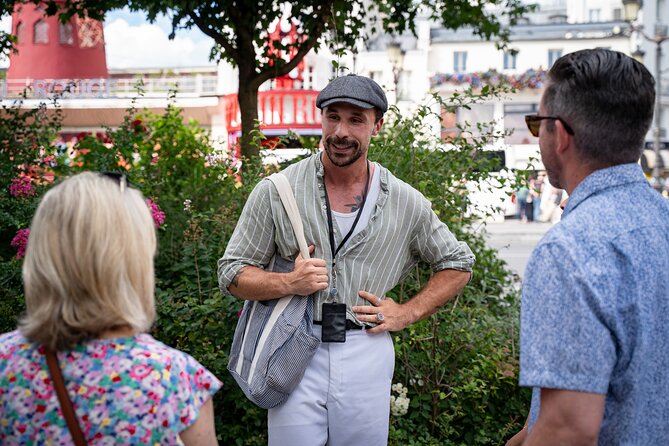
This is not a vague wine stroll where you pop in, drink, and hope it feels educational. The whole point is that you walk Montmartre with a guide who connects what you see, what you eat, and what you taste. If you have ever wondered why French wine tastes the way it does, this tour gives you a simple way to understand it, using terroir and winemaking stories at the same time as your glasses.
The Montmartre setting matters too. You are moving through historic streets and small, bohemian corners, not just sitting in a room. That combination helps the lessons stick because your brain has places to attach the information to.
Finally, the small group size is not a gimmick. When you are max 7 people, the tasting exercises feel like they are built for you, not for a crowd.
Meeting at Place Blanche, start with the right energy
You meet at 5 Pl. Blanche. Go in front of the Starbucks and look for the moustache and badge, which makes the first connection easy. Showing up a little early helps because you can settle in, get the plan from the guide, and start with a clear head for your first tasting.
This is a walking experience in Montmartre, so wear shoes you trust on uneven sidewalks and cobblestone streets. If you are prone to sore calves, it is worth taking it slow on the steeper stretches, since you will be tasting along the way.
Also, remember the tour runs 3 hours. That is a tight window for multiple stops, so the guide will keep things moving. If you like long museum breaks and long waits, this may feel fast.
The first guided stretch, why the city lessons matter before you sip
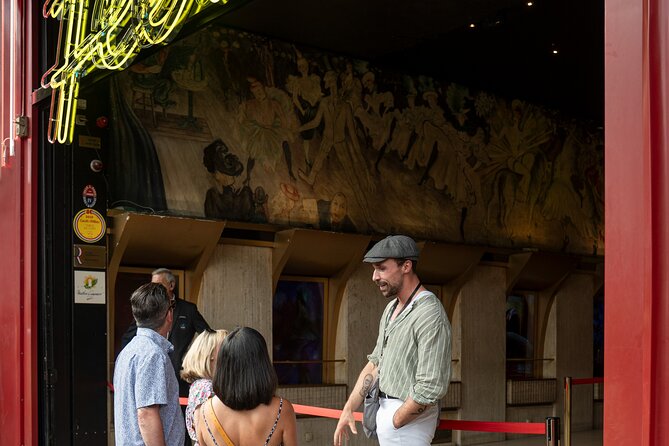
Right after you meet, you get a 30-minute guided tour through Montmartre. This portion is not just sightseeing. It sets the scene for the wine stories that come next, so you understand why certain places, traditions, and flavors connect to specific regions and styles.
One smart thing here is sequence. You learn about France and the neighborhood first, then you taste. That order matters because terroir and winemaking can sound abstract until your guide gives you a mental map of how place connects to product.
Practical tip: pay attention to the guide’s explanation of what to focus on while tasting. The tour includes an aroma and perception workshop later, so even early on, you will get better results if you start using your senses in the moment.
Stop one, tasting wine in a small bar setting
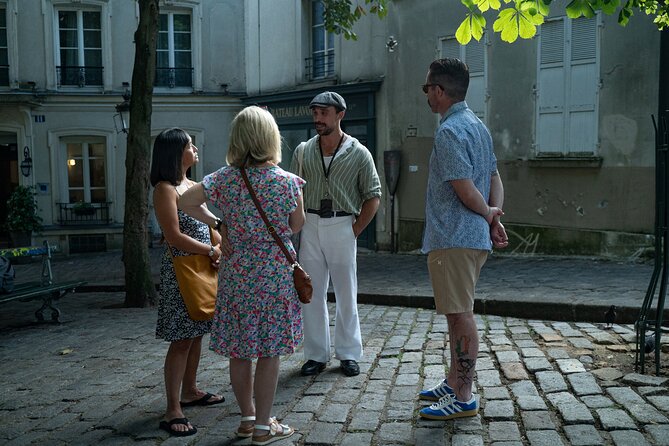
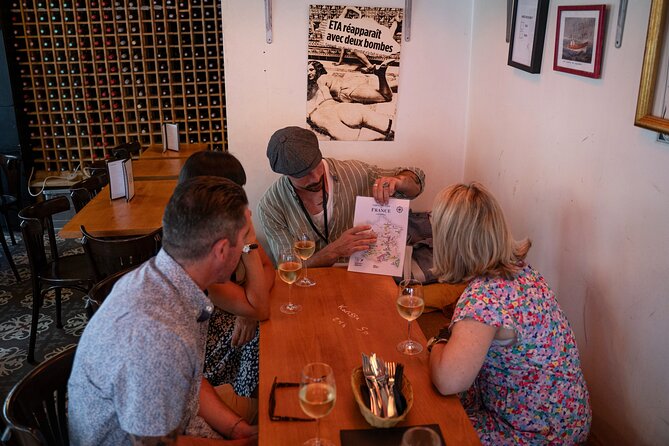
Next comes a tasting at a local bar, roughly 30 minutes. You taste selected French wines and get paired French food along with them, including nibbles like roasted cheese and other regional bites. The point is to learn how flavors interact, not just to pick your favorite glass.
At this stage, you should treat the tasting like a short lesson. Smell first, then sip, then pay attention to how the food changes the wine. If you just rush to swallow, you miss the structure that makes this tour worth the money.
What makes the pairing useful is that it is not fancy-for-fancy’s-sake. You are learning how salt, fat, and savory aromas can bring out different characteristics in the wine, which is something you can use later when you order in restaurants.
More French bottles opened near Paris:
- Paris: Moulin Rouge Cabaret Show Ticket with Champagne★ 4.7 · 16,088 reviews
- Authentic Parisian Gourmet Food Tour with 10 Local Dishes & Wines★ 5.0 · 4,754 reviews
- Loire Valley Castles Day Trip from Paris with Complementary Wine★ 4.5 · 3,907 reviews
- Paris: Paradis Latin Cabaret Show with Optional Champagne★ 4.6 · 2,231 reviews
The second Montmartre walk, building taste memory with context
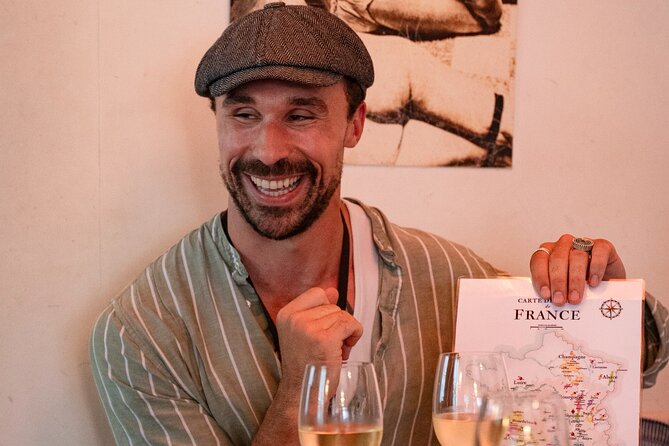
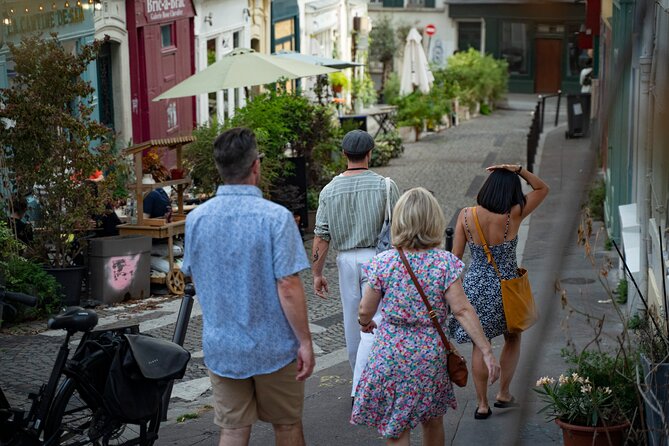
After the first tasting stop, you go back out for another 30-minute guided walk. This is when the tour earns its “more than wine” reputation, because you are still gathering stories while your taste impressions are fresh.
This segment helps you remember what you just learned. You are not trying to memorize wine terms in a vacuum. You are associating flavor and technique with the place you are actually standing in.
If you are the type who likes details, listen for the guide’s links between terroir and what you are tasting. You are learning how growing conditions and production choices show up in the glass, and the walk gives you time to let those ideas settle.
Restaurant stop, learning balance with food and French bites
The tour then includes a local restaurant tasting, about 30 minutes. This is where the food pairings tend to become more substantial, and it helps you understand the practical side of wine drinking in France. You are not tasting on an empty stomach, which makes the whole experience more enjoyable and more focused.
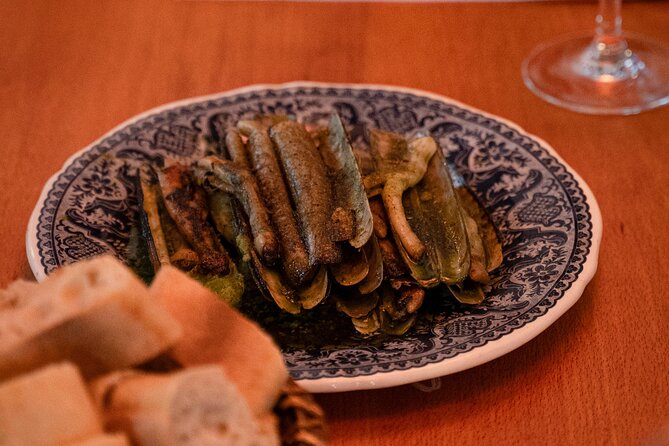
The food range is French and varied. From the info you are given, you should expect a mix that can include charcuterie, roasted cheese, and other local specialties. Some bites described in the experience also reference seafood-style options such as razor clams, which often pair well with crisp whites and lighter reds.
Here is the value of the restaurant stop: it teaches balance. After a couple of tastes, you will start noticing how tannins feel different with fatty cured meats, or how acidity cuts through richer bites. That is real tasting education, not just entertainment.
Final bar tasting and blind test, where your new skills get tested
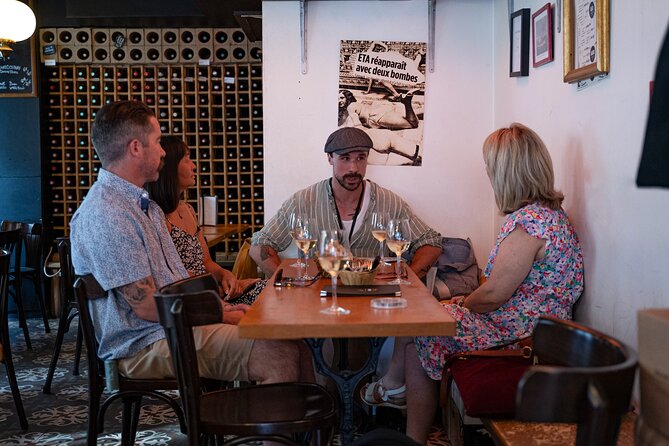
Your last regular stop is another local bar tasting, about 45 minutes. This longer final session gives the tour time to shift from guided explanation to active testing.
The highlight at the end is the blind tasting, where you compare two wines without seeing what they are. You are testing perception skills you practice during the aroma and perception workshop, plus the tasting notes approach that helps you stay consistent.
Where you finish matters too. You end at Cave Les Piqueurs, which adds a wine-focused finale that feels like you are walking out of a real wine world, not just leaving a random bar.
If you want to get the most out of the blind tasting, slow down. Use the same order each time: smell, then sip, then identify what changed in your mouth. After that, talk to your guide and group about what you noticed. The point is not being right. The point is learning how to trust your own senses.
What you actually learn, beyond just drinking wine
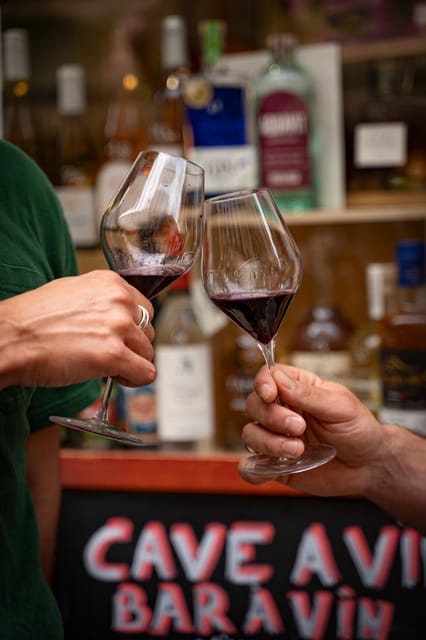
This tour is built around practical wine skills. You will practice tasting techniques that help you describe wine with more clarity, and you will learn how winemaking and terroir connect to what you taste.
A few themes you should expect the guide to cover:
- how French wine styles reflect regional conditions (terroir)
- how winemaking choices affect aroma and flavor
- how blending can shape the final profile of a wine
- how to use your senses in a structured way (not vibes only)
- how to approach a blind tasting with a method
One thing that stands out in the experience descriptions is the focus on aroma and perception. Most people can smell something, but not many people learn how to turn smell into information. By the time you reach the blind portion, you should feel more confident naming what you detect and why it matters.
And yes, the food helps. Pairing is part of the lesson plan, because your mouth learns faster when wine is interacting with real French snacks.
Food and wine included, and how to plan for it
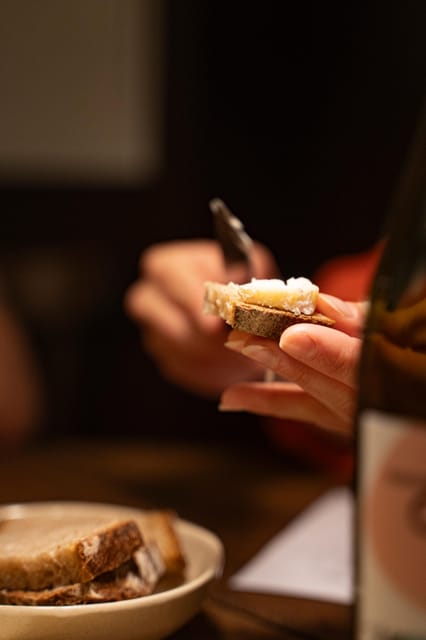
Food and wine are included, and the tour specifies 1 to 3 glasses of wine per stops. That means you are not being pushed into constant drinking. It is paced, and the tastings are designed to match the teaching moments.
Non-alcoholic beverages are limited, with water as the main option. If you are worried about feeling too full or too tipsy, pace your sips, eat the food bites offered, and use water between pours.
There is also a helpful signal from the experience details: the tour has worked well for people who want vegetarian-friendly attention. If you eat vegetarian, mention it early when you join the group, so the guide can guide you toward the best bites.
Price and value, what $128 is buying
At $128 per person for a 3-hour Montmartre tour, you are paying for more than access to glasses. You are paying for:
- a guided walking experience through Montmartre
- multiple wine tastings across planned stops
- French food pairings with each tasting segment
- a workshop on wine aromas and perception
- structured tasting practice, ending with a blind tasting exercise
- a max 7 person group size, which reduces “lost time” and increases interaction
If you were to try to DIY this, you would likely pay for tastings and food anyway, then still lack the tasting method, aroma workshop, and blind test guidance. Here, you get the framework, so you leave with skills you can use later when you buy or order wine.
The value gets even better if you are a first-time wine learner. The tour is built to help you go from casual drinking to tasting with intention.
Who this Montmartre wine tour suits best
Book this if you want:
- wine education that feels hands-on, not lecture-only
- a Montmartre walk that includes real local bar and shop stops
- a small-group format where you can ask questions
- practical tasting exercises, especially the blind tasting
It may not be your best match if:
- you need lots of time seated, because this is still a walking tour with multiple stops
- you want a non-alcoholic beverage heavy experience, since water is the only clearly included non-alcohol option
- you are traveling with children, since it is not suitable for kids under 18
Should you book it?
I think this tour is a strong pick if you care about learning how to taste wine, not just sampling it. The max 7 group size keeps it interactive, the Montmartre walking adds context, and the blind tasting plus aroma workshop gives you a clear way to measure what you learned.
If you are on the fence, ask yourself one question: do you want your wine trip to feel like a skill-building afternoon? If yes, this is the kind of Montmartre experience that will stick with you longer than the last glass.
FAQ
How long is the Montmartre wine tour?
It lasts about 3 hours.
How many people are in the group?
The group is limited to a maximum of 7 participants.
What is included in the tastings?
You get wine tastings at multiple stops, paired with French food. The experience also includes a workshop focused on wine aromas and perception, plus a blind tasting.
Are non-alcoholic drinks included?
Non-alcoholic beverages are not included except for water.
Where do I meet the guide?
Meet in front of the Starbucks at 5 Pl. Blanche. Look for the moustache and badge.
Is this tour suitable for children?
No. It is not suitable for children under 18.
Newest write-ups from Paris
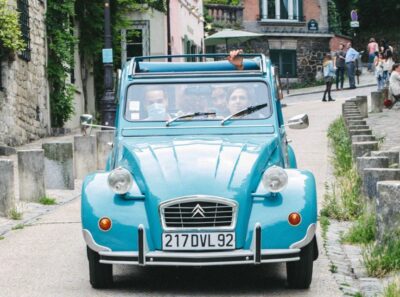
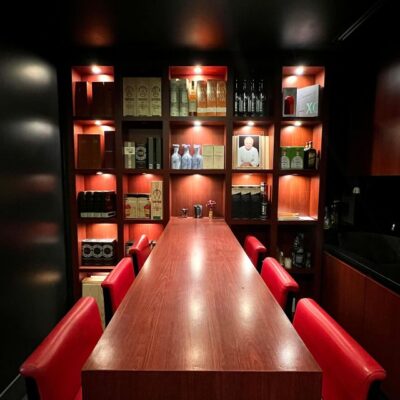
Montmartre Hill Tours, compared.
Montmartre Hidden Gems and Scenic Highlights Walking Tour
Read our review →
Montmartre Hill French Gourmet Food and Wine Tasting Walking Tour
Read our review →
Montmartre Highlights Walking Tour with a Local Guide
Read our review →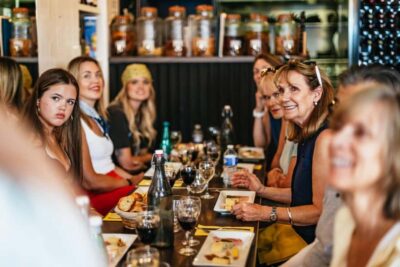
Montmartre Cheese, Wine & Pastry Guided Walking Tour
Read our review →
Private Montmartre Food Tour with Wine, Cheese & Pastries
Read our review →
Sacré-Coeur and Montmartre Tour with Expert Guide
Read our review →
Paris Montmartre Food Tour – A Full French Meal by Do Eat Better
Read our review →Browse the lists this tour appears in