
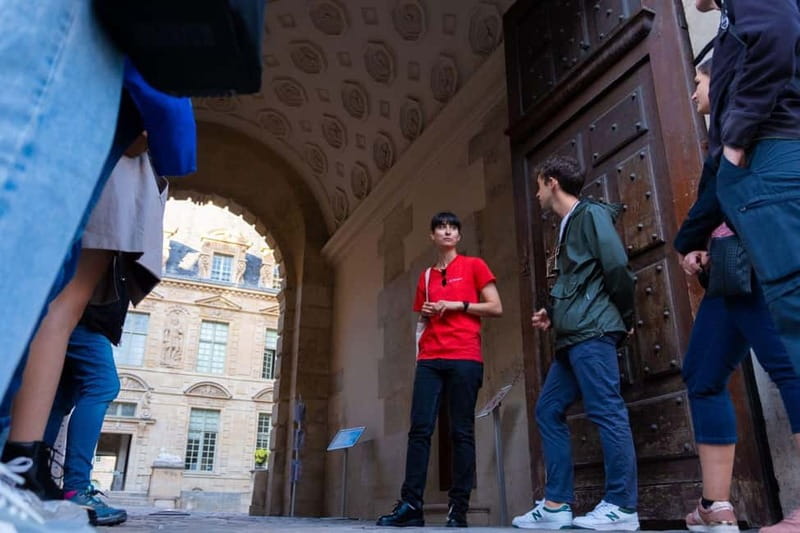
Reviewed · LE MARAIS WALKING TOURS
Explore the Marais: History, Art & Local Culture
The Marais works like a street-level time machine. In about 2 hours, you’ll walk from the city’s power centers to the medieval lanes of Le Marais, with stops that tie art, identity, and big political turning points into one easy route.
I especially love the mix: you get iconic sights like Hôtel de Ville and Saint Gervais, plus the smaller stuff that makes the neighborhood feel lived-in, from quirky architectural details to street art and LGBTQIA+ landmarks. I also like the tour’s simple payoff, a pastry tasting of a local merveilleux, which breaks up the walk and gives you a real taste of local life.
One thing to consider: it’s a focused stroll, about 2 km total. If you’re looking for lots of long seated museum breaks, this is more walk and look than sit and study.
In This Review
- Key things that make this Marais tour worth your time
- Where you start: the Pompidou area, then straight into Le Marais
- Hôtel de Ville, the Stravinsky Fountain, and street art with purpose
- Saint Gervais and the medieval lanes: where the Marais feels real
- Rue des Rosiers: the Jewish Quarter as a living neighborhood
- The merveilleux stop: a pastry break that actually changes the mood
- Place des Vosges and Victor Hugo, then the Bastille Revolution finish
- Pacing, group size, and how the walking actually feels
- Guides and what the best versions of this tour feel like
- Price and value: what $49 buys you in the Marais
- Who should book this tour, and who might want a different one
- Should you book the Explore the Marais: History, Art & Local Culture tour?
- FAQ
- How long is the tour?
- Where is the meeting point?
- What language is the tour guide?
- How many people are in the group?
- What food is included?
- Is the tour suitable for vegetarians?
- How much walking is included?
- What is the cancellation and reserve/pay-later policy?
Key things that make this Marais tour worth your time
- Pompidou area start: a quick orientation so the route through Le Marais makes sense fast
- Hôtel de Ville to Saint Gervais: major landmarks plus the medieval texture between them
- Street art and LGBTQIA+ landmarks: you see the neighborhood’s modern identity alongside older streets
- Rue des Rosiers Jewish Quarter: the cultural center of Paris for Jewish food and community life
- A vrai bakery moment: the merveilleux tasting is small but memorable
- Place des Vosges to Bastille: Victor Hugo and the French Revolution in walkable proximity
Other walks through the Marais:
- Award-Winning Paris French Bakery Experience — Le Marais, 4th Arr
★ 4.5 · 1,186 reviews - Paris Le Marais Food Tour With 10+ Tastings, Cheese, Wine & More
★ 5.0 · 985 reviews - Paris Le Marais District Original Food and Wine Tasting Tour
★ 4.5 · 880 reviews - Paris Bike Tour Hidden Secrets in the Latin Quarter & Le Marais neighborhoods
★ 5.0 · 766 reviews
Where you start: the Pompidou area, then straight into Le Marais
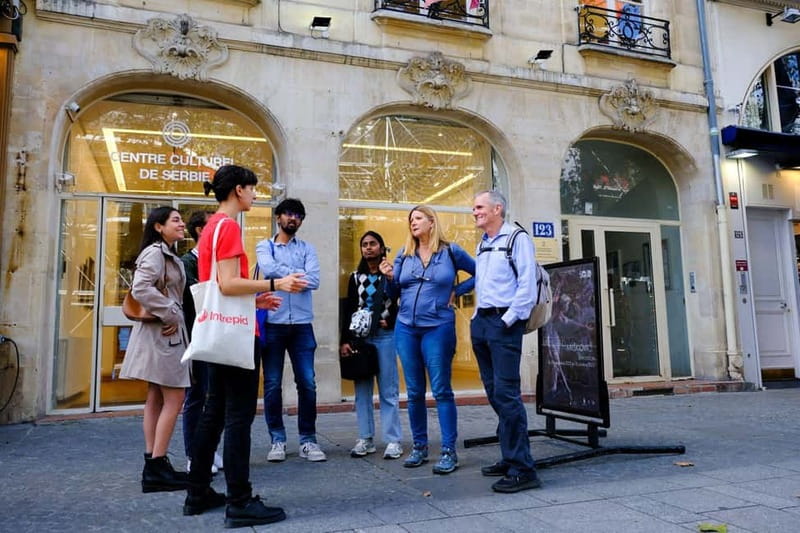
You meet at 123 Rue Saint-Martin, 75004, right across from Centre Pompidou, near the Centre Culturel de Serbie. Your guide holds a Paris Urban Adventures sign, so it’s usually easy to spot the group and get underway.
This matters more than it sounds. Starting near Pompidou gives you a grounding point at the edge of the Marais, so when you later see older courtyards, religious architecture, and Revolution-era landmarks, they land with context rather than feeling like separate postcards.
The Pompidou stop itself is brief, a guided orientation around that hub for about 10 minutes. Think of it as the tour’s “map in your head” stage, not a full museum visit.
Hôtel de Ville, the Stravinsky Fountain, and street art with purpose
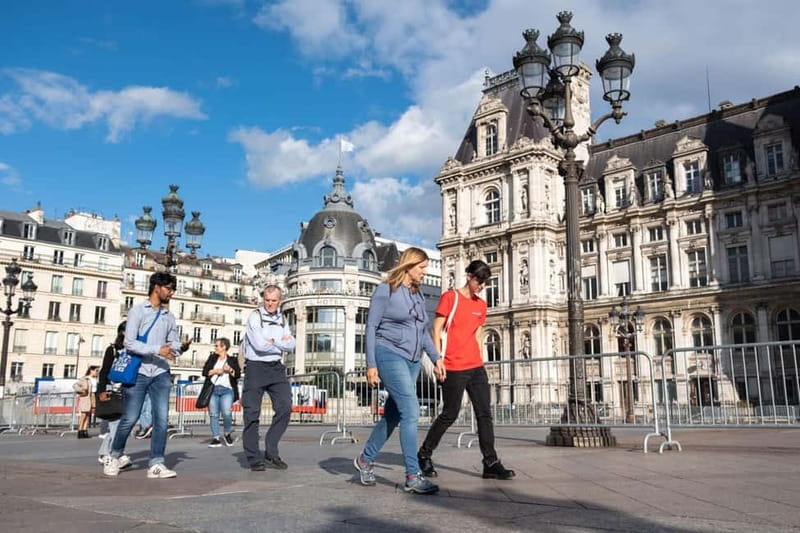
From the Pompidou side of the neighborhood, you shift toward Hôtel de Ville, and along the way you pass the Stravinsky Fountain. Even if you’ve only seen photos, it’s the kind of piece that instantly changes how you read the street around it. It signals that this isn’t a one-dimensional “old Paris” walk.
You’ll also get street art highlights, and the guide ties them to what’s happening in the neighborhood now. That includes the LGBTQIA+ scene, which is part of the Marais’s everyday life, not something tucked away in a single destination. You’ll get pointed at landmarks and details you’d likely miss if you were just wandering without someone who knows the neighborhood’s story beats.
Then you hit Hôtel de Ville and slow down long enough to make it more than a stop on a list. It’s a place that helps you understand why the Marais sits at the intersection of government, public life, and major political moments.
Saint Gervais and the medieval lanes: where the Marais feels real
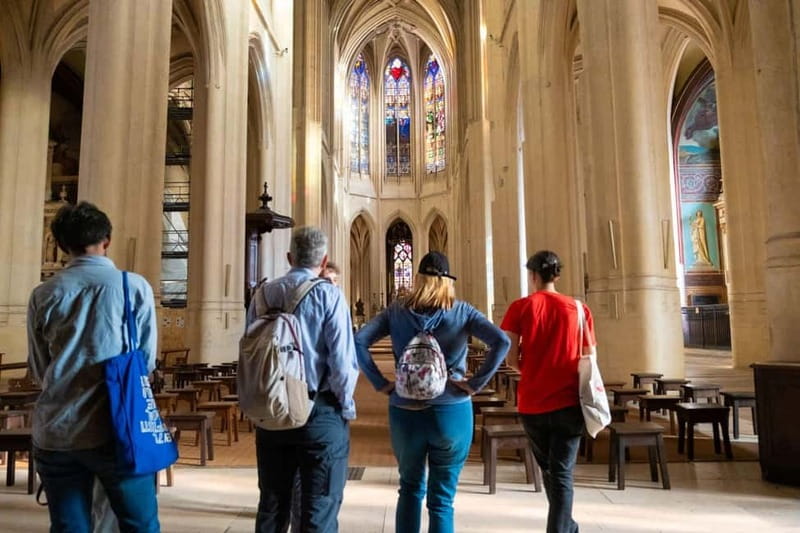
Next comes Saint Gervais Church, a standout stop on this route. This isn’t framed as a “grand building, end of story” encounter. The guide’s job is to help you read what you’re seeing, how older structures sit inside a modern neighborhood, and why this area has kept pulling people in for centuries.
After Saint Gervais, the streets start to feel different. You move into hidden medieval lanes with quirky corbelled houses, the kind of architecture that looks almost sculpted. It’s the sort of detail that makes the Marais special, because it’s not only about famous monuments. It’s about the way everyday streets still carry traces of the past.
For me, this is where the tour earns its value. You’re not just ticking off sights. You’re learning how to spot the neighborhood’s character while you’re still in it, which makes your self-guided time after the tour much easier.
Rue des Rosiers: the Jewish Quarter as a living neighborhood

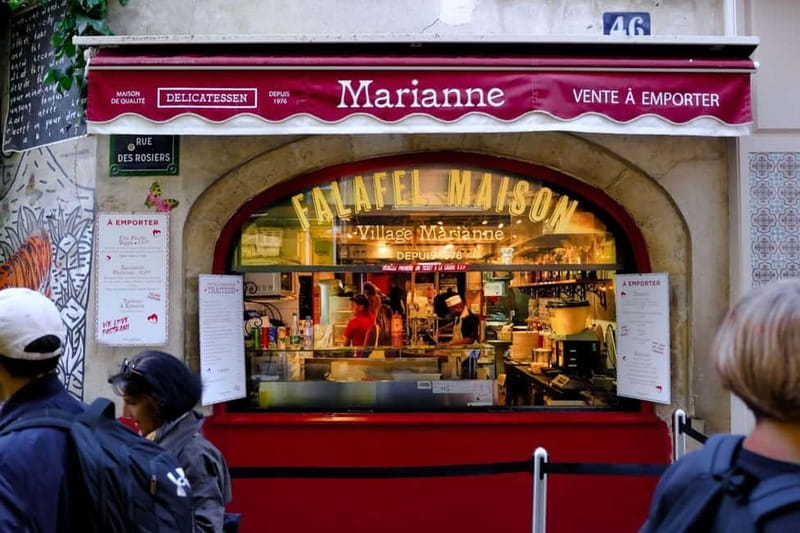
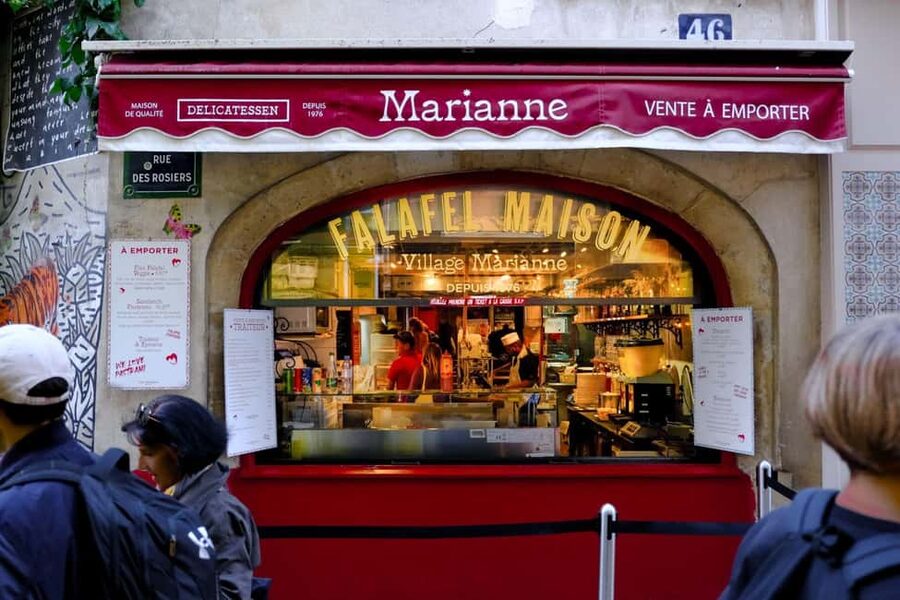
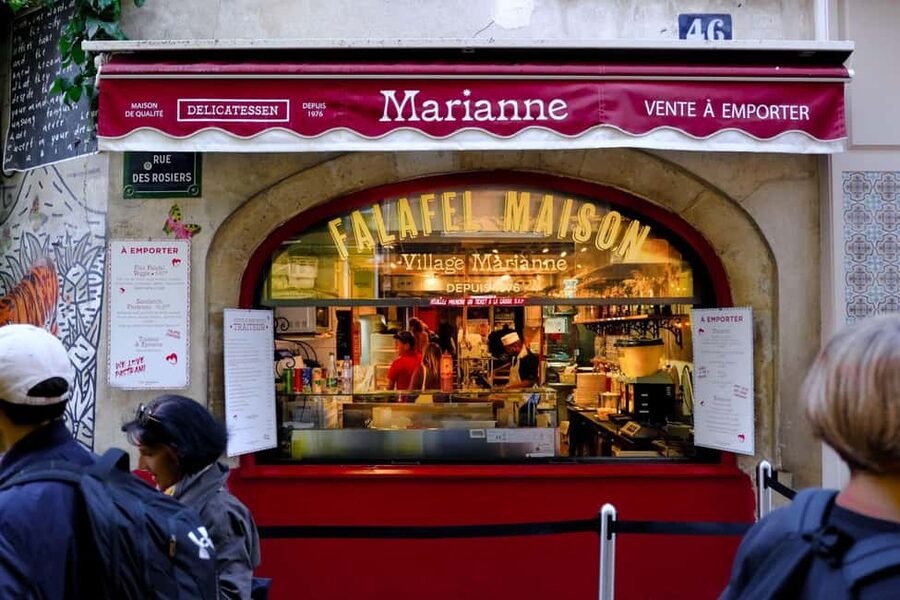
Then you reach Rue des Rosiers, the heart of the Jewish Quarter. This part of the tour is built for people who like seeing how culture works in real life, not only as history on a plaque.
You’ll walk with context about the area and you’ll see the commercial energy of the street, where food is a major part of the culture. The tour description specifically points to the collision of falafel and community life along this street, so expect a place that feels active and identity-forward.
One smart tip: use the Rue des Rosiers time to watch the street rhythm. The guide’s commentary helps, but your best learning comes from noticing how locals shop, snack, and chat in the middle of tourism. You’ll leave with a clearer sense of where to go back later, after the tour ends and you’re hungry for more than one bite.
A handful more Paris options to weigh up
- Paris: Dark History and Ghostly Guided Walking Tour★ 4.7 · 1,000 reviews
- Le Marais/Paris – The Historic, Trendy, Jewish, LGBT district★ 5.0 · 341 reviews
- Paris City of Fashion History Private Guided Walking Tour★ 5.0 · 221 reviews
- History of Paris City Center w/ Notre Dame Semi-Private 12ppl Max★ 5.0 · 194 reviews
The merveilleux stop: a pastry break that actually changes the mood
A highlight on this walk is the merveilleux tasting at a beloved bakery. This is not a big restaurant meal, and the tour doesn’t try to turn into a full food tour. What you get instead is a concentrated taste that works well for a 2-hour format.
Why I like this approach: the pastry tasting gives your brain a reset during walking. It also makes the stop feel “local” in a way that random dessert sampling often doesn’t. The tour is saying, here is one sweet you should know, here is where it belongs in the neighborhood.
There’s also a practical angle. Since drinks and additional food are not included, you’re free to decide what you want after the tour rather than feeling locked into what the group already paid for.
Diet note, important: the tour is suitable for vegetarians, but it is not for customers who need lactose free, gluten free, or vegan options. Since the tasting is a specific pastry, plan around that and consider asking your guide on the day if you have questions about ingredients.
Place des Vosges and Victor Hugo, then the Bastille Revolution finish
You wrap up at Place des Vosges, the location associated with Victor Hugo. This square is a classic Paris scene, but the guide angle matters. You’re not just admiring the symmetry. You’re learning how literary and political France connect to the streets you walked.
From there, you get time around Place de la Bastille, tied to the French Revolution. This is a great “why you care” stop for travelers who want context, because it ties the earlier architecture and public spaces to the kind of upheaval that shaped modern France.
One thing I like about ending in this part of the map: it’s easy to keep going after the tour. You’re positioned near lively streets where it’s simple to grab a drink, snack, or just continue wandering with a better understanding of what you’re seeing.
Pacing, group size, and how the walking actually feels
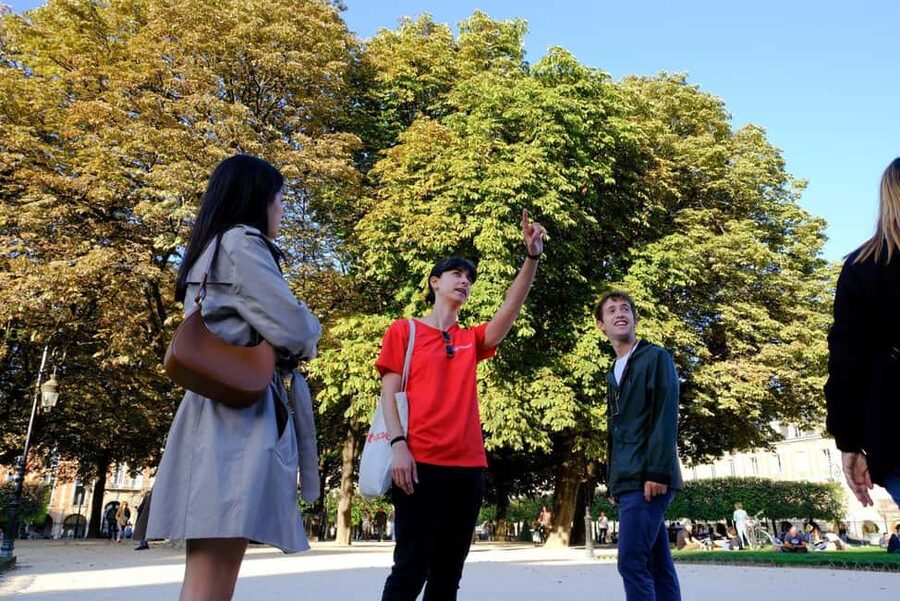
This is a small-group tour, maximum 12 guests, with a private option available. In plain terms, that size keeps the experience from turning into a shuffle. If someone in your group has questions, the guide can actually respond without the entire line falling apart.
The total walking distance is listed as 2 km (about 1.2 mile). Over 2 hours, that’s comfortable for most visitors, especially if you’re used to city walking. The tour description also calls out comfortable shoes as a must, and an umbrella as a smart bring for unpredictable weather.
This tour is also marked as child-friendly, which matters because it means the pacing and commentary tend to work for families. If you’re traveling with kids, this is often easier than long museum marathons, because the environment itself stays interesting.
Guides and what the best versions of this tour feel like
The tour runs with expert English-speaking local guides, and the standout theme from guide styles is how they explain the neighborhood without turning it into a lecture.
You might get guides like Sarah, Maxi, Paloma, or Camila. Across those different guide names, the consistent strengths are: they set a good pace, connect details to the bigger story, and point out small visual clues like street art you’d otherwise walk past.
If you’re the type who asks questions, this format tends to reward that. Guides like Paula, Laure, and Linda are described as taking time to answer and adapting the walk to what people care about, whether that means history, art details, or food ideas.
Price and value: what $49 buys you in the Marais

At $49 per person for a 2-hour guided walk, this is priced like a practical, high-return city experience. You’re not paying for a long museum session. You’re paying for someone to connect the dots across a neighborhood that can otherwise feel overwhelming.
Here’s what you’re actually getting for that price:
- A guided walk through multiple anchor points in the Marais
- Focus on street art and LGBTQIA+ landmarks, plus architectural details
- Time in the Jewish Quarter on Rue des Rosiers
- A merveilleux tasting
- Small-group attention (max 12) or a private option
When I think about value, I weigh it against doing this on your own. If you wander solo, you can absolutely see the sights, but you might miss the reason behind them. You also might not know which streets to prioritize or what to look for in the architecture and street art.
This tour is especially good if you want a fast “Marais orientation” that makes your rest-of-trip wandering more confident.
Who should book this tour, and who might want a different one
This tour is a strong match if you want:
- A 2-hour Marais plan that covers the big landmarks and the smaller details
- A guided connection between art, architecture, and political history
- A real neighborhood stop at Rue des Rosiers
- A tasting that’s simple, included, and not a full meal
It may be less ideal if you:
- Prefer long museum-style pacing and lots of sitting
- Need strict dietary options like lactose free, gluten free, or vegan choices
- Want a tour that includes drinks beyond the pastry
If you’re flexible and you pack good walking energy, it’s a very solid use of one morning or afternoon in Paris.
Should you book the Explore the Marais: History, Art & Local Culture tour?
Yes, I’d book it if you want one guide-led walk that covers the Marais’s key layers: historic squares, medieval streets, modern identity, and a food taste that feels tied to the neighborhood. The 2 km distance and 2-hour length make it easy to fit into a busy first day.
Skip it only if your top priority is a full sit-down food experience or strict dietary needs. Otherwise, this is the kind of tour that helps you walk away with more than photos. You’ll leave knowing what to look for next time you turn a corner in Le Marais.
FAQ
How long is the tour?
The tour lasts 2 hours.
Where is the meeting point?
You meet at 123 Rue Saint-Martin, 75004 Paris, opposite Centre Pompidou by the Centre Culturel de Serbie. Your guide will be holding a Paris Urban Adventures sign.
What language is the tour guide?
The tour is guided in English.
How many people are in the group?
The tour is a small-group experience with a maximum of 12 guests. A private group option is also available.
What food is included?
You’ll enjoy a local pastry tasting called a merveilleux. Drinks and any additional food are not included.
Is the tour suitable for vegetarians?
Yes, the tour is suitable for vegetarians. It is not suitable for lactose free, gluten free, or vegan customers.
How much walking is included?
The tour covers 2 km (about 1.2 miles) on foot.
What is the cancellation and reserve/pay-later policy?
You can cancel up to 24 hours in advance for a full refund. You can also reserve now and pay later, meaning you pay nothing today.
Newest write-ups from Paris





Le Marais Walking Tours, compared.

Award-Winning Paris French Bakery Experience — Le Marais, 4th Arr
Read our review →
Paris Le Marais Food Tour With 10+ Tastings, Cheese, Wine & More
Read our review →
Paris Le Marais District Original Food and Wine Tasting Tour
Read our review →
Paris Bike Tour Hidden Secrets in the Latin Quarter & Le Marais neighborhoods
Read our review →
Paris Culinary Tour: 11 Tastings & 2 Wines in Le Marais
Read our review →

Le Marais District Food Tour with 10+ Tastings & Wine
Read our review →
Browse the lists this tour appears in