
Reviewed · ORSAY MUSEUM ENTRY TICKETS
Paris: Musée d’Orsay A Private Tour – rebels passion colour
Art rebels, neatly explained, in two hours. This private Musée d’Orsay tour turns the museum into a clear story of 19th-century rule breakers, with an artist’s insight that helps you see why people fought over what counted as good art. I also love the headphones and audio receivers, because they make a guided museum visit feel focused, not shouted over.
The one trade-off is that museum tickets are not included in the $141 price. You’ll need to grab entry tickets separately on orsay.fr (16€), and high season can mean tickets run out, especially for timed options.
In This Review
- Key things you will love about this Musée d’Orsay private tour
- A rebellion-themed Orsay tour you can actually follow
- Meeting the Rhino and setting expectations for a 2-hour visit
- Salons of the 1840s: Delacroix vs Ingres and the idea of taste
- Rule breakers you will see, Courbet through Cézanne
- Impressionism and the shock of rejection, then world fame
- Ending with Van Gogh and Gauguin: individuality at full volume
- Price and value for a private group of up to 6
- Practical do’s and don’ts inside Orsay
- Who should choose this private artist-led option
- Should you book this Musée d’Orsay private tour?
Key things you will love about this Musée d’Orsay private tour
- A rebellion storyline instead of random rooms, moving from the 1840s Salons to the endings of Van Gogh and Gauguin
- An artist as your guide (Damien is an Irish artist and specialist decorator, with 10 years as a Paris museum guide)
- Headphones and audio receivers included, so you can hear clearly even in busy galleries
- Small private group, up to 6 people, which keeps questions and pacing realistic
- A lineup of famous artists tied to a theme, including Courbet, Manet, Monet, and Cézanne
- A clear meeting point by the Rhino sculpture outside the museum, with a guide badge
Other ways into the Orsay:
- Paris: Orsay Museum Entry Ticket
★ 4.7 · 25,647 reviews - Paris: Orsay Museum Entry Ticket and Digital Audio Guide App
★ 4.4 · 3,170 reviews - Paris in a Day: Louvre or Orsay, Eiffel Tower, City Walk & Cruise
★ 5.0 · 1,956 reviews - Paris: Musée d’Orsay Skip-the-Line Tour with Expert Guide
★ 4.5 · 1,145 reviews
A rebellion-themed Orsay tour you can actually follow
Musée d’Orsay is packed. Left to your own devices, it is easy to end up doing the classic museum shuffle, stop-starting between rooms without really connecting the dots. This tour fixes that by guiding you through the origins of artistic rebellion in 19th-century French art, not just the art itself.
I like that the tour has a narrative backbone. You start with the idea of taste as it was argued in the 1840s Salons, then you move toward the artists who challenged the rules. It is a smart way to handle a big museum in a short visit, because your brain does not have to do all the sorting.
And because your guide is an artist, the talk leans into the why and the how. Instead of only listing facts, you get an eye for details, choices, and intentions. That matters at Orsay, where a lot of what feels striking is about technique, subject, and timing.
Meeting the Rhino and setting expectations for a 2-hour visit
Your tour meets outside Musée d’Orsay at the sculpture of the Rhino, and the guide will have a badge. It sounds simple, but it is one of the best parts of a private tour in a large place. You avoid the usual scramble, and you get to start with momentum.
This is a 2-hour experience, designed for a small group of up to 6 people, in English. That time window is short enough that you should expect a focused route, not a museum-wide checklist. You are going for meaning and momentum, not for seeing every masterpiece.
Also, there is an advantage to having direct contact with your guide by WhatsApp or text. It helps if you run late or want quick confirmation about finding the meeting point. It is one of those small comforts that lowers stress before you even enter.
Salons of the 1840s: Delacroix vs Ingres and the idea of taste

The story begins in the Salons of the 1840s, and the guiding contrast is between Delacroix and Ingres. That matters because the Salons were where French art competed for approval, exposure, and legitimacy. If you want to understand why later artists were rejected, you have to understand what people were rewarding first.
Delacroix and Ingres represent two different ways of thinking about painting and what the public wanted to see. In that setting, you can start to feel how narrow the definition of success could be. The tour uses this context to show that rebellion was not random. It was a response to a system with loud opinions and clear expectations.
This opening also sets up the tour’s main theme: the French love a rebel, but they also insist on being convinced. You learn how new ideas were treated when they first appeared, and why the rejection felt personal to the artists pushing forward.
Once you understand that, the rest of Orsay clicks faster. You are not just watching art evolve, you are watching arguments play out in paint.
Rule breakers you will see, Courbet through Cézanne
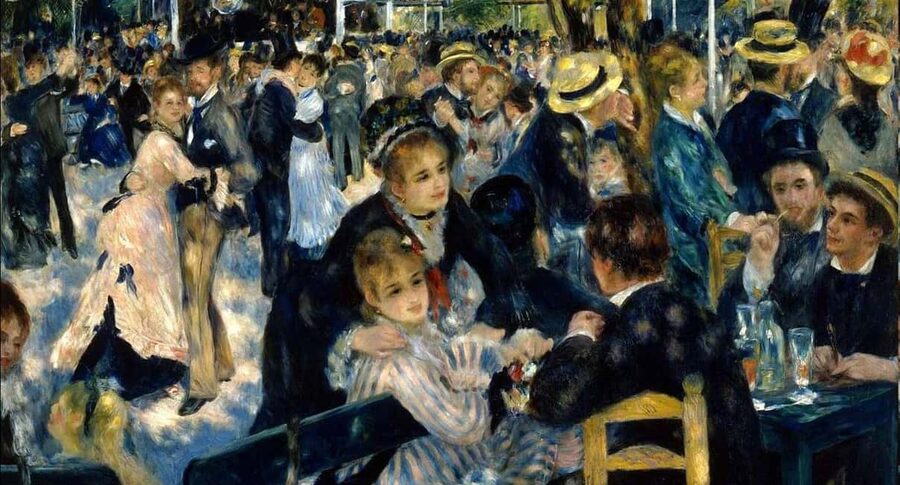
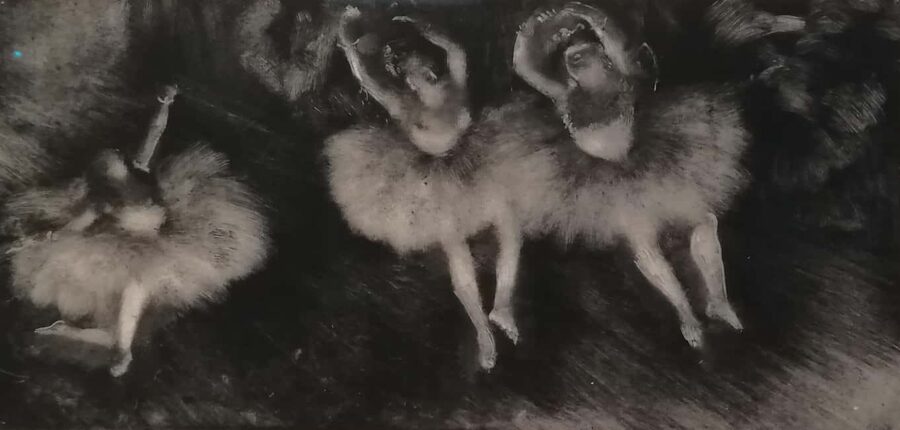
After the Salon setup, the tour guides you toward artists who pushed past the accepted playbook. The plan highlights names like Courbet, Manet, Monet, and Cézanne, with the tour framing each one as part of a larger shift.
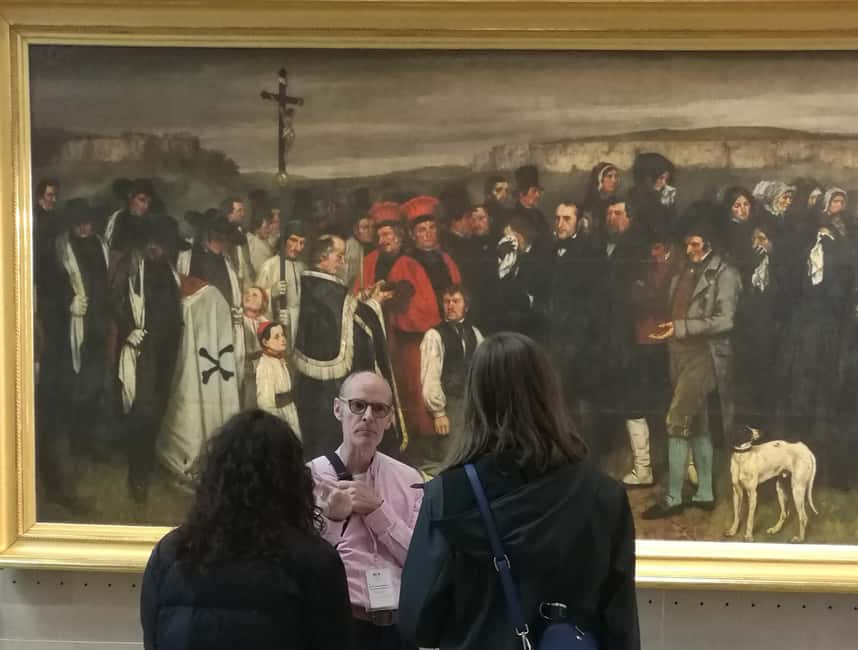
Courbet is often linked to taking everyday subjects seriously, and to refusing some of the polish expected by mainstream tastes. Seeing him through a rebellion lens helps you notice the courage in subject matter. You start asking different questions, like what exactly is being challenged and who is being offended.
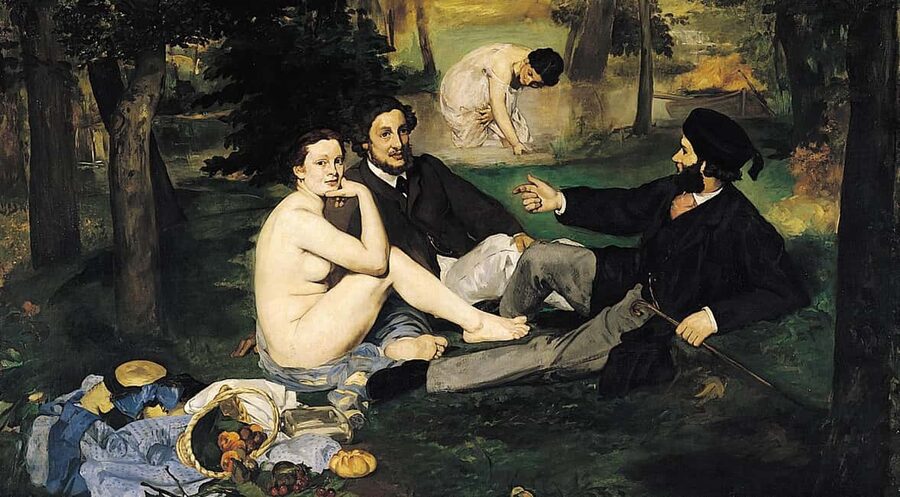
Manet is next in the conversation, and the tour treats him as a spark for arguments that grew louder over time. When you view Manet with the right context, it becomes easier to understand why his work could feel both familiar and provocative. That is the kind of tension that keeps art discussions alive.
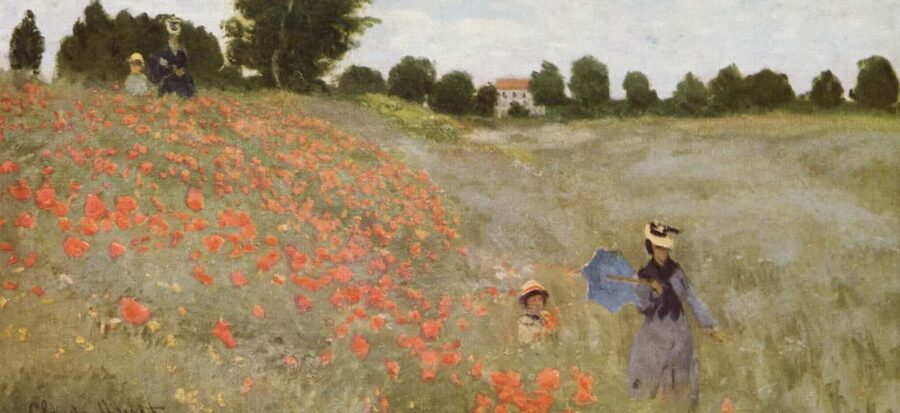
Then come Monet and Cézanne, and the tour connects them to the idea that seeing and painting could be redefined. Monet helps you track the shift toward capturing atmosphere and perception. Cézanne points toward the way form could be analyzed and rebuilt rather than simply displayed.
In a museum, it is easy to treat famous artists like automatic stops. This approach does something better: it ties each artist to a specific challenge, so the works feel like decisions, not just achievements.
Other Paris galleries with a shorter queue:
- Louvre Museum Masterpieces Guided Tour with Access★ 4.5 · 12,023 reviews
- Paris: Louvre Museum Entry Ticket With Host and River Cruise★ 4.6 · 9,926 reviews
- Les Invalides: Napoleon’s Tomb & Army Museum Entry★ 4.6 · 9,185 reviews
- Louvre Museum – Exclusive Guided Tour (Entry Included)★ 5.0 · 6,296 reviews
Impressionism and the shock of rejection, then world fame
A key part of the tour is the significance of the Impressionist revolution for the art of its time. You learn why it was first rejected by the French public, and you also see how that rejection shaped what came next.
The most useful takeaway here is that Impressionism was not just a style. It was an argument about what painting should do. It questioned finished smoothness, it questioned how light should be handled, and it questioned what details mattered.
And this is where the guide’s approach helps. When your guide has an artist’s eye, you get help seeing how the surface works. You stop asking only what you think, and you start asking how the artists built what you are seeing.
You also get reminded that the world did not instantly agree. The tour makes the rejection feel understandable rather than mysterious. That is valuable, because it turns art history into cause and effect, not a list of movements.
If you have ever stood in a museum and wondered why a work would be controversial, this part gives you a clear map. It also makes later masterpieces feel less like luck and more like earned change.
Ending with Van Gogh and Gauguin: individuality at full volume

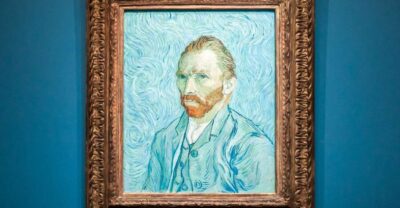
The tour does not end with the Impressionists. It stretches onward to the individuality of Van Gogh and Gauguin, which is a clever way to close the rebellion story. By the time you reach this ending, you can see the pattern: artists keep pushing until their own point of view becomes the main rule.
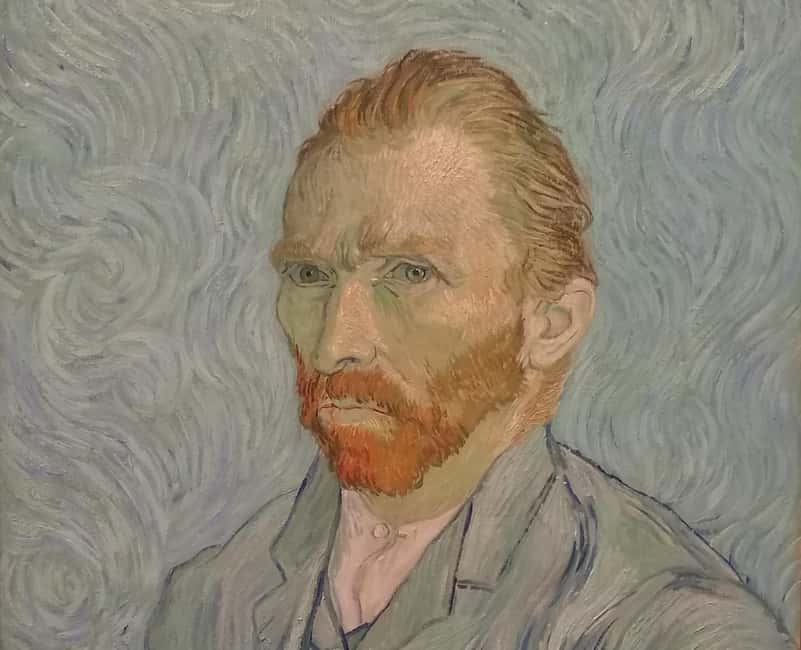
Van Gogh represents intensity and personal vision. Gauguin represents a different kind of boldness, and the tour uses him to show how far personality and choice can go when you stop trying to satisfy the old expectations.
What I like about closing this way is that the story becomes personal. You understand that rebellion is not only about breaking rules in public. It is also about committing to an inner way of seeing.
Even though Orsay is not the only place you might associate with these artists, the thematic framing makes the museum feel like one connected conversation across decades. You leave with a sense of progression, not a jumble of famous names.
Price and value for a private group of up to 6

At $141 per person for a 2-hour private tour, you are paying for a guide who can pace the museum around the art story, not around crowd control or a fixed checklist. That price can feel steep if you only care about seeing everything. But if you want context fast, it starts to make sense.
Here is the value equation as I see it:
- You get a private small group (limited to 6), so the guide can respond to your questions and timing.
- You get an artist guide in English, which usually means better attention to technique, choices, and why something matters.
- You get headphones and audio receivers, so you do not lose the explanation every time the gallery gets busy.
- You also get direct contact by WhatsApp or text, which helps if you need quick adjustments.
The one cost you must plan for separately is the museum ticket. Entry is 16€ via orsay.fr, and there are free entry rules for children under 18 with ID, and EU students under 25. If you have a Paris Museum Pass, it also counts for Orsay.
If you are deciding between this private approach and a generic entry, think about how you learn. If you do well with a guided narrative that ties works together, this is strong value. If you prefer slow wandering with no structure, you might feel the 2-hour format is too tight.
Practical do’s and don’ts inside Orsay
The visit is simple, but a few rules help you avoid friction. No selfie sticks are allowed, and flash photography is not permitted. It is standard museum behavior, but it is good to know before you bring a gadget you cannot use.
Wear comfortable shoes. You will be on your feet moving through the galleries, and Orsay has its own stair and corridor rhythm. If you plan to take photos on your own later, also remember the tour’s focus is on looking and listening, not on a photo safari.
Bring your ID if you are traveling with children, because tickets for under 18 require ID to access free entry. For the guide communication, you will have a way to reach them by WhatsApp or text, so you do not have to guess if you are running late.
One more practical tip that can save you time: tickets for temporary exhibitions can be a valid route to entry. If you want the most flexibility, it is worth considering ticket choices early, especially during high season when availability can tighten up.
Who should choose this private artist-led option
This tour fits best when you want structure, context, and a guided art lens in a short time. It is ideal for:
- First-time Orsay visitors who feel overwhelmed by the scale
- People who enjoy learning how art debates worked, not just what the famous names are
- Anyone who wants an artist’s eye, with attention to details and visual choices
- Small groups who want a shared experience without joining a huge crowd
You might also like it if you are the kind of traveler who appreciates small design choices that make life easier. The audio setup uses headphones and receivers, and Damien’s explanations come through clearly, even among other visitors.
If you are traveling with someone who loves art but gets impatient with vague tours, a private guide helps keep things precise. If you just want the broad highlights without any learning goal, you might get less out of a guided format.
Should you book this Musée d’Orsay private tour?
I think you should book it if you want Orsay to feel like a story with momentum. The rebellion theme turns the museum into an argument you can follow, from the 1840s Salons through the Impressionist shock and out toward the individuality of Van Gogh and Gauguin. You also get the practical benefit of headphones and audio receivers, which makes the whole experience feel less stressful and more enjoyable.
Book it sooner if you are traveling in high season, because while free cancellation is available up to 24 hours in advance, timed entry can still sell out. Also, plan for the museum ticket cost separately so there are no surprises at the end.
If you want a museum visit where you leave understanding why art changed, not just what it looked like, this is a strong pick.
Newest write-ups from Paris








Orsay Museum Entry Tickets, compared.

Orsay Museum Entry Ticket and Digital Audio Guide App
Read our review →
Paris in a Day: Louvre or Orsay, Eiffel Tower, City Walk & Cruise
Read our review →
Musée d’Orsay Skip-the-Line Tour with Expert Guide
Read our review →
Musée d’Orsay Skip-the-Line Tour with Expert Guide
Read our review →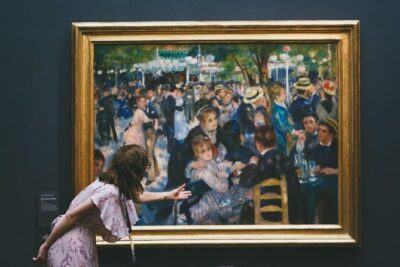
The Musée d’Orsay Guided Tour Orsay Museum Semi-Private 6ppl Max
Read our review →
Louvre & Musée d’Orsay Guided Museum Tour Semi-Private 6ppl Max
Read our review →
Browse the lists this tour appears in