
Reviewed · LOUVRE MUSEUM TICKETS
Treasures of Islam at the Louvre: A Journey Through History
Islamic art at the Louvre, explained with care. This 2-hour small-group tour, led by Yanis (trained at the École du Louvre), pairs technical analysis with stories that make complicated art history feel readable. One drawback to plan around: it is not ideal for very young kids, since it is not suitable for children under 7.
What you’ll enjoy most is the way the tour connects art to time and place, from the refined courts of the Abbasids to Ottoman splendor. You’ll look at a carefully selected set of masterpieces and learn how Islamic art flourished across a huge territory, from Al-Andalus to India. If you only have a tight museum window, the 2 hours will feel short, but that is also what keeps the pace focused.
In This Review
- Key highlights worth your attention
- Treasures of Islam at the Louvre: what the 2-hour format really delivers
- Starting under the Pyramid, then heading straight to Islamic art
- Who Yanis is, and why his training shapes the way you see art
- A guided timeline from Abbasids to Ottomans
- What the tour’s pacing feels like
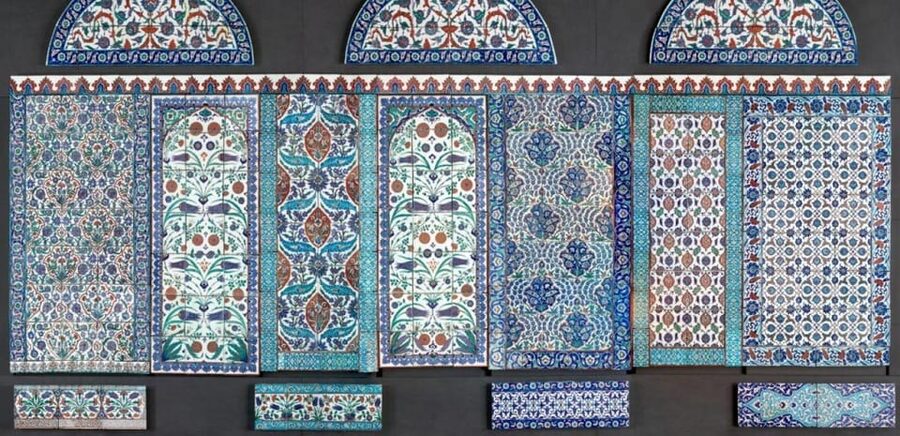
- Technical wonders: how ceramics, metalwork, and stones tell a story
- How to get the most from a small-group museum tour
- Price and value: is $53 per person worth it?
- Who should book this Louvre Islamic art tour
- The practical details that affect your day
- Should you book Treasures of Islam at the Louvre?
- FAQ
- Where do we meet for the tour?
- How long is the tour?
- How big is the group?
- Which languages are available?
- Is the tour wheelchair accessible?
- What is the price per person?
- Is there free cancellation?
- Can I reserve without paying right away?
- Is it suitable for children?
Key highlights worth your attention
- A small group of up to 6 keeps the pace interactive and questions easy.
- Yanis, École du Louvre trained art historian brings museum-level curatorial thinking to what you see.
- Historical depth with clear context ties each work to political, cultural, and spiritual background.
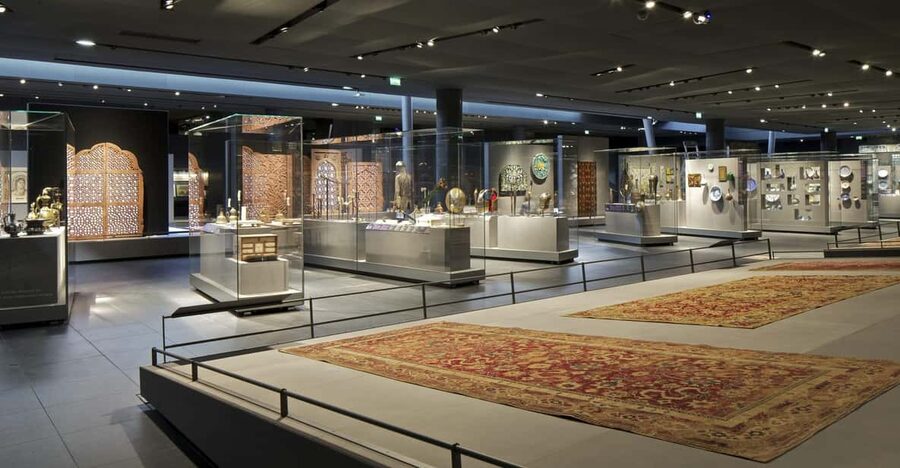
- Materials and techniques get real attention including ceramics, metalwork, rock crystal, and precious stones.
- A chronological sweep across dynasties covers Abbasids through the Ottoman Empire in one visit.
- Meeting under the Pyramid with escort helps you start efficiently and get where you need to go.
More routes through the Louvre:
- Paris: Louvre Guided Tour with Reserved Access & Boat Cruise
★ 4.3 · 16,353 reviews - Louvre Museum Masterpieces Guided Tour with Access
★ 4.5 · 12,023 reviews - Paris: Louvre Overview, Exploration tour and Reserved Entry
★ 4.1 · 10,145 reviews - Paris: Louvre Museum Entry Ticket With Host and River Cruise
★ 4.6 · 9,926 reviews
Treasures of Islam at the Louvre: what the 2-hour format really delivers
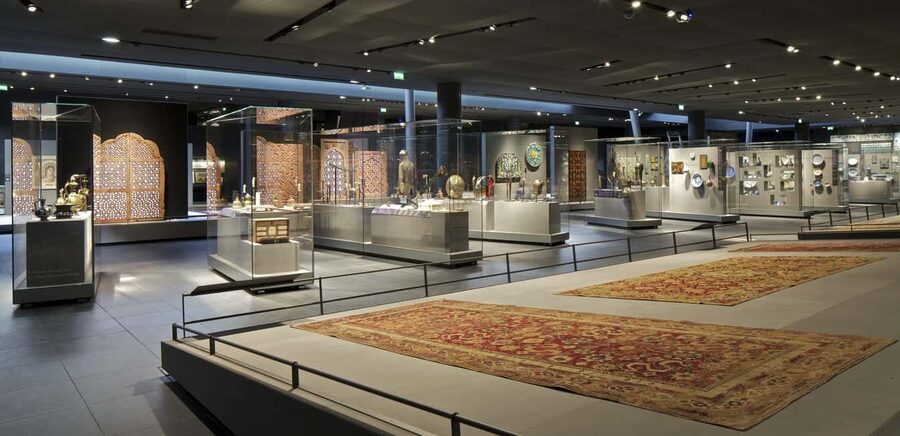
At the Louvre, time disappears fast. This tour is built for people who want meaning without getting buried in gallery numbers and footnotes. In about 2 hours, you get a guided route through Islamic art that connects objects to centuries, not just display cases.
I like the balance here: you’re not treated like you need to “know the basics” first. Instead, the guide gives you a framework, then uses the art to fill it in. The result is that you can leave with a sense of how Islamic art developed over time, not just a list of things you saw.
The sweet spot is also the group size. With a maximum of 6 people, you get a calmer conversation than you would in larger museum group tours. That matters when you want explanations you can actually absorb while you’re standing in front of the work.
Starting under the Pyramid, then heading straight to Islamic art
The meeting point is under the Louvre’s Pyramid, and you meet there with the plan you already have your ticket. That is practical. It reduces the usual scramble that happens when people are still trying to enter or find their group.
Once you’re together, you are escorted to the Islamic art department. This is one of those small choices that pays off. The Louvre is huge, so an organized start helps you spend your limited time where you actually want to be.
Keep in mind the tour runs for 2 hours total. That means you should show up ready to walk, listen, and look closely. If you wander off or stop for long photo breaks, you may miss part of the story the guide is building through the galleries.
Who Yanis is, and why his training shapes the way you see art
This isn’t just a “friendly overview.” Yanis is an art historian trained at the École du Louvre, the museum’s own school for future curators and art specialists. That background tends to show in two ways during a tour like this.
First, you get clearer explanations. The tour is designed to make historical and technical points feel organized, not chaotic. Second, the guide’s approach helps you connect craftsmanship to culture. You don’t just hear what the object is. You learn why its materials and methods mattered for the time period and region.
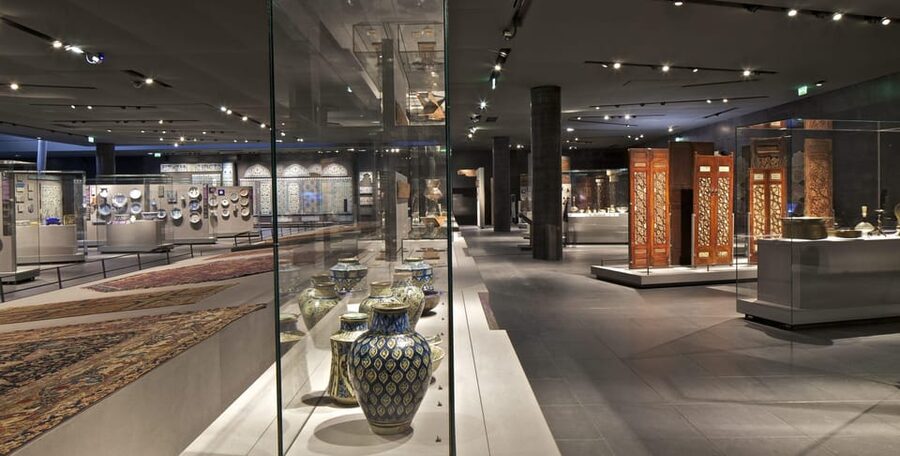
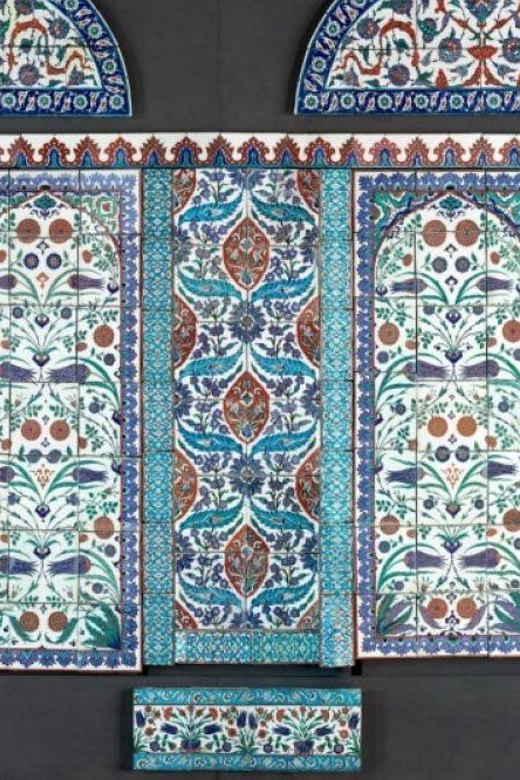
If you’re the type who likes to understand how artists and artisans worked, you’ll probably appreciate the technical angle. The tour includes attention to ceramics, metalwork, rock crystal, and precious stones. Those categories are not random. They point to the kinds of skills, resources, and design choices that shaped Islamic art across centuries.
The reviews also highlight how clear and captivating the explanations feel, and how fast time seems to pass. That’s a good sign when you’re choosing a guided tour for an art topic that can feel intimidating at first glance.
A guided timeline from Abbasids to Ottomans
The core promise here is a panoramic view of Islamic artistic production over more than a thousand years. In practice, that means the tour moves through eras and dynasties using a carefully selected set of masterpieces.
You start in the world of the Abbasids, then you pass through later courts and regions, ending with the splendours of the Ottoman Empire. The tour is also framed across geography, connecting artistic traditions across a wide swath of the Islamic world, from Al-Andalus to India.
Why that matters: Islamic art can look “similar” on first glance if you’re just skimming visuals. A chronological and regional story helps you notice differences in style, materials, and emphasis. Even when the objects share design languages, the context can change the meaning.
The guide also focuses on political, cultural, and spiritual contexts that shaped each work and dynasty. That is the part that turns decoration into history you can actually track. Instead of asking, “What am I looking at?” you start asking, “What world produced this, and what did it communicate?”
A handful more Paris options to weigh up
- Paris: Dark History and Ghostly Guided Walking Tour★ 4.7 · 1,000 reviews
- Le Marais/Paris – The Historic, Trendy, Jewish, LGBT district★ 5.0 · 341 reviews
- Paris City of Fashion History Private Guided Walking Tour★ 5.0 · 221 reviews
- History of Paris City Center w/ Notre Dame Semi-Private 12ppl Max★ 5.0 · 194 reviews
What the tour’s pacing feels like
Because the tour is only 2 hours and capped at 6 people, it’s not a museum sprint. It’s more like guided selection. You spend enough time with the objects to understand the why, and then you move on before you get overwhelmed.
If you like art history to be organized, you’ll find the structure calming. If you prefer to linger for long stretches on one favorite piece, you might feel the time pressure. Still, the route is designed to give you the big picture fast.
Technical wonders: how ceramics, metalwork, and stones tell a story
One of the biggest strengths of this tour is the mix of aesthetic and technical analysis. You’re not only shown the visual impact. You’re taught to look at the workmanship.
The materials highlighted include ceramics, metalwork, rock crystal, and precious stones. Each of these categories implies something different about technique and production. Even without getting lost in jargon, you can learn to see how artisans solved problems and made choices based on what was possible and valued.
Here is what that perspective helps you do in the gallery:
- You notice craftsmanship more easily. You start looking for evidence of method, not just pattern.
- You understand why certain materials show up in certain eras. Materials are tied to access, trade, and court taste.
- You connect physical technique to cultural message. In court and religious settings, objects often had roles beyond decoration.
The tour also points out that artisans developed remarkable techniques across the centuries. That means you’re not just studying isolated masterpieces. You’re seeing a tradition of skill building over time, adapted as dynasties rose and taste changed.
If your favorite museum moments come from thinking like a maker, this is a strong match. I particularly like when a guide helps you zoom in intellectually, because it makes the viewing feel more satisfying and less like passive looking.
How to get the most from a small-group museum tour
Small group tours are great, but they only work well if you participate. With up to 6 people, you have a real chance to ask questions and to get clarifications when something doesn’t click.
A simple trick: pick one question before you start. For example, ask how a piece’s material might connect to its time period, or ask what context matters most for understanding a dynasty represented in the galleries. With a guide like Yanis, who’s trained for museum expertise, your questions will likely feel like they belong.
Also, use the gallery setting. Don’t rely only on what you hear. Stand in the right spot, look at the overall object first, then look for surface clues like the feel of materials and construction details. That’s how the technical emphasis becomes real.
Finally, pace yourself with the 2-hour limit. Plan to keep your eyes on the route the guide is following. If you stop for extended detours, you may miss the chronological sweep that’s the point of the tour.
Price and value: is $53 per person worth it?
$53 per person for a 2-hour Louvre guided tour is not a bargain deal, but it can be solid value if it matches what you want. Here’s why.
You’re paying for three things that are hard to replicate alone:
- A focused route in a massive museum, starting efficiently under the Pyramid.
- A specialist guide, Yanis, trained at the École du Louvre.
- A structured story that connects Islamic art across dynasties and regions, with technical analysis built in.
If you only want a quick look at pretty objects, you could wander the galleries on your own. But if you want context and technique, the guide helps you get more meaning per minute.
Also, the group size matters for value. With just 6 people, you get more attention and more chance to ask questions. That turns the price into something closer to a high-quality, personal museum lesson than a crowded tour.
If you’re traveling with someone who likes art but isn’t sure where to start, this price can feel especially fair, because the tour removes the guesswork.
Who should book this Louvre Islamic art tour
This is a great fit if you:
- Love art history and want context, not just visuals
- Enjoy technical explanations about materials and craftsmanship
- Prefer a calmer group setting, capped at 6 people
- Want a structured timeline, from Abbasids to Ottomans, across regions like Al-Andalus and India
It may not be the best fit if you:
- Want a full, self-paced museum day, since this is only 2 hours
- Are traveling with children who are very young, since it is not suitable for children under 7
Language is also a real factor. Tours are available in English and French, so you can pick the option that lets you follow the art-history details comfortably.
And if you’re planning accessibility needs, note that the tour is wheelchair accessible. That matters when you’re trying to select a guided experience that won’t leave you stuck in logistics.
The practical details that affect your day
Here’s what will shape your experience on the ground.
You meet under the Louvre Pyramid, and you should arrive with your Louvre ticket already purchased. That is key because the tour starts by escorting you into the Islamic art department without wasting time.
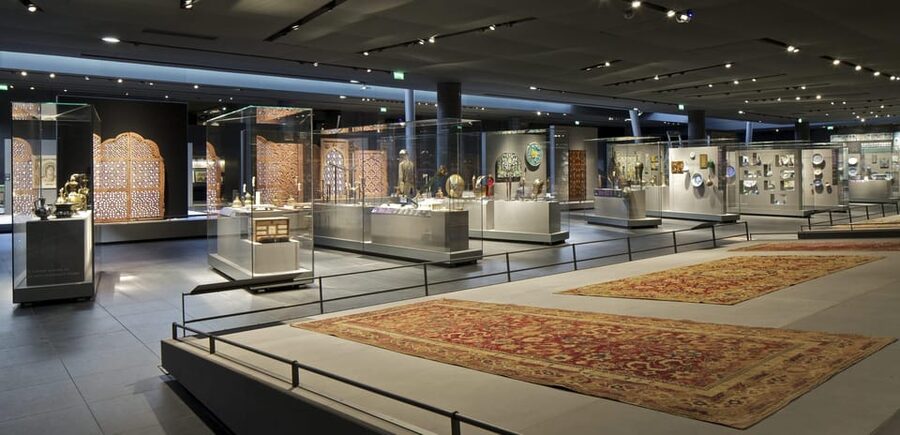
The tour is 2 hours, so treat it like a focused museum block. You’ll walk to the Islamic art galleries and then spend the time listening and looking at selected masterpieces guided by Yanis.
If you are sensitive to museum crowds, the small group size helps. You’re not trying to hear a guide over dozens of people at once. You’ll also likely appreciate the fact that the tour is explicitly structured, not a random gallery shuffle.
Should you book Treasures of Islam at the Louvre?
I would book this tour if you want a smart, guided way to understand Islamic art in the Louvre, with both historical context and attention to craft. The combination of Yanis’s training, the small group size, and the focus on materials like ceramics, metalwork, rock crystal, and precious stones makes the experience feel like more than a sightseeing stop.
I would skip or reconsider if you’re only looking for a casual stroll through the museum, or if you need a tour that works for children under 7. Also, if you only want to spend a few minutes in the Islamic art galleries, this tour is still focused, but it will be more satisfying when you’re ready to listen and look closely for the full 2 hours.
If your goal is to leave the Louvre with a clearer mental map of how Islamic art developed from the Abbasids through the Ottoman Empire, this is a strong choice.
FAQ
Where do we meet for the tour?
You meet under the Pyramid at the Louvre. The tour starts there with an escort to the Islamic art department, and you must already have your Louvre ticket.
How long is the tour?
The tour lasts 2 hours.
How big is the group?
It is a small group limited to 6 participants.
Which languages are available?
The tour is available in English and French.
Is the tour wheelchair accessible?
Yes, the tour is wheelchair accessible.
What is the price per person?
The price is $53 per person.
Is there free cancellation?
Yes. You can cancel up to 24 hours in advance for a full refund.
Can I reserve without paying right away?
Yes. It offers reserve now & pay later, so you can book your spot and pay nothing today.
Is it suitable for children?
It is not suitable for children under 7.
Newest write-ups from Paris








Louvre Museum Tickets, compared.

Louvre Guided Tour with Reserved Access & Boat Cruise
Read our review →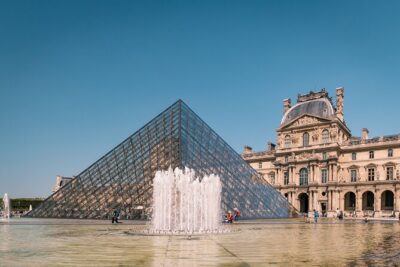
Louvre Museum Masterpieces Guided Tour with Access
Read our review →
Louvre Overview, Exploration tour and Reserved Entry
Read our review →
Louvre Museum Entry Ticket With Host and River Cruise
Read our review →
Mona Lisa & Louvre Masterpieces Tour with Reserved Access
Read our review →
Louvre Museum – Exclusive Guided Tour (Entry Included)
Read our review →
Louvre Museum Hosted Entry and Mona Lisa Audioguide
Read our review →
Louvre Access with Mona Lisa Escort or Guided Option
Read our review →Browse the lists this tour appears in