
Reviewed · WORLD WAR TWO HISTORY TOURS
Paris and Parisians During WWII | Private Walking Tour
Nazi-occupied Paris is grim, yet unforgettable. On this 2.5-hour, small-group walk, you trace Nazi occupation and the choices made by power, then shift to the Resistance and Liberation of Paris. Key stops include Hôtel de Ville and the Holocaust Memorial, placed right inside the city you know.
What I like most is the way the tour turns big events into street-level meaning, especially around political life in the city center. I also appreciate that your guide experience is led by an expert named Marie, who is described as both extremely well informed and pleasant, which matters with a subject this heavy. Plus, the group is capped at 10 people, so the pace feels human, not like a lecture marching you along.
The main drawback to think about is emotional weight. You are walking in central Paris for about 2.5 hours, and the topic is hard, so it helps to wear comfortable shoes and keep your expectations realistic about what you will hear.
In This Review
- Key highlights to look for on this WWII Paris walk
- Why WWII in Paris hits differently on foot
- Meeting at Paroisse Saint-Paul Saint-Louis, then staying centered
- What the tour teaches about Nazi occupation of France
- Hôtel de Ville stop: political decisions in the heart of the city
- Walking near Île de la Cité and Notre Dame’s area
- The Holocaust Memorial stop: remembrance with city context
- Resistance and Liberation: why these stories belong together
- The guide experience: live commentary and Marie’s impact
- Duration, group size, and what the price includes
- Where this tour fits in your Paris day
- Who should book this WWII Paris walking tour
- Practical tips before you go
- Should you book this tour?
- FAQ
- How long is the Paris and Parisians During WWII tour?
- What is the group size limit?
- Is this tour private?
- What stops are included?
- Where do I meet, and where does the tour end?
- Is food and drinks included?
- What is the cancellation policy?
Key highlights to look for on this WWII Paris walk
- Small-group cap of 10, for a more personal question-and-answer rhythm
- Stops anchored in central Paris, including Hôtel de Ville and the area on Île de la Cité
- Holocaust Memorial visit, part of how the tour frames occupation and persecution
- English-speaking local expert guide, with live commentary throughout
- Private feel for your group, even though it’s a walking tour format
- Marie as a standout guide, praised for being both informed and genuinely friendly
More wartime Paris on foot:
- Paris WW2 The German Occupation Small group or Private tour
★ 4.5 · 128 reviews - Normandy D-Day Beaches and World War II Sites Day Trip from Paris
★ 4.5 · 56 reviews - Invalides Museum – WWI & WWII – Guided Tour up to 8 guests
★ 5.0 · 32 reviews - Skip-the-line Les Invalides World War Museum Guided Tour – Semi-Private 8ppl Max
★ 5.0 · 30 reviews
Why WWII in Paris hits differently on foot
WWII in Paris is not just dates and uniforms. It is power, fear, and everyday decisions made under occupation, plus the human choices that pushed back. Walking helps because you are not stuck in a museum room. You are seeing the bones of the city where those stories played out, and it forces your brain to connect history to real streets.
This tour also uses a clear emotional arc: first you get a focused look at life under Nazi occupation, then it turns toward the people who dedicated their lives to France’s liberation. That swing from oppression to resistance is not soft or sentimental. It is the point. It helps you understand why liberation mattered, not just that it happened.
Meeting at Paroisse Saint-Paul Saint-Louis, then staying centered
You meet at Paroisse Saint-Paul Saint-Louis, 99 Rue Saint-Antoine, in the 4th arrondissement. The location is convenient because it is near public transportation, so you are less likely to stress about getting stuck across town before the walk begins.
The tour ends back at the meeting point. For you, that’s a practical win. No complicated end-point puzzle, no wandering afterward just to catch a ride home. It also makes the experience easier to pair with a normal day in central Paris, especially if you plan dinner nearby.
What the tour teaches about Nazi occupation of France
The main promise here is an in-depth overview of how Nazi occupation shaped life in France during those four years. That framing matters because occupation is not one single event. It is a long pressure system that changes routines, choices, and safety.
On this walk, your guide uses live commentary to connect what you see around the city to what people were experiencing at the time. The goal is not trivia. It is context that helps you make sense of why certain places became decision points, and why the resistance movement grew into something dangerous and necessary.
Because it’s a history-focused walking tour, you will likely get a mix of political explanation and human-scale details, with emphasis on how Paris functioned under control. If you prefer learning that connects politics to real life, this structure fits.
Hôtel de Ville stop: political decisions in the heart of the city
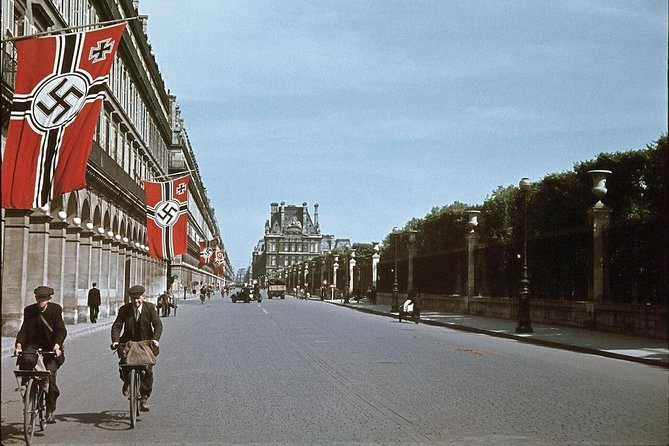
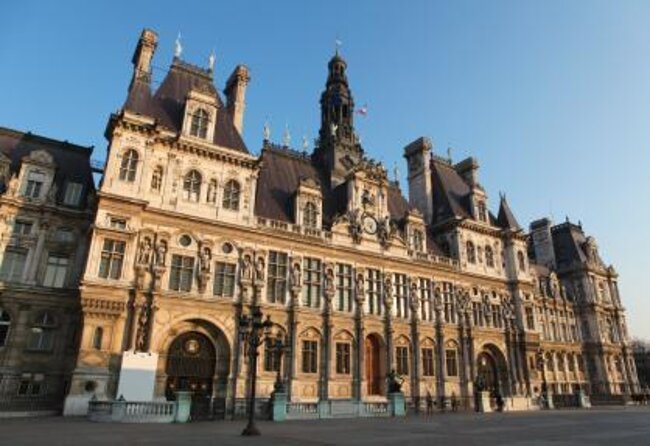
One of the stops is the City Hall of Paris, Hôtel de Ville. It’s a symbolic and practical location because city power is tied to the kinds of decisions that affect everyone in the streets. You are not just looking at an impressive building. You are standing where political direction would have had consequences.
What makes this stop useful is the way it anchors your understanding of occupation as more than conflict. Occupation depended on systems, paperwork, authority, and control. City Hall represents that type of center of gravity in everyday governance, which helps you connect the idea of decisions to physical space.
If you like your history grounded, this is a good stop. You can also use it as a moment to ask your guide how Parisian political life shifted during the occupation, because this is the kind of location that naturally invites that discussion.
Other arrondissements taken at walking pace:
- Paris Top Sights Half Day Walking Tour with a Fun Guide★ 5.0 · 2,893 reviews
- Montmartre Hidden Gems and Scenic Highlights Walking Tour★ 5.0 · 2,684 reviews
- Montmartre Hill French Gourmet Food and Wine Tasting Walking Tour★ 5.0 · 2,588 reviews
- Paris: Montmartre Highlights Walking Tour with a Local Guide★ 4.9 · 2,318 reviews
Walking near Île de la Cité and Notre Dame’s area
Another key area is Île de la Cité, near Notre Dame. This is central Paris at its most iconic, and that’s exactly why it’s important for a WWII story. Even in hard times, city centers stayed meaningful, and the geography of a place can shape how people move, gather, and encounter authority.
In this part of the walk, the tour uses the surroundings to keep the story from floating in abstraction. You are learning what life was like under occupation, and having the city’s core around you can make the pressure of those years feel more real.
Practical note for you: if you are sensitive to crowds or tight pedestrian spaces, plan for a normal day around Notre Dame’s area. The tour is small-group, but the neighborhood can still be busy depending on the time you go.
The Holocaust Memorial stop: remembrance with city context
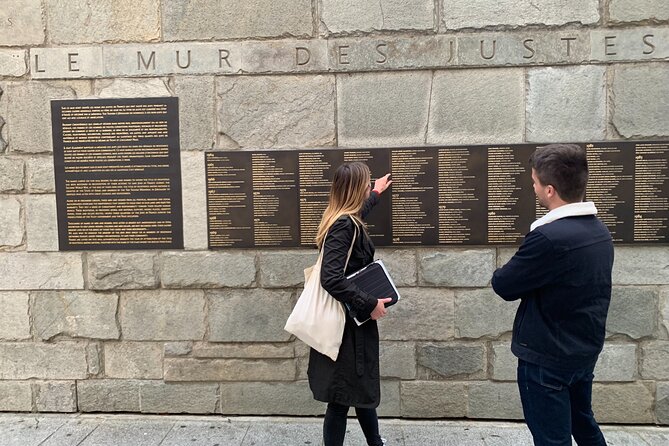
The tour includes a stop at the Holocaust Memorial. This matters because it changes the tone of the narrative in a necessary way. The Nazi occupation is discussed in terms of life in Paris, but the Holocaust Memorial brings the conversation directly to the persecution and genocide that terrorized and destroyed lives.
For you, this is not a quick photo stop. It is part of how the tour balances the occupation story with recognition and remembrance. The placement within central Paris also reinforces that history is not sealed off in a separate world. It sits inside the city you’re walking through now.
If you want to approach this portion with care, that’s smart. Give yourself a moment before you arrive, and be ready for reflection. A walking tour gives you movement, but the memorial stop asks for stillness of thought.
Resistance and Liberation: why these stories belong together
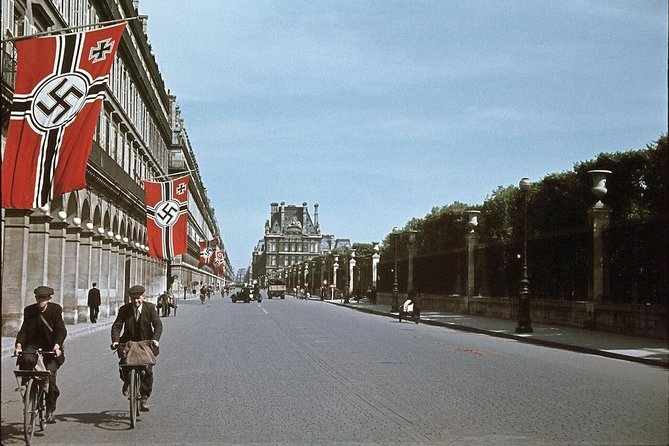
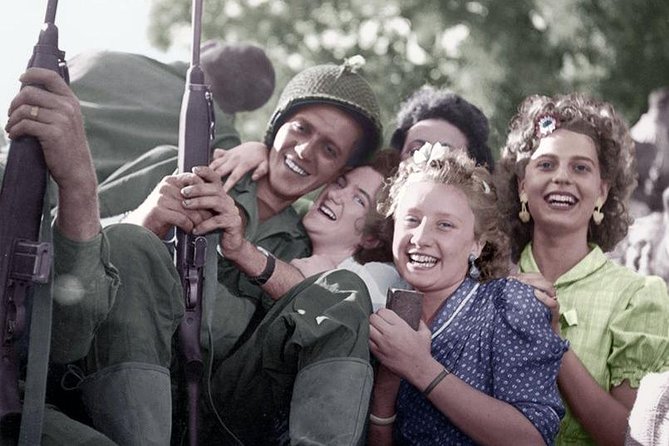
After the occupation-focused segment, the tour shifts toward the people who worked to rid France of Nazism, including the French Resistance and the Liberation of Paris. This is where many WWII tours either rush or oversimplify. Here, the intent is to celebrate the dedication of people who risked their lives for change.
I like that the tour doesn’t treat resistance as just a heroic label. It frames it as a real-life response to occupation, which makes liberation feel earned rather than predetermined. You come away with a better sense of how resistance fits into the larger timeline, and why liberation was not only a military outcome, but a human one too.
This section is also a reminder that Paris mattered. Liberation of Paris was a symbolic milestone, but the lead-up involved countless actions and sacrifices. If you are the type of traveler who likes to understand motivation and consequence, you will probably connect with this part.
The guide experience: live commentary and Marie’s impact
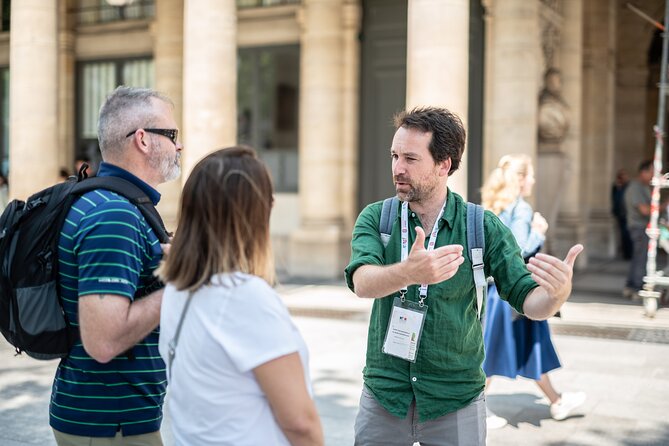
Your experience is led by a local expert English-speaking guide with live comments throughout. That live format is key, because it gives you room to ask questions as you walk. It also means your guide can adjust based on what you seem most interested in, rather than sticking to a fixed script.
A standout point from the guide experience is Marie. She is described as extremely well informed and pleasant, and that combination is not small. With topics like WWII occupation, a guide who can explain clearly and also keep the mood respectful makes a real difference in whether the tour feels manageable.
If you value a guide who is both human and serious about the subject, this is one of the strongest reasons to book.
Duration, group size, and what the price includes
The tour runs for about 2.5 hours. That’s long enough to build a real narrative arc, but short enough that you can stay engaged without your attention fading. The pace is likely best for travelers who can walk comfortably through central Paris.
The group is capped at 10 people, and it is listed as a private tour/activity, meaning only your group participates. In plain terms, you get a small-group feel with less pressure. You can ask questions and hear answers without a crowd drowning everything out.
Price is $278.09 per person. That is not a budget price, so you should judge the value by what’s included:
- A local expert English-speaking guide
- A 2.5-hour walking format with live commentary
- A maximum group size of 10
- Mobile ticket access
- Group discounts may apply
Also note what is not included: food and drinks, and there is no hotel pickup or drop-off. That affects value because you will need to plan a snack strategy on your own and handle getting yourself to the meeting point.
If you want WWII history with context, a small group, and a guide you can actually interact with, this price starts to make sense. If you mainly want a general overview from a brochure, you might feel it’s too expensive for what you would get.
Where this tour fits in your Paris day
Because it focuses on central areas and ends back where you started, it’s easy to slot into a sightseeing plan. Aim for a time when you can handle emotional topics without rushing off to something cheerful immediately afterward. I also recommend keeping the rest of your day flexible enough for extra walking, especially since central Paris can be crowded.
If you are pairing this with other stops, match the mood. After WWII themes, you might enjoy lighter activities later, or you might prefer a calm museum break. The main thing is not to stack too many intense plans back to back.
Who should book this WWII Paris walking tour
This tour is a strong fit if you:
- Want a small-group walk focused on Nazi occupation, Resistance, and the Liberation of Paris
- Prefer an English-speaking guide who gives live commentary
- Like learning history through specific locations like Hôtel de Ville, Île de la Cité near Notre Dame, and the Holocaust Memorial
- Appreciate a group size limited to 10 people
It might be less ideal if:
- You dislike walking for about 2.5 hours
- You are not comfortable with the emotional weight of Holocaust-related and occupation-era topics
- You want a tour that includes food or a full transport package from your hotel, since neither is included
Practical tips before you go
To get the most out of the experience, show up ready for a city walk and a serious subject.
- Wear comfortable shoes. Central Paris walking adds up fast.
- Bring water or plan a nearby stop for after the tour, since food and drinks are not included.
- Come with at least one question. A WWII tour works best when you want to connect the story to what you are seeing.
- Use the small group size to your advantage. If something is unclear, ask your guide on the spot.
These small choices help you absorb the story without feeling rushed or distracted.
Should you book this tour?
Yes, I’d book it if your ideal Paris trip includes thoughtful history, not just landmarks. The best reasons are the small-group cap of 10, the English-speaking local expert guide with live commentary, and the emotional structure that moves from occupation to resistance and liberation. Add in the specific stops at Hôtel de Ville, Île de la Cité near Notre Dame, and the Holocaust Memorial, and you have a walk that feels grounded in the city itself.
I would not book it if you want a light, purely sightseeing experience. This is a WWII-focused tour with heavy material, so be honest with yourself about your comfort level and your willingness to walk for about 2.5 hours.
If you decide to go, do it with a calm pace and a respectful mindset. You will come away with a clearer picture of how Paris lived through those years, and why the fight for liberation mattered.
FAQ
How long is the Paris and Parisians During WWII tour?
It lasts about 2 hours 30 minutes.
What is the group size limit?
Tours are capped at 10 people.
Is this tour private?
Yes, it is a private tour/activity, and only your group participates.
What stops are included?
Stops include City Hall of Paris, an area on Cité Island near Notre Dame, and the Holocaust Memorial.
Where do I meet, and where does the tour end?
You meet at Paroisse Saint-Paul Saint-Louis, 99 Rue Saint-Antoine, 75004 Paris, France, and the tour ends back at the meeting point.
Is food and drinks included?
No, food and drinks are not included.
What is the cancellation policy?
You can cancel for a full refund up to 24 hours in advance of the experience start time. If you cancel less than 24 hours before, the amount paid is not refunded.
Newest write-ups from Paris




World War Two History Tours, compared.
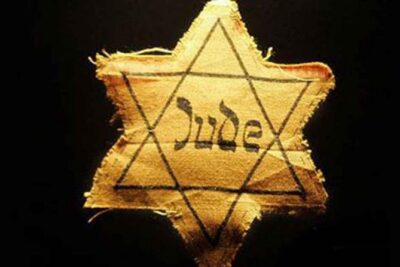
Paris WW2 The German Occupation Small group or Private tour
Read our review →
Normandy D-Day Beaches and World War II Sites Day Trip from Paris
Read our review →
Invalides Museum – WWI & WWII – Guided Tour up to 8 guests
Read our review →
Skip-the-line Les Invalides World War Museum Guided Tour – Semi-Private 8ppl Max
Read our review →Paris 2-hour WWII Walking Tour: Occupation history
Read our review →
Skip-the-line Les Invalides World War Museum Guided Tour – Exclusive Guided Tour
Read our review →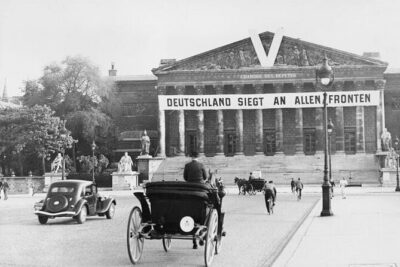
WWII American Landing Beaches Discovery Private Tour
Read our review →Browse the lists this tour appears in