
Reviewed · WORLD WAR TWO HISTORY TOURS
Private Paris WWII History Tour: Occupation & Resistance
Paris gets quieter when you trace wartime footsteps. This private 3-hour walk connects Resistance streets to the reality of Nazi surveillance in the same neighborhoods. I love the way it follows the path of Jean Moulin, linking scattered acts of defiance into one Resistance story. One possible drawback: the pace is still “significant walking,” and the memorial moments are genuinely heavy, so it may feel intense if you want a lighter tour.
I like that the stops are specific, concrete, and local: the Saint-Michel area’s wartime heat, the Jardin du Luxembourg’s dark reuse, and even a bookstore tied to Samuel Beckett hiding from the Gestapo. You’ll finish with a clearer sense of how Paris moved from occupation to celebrations of freedom, and why the aftermath included tough questions about collaboration and rebuilding.
Logistics are straightforward. There is no hotel pickup, and you’ll start near the Saint Michael Monument, with your guide holding a Mister Llama mascot, which makes finding the group less stressful.
In This Review
- Key things that make this tour worth your time
- A 3-hour private walk through occupied Paris and resistance nodes
- Meeting at Saint-Michel, with Mister Llama in hand
- Resistance blocks and Defense de France clues
- Following Jean Moulin’s path toward unified Resistance
- Jardin du Luxembourg wartime shadows near the Luftwaffe
- Saint-Michel’s 1942 riots and the texture of fear
- Samuel Beckett’s bookstore refuge from the Gestapo
- Vel d’Hiv roundup reflection, then the deportation memorial
- Paris’s final days of occupation: control, liberation, and painful aftermath
- Price, pacing, and who this tour is best for
- Should you book this Private Paris WWII History Tour?
- FAQ
- How long is the Private Paris WWII History Tour?
- Where does the tour meet?
- Is hotel pickup included?
- What sites and themes are covered during the tour?
- What languages is the guide available in?
- Is the tour wheelchair accessible?
Key things that make this tour worth your time
- Three hours with the right walking mix: enough to connect places and meanings without dragging forever.
- Jean Moulin as a guiding thread: you see how the Resistance grew into unity, not just isolated heroics.
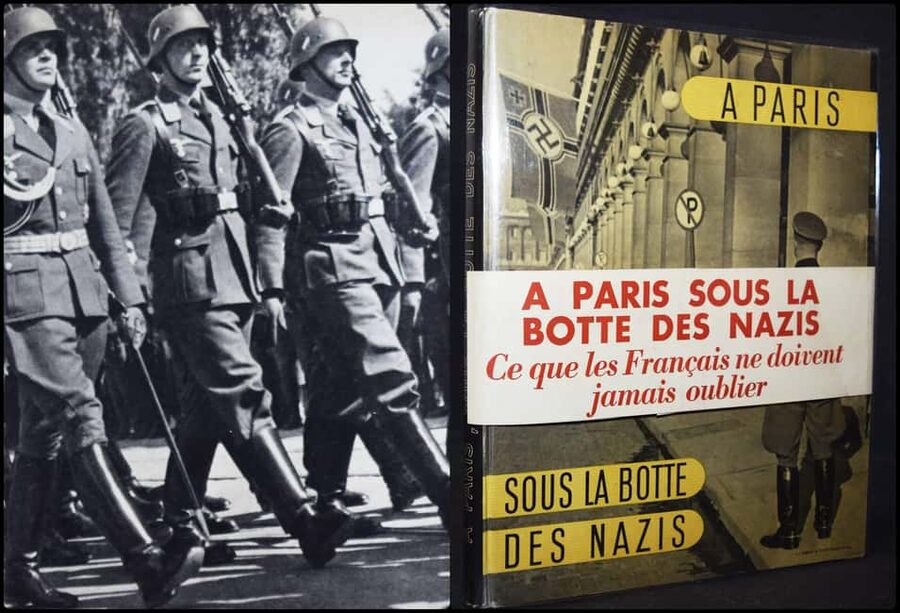
- Nazi presence and Resistance activity in the same frame: the closeness is the point, and your guide keeps that contrast clear.
- Major wartime touchpoints on one route: Defense de France links, Vel d’Hiv reflection, and the deportation memorial are all included.
- A literary detour with real stakes: the Samuel Beckett bookstore stop adds a human, unexpected angle.
More wartime Paris on foot:
- Paris WW2 The German Occupation Small group or Private tour
★ 4.5 · 128 reviews - Normandy D-Day Beaches and World War II Sites Day Trip from Paris
★ 4.5 · 56 reviews - Invalides Museum – WWI & WWII – Guided Tour up to 8 guests
★ 5.0 · 32 reviews - Skip-the-line Les Invalides World War Museum Guided Tour – Semi-Private 8ppl Max
★ 5.0 · 30 reviews
A 3-hour private walk through occupied Paris and resistance nodes
This is a private WWII-focused history tour built for people who want more than dates and big names. In three hours, you cover several distinct “mood zones” of wartime Paris, moving from clandestine Resistance work to the terror of raids, then toward the city’s final days of occupation and liberation celebrations.
I like the way the tour keeps the story grounded in place. You are not just learning that things happened. You are watching how occupation reshaped daily geography, and how Resistance networks used that same geography to operate, publish, meet, and survive. That’s where the experience becomes more than a lecture.
You should also know what you’re signing up for. The tour touches persecution and deportation. You visit a memorial connected to those sent to concentration camps, so this is not a “casual sightseeing” experience. Come prepared for solemnity at those moments.
Meeting at Saint-Michel, with Mister Llama in hand
Your tour starts next to the Saint Michael Monument, and your guide will be holding a Mister Llama mascot. If you’ve ever tried to spot a guide in a crowded tourist square, you’ll appreciate how simple this makes it to meet up and get going.
Because there is no hotel pickup or drop-off, plan to arrive on your own at the meeting spot. The good news is that you can often choose the easiest nearby metro option based on where you’re staying. If you tell yourself you are there to walk, the start feels smooth instead of stressful.
The tour is wheelchair accessible, and it is a private group. That matters for comfort and pacing, since “historic walking” can otherwise become a sore point.
Resistance blocks and Defense de France clues
One of the tour’s strongest features is how it shows Resistance activity as something that lived in regular streets and neighborhoods. You walk through historic areas where the French Resistance secretly operated, even with the Gestapo nearby. That contrast, close and uncomfortable, is the whole point.
A memorable part of the route is the neighborhood connection to underground publications, including Defense de France. You’ll get a sense of how information moved when official channels were controlled. Even without getting lost in details, the idea lands: publishing was not just words on paper. It was a way to organize people, spread truth, and maintain morale under pressure.
What I’d recommend you do as you walk through these Resistance streets: keep an eye out for the “small scale” feeling. These were not grand operations with movie sets. They were practical, human choices made under risk. Ask yourself, as you pass each stop, who could have heard or seen something, and what “quiet” actually meant back then.
Following Jean Moulin’s path toward unified Resistance
Jean Moulin shows up in this tour as more than a name. You follow his paths through key areas tied to Resistance unity and organization, learning how clandestine meetings and acts of defiance helped set the stage for liberation.
I like using Jean Moulin as a narrative backbone. When a tour uses one central figure, you get fewer disconnected stops and more of a through-line. Here, the through-line is unity: Resistance groups weren’t just brave individuals acting alone. They were building connections, coordinating, and trying to hold together under extreme pressure.
If you are the type of traveler who wants a “why this matters” answer, you’ll likely appreciate this segment. It helps convert vague admiration into a clearer understanding of how resistance can function when everything around it is hostile.
A handful more Paris options to weigh up
- Paris: Dark History and Ghostly Guided Walking Tour★ 4.7 · 1,000 reviews
- Le Marais/Paris – The Historic, Trendy, Jewish, LGBT district★ 5.0 · 341 reviews
- Paris City of Fashion History Private Guided Walking Tour★ 5.0 · 221 reviews
- History of Paris City Center w/ Notre Dame Semi-Private 12ppl Max★ 5.0 · 194 reviews
Jardin du Luxembourg wartime shadows near the Luftwaffe
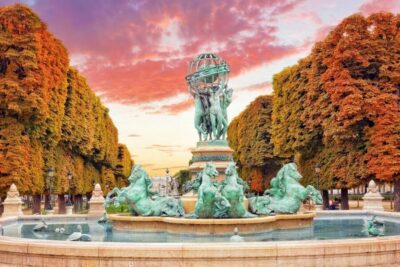
Next you move to the Jardin du Luxembourg, today a place many people associate with calm paths and casual strolling. During the occupation, it held a dark role connected to Nazi control, including an area tied to being headquarters for the Luftwaffe.
This stop works because it forces you to hold two images at once: what the place feels like now, and what it was used for during the occupation. I think that’s the kind of contrast that makes history stick. It turns “occupied Paris” from a concept into a series of physical locations you can picture.
A practical tip: take a moment to slow down here. Even if you normally keep moving on tours, pause enough to let the atmosphere register. The value is in noticing how quickly a familiar place can become unfamiliar when you know its wartime use.
Saint-Michel’s 1942 riots and the texture of fear
The Saint-Michel District is treated as a symbol of resistance. You’ll visit this area knowing it witnessed defiant riots against Nazi rule in 1942.
This part of the tour is about mood and pressure, not just landmarks. When a city shows open defiance, it’s signaling something bigger than one event. It suggests a tipping point in public courage, and it shows how resistance was not limited to secret paperwork or covert meetings.
Because the story here is intense, it’s also where you should be mindful of your own energy level. The tour involves significant walking, and the emotional weight builds as you move toward persecution and memorial sites later. If you’re traveling with anyone who gets overwhelmed by heavy topics, this is a good moment to check in.
Samuel Beckett’s bookstore refuge from the Gestapo
One of the most interesting and human stops is the bookstore where Samuel Beckett found refuge from the Gestapo.
I love when a history tour includes a cultural figure tied to real danger, because it changes the “cast of characters.” Instead of seeing WWII only through politics and military movements, you see how occupation affected writers, thinkers, and everyday people who had to hide, adapt, and survive.
This is also a strong stop for curiosity. You might find yourself asking, as you stand in the location, what a bookstore refuge actually meant in day-to-day terms. It’s not just symbolism. It’s a practical answer to a brutal question: where can someone disappear while still being part of the city?
If you want to get more out of this segment, listen for how your guide connects Beckett’s refuge to the broader occupation reality you’ve been learning about: proximity to danger, the need for concealment, and the role of ordinary spaces in extraordinary times.
Vel d’Hiv roundup reflection, then the deportation memorial
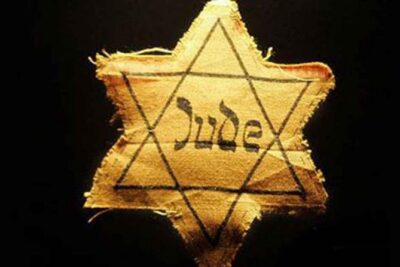
No WWII walk in Paris is complete without facing what happened to Jewish families during the Vel d’Hiv raid. This tour asks you to reflect on the tragic roundup and then moves to a somber memorial site: the Mémorial des Martyrs de la Déportation, which honors those sent to concentration camps.
I’m glad the tour doesn’t treat this as a quick stop-and-go fact. When a guide brings you to a memorial like this, you should slow down, even if you’re tempted to keep moving. Your respect matters here, because the experience is designed for remembrance, not consumption.
What’s valuable for you as a traveler is the sequence. The earlier stops focus on Resistance and defiance. Here, the story shifts to persecution and deportation. That shift helps you understand the full range of occupation impacts, from organized underground resistance to the destruction inflicted on targeted families.
If weather or crowds push you around here, do yourself a favor and protect your attention. Let the memorial moment land. It’s one of the few places where “learning” is also about acknowledging human loss.
Paris’s final days of occupation: control, liberation, and painful aftermath
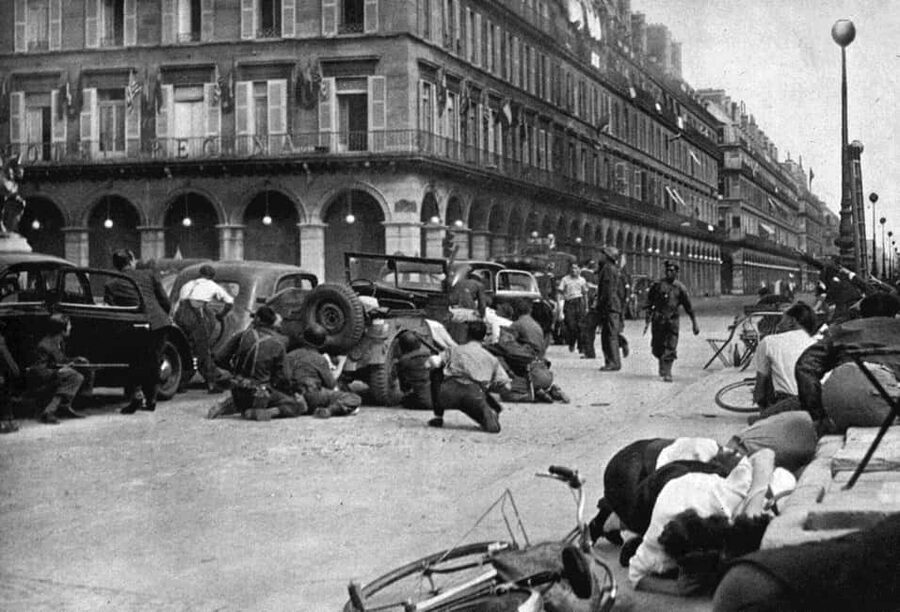
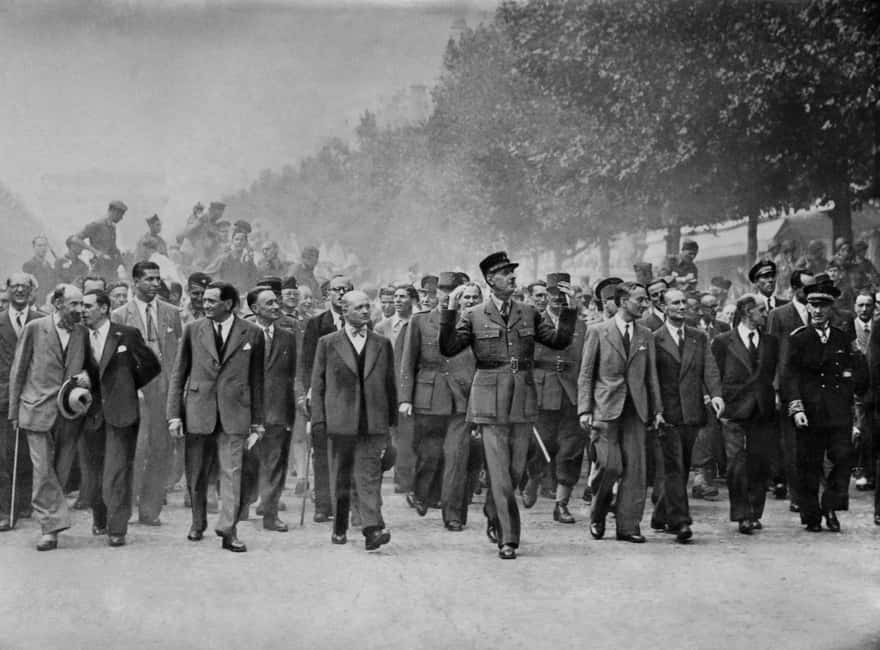
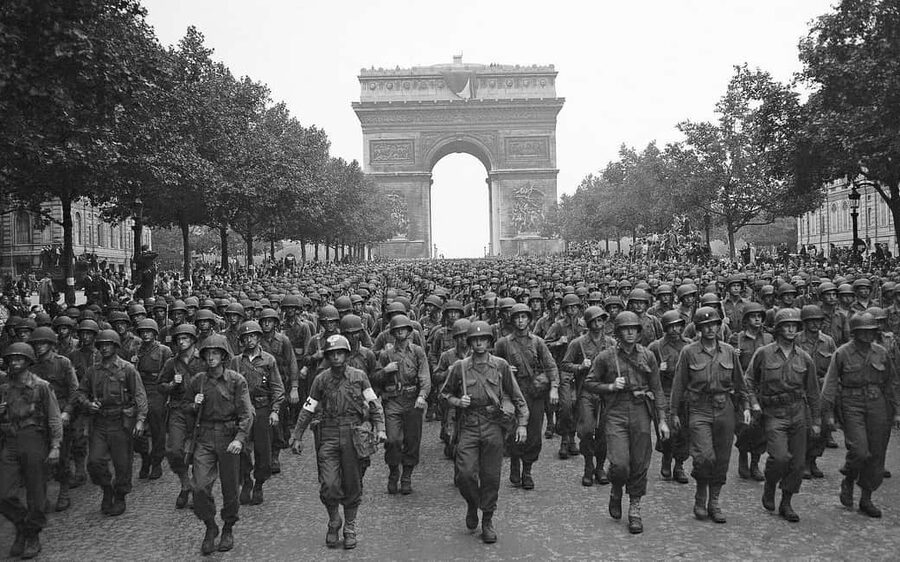
The tour closes by bringing you through the city’s final days of occupation, from tense Nazi control to the celebrations of freedom.
I like that this ending doesn’t ignore the messy reality after liberation. You also learn about Paris handling the aftermath of war, including the complexities of collaboration and rebuilding. That’s important. Freedom celebrations are real and powerful, but so are the hard questions that come next when a city has been under a brutal regime.
This final section tends to change how you interpret the earlier stops. When you understand that liberation led into rebuilding and difficult judgment, the Resistance story stops being only tragic or heroic. It becomes part of a larger process of reassembling civic life.
As you finish, you’ll likely notice something: wartime Paris is no longer a single narrative. It’s multiple realities overlapping in the same streets, and that is exactly why a guided walking tour works better than reading alone.
Price, pacing, and who this tour is best for
At $294 per person for 3 hours, this is not a “cheap afternoon” activity. But it is a private guided experience with a dense route, multiple major WWII sites, and a story threaded through named figures and specific locations.
Where the value comes from:
- You get a focused route that hits both Resistance and persecution landmarks.
- The private format helps keep the pacing aligned, especially when you need time for reflection at memorial sites.
- The stops are varied: Resistance publishing connections, Jean Moulin, Nazi reuse of spaces, and even a literary refuge tied to Samuel Beckett.
Where you should consider whether it’s the right fit:
- You want more leisurely sightseeing. This is a walk with “significant walking,” so if you prefer minimal steps, you might find it tiring.
- You are sensitive to heavy subject matter. The tour includes reflection on the Vel d’Hiv raid and a deportation memorial.
- You want a lighter tone throughout. The topic is inherently somber, and your guide’s approach may feel neutral rather than playful.
Who I think will enjoy it most:
- History-minded travelers who like specific places and names, not generic war commentary.
- People who want a grounded “map your way through” experience, especially if you’re returning to Paris neighborhoods you already know.
- Anyone who appreciates moments where culture, like Beckett’s story, intersects with survival under occupation.
Should you book this Private Paris WWII History Tour?
Book it if you want a 3-hour, place-based WWII story that includes the Resistance, Jean Moulin, the Vel d’Hiv raid reflection, and the Mémorial des Martyrs de la Déportation, all in one coherent walk. I also think it’s a strong choice if you like seeing how occupation changed ordinary spaces, like the Jardin du Luxembourg and the Saint-Michel area.
Skip it if you are looking for light entertainment, or if you know you struggle with longer walking segments and emotionally heavy memorial stops. In that case, you might feel better with a shorter, less intense option.
If you do book, bring comfortable shoes, dress for the weather, and mentally plan for the memorial parts to take their time.
FAQ
How long is the Private Paris WWII History Tour?
The tour lasts 3 hours.
Where does the tour meet?
You meet next to the Saint Michael Monument. The guide will be holding a Mister Llama mascot.
Is hotel pickup included?
No, hotel pickup and drop-off are not included. You can start closer to your hotel if it’s conveniently located along the tour route.
What sites and themes are covered during the tour?
The tour focuses on Paris during Nazi occupation, French Resistance activity, Jean Moulin, the Vel d’Hiv raid reflection, the Samuel Beckett bookstore refuge story, Nazi reuse of places like the Jardin du Luxembourg, and memorial reflection at the Mémorial des Martyrs de la Déportation, plus the final days of occupation and celebrations of freedom.
What languages is the guide available in?
The tour offers live guiding in English, Spanish, Russian, German, Korean, Chinese, Japanese, Italian, and French.
Is the tour wheelchair accessible?
Yes, the tour is wheelchair accessible. The tour involves significant walking, so comfortable clothing and shoes are important.
Newest write-ups from Paris



World War Two History Tours, compared.
Paris WW2 The German Occupation Small group or Private tour
Read our review →
Normandy D-Day Beaches and World War II Sites Day Trip from Paris
Read our review →
Invalides Museum – WWI & WWII – Guided Tour up to 8 guests
Read our review →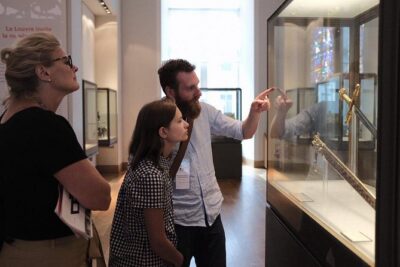
Skip-the-line Les Invalides World War Museum Guided Tour – Semi-Private 8ppl Max
Read our review →Paris 2-hour WWII Walking Tour: Occupation history
Read our review →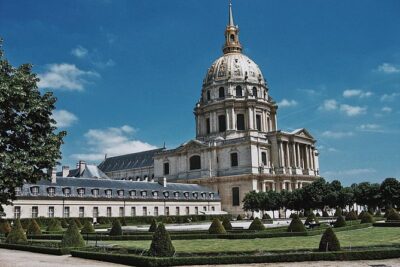
Skip-the-line Les Invalides World War Museum Guided Tour – Exclusive Guided Tour
Read our review →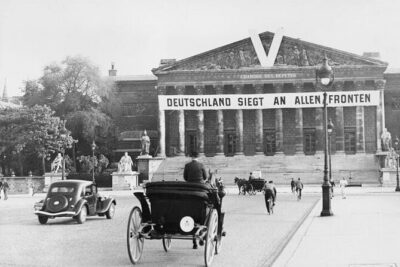
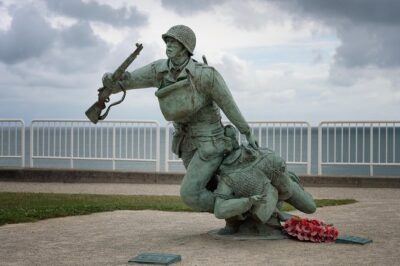
WWII American Landing Beaches Discovery Private Tour
Read our review →Browse the lists this tour appears in